

Growing peppers from seed opens up varieties you’ll never find at the grocery store, from smoky Scotch bonnets to crisp mini bells in every color. The right packet decides whether your garden delivers thick walls of flavor or a sparse handful of pods, so variety choice matters as much as soil and sun. This list covers eight packets suited to different climates, space constraints, and heat tolerances, from container-friendly sweet types to fiery Caribbean cultivars and broad variety packs for curious growers.
A Fast Comparison Of The Options
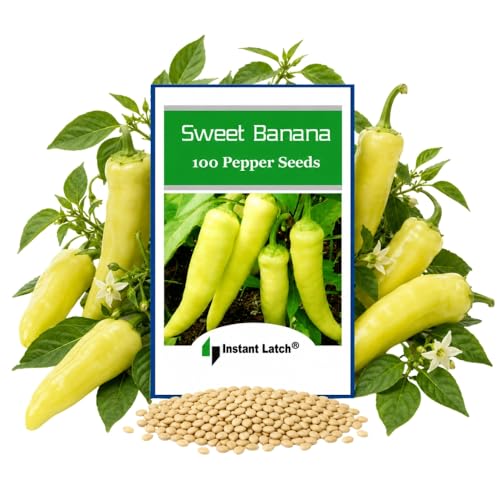
Instant Latch 100 Sweet Banana Pepper Seeds

KVITER 50 Mix Sweet Mini Peppers Seeds

KVITER 50 Biquinho Sweety Drop Peppers Seeds

Harley Seeds 30 Red Jamaican Scotch Bonnet Seeds

Survival Garden Seeds 12 Pepper Variety Pack

Survival Garden Seeds 10 Pepper Variety Pack

Survival Garden Seeds 8 Pepper Variety Pack

Sereniseed Certified Organic 10-Pack Pepper Seeds
More On The Choices That Made The List
Sweet banana peppers rank among the most forgiving cultivars for first-time seed starters, and this Instant Latch packet leans into that ease with a generous 100-seed count. The fruits ripen to a mild, tangy-sweet flavor around six inches long, ideal for pickling jars, stuffed appetizers, or frying. Compared with the compact mini bells from KVITER later in this list, banana peppers stretch taller and produce fewer but larger pods per plant, which suits a backyard bed better than a tight container.
For gardeners in warmer zones sowing directly after the last frost, the heirloom (an open-pollinated variety whose traits pass reliably to the next generation) designation gives you the option to save seed season after season. In shorter growing windows, starting indoors six to eight weeks early usually makes the difference between a modest harvest and a steady one.
Benefits That Matter
- Heirloom status lets you save seed year to year without losing traits
- Mild, sweet flavor works for fresh eating, pickling, and frying
- Six-inch pods are large enough for stuffing and slicing
- 100-seed count gives room for succession planting and trial rows
Things To Consider
- Warm-season requirement means northern growers need a long head start indoors
- Single-variety packet offers less culinary range than the multi-variety packs below
Who It Suits Best
First-time gardeners and home canners with full-sun beds and a long enough growing season to mature six-inch pods.
Where Another Pick Suits Better
The KVITER 50 Mix Sweet Mini Peppers Seeds are a better match for balcony and patio growers with limited square footage.
Mini bell peppers behave differently in a small garden than full-size bells, and KVITER leans into that difference with compact 20- to 30-inch plants bred for tight spaces. Where the Instant Latch banana packet above favors long raised beds, this one thrives in a five-gallon pot on a sunny patio. The dense, 18- to 24-inch-wide canopy holds well over thirty baby bells per plant, a generous yield for the footprint.
Seeds sprout in roughly seven to ten days under warm conditions, so direct sowing works in southern climates while northern growers still benefit from an early indoor start. The heirloom genetics let you isolate the best producers and save their seed for next season, a quiet perk for anyone tired of repurchasing the same packet each spring.
What Stands Out
- Compact plant size fits containers and narrow raised beds
- High per-plant yield offsets the smaller pod size
- Quick germination under warm soil conditions
- Baby bells suit lunchbox snacking and quick sautés
Points To Keep In Mind
- Smaller pods mean more picking labor per cup of finished pepper
- Container-grown plants need more frequent watering than in-ground beds
Quick Facts
Made For
Balcony and container gardeners with full sun and limited square footage who still want a steady mini bell harvest.
Consider Something Else When
Backyard gardeners with room to spread out will get more culinary variety from the Survival Garden Seeds 12 Variety Pack.
Biquinho peppers, sometimes called sweety drops, come from Brazilian kitchens and look like tiny flame-tipped teardrops dangling off a tidy 18- to 24-inch plant. This KVITER packet is the only one in the roundup built around Capsicum chinense in a non-hot format, which means you get that fruity, almost tropical sweetness without the burn of a habanero. For adventurous cooks pickling peppers or building a charcuterie board, the visual payoff alone is worth the seedling effort.
The chinense lineage does mean slightly slower germination than common bell types, so a heat mat (a flat warming pad placed under seed trays to speed sprouting) helps in cooler basements. Once established, each plant produces dozens of the small, pointed pods, and the compact height makes them easy to grow alongside the KVITER mini bells in the same container setup.
Notable Gains
- Distinctive teardrop shape adds visual interest to plates and jars
- Mild, fruity sweetness works for kids and heat-shy guests
- Compact plants suit indoor windowsills and small patios
- Heirloom genetics preserve the unusual lineage for seed saving
Honest Caveats
- Capsicum chinense species germinates more slowly than common annuum types
- Unusual variety can be harder to swap or share with neighboring gardeners
- Smaller individual pods mean more harvest passes per recipe
Perfect Match For
Adventurous home cooks and pickle enthusiasts who want a conversation-starting variety beyond standard bells and jalapeños.
A Better Fit Elsewhere
Heat seekers chasing authentic Caribbean burn should reach for the Harley Seeds Red Jamaican Scotch Bonnet packet instead.
Scotch bonnets sit firmly in habanero territory on the Scoville scale (the standard measurement of pepper pungency, where higher numbers mean more heat), and this Harley Seeds packet is the roundup’s dedicated choice for growers chasing genuine Caribbean fire. The two-inch, red-ripening pods carry that signature smoky-fruity flavor that defines jerk marinades and pepper sauces, a flavor profile milder bells cannot replicate. Plants stay compact enough for container culture, which matters since chinense types benefit from a longer head start indoors.
Thirty seeds feels modest next to the 100-count banana packet from Instant Latch, but germination rates for fresh chinense seed run high when soil temperature holds between 80 and 90°F. For gardeners with a heat mat and patience, the per-pod payoff justifies the smaller quantity.
Why It Works Well
- Authentic Scotch bonnet lineage for Caribbean-style cooking
- Compact plant habit suits container growing on porches
- Two-inch pods are easy to dehydrate and grind into pepper flakes
- Heirloom, non-GMO seed can be saved from the best producers
Trade Offs
- Heat level is too intense for households with young children cooking unsupervised
- Longer days-to-maturity than common annuum varieties
- Smaller seed count than multi-variety options in this list
Spec Overview
Best Suited To
Hot sauce makers and Caribbean cuisine enthusiasts who want fruit-forward heat rather than harsh burn.
Look Elsewhere When
Families with mixed heat tolerances will get more usable variety from the Survival Garden Seeds 8 Pepper Variety Pack.
The 12 Variety Pack from Survival Garden Seeds is the broadest culinary sampler in this roundup, covering everything from jalapeño and serrano heat through California Wonder bells and Marconi reds. Where the single-variety Instant Latch banana packet above targets one flavor profile, this pack lets a gardener run a small test garden in a single season, comparing Anaheim scorch to Cubanelle sweetness in adjacent rows. The mix leans toward Capsicum annuum types, which means faster germination and a more forgiving start than chinense-heavy packs.
Purple Beauty and Rainbow Bell add visual variety to salads and stuffed pepper trays, while the included Habanero Orange introduces the chinense heat line for growers ready to experiment. You trade single-variety depth for breadth, which suits curious gardeners more than commercial-scale growers.
Notable Upsides
- Twelve cultivars cover sweet, hot, and ornamental uses in one packet
- Mostly annuum species germinate quickly for short-season gardens
- Includes pickling, stuffing, and roasting favorites in a single purchase
- Color variety (purple, red, orange, green) brightens garden beds
Small Caveats
- Fewer seeds per variety than single-cultivar packets offer
- Beginners may struggle to identify twelve seedlings at transplant time
- Spreads attention across many cultivars rather than mastering one
Who Should Grab It
Experimenters and curious growers who want to discover which pepper family suits their soil before committing to larger packets.
Reach For A Different Pick When
Single-variety specialists chasing one reliable crop should pick the Instant Latch 100 Sweet Banana Pepper Seeds instead.
Stepping down from the 12-pack, this 10 Variety Pack keeps the same sweet-to-spicy arc but trims two cultivars, which actually helps gardeners who want clearer identity in each seedling. You still get jalapeño, serrano, cayenne, California Wonder, Cubanelle, Marconi Red, Anaheim, and Rainbow Mix bells, plus the Big Red Pepper for sauces. The Survival Garden Seeds lineup consistently emphasizes adaptability, and this pack fits outdoor beds, raised frames, containers, and even basic hydroponic setups (soil-free growing in nutrient-rich water).
Compared with the broader 12-pack above, this version slightly favors classic kitchen workhorses over ornamental novelties, which suits a household that cooks peppers daily rather than decorating plates with them.
Features That Help
- Ten well-known cultivars with strong culinary track records
- Adapts to beds, containers, and hydroponic systems
- Balances heat range so cooks can prep multiple recipes from one packet
- Heirloom seed allows variety-by-variety seed saving
Worth Noting
- Omits the purple and specialty ornamental peppers from the 12-pack
- Still requires seedling labeling discipline to keep varieties separate
Feature Snapshot
Whose Shelf It Belongs On
Versatile home gardeners who want one packet covering most kitchen pepper needs without managing twelve separate labels.
Swap It Out When
Organic-focused growers should pick the Sereniseed Certified Organic 10-Pack for chemical-free seed sourcing.
The 8 Variety Pack is the most focused of the three Survival Garden Seeds bundles, trimming the selection to eight kitchen staples: Marconi Red, Chocolate Beauty, Cayenne, Jalapeño, Big Red, Serrano, California Wonder, and Cubanelle. That tighter lineup gives families with mixed heat tolerances something for everyone without overwhelming the gardener with too many seedling trays. Chocolate Beauty, a brown-ripening bell, adds visual flair to stuffed pepper dinners without introducing extra heat.
Compared with the 10- and 12-packs above, you lose the Anaheim and Rainbow Mix bells but keep the core cooking staples. The compact selection suits gardeners managing a smaller plot who still want sweet and spicy options in the same bed.
Good Reasons To Consider
- Eight cultivars balance sweet and spicy for households with varied palates
- Chocolate Beauty bell adds an unusual color without unusual heat
- Smaller variety count simplifies seedling identification
- Suitable for pickling, drying, and fresh eating across the mix
A Few Limitations
- Less breadth than the 12-pack for experimental gardeners
- Still primarily annuum types, so no chinense heat thrills
Right Fit For
Households with mixed heat tolerances where multiple family members will eat from the same garden.
Not Your Match When
Heat-chasing growers should pick the Harley Seeds 30 Red Jamaican Scotch Bonnet for serious chili heat.
Sereniseed is the only packet in this roundup certified organic by Oregon Tilth, a third-party verification that the seed was grown without synthetic chemicals under audited conditions. For gardeners building an all-organic kitchen plot, that certification removes the guesswork that comes with generic heirloom packets. The 10 varieties span jalapeño, Cal Wonder bell, banana, Serrano Tampiqueño, Shishito, Hungarian Hot Wax, Red Habanero, cayenne, and Poblano, a strong culinary lineup that covers fresh eating, roasting, and stuffing.
The Red Habanero is the one chinense type in the pack, so expect the slower germination pattern seen earlier with the Harley Seeds Scotch Bonnet. Open-pollinated status (meaning pollination occurs naturally via wind or insects rather than controlled hybridization) means saved seed stays true to type, and the included grow guide printed on each packet helps beginners avoid the most common seedling mistakes.
What Earns Its Place
- USDA-certified organic seed verified by Oregon Tilth
- Ten cultivars cover nearly every common kitchen pepper use
- Includes Shishito for the trendy blister-frying preparation
- Open-pollinated genetics support reliable seed saving
Points To Note
- Red Habanero seeds germinate more slowly than annuum types in the same pack
- Premium certification can price it above comparable non-organic variety packs
At A Glance
Built With In Mind
Organic-minded growers committed to chemical-free gardening from seed to harvest.
Skip It When
Gardeners without organic certification priorities will find broader variety counts in the Survival Garden Seeds 12 Pepper Variety Pack.
Matching Pepper Seeds To Your Growing Conditions
Climate drives more pepper success than any other factor, and seed packets differ widely in the temperature ranges they tolerate. Most Capsicum annuum varieties, including the banana, bell, and jalapeño types across this list, sprout reliably between 75 and 85°F and mature in 60 to 90 days from transplant. Capsicum chinense cultivars like Scotch Bonnet and Red Habanero want a longer warm window and a soil temperature closer to 85°F for dependable germination.
Container gardeners should prioritize compact cultivars like the KVITER mini bells, the Biquinho drops, or the Scotch Bonnet, all of which stay under three feet tall. Gardeners with deep beds can spread into Marconi Red and Big Red varieties that appreciate root room and produce larger individual pods.
Days-to-maturity matters more than packet price in short-season climates. Anything pushing past 90 days, including chinense types and Marconi Red, should go in a heated seedling mat by mid-winter for a chance to fully ripen before frost. For sweet peppers with faster turnarounds, the Instant Latch banana packet (69 to 80 days) offers a forgiving fit for northern backyard growers.
Heat Level And Intended Use
Heat tolerance is personal, and choosing by Scoville range keeps meal prep predictable. Sweet peppers in this roundup, including the banana, mini bell, Biquinho, Marconi, California Wonder, and Cubanelle types, all sit at or near zero Scoville units. Mid-heat options (jalapeño, Serrano, Anaheim, cayenne, Hungarian Hot Wax, Shishito) run from roughly 2,500 to 50,000 Scoville, while habanero-family peppers can exceed 200,000. Match your typical recipe before chasing the hottest packet on the list.
What To Weigh Before Choosing Pepper Seeds
Seed Source And Storage Standards
Seeds lose viability (the percentage of seeds that successfully germinate) faster than most gardeners realize, so freshness on the packing date matters. Reputable suppliers reseed stock each season, and open-pollinated heirloom packets like those in this roundup store well in a cool, dry drawer for two to three years. Specialty types with chinense genetics age out faster, so the Harley Seeds Scotch Bonnet packet benefits from a sooner sow date rather than long storage.
Hybrid Versus Open-Pollinated Tradeoffs
Every packet in this list is open-pollinated rather than hybrid, which means saved seed grows true to the parent plant. The trade-off is slower improvements in disease resistance compared to commercial hybrids, but for home gardeners focused on flavor and seed independence, open-pollinated packs make more sense. If disease pressure has been an issue in past seasons, look for stocky seedlings and proper spacing rather than relying on hybrid vigor (the enhanced growth and resilience that selectively bred F1 hybrids often show in their first generation).
Common Shopping Slip Ups
Mistake: Buying Only Hottest Varieties
Heat-thrill shopping leads to peppers that scorch without flavor balance. The best kitchen gardens mix sweet and hot, so a household that only plants Scotch Bonnets ends up with sauce, not salsa. Pack a milder base, like California Wonder or Marconi Red, alongside any chinese heat pick.
Mistake: Ignoring Days-To-Maturity
Northern growers regularly underestimate how long peppers need to ripen. Anything over 90 days needs an early indoor start; assuming a May direct-sow will succeed in a 70-day growing zone leaves gardeners with green pods at first frost. Match variety to your actual frost-free window.
Where The Extra Money Goes
Why Larger Variety Packs Cost More
A 12-variety pack costs more than a single-cultivar packet because of the per-cultivar packaging, sourcing logistics, and lower seed count per variety. You pay for breadth, not depth. For gardeners still learning which peppers thrive in their soil, that breadth has real value. For veterans with a proven favorite, the larger count of a single-cultivar packet usually wins on price-per-seed.
What Organic Certification Adds
Certified organic seed costs more because the producing farm must meet audited standards, document inputs, and pay for annual inspection. The premium buys verified non-GMO sourcing and chemical-free parent crops, which matters to organic-focused gardeners. Conventional growers can skip the premium and put the savings toward more seed per packet.
Frequently Asked Questions
How Long Do Pepper Seeds Stay Viable?
Most pepper seeds stay viable for two to three years when stored in a cool, dry spot away from direct sunlight. Capsicum chinense types like habanero and Scotch Bonnet lose viability faster than common annuum varieties, so use chinense packets within two seasons for best germination rates.
Can You Grow Peppers In Containers?
Peppers grow well in containers as long as the pot is at least five gallons and has drainage holes. Compact varieties like mini bells, Biquinho drops, and Scotch Bonnet thrive in containers, while larger Marconi and Anaheim types appreciate deeper pots or in-ground beds.
When Should You Start Pepper Seeds Indoors?
Start pepper seeds indoors eight to ten weeks before your last expected frost for chinense types, and six to eight weeks for most annuum varieties. Soil temperature between 75 and 85°F speeds germination, so a heat mat helps in cooler basements.
Do Pepper Seeds Need Light To Germinate?
Pepper seeds do not need light to germinate but need warmth and consistent moisture. Once seedlings emerge, they require 14 to 16 hours of strong light daily, so a sunny window or grow light prevents leggy, weak stems.
How Do You Know When Peppers Are Ready To Harvest?
Sweet peppers are ready when they reach full size and the listed days-to-maturity has passed, though color change signals ripeness. Hot peppers often taste better slightly underripe, while fully colored pods carry the deepest capsaicin (the compound responsible for chili heat) and flavor.
Bottom Line
The right pepper seed depends on climate, container size, and the flavors your kitchen actually uses, not on chasing the hottest number on the shelf. Start by matching variety to your frost-free window, then pick between single-cultivar depth and variety-pack breadth based on how much experimenting you enjoy.
