

A good perennial bush earns its place by coming back year after year without a fuss, and the right pick changes how your yard looks from spring thaw through late fall. Gardeners shopping for low-maintenance color often run into the same problem: too many options, not enough clarity on what actually thrives in their zone. This roundup narrows the field to eight perennial bushes and seed collections that cover different goals, from bright foliage anchors to pollinator-friendly fillers and showy summer blooms.
A Fast Comparison Of The Options

Southern Living 2 Gal. Obsession Nandina Shrub

Proven Winners Blue Chiffon Rose of Sharon Shrub

Willard & May Complete Flower Bulb Garden 75 Bulbs

ZEshops Hydrangea Seed Mix 30 Pack

SVI Fragrant Moonflower Bush Seeds 20 Count

Marde Ross Forget Me Not Seeds 6000 Count

Gardening4Less 9-Pack Hosta Bare Root Plants
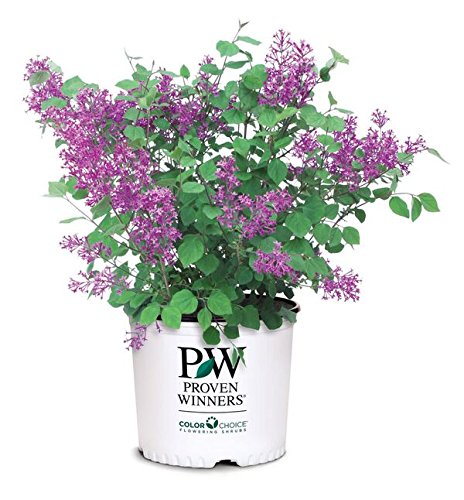
Proven Winners Bloomerang Dark Purple Lilac Shrub
The Picks, Examined More Closely
Most evergreen shrubs settle into one steady color and call it done. The Southern Living 2 Gal. Obsession Nandina Shrub breaks that pattern by pushing fresh red growth across multiple seasons, giving a foundation bed something to look at even when neighboring plants have gone quiet. Its compact, mounded shape suits both in-ground borders and larger patio containers, so you can drop it next to a front walkway without blocking the view from a window.
Compared to the taller Proven Winners Blue Chiffon covered later, this nandina stays low and tidy, which matters when you need structure rather than height. You plant it once, then enjoy foliage that shifts tone as the calendar turns, with no need to swap out annuals each spring. For anyone reworking a front-of-house planting, it pulls a lot of weight for a small footprint.
What Pays Off
- Bright new foliage emerges in red tones multiple times per year instead of fading to a single static green.
- Stays compact and mounded, so it works in containers on a patio without constant pruning.
- Evergreen in mild zones, so the bed never looks empty in winter when other perennials have gone dormant.
- Tolerates sun to part shade, letting you place it along east-facing walls or under high-canopy trees.
Points To Keep In Mind
- Watering matters early on, since the root system needs consistent moisture to establish through the first season.
- Hardiness tops out around zone 6, so northern gardeners in colder zones may see dieback during harsh winters.
Key Specs
Right Fit For
Homeowners in zones 6 through 10 who want a tidy evergreen anchor with year-round color interest and minimal pruning.
Reach For A Different Pick When
Northern gardeners below zone 6 will get more reliable bloom from the Willard & May Complete Flower Bulb Garden, which handles colder zones as a seasonal show.
When a bed feels flat through late summer, the Proven Winners Blue Chiffon Rose of Sharon Shrub steps in with a long-running show of large blue flowers on a tall, vase-shaped frame. Each bloom carries a lacy inner layer that softens the silhouette, and the shrub keeps pushing new flowers from midsummer well into early fall. You get a true anchor plant rather than a filler, which matters in a yard where shorter perennials leave the back of the border empty.
Where the Obsession Nandina stays low and tidy, this rose of Sharon wants room to grow tall and wide. That makes it a smart choice for a sunny back border, a privacy screen along a fence line, or a single specimen off a patio corner. It does drop its leaves in winter, but the structural branching still adds interest through the cold months.
Everyday Advantages
- Mature height up to 12 feet lets it anchor the back of a border or screen a fence without extras.
- Large blue blooms arrive in late summer when many shrubs have finished, extending garden color deep into the season.
- Deciduous habit lets light reach spring bulbs planted near its base, supporting layered planting plans.
- Tolerates zones 5 through 9, covering a wide band of temperate climates.
Honest Caveats
- Expect significant size at maturity, so it can overwhelm a small front yard without regular shaping.
- Owners commonly report self-seeding nearby, which adds some weeding each spring.
- Branching can look sparse in winter since the plant is fully deciduous.
Whose Shelf It Belongs On
Gardeners with room to spare in zones 5 through 9 who want a tall, late-season flowering anchor for the back of a sunny border.
Swap It Out When
Small-space gardeners will find the much shorter Southern Living Obsession Nandina easier to place near a walkway or patio edge.
Bulb gardening looks simple on paper, but matching bloom times by hand gets tedious. The Complete Flower Bulb Garden from Willard & May handles that for you by bundling 75 bulbs across gladiolus, harlequin flowers, lilies, and calla lilies so the color rolls from early July into the first fall frost. You plant once, then watch a layered show unfold over weeks rather than a single weekend of peak color.
Unlike the established shrubs above, this is a true starter kit for someone who wants a summer cut-flower bed without picking individual varieties. The mix leans into bold, vertical shapes that work well along a fence or against a blank wall. For beginners, it removes the guesswork of figuring out which bulbs bloom when.
Advantages To Know
- Mixed varieties stagger bloom windows across roughly fifty days, so the bed never sits empty mid-summer.
- Planting depth and spacing stay simple, since all included bulbs thrive in similar soil conditions.
- Vertical shapes from gladiolus and lilies add height variation without buying trellises.
Things To Consider
- Bulbs are seasonal, so you replant each spring rather than enjoying a permanent woody structure.
- Most varieties want at least six hours of sun, so shaded yards under tree canopies may struggle.
- Lifting and storing tender bulbs in cold zones adds a fall chore for repeat blooms next year.
Feature Snapshot
Made For
Beginner gardeners and busy households who want a curated summer bulb mix that handles bloom timing for them.
Skip It When
Gardeners wanting a permanent woody anchor will do better with the Proven Winners Blue Chiffon Rose of Sharon, which comes back for years.
Hydrangeas carry a reputation as showy shrubs, but starting them from seed opens the door to a mixed-color bed at a fraction of the cost of potted plants. The ZEshops 30 Pack offers blue, pink, and purple seeds so you can experiment with color without buying three separate shrubs. For gardeners who like the process as much as the payoff, that variety is the real draw.
Where the established Bloomerang Lilac reviewed later gives you mature blooms right away, this seed pack trades speed for budget and the fun of raising plants from scratch. It suits a yard with patience and a little indoor space to start seedlings. You won’t get full-size flowers the same season, but the cost-per-plant math can favor seeds for larger plantings.
Everyday Wins
- Three color options in one pack let you scatter mixed plantings across a single bed.
- Lower upfront cost than buying three mature potted shrubs for the same area.
- Works for beginners willing to start seeds indoors before transplanting.
Worth Bearing In Mind
- Hydrangea germination from seed tends to run slow and uneven, so early seedlings need steady attention.
- Color outcomes depend heavily on soil pH, and you may not get the exact shade pictured on the pack.
- First meaningful blooms usually arrive in the second or third growing season rather than year one.
Built With In Mind
Patient gardeners on a tight budget who want to raise a mixed hydrangea patch from scratch and accept a slower payoff.
Consider Something Else When
Gardeners wanting immediate impact will prefer the potted Bloomerang Dark Purple Lilac, which ships at flowering age.
Most garden flowers save their show for daytime, but the Fragrant Moonflower Bush from SVI opens large white blooms in the evening when you actually sit outside to enjoy them. The fragrance carries on warm summer nights, which makes it a smart pick for a patio corner or near a bedroom window where you catch the scent on the breeze. Twenty seeds give you enough for a small cluster without oversowing.
This one behaves differently than the other shrubs on the list. It grows as a vining or sprawling perennial in warm zones and tends to be treated as an annual in colder regions. That flexibility lets northern gardeners still get a full season of blooms without overwintering a tender plant indoors.
What Makes Sense
- Strong evening fragrance adds a sensory layer most landscape shrubs can’t match.
- Large white flowers reflect moonlight, lighting up darker corners of a yard after dusk.
- Compact seed count suits small trellises rather than committing to a massive planting.
Trade Offs
- Blooms open late in the day, so daytime visitors miss the show.
- Cold-zone gardeners typically grow it as an annual, replanting each spring.
- Germination can be uneven without scarifying or soaking the seeds first.
Perfect Match For
Gardeners with evening outdoor routines who want fragrance and white blooms near a patio, deck, or frequently opened window.
Look Elsewhere When
If you want foliage that holds structure through winter, the evergreen Obsession Nandina delivers year-round visual interest without evening-only timing.
Bare spots along a pathway or underneath taller shrubs often go ignored, but they pull more weight than people realize. Forget Me Nots from Marde Ross & Company fill those gaps with a soft blue carpet that weaves between tulip foliage and taller perennials. A 6000-seed pack covers serious ground without forcing multiple orders, so it fits larger beds and longer borders.
Compared to the established shrubs on this list, these act as the connective tissue. They tolerate both sun and partial shade, which makes them useful in spots where taller plants throw mixed light across the day. You plant once and they tend to self-seed, returning each spring with minimal effort.
What It Does Well
- High seed count covers large areas affordably compared to flats of nursery starts.
- Adaptable to sun or partial shade, fitting tricky transitional spots in mixed borders.
- Sky-blue blooms weave naturally with spring tulip foliage without competing visually.
A Few Limitations
- Blooms peak in spring and early summer, so late-season beds look quieter without pairing plants.
- Self-seeding can spread beyond intended areas in favorable conditions, requiring light editing each year.
- Low height means they’re easy to lose behind taller aggressive growers if not given their own space.
Quick Facts
Who Should Grab It
Gardeners with long borders or pathway edges who want a low-maintenance blue carpet that pairs with tulips and taller shrubs.
Where Another Pick Suits Better
For a true foliage anchor with height, the Gardening4Less 9-Pack Hosta fills shade ground with far more presence per square foot.
Shade gardens can feel like a puzzle because so many flowering plants want sun. The Gardening4Less 9-Pack Hosta Bare Root bundle leans into that challenge with nine hardy perennial roots that thrive where leaves and structures block out the light. Their broad, textured foliage adds the kind of visual weight that flowering shade plants often can’t, so a dim corner of the yard still reads as intentional.
Where the seed collections on this list trade patience for savings, bare roots give you a meaningful head start over starting from seed without the cost of mature potted plants. In your second growing season, clumps spread noticeably and reward dividing for even more coverage across the bed.
The Practical Payoff
- Nine bare-root plants fill a sizeable shade bed at a fraction of mature hosta pricing.
- Hardy across zones 3 through 8, covering cold northern climates where many perennials struggle.
- Heart-shaped foliage adds texture variety even when plants aren’t in bloom.
- Blooms appear in midsummer on tall stems, giving a brief flower show on top of steady foliage.
Possible Compromises
- Bare roots look unimpressive at arrival, so you judge success by second-season growth rather than week one.
- Soil should drain well, since waterlogged shade beds can rot crowns during wet springs.
- Slugs commonly target hosta foliage, so some monitoring helps preserve leaf quality.
Spec Overview
Who Will Love This
Northern gardeners with deep shade beds who want low-maintenance foliage coverage that comes back stronger each year.
A Better Fit Elsewhere
Gardeners wanting evening fragrance should reach for the SVI Fragrant Moonflower Bush instead, which fills a sensory gap hostas don’t address.
Traditional lilacs deliver one glorious but brief show in spring, then coast on green leaves for the rest of the year. The Bloomerang Dark Purple Lilac from Proven Winners rewrites that script by pushing a second wave of blooms later in the season, which is the kind of trait that makes a shrub worth a prime spot in the front yard. The deep purple flowers also carry the classic lilac fragrance, so you give up nothing on the sensory front.
Among the shrubs on this list, it sits at the upper end for fragrance and repeat performance. You get a mature, container-grown plant rather than seed or bare root, so the first growing season already shows what the shrub can do. For a foundation planting near an entry path or a window you walk past daily, that quick impact is hard to overstate.
Where It Delivers
- Reblooming habit stretches the lilac season well beyond the typical two-week spring window.
- Strong fragrance during both bloom cycles, useful near walkways or open windows.
- #3 container size means a substantial plant at arrival, not a thin starter.
Soft Spots
- Repeat bloom is lighter than the first flush, so the rebloom is a pleasant encore rather than a second full show.
- Needs annual shaping right after the spring bloom to keep new wood producing for the rebloom cycle.
- Flowers best in full sun, so shaded placement cuts the rebloom noticeably.
Feature Rundown
Best Suited To
Homeowners who want a front-yard specimen with classic lilac fragrance and a longer bloom window than traditional varieties.
Not Your Match When
Gardeners needing year-round evergreen structure will prefer the Southern Living Obsession Nandina, which holds foliage through winter.
Choosing Perennial Bushes That Fit Your Yard
Picking a perennial bush gets easier once you stop shopping by flower color alone and start with the conditions you already have. Hardiness zone, sun exposure, and mature size drive whether a shrub thrives or merely survives, and most disappointments trace back to one of those three factors being off. A sun-loving Bloomerang Lilac planted in shade will always look thinner than expected, while a shade-loving Hosta baked in full sun will bleach out by midsummer.
Soil and moisture matter just as much. Well-drained loam suits most of the shrubs on this list, but heavy clay pushes you toward more tolerant picks like Nandina. Watering through the first season sets the foundation, so plan for consistent moisture during establishment before scaling back.
Finally, think about what role the plant plays. A foundation anchor calls for evergreen structure, a back border wants vertical presence, and pathway edges benefit from low fillers. Matching the role to the plant cuts down on pruning battles later and lets each shrub do what it does best.
Key Considerations Across These Picks
Mistakes Worth Dodging
The most common slip is choosing a plant for its flower alone without checking mature size, which leaves you pruning constantly or relocating a struggling shrub two years later. Soil pH is another quiet trap, especially with hydrangeas, where blue and pink outcomes depend on conditions you can adjust with amendments. Finally, ignoring sun mapping during peak summer hours means a sun-loving lilac ends up in a spot that’s actually shaded by midday, and a shade hosta burns out under direct afternoon rays.
When Paying More Pays Off
Spending more on a larger container size or a mature, flowering-age plant gets you past the slow establishment years that test a gardener’s patience. Premium Proven Winners selections like the Bloomerang Lilac earn their cost with rebloom genetics that cheaper seedlings can’t match, and a #3 container often saves two seasons of waiting compared to a smaller pot. The honest read is that the upgrade pays off when you want a quick-impact specimen, while seed and bare-root options suit gardeners building larger plantings on a budget and willing to wait for results.
