

A flower bed that fades after one season feels like a wasted weekend. The right perennials solve that by coming back thicker, taller, and more colorful every year, turning a single round of planting into years of payoff. This roundup covers eight seed varieties suited to different light, soil, and climate situations, so you can match a pick to your actual yard instead of guessing at the garden center.
A Closer Look At The Lineup
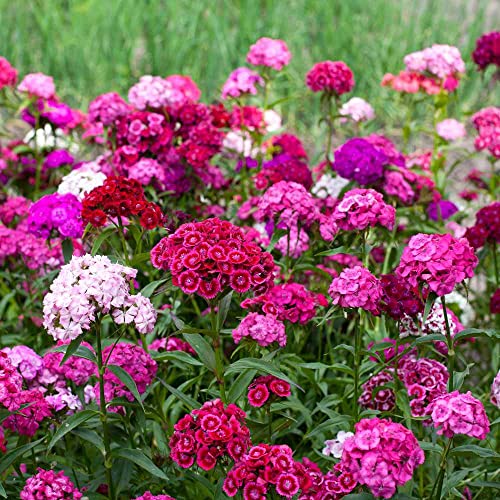
Outsidepride Sweet William Dianthus Seeds 5000 Pcs.

30pcs Blue Pink Purple Hydrangea Seeds

Purple Alyssum Seeds for Planting (Survival Garden Seeds)

Forget Me Not Seeds 6000 Perennial Ground Cover

185+ Mix Color Hosta Seeds for Planting

SVI 1000 Alaska Shasta Daisy Seeds (Leucanthemum)

100Pcs Calla Lily Seeds Mix Color Perennial

Marde Ross & Company Russell Lupine Seeds Perennial
The Strengths Of Each Pick
Sweet William has anchored cottage gardens for generations, and the Outsidepride mix keeps that old-fashioned look while adding the resilience modern gardeners expect. Each pack carries roughly 5,000 seeds, which is enough for a generous border or a sweep of color along a fence line.
The variety handles USDA hardiness zones 3 through 9 (the USDA zone system divides North America into climate bands based on average winter lows), so it tolerates both northern winters and southern summers. Clusters of fragrant, multicolored blooms feed bees and butterflies through late spring, and the cut stems hold up well in a vase.
A Strong Showing
- Generous seed count supports large plantings or naturalized drifts
- Fragrance draws pollinators into beds that otherwise feel quiet
- Wide climate range from zone 3 through zone 9
- Long-lasting cut flowers for indoor arrangements
- Returns each year once established, reducing replanting work
Honest Caveats
- Biennial tendency means strongest blooms often arrive in the second year
- Young seedlings benefit from consistent watering during dry stretches
Who It Suits Best
Beginners and cottage-garden enthusiasts planting fragrance-forward borders across a wide climate range.
Where Another Pick Suits Better
Gardeners wanting strong first-year color may prefer the SVI Alaska Shasta Daisy Seeds for faster visible results.
Hydrangeas start from cuttings far more often than seeds, which makes a true hydrangea seed packet a bit of a curiosity. The ZEshops 30-piece pack leans into that appeal, offering three color directions in one envelope for gardeners willing to experiment.
Compared to the Sweet William’s mass-sowing approach, this pick suits someone who wants fewer plants with potentially dramatic results. It works as a gift or a niche project for beds where a single shrub-style perennial can anchor a corner.
What It Does Well
- Three color directions from a single pack
- Suitable for gardeners testing hydrangea growing from seed
- Compact count suits smaller beds or container trials
Trade Offs To Consider
- Hydrangeas grown from seed germinate slowly and need patience
- Color outcomes can vary widely since hydrangea bloom color depends partly on soil pH
- Lower seed count means thin coverage for large borders
Feature Snapshot
Made For
Curious gardeners who want to experiment with hydrangeas from seed and don’t mind a slower payoff.
Not Your Match When
You want a dense sweep of color across a wide bed; the SVI Alaska Shasta Daisy Seeds deliver fuller coverage from a single pack.
Sweet alyssum behaves more like a flowering carpet than a tall border plant, and that’s exactly its charm. The Survival Garden Seeds Royal Carpet variety hugs the soil, fills gaps between stepping stones, and softens the edges of a raised bed.
Where the Sweet William rises upward, this pick spreads outward, making it a useful partner plant in layered beds. The honey-like fragrance pulls in hoverflies and bees that work alongside the taller bloomers.
A Few Highlights
- Low-growing habit fills bare soil quickly
- Fragrance attracts beneficial pollinators into the bed
- Useful as living mulch around taller perennials
Small Caveats
- Frost-sensitive in northern zones despite perennial labeling
- Needs light to germinate, so avoid burying seeds too deeply
Right Fit For
Gardeners building layered beds who want a fragrant, low-growing partner to taller perennials.
Skip It When
Your bed sits in a deep, dry shade pocket; the Mix Color Hosta Seeds handle that environment more reliably.
Forget Me Nots fill a niche the bigger perennials often miss: the awkward space between spring bulbs. Marde Ross & Company packs around 6,000 seeds, enough to thread color through a tulip bed without emptying the budget.
Plants top out between six and twelve inches, producing clusters of quarter-inch blue flowers with sunny yellow centers. They handle both sun and shade, making them a flexible pick for the unpredictable light conditions of a mixed border.
Notable Upsides
- Bulk seed count covers large bulb beds economically
- Tolerates both sun and partial shade
- Blooms alongside tulips and other spring bulbs
Things To Consider
- Self-seeds readily and can spread beyond intended beds
- Relatively short bloom window compared to taller perennials
Best Suited To
Gardeners with established bulb beds who want a soft blue underplanting each spring.
Look Elsewhere When
You need tall, structural height for the back of a border; the Russell Lupine Seeds deliver that vertical reach instead.
Most perennials on this list chase sunlight. Hostas do the opposite, thriving in the shaded corners of a yard where grass often fails. The mix offers blue, purple, and white leaf tones for gardeners tired of plain green.
Compared to the Forget Me Not’s spring-heavy bloom, hostas work more like foliage architecture, giving shape and texture through the entire growing season. Seed-grown hostas take patience but cost far less than potted divisions.
A Few Strong Suits
- Thrives in shaded beds where other perennials struggle
- Leaf color variety adds texture beyond typical greens
- Hardy in USDA zones 3 through 9
A Few Limitations
- Seed-grown hostas take longer to reach mature size than nursery plants
- Slug pressure can be high in damp, shaded beds
Feature Rundown
Perfect Match For
Gardeners fighting shady corners under trees or along north-facing walls where flowers rarely thrive.
Swap It Out When
Your bed sits in full sun with rich soil; the SVI Alaska Shasta Daisy Seeds will reward that exposure more reliably.
Shasta Daisies are the white-petal, yellow-center workhorses of the perennial border, and SVI’s Alaska variety leans into that traditional look. Plants reach 24 to 36 inches tall and form upright, shrubby clumps that return in zones 4 through 9.
Where the Sweet William mix leans fragrant and mixed-color, the Shasta Daisy offers clean, predictable blooms that anchor a bed visually. The 1,000-seed count is enough for a solid drift without overwhelming a small yard.
Features That Help
- Predictable white-and-yellow blooms suit formal borders
- Heirloom variety with a long track record in home gardens
- Mid-sized height works in middle-of-border positions
- Strong stems hold up well in cut arrangements
Points To Note
- May need staking in windy, exposed beds
- Bloom period is concentrated in mid to late summer
Who Will Love This
First-time perennial gardeners who want a forgiving, classic variety with clear results in the first season.
Consider Something Else When
You crave fragrance as the headline feature; the Outsidepride Sweet William mix leads with scent instead.
Calla Lilies carry an elegant, sculptural quality that few seed-grown perennials match. The Seeds Of Strength mix offers 100 seeds across multiple colors, giving gardeners a chance to grow their own starting stock instead of buying pricey bulbs.
Compared to the in-ground perennials on this list, callas do well in containers and patio beds where you can control soil moisture. The trade-off is a longer path from seed to flower.
Key Advantages
- Mixed-color pack lets you sample several calla tones
- Container-friendly for patios and small spaces
- Cut flowers popular for bridal and indoor arrangements
Practical Considerations
- Seeds benefit from a 12 to 24-hour pre-soak before sowing
- Germination can be uneven and slower than typical perennials
Made For
Patient gardeners and container growers who want elegant, long-stemmed blooms for cut arrangements.
Reach For A Different Pick When
You want quick, dense coverage for a large border; the Forget Me Not seeds establish faster across wide areas.
Russell Lupines solve the perennial bed’s biggest gap: vertical drama. Marde Ross & Company has been a California nursery since 1985, and their lupine seeds reach 36 to 48 inches tall, with pea-like flower spikes in purple, pink, and blue.
Where the hosta mix stays low and the Forget Me Nots hug the soil, lupines punch upward. They suit fall sowing, germinate in 14 to 30 days in well-drained soil, and thrive in zones 3 through 9.
The Case For It
- Adds dramatic back-of-border height other perennials rarely offer
- Fall or early spring sowing extends the planting window
- Color mix of purple, pink, and blue in a single pack
- Tolerates both sun and part shade
Potential Drawbacks
- Seeds have a hard coat that benefits from pre-soaking or scarification
- Taller spikes may need staking in windy, exposed sites
Quick Facts
Built With In Mind
Gardeners designing layered borders who need tall focal spikes behind mid-sized bloomers like Shasta Daisies.
Where A Sibling Pick Shines
For shade-heavy beds, the Mix Color Hosta Seeds deliver dependable foliage where lupines would struggle to thrive.
Matching Perennials To Your Bed Conditions
Start with honest light assessment before picking seeds. Full sun means six or more hours of direct light, while shade describes beds that get less than three hours. Match the plant to the spot, not the other way around: hostas and Forget Me Nots tolerate shade, while lupines and Shasta Daisies want sun to reach their full height.
Climate hardiness matters just as much. USDA zones (a numbered system dividing regions by average annual minimum temperature) tell you whether a perennial will survive your winters. Most picks here handle zones 3 through 9, but alyssum acts more like an annual in cold zones, so plan accordingly.
Bloom timing and height create the visual rhythm of a bed. Layer low growers like alyssum, mid-height picks like Sweet William or Shasta Daisy, and tall anchors like lupines for a border that reads from front to back. Mixing bloom seasons (spring bulbs plus Forget Me Nots, then summer daisies and lupines) keeps the bed interesting from April through August.
Seed count versus patience matters too. Bulk packets like Forget Me Not’s 6,000 seeds cover wide ground quickly, while niche picks like the 30-piece hydrangea pack reward gardeners who enjoy small-scale experiments more than full sweeps.
Key Considerations Across These Picks
Common Shopping Slip Ups
Buying seeds based on the packet photo alone is one of the easier ways to end up with a bed that fizzles. Always cross-check the listed USDA hardiness zone against your region, since a perennial that thrives in zone 7 may not survive a zone 4 winter. Forgetting to factor in mature height creates crowding later, so sketch a rough layout before you sow.
Where The Extra Money Goes
Higher-tier perennial seed packets often include larger counts, fresher seed stock stored in temperature-controlled conditions, and broader climate adaptability. The trade-off for cheaper packets is sometimes older seed with weaker germination rates, so paying a little more for established brands like Marde Ross & Company or SVI can mean fewer gaps in the bed come spring. Specialty picks like the hydrangea seed pack cost more per seed because they target gardeners willing to invest time in slower-growing, unusual varieties.
Frequently Asked Questions
When should perennial seeds be started for the best results?
Most perennial seeds on this list do well with fall sowing or early spring starts once frost danger passes. Calla Lily seeds need an indoor head start because they germinate slowly.
How long until perennials actually flower?
Expect most perennials to focus on root and foliage growth in the first year, then deliver stronger blooms in year two. Sweet William often shows its best flowers in the second season.
Can these seeds grow in containers?
Yes, especially the Calla Lily mix and shorter varieties like alyssum. Larger hostas and lupines need bigger pots to support mature root systems.
Do perennial seeds need cold stratification?
Some do, including lupines and certain wildflower mixes. Cold stratification means exposing seeds to a sustained cold period, often weeks in a refrigerator, before sowing.
What is the easiest perennial for beginners?
Shasta Daisies are widely considered a forgiving first perennial thanks to reliable germination and clear, predictable blooms in the first season.
The Takeaway
A flower bed built on perennials pays off for years, but only when the picks match your light, climate, and patience level. Mix heights and bloom seasons for a border that stays interesting, and don’t be afraid to combine a fragrant Sweet William drift with structural lupines and shade-friendly hostas. Start small, learn what your soil and sun actually offer, and let the bed grow with you.
