

Georgia summers run hot, humid, and long, and the wrong plant simply melts by August. The right perennial, though, comes back every spring stronger, shrugs off July scorch, and turns a full-sun bed into a reliable showpiece. This shortlist focuses on plants that genuinely handle Piedmont and Coastal Plain heat, from live succulents to drought-loving wildflower seeds.
How The Shortlist Stacks Up

Perennial Farm Marketplace Delosperma cooperi (Ice Plant) Quart Pot

PLANTMEW Wildflower Seeds Bulk Mix (10,000+ Seeds)

Marde Ross & Company Russell Lupine Seeds (100 Mixed Seeds)

Marde Ross Purple Blazing Star (5 Fresh Liatris Corms)

Sow Right Seeds Blanket Flower Seed for Planting
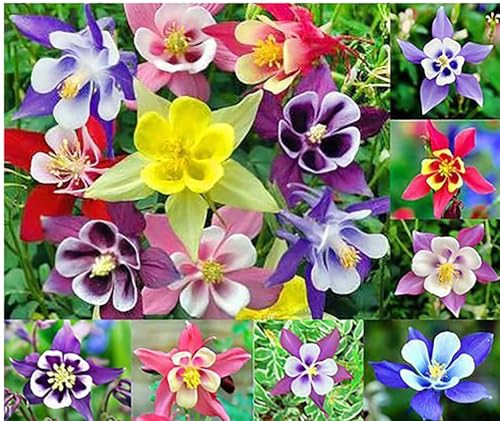
Marde Ross & Company McKana Giant Hybrid Columbine Seeds

The Three Company Heuchera Coral Bells Shades of Purple (2 Qt Pot)

EquSym 600 Lantana Flower Seeds (Drought-Tolerant Perennial)
More On The Choices That Made The List
Delosperma cooperi is a succulent-leaved ice plant that treats Georgia heat like an old friend. The rosettes of fleshy, needle-shaped foliage spill across the soil while daisy-shaped rosy pink blooms appear from late spring through early fall, depending on how much sun the bed actually receives.
You receive a live quart-sized plant already rooted and established, ready to drop into a stone wall, raised bed, or gravel planter. Once settled, it asks for very little beyond sharp drainage and a sunny exposure, which makes it a smart pick for anyone tired of watering daily through July.
Why It Works Well
- Tolerates drought once established, freeing you from daily watering during Georgia heat waves.
- Trailing succulent foliage fills in fast and covers bare soil between stepping stones.
- Daisy-like pink flowers keep arriving across the warm season in a full-sun bed.
- Hardy in zones 5 through 9, so most Georgia counties sit comfortably inside its range.
Things To Consider
- Owners commonly report that heavy, poorly drained clay causes winter rot in low spots.
- Foliage is delicate and can scorch in reflected heat from west-facing concrete walls.
Feature Snapshot
Whose Garden It Belongs On
Rock garden builders, container gardeners, and anyone replacing thirsty lawn with low-water color in full sun.
Where Another Pick Suits Better
Gardeners wanting tall vertical drama should reach for the Marde Ross Russell Lupine Seeds instead, since ice plant hugs the ground.
This PLANTMEW bulk packet blends roughly two dozen wildflower varieties, mixing perennials and annuals for first-year color plus a base of returning plants. Cosmos sits alongside regional natives aimed at hummingbird and butterfly traffic, and the packet weighs about 30 grams.
For a new Georgia bed, the throw-and-grow format removes the usual seed-starting chore. Rake the area, scatter the seed, press it down, and let seasonal rain handle most of the work. You may find germination uneven in pure sand, but most established home lawns respond well with light watering for the first two weeks.
Useful Strengths
- Over 10,000 seeds in a single packet cover a generous slice of bed or border.
- Mixed perennials and annuals deliver fast color and dependable regrowth next spring.
- Designed to draw hummingbirds, bees, and butterflies into a sun-baked yard.
- Throw-and-grow format skips stratification and indoor seed starting entirely.
Worth Noting
- Varieties are tuned for Texas, California, and Florida climates, so depending on your zone, some species may behave as annuals.
- Seed mixes can produce uneven coverage without careful surface preparation and gentle watering during germination.
Perfect Match For
First-time gardeners converting a sunny patch of lawn into a casual pollinator meadow with minimal fuss.
A Better Fit Elsewhere
For a tidier, more curated border, the Sow Right Seeds Blanket Flower packet delivers a single, controlled species instead of a mixed riot.
Russell lupines bring the kind of vertical drama that flat ground covers like the ice plant above simply cannot match. Spikes reach 36 to 48 inches, lined with pea-like blooms in soft purple, pink, and blue, with germination typically arriving in 14 to 30 days under good conditions.
Sow outdoors in fall or early spring in well-drained soil and full sun, then let winter chill do its work. Hardy across zones 3 to 9, this is a packet of roughly 100 untreated seeds from a California nursery that’s been in business since 1985, so the supply chain is familiar with American climates.
Where It Excels
- Spires rise 36 to 48 inches, anchoring the back of any sunny border with strong vertical interest.
- Cold-stratified sowing means fall planting works just as well as spring for Georgia schedules.
- Hardy across zones 3 to 9, comfortably covering Atlanta, Macon, and Savannah winters.
- Untreated seed from an established U.S. nursery supports consistent germination.
Points To Keep In Mind
- Lupines dislike heavy, wet clay, so amending beds may be necessary in coastal Georgia.
- Staking may be needed in open, windy beds once the tall spikes mature.
Best Suited To
Gardeners layering height into a cottage border or wildflower meadow who want a real architectural focal point.
Skip It When
You have tight clay soil and no time to amend, since the PLANTMEW Wildflower Mix handles poor ground more forgivingly.
Liatris spicata sends up fuzzy purple bloom spikes from grass-like foliage, reaching roughly 40 inches at maturity. Unlike the Russell lupines above, this plant grows from a corm (a bulb-like storage organ that stores energy underground), which means faster, more predictable establishment than seed.
Five large corms arrive ready to plant in well-drained soil and full sun, and they double as a pollinator anchor and a long-lived cut flower. The vertical habit complements shorter growers like blanket flower or lantana in mixed borders.
What Helps Most
- Velvety purple spikes bloom from top down, an unusual trait that adds visual rhythm.
- Corms establish quickly compared to seed-grown perennials in the same category.
- Native status supports bees, butterflies, and even native bumblebees through summer.
- Double duty as a fresh-cut flower for arrangements, since the stems hold up well in water.
Honest Caveats
- Corms can rot in saturated soil during extended wet winters in lower Georgia.
- Five corms is a modest starter count for a large border, so you may want to scale up.
Made For
Wildlife-focused gardeners building a layered sunny bed with strong vertical interest and steady pollinator traffic.
Reach For A Different Pick When
If instant ground coverage matters more than spires, the Perennial Farm Marketplace Delosperma quart fills in faster than a handful of corms.
Gaillardia aristata, also called blanket flower, is a classic Georgia workhorse that thrives where other perennials sulk. Red petals tipped in yellow form daisy-like blooms above silvery, drought-tolerant foliage, and the plant draws native pollinators through the long summer stretch.
Each packet contains a minimum of 600 mg of seed, roughly 260 seeds, with germination expected in 14 to 21 days at soil temperatures between 70 and 75°F. Plant shallow at about an eighth of an inch deep and space 12 to 18 inches apart in an open, sunny bed.
Key Advantages
- Heat and drought tolerance keeps color rolling through the hottest Georgia weeks.
- Red-and-yellow blooms act as a natural magnet for bees and butterflies in open beds.
- Long bloom window from late spring well into fall keeps garden displays active.
- Cuts well for indoor arrangements, doubling as a backyard cut-flower source.
Points To Note
- Blanket flower prefers sandy or loamy soil and may struggle in dense, soggy clay.
- Seed heads left standing can reseed aggressively, which is a perk or a problem depending on your plan.
Who Should Grab It
Homeowners who want a no-drama native perennial that delivers color in the hottest, driest corner of the yard.
Swap It Out When
You’d rather have a single dramatic accent plant, in which case the Marde Ross Purple Blazing Star corms offer stronger vertical structure.
The McKana Giant Hybrid mix brings old-fashioned columbine charm to partly shaded Georgia beds. Plants reach about 32 inches tall, with nodding, spurred flowers in mixed colors that bridge the gap between spring bulbs and summer perennials.
Hardy across zones 3 to 9, this packet of about 600 non-GMO seeds (non-genetically modified) suits woodland edges and dappled borders, though it tolerates sun in cooler parts of north Georgia. Unlike the drought-obsessed blanket flower above, columbine prefers steady moisture and afternoon shade in the lower half of the state.
Reasons It Performs
- Tall 32-inch stems carry oversized, spurred blooms above most spring foliage.
- Wide zone range, from 3 to 9, fits virtually every part of Georgia.
- Non-GMO and neonicotinoid-free seeds (free of a class of systemic insecticides harmful to bees) support pollinator-friendly gardens.
- Reliable cottage-garden classic that bridges the spring bulb season.
A Few Limitations
- Heavy afternoon sun in south Georgia can scorch foliage without partial shade.
- Leaf miner damage (small insects that tunnel inside leaves, leaving white trails) is a common cosmetic issue on columbine in humid summers.
The Right Fit
Gardeners wanting spring color in partly shaded beds, woodland borders, or north-facing foundation plantings.
Not Your Match When
You have a wide-open, all-day sun bed, since the EquSym Lantana seeds handle that environment more reliably.
Heuchera, also called coral bells, is grown primarily for its foliage, and the Shades of Purple mix delivers deep purple and maroon leaves that anchor a shade border all year. This live plant ships in a 2-quart pot, already established, with an expected mature size of 18 to 24 inches tall and 12 to 18 inches wide.
Unlike the seed-grown columbine just above, you get an instant mound of color the day you plant it. In Georgia, coral bells prefer morning sun and afternoon shade, especially across the hotter southern counties where midday rays will crisp leaf edges.
Everyday Perks
- Foliage in deep purple and maroon adds multi-season interest beyond bloom.
- Compact mounded form fits neatly along paths and at the front of borders.
- Live quart pot skips the seed-starting wait entirely.
- Evergreen tendencies in mild Georgia winters keep beds from going bare.
Less Ideal Details
- Prefers partial shade; full afternoon sun in coastal Georgia can scorch the leaf edges.
- Crown rot in poorly drained beds is a commonly reported issue after heavy summer storms.
Built With In Mind
Shade gardeners wanting an instant mound of deep purple foliage along a north-facing foundation or woodland path.
Look Elsewhere When
Your bed sits in full sun all day, since the Sow Right Seeds Blanket Flower packet thrives in that setting instead.
Lantana is one of the most forgiving sun perennials you can plant in Georgia, and this 600-seed packet gives you enough for a serious bed or a long border. The plants push out multi-color clusters from late spring through the first frost, all while asking for very little in return.
Drought tolerance, easy-to-grow reputation, and a long bloom window make lantana a natural partner to the blanket flower above. Where blanket flower burns out in the hottest corners, lantana often keeps blooming, and both draw in butterflies and hummingbirds at the same time.
What Pays Off
- Long bloom window, often from late spring through first frost in Georgia.
- Drought tolerance keeps plants lively through August dry spells with minimal watering.
- Multi-color flower clusters draw in butterflies and hummingbirds all season.
- Generous seed count suits large beds, big containers, or shared-space landscaping.
Potential Compromises
- Slow start from seed means you’ll see fewer blooms the first year than the live ice plant offers immediately.
- Lantana can self-sow freely, which may be unwanted in tidy border designs.
Who Will Love This
Gardeners in lower or coastal Georgia wanting months of pollinator-friendly color in full, blazing sun.
Another Choice May Suit
For an instant splash without the wait, the Perennial Farm Marketplace Delosperma quart gives you a blooming plant on day one.
What Matters Most Before Choosing Perennials For Georgia Full Sun
Match The Plant To Your Soil
Georgia spans clay-heavy Piedmont, sandy Coastal Plain, and well-drained mountain loam, and perennials react to each very differently. Ice plant, lantana, and blanket flower all want sharp drainage, while columbine and lupine tolerate richer, moisture-holding ground better. Before choosing, dig a small test hole and watch how fast water disappears after a soak.
Think About Sun And Heat Separately
Full sun means at least six hours of direct light, but Georgia adds intense humidity and reflected heat off driveways and patios. Plants marketed for “full sun” in milder climates sometimes struggle in a south-facing bed beside brick. Lantana and blanket flower stand up to this stress; coral bells and columbine need partial shade to thrive.
Decide Between Instant And Patient
Live quart pots from listings like the Delosperma and Heuchera give you a finished look the day you plant. Seed packets cost less per plant but ask for a season or two of patience before the bed really fills in. A combined approach, using live plants for anchor spots and seeds for sweeps, often delivers the best result.
Pick For Pollinators And Wildlife
If bees, butterflies, and hummingbirds matter to you, lean toward native or near-native options like liatris and lantana. The McKana columbine and Russell lupine add pollen value with showier flowers, though they may not match true natives in cold-season support. A bed that mixes both groups tends to keep activity high from spring through fall.
Key Considerations Across These Picks
Common Buying Mistakes
The biggest misstep is shopping by bloom photo alone. A packet might show a stunning cosmos, yet cosmos behaves as an annual in much of Georgia, leaving you with a bare spot the following spring. Read the species list and confirm each plant is genuinely perennial in your zone before scattering seed. The second pitfall is ignoring mature size, since ice plant stays low while lupines and liatris tower past four feet, and crowding them together creates constant competition.
What The Higher Tier Buys
Live quart and 2-quart plants cost more per item than seed packets, but you skip germination losses, enjoy immediate foliage, and often see first-year blooms. For a brand-new bed with no existing perennials, one or two live anchor plants paired with bulk seed can outperform an all-seed start. The upgrade pays off most when you want a focal point in year one, rather than a uniform meadow that matures slowly.
