

Illinois gardens deal with wet springs, humid summers, and winters that swing from mild to bitter. Choosing perennials that survive USDA hardiness zones 5 and 6 means thinking about cold tolerance, root rot in heavy clay, and bloom performance during July’s heat. Gardeners here want plants that come back without constant fussing, which is why natives and tough hybrids tend to dominate well-planted beds. Below are seven well-matched perennial picks, ranging from quick-growing seed packets to established potted plants and a reference guide for deeper planning.
The Main Contenders
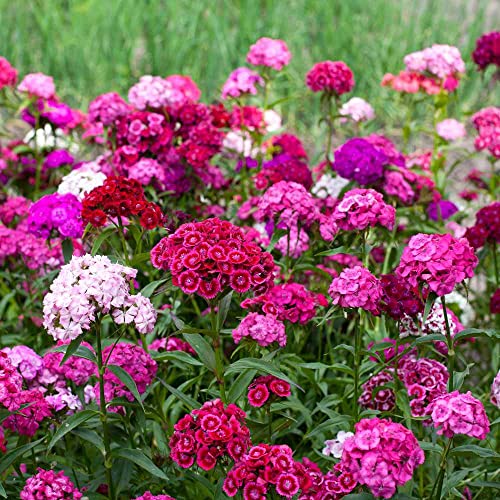
Outsidepride Sweet William Dianthus Seeds 5000 Pcs.

Marde Ross & Company Russell Lupine Seeds Perennial
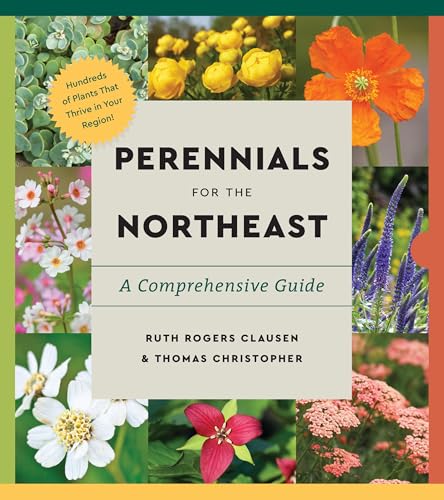
Perennials for the Northeast: A Comprehensive Guide

Coreopsis verticillata ‘Moonbeam’ (Tickseed) Perennial

3 Live False Indigo Plants (Baptisia)

Pollinator Garden Live Plant Collection – 8 Perennials

10 Gladiolus Bulbs, Mixed Colors
Meet The Standout Selections
Sweet William (Dianthus barbatus) is a cottage-garden classic that pulls double duty as a cut flower and a pollinator magnet. For Illinois gardeners, the appeal is straightforward: this plant survives winters across a wide range, adapts to cooler and warmer regions, and handles the kind of dry stretches that show up in late summer. The 5,000-seed count gives you plenty of room to experiment with mass plantings, and the fragrance gives beds a sensory layer most foliage-only perennials can’t match.
Compared to the live plugs elsewhere in this list, seed packets reward patience. You’ll wait a season for full bloom, and germination rates vary with soil temperature and moisture. For most flower gardeners, though, that trade-off comes with a payoff: enough plants to fill a generous patch without the per-unit cost of established specimens.
What It Does Well
- Hardy across USDA zones 3 through 9, well matched to Illinois winters
- Large seed count supports mass plantings and naturalized drifts
- Fragrant blooms attract bees, butterflies, and hummingbirds
- Doubles as a cut flower for indoor arrangements
Worth Noting
- Seeds need fall or early-spring sowing and steady moisture to germinate reliably
- First-year blooms can be modest, with stronger color in year two
Made For
Patient gardeners who want a fragrant, pollinator-friendly display and don’t mind investing a season of establishment.
Consider Something Else When
If you need visible color the first summer, the Bellawood Pollinator Garden Live Plant Collection gives you mature-looking growth right out of the shipping box.
Russell lupines are the showboats of the early-summer border, sending up 36 to 48-inch flower spikes studded with pea-like blossoms. The color range, mixing purples, pinks, and blues, gives the kind of vertical lift that flat-petaled daisies can’t. Marde Ross & Company stores its seeds under temperature-controlled refrigeration, which supports germination consistency, a small but meaningful detail for anyone who’s had a packet fail before.
Sow these in fall or early spring in well-drained soil, and you can expect sprouts in two to four weeks. Hardy in zones 3 through 9, lupines handle Illinois winters once established. The honest read is that lupines prefer slightly acidic, less clay-heavy ground, so amending dense beds pays off here.
Where It Excels
- Provides dramatic vertical interest at 36 to 48 inches tall
- Cold-stored seeds support stronger germination reliability
- Adapted to zones 3 to 9, covering nearly all of Illinois
Trade Offs
- Deep taproots make transplanting mature plants difficult, so site selection matters
- Heavy clay soil may need amending for best performance
Key Product Details
Best Suited To
Cottage-garden and meadow-edge gardeners who want a tall, pollinator-friendly focal point in early summer.
Skip It When
Heavy-clay sites without amendment plans make the Coreopsis verticillata ‘Moonbeam’ a friendlier choice for tough soil.
Some gardeners shop for plants, others shop for knowledge first. Ruth Rogers Clausen’s guide leans into the latter, laying out perennial selection for climates that overlap meaningfully with northern and central Illinois. The Kindle format makes it easy to keep on a phone during nursery trips, and the home-and-garden focus keeps advice practical rather than academic.
Compared to the seed packets earlier in this list, a reference book trades immediate gratification for long-term planning clarity. Newcomers to perennial design get the biggest lift, while seasoned gardeners may pick up a few regional insights they hadn’t considered.
Everyday Perks
- Covers a region with climate overlap to Illinois zones 5 and 6
- Kindle delivery works across common e-readers and phones
- Good foundation for designing mixed perennial beds
Points To Note
- Focused on the Northeast, so southern Illinois heat may need separate research
- Digital format lacks the quick visual scan of a print photo guide
Whose Shelf It Belongs On
Beginner and intermediate gardeners who want a regional reference before committing to specific plant purchases.
Look Elsewhere When
Gardeners who want instant visual results will get more from the Coreopsis verticillata ‘Moonbeam’ live plant than from another planning resource.
‘Moonbeam’ tickseed is one of those plants that earns its reputation slowly. Pale yellow daisy-style flowers float above threadleaf foliage from early July well into fall, and the plant keeps producing buds even after spent blooms are removed. Delivered in a #1 size container, fully rooted and ready to plant, it skips the slow germination window that seed growers have to plan around.
The mature footprint of 12 to 18 inches tall and 24 to 30 inches wide makes it a natural fit for front-of-border placement, where it can sprawl without smothering shorter neighbors. Hardy in zones 3 through 8, it handles Illinois winters with reliable establishment in average garden soil.
Strengths Worth Knowing
- Long bloom window from early summer through fall
- Compact size suits front-of-border or small-bed plantings
- Arrives rooted and ready to plant in a standard #1 container
- Threadleaf foliage adds texture even when out of bloom
Points To Keep In Mind
- May need staking or pinching in richer soils to stay tidy
- Single-container size means fewer plants than a seed packet provides
Quick Facts
Who Will Love This
Sunny-border gardeners who want months of soft yellow color without replanting annuals every spring.
Swap It Out When
Those planning a tall meadow display will get more visual impact from the Marde Ross & Company Russell Lupine Seeds.
Baptisia, often called false indigo, sends up lupine-like purple flower spikes in late spring, then settles into a shrub-sized mound of blue-green foliage for the rest of the season. Three live plants give you a meaningful drift without the gamble of seed packets. They ship dormant, which sounds intimidating but is actually how bareroot perennials arrive healthiest.
The deep taproot is the real story here. Once Baptisia settles in, it tolerates dry stretches far better than most flowering perennials, making it a low-water anchor for the back of a border. Mature plants get large, so give them space the first year rather than cramming them in.
Notable Gains
- Develops a deep taproot that supports drought tolerance after establishment
- Three-plant pack gives a visible mass on arrival
- Pollinator-friendly blooms attract bees and butterflies
- Lives for many years once mature
Factors To Consider
- Ships dormant, so expect quiet top growth until soil warms
- Established plants dislike being moved, so pick the spot carefully
Right Fit For
Gardeners planning a permanent backbone planting who want structure, drought resilience, and late-spring color in one plant.
Another Choice May Suit
First-year gardeners who want quick, visible flowers should consider the Outsidepride Sweet William Dianthus Seeds instead.
Bellawood’s eight-plant collection skips the seed-stage waiting room entirely. You get live perennial plugs of butterfly weed, swamp milkweed, purple coneflower, and black-eyed Susan, four species that form the backbone of any Midwest pollinator garden. Purple coneflower (Echinacea purpurea) and black-eyed Susan (Rudbeckia fulgida) cover the late-summer color, while the milkweeds host monarch caterpillars.
These are natives, and natives handle Illinois clay and weather swings with the kind of grit that hybrid ornamentals sometimes lack. Plant size can look modest early in the season, but healthy root systems push growth fast once soil temperatures rise.
What Earns Its Place
- Combines four high-value native species in one pack
- Live plugs establish faster than seed-sown natives
- Attracts monarch butterflies, bees, and hummingbirds
- Returns year after year as drought-tolerant perennials
Where It May Fall Short
- Plug size looks small on arrival, so patience matters in the first weeks
- Mixed species need careful spacing to avoid overcrowding at maturity
Feature Overview
Perfect Match For
Wildlife-focused gardeners who want monarch hosts and pollinator nectar sources in a single, ready-to-plant order.
A Better Fit Elsewhere
Designers building a soft pastel border may prefer the pale yellow blooms of Coreopsis verticillata ‘Moonbeam’ for color coordination.
Gladiolus, often called sword lily for its blade-like leaves and tall flower spikes, brings height and drama that most border perennials can’t match. Ten mixed-color bulbs give a varied palette in a single planting, with mature stalks reaching around 48 inches. The plants thrive in garden beds or large containers, which makes them a flexible pick for renters and small-space gardeners.
Plant bulbs 1 to 2 inches deep after the last frost, and expect flowers by mid to late summer. In colder parts of Illinois, gardeners often dig and store corms over winter, since hardiness varies by cultivar. That’s the trade-off for those tall, jaw-dropping cut-flower spikes.
A Strong Showing
- Mixed-color pack delivers variety in one order
- Tall 48-inch spikes work well for cut-flower arrangements
- Perennial in zones suited to the bulbs, or easily stored over winter
Some Limits To Know
- Bulbs may need lifting and indoor storage in colder Illinois zones
- Staking helps in windy spots due to height
Who Should Grab It
Cutting-garden enthusiasts and container gardeners who want dramatic vertical flowers for indoor arrangements.
Reach For A Different Pick When
Gardeners who want lower-maintenance, no-dig-overwintering perennials will appreciate the Coreopsis verticillata ‘Moonbeam’ instead.
What Matters When Choosing Perennials For Illinois
Hardiness Zone And Microclimate
Illinois spans roughly zones 5a through 7a, with colder pockets in the northwest and warmer corners near Carbondale. Matching a plant’s USDA zone range to your specific zip code avoids the disappointment of losing a favorite after a hard winter. Pay attention to microclimates too: a south-facing wall adds heat, while a low-lying frost pocket steals it.
Sun, Soil, And Drainage
Most flowering perennials want at least six hours of direct sun. Soil type matters just as much, especially the heavy clay common across northern Illinois. Amending with compost improves drainage, and raised beds help borderline plants survive wet springs. Dry-shade tolerant species are rare, so honest site assessment prevents wasted plantings.
Bloom Timing And Layered Interest
A perennial bed that peaks in June and goes quiet by August feels underwhelming. Layer early bloomers (like sweet William), mid-season stars (such as coreopsis), and late performers (including purple coneflower and black-eyed Susan) for continuous color. Foliage texture carries the bed between bloom cycles.
Native Versus Ornamental Choices
Native plants support local pollinators and tend to need less water once established. Ornamental hybrids offer longer bloom windows and unusual colors, but may require more care. For most Illinois gardeners, a mix of both delivers biodiversity without sacrificing visual impact.
Key Considerations Across These Picks
Pitfalls Shoppers Hit
Planting perennials in the wrong spot is the most common mistake. Putting sun-loving coreopsis in shade, or moisture-loving swamp milkweed in dry soil, sets plants up to struggle. Skipping soil prep, especially in clay-heavy Illinois gardens, leads to rot and slow establishment. Match each plant to its preferred conditions and amend the bed before planting.
Where The Extra Money Goes
Higher-tier picks in this category often mean established, mature plants rather than seed packets or small plugs. The tradeoff shows up in the first season: live plants and bareroot specimens deliver visible growth, while seeds demand a year of patience. Spending up front on established perennials makes sense for gardeners who want immediate impact and are willing to pay per plant for it.
Frequently Asked Questions
When Should You Plant Perennials In Illinois?
Spring (after the last frost) and early fall are the two best windows. Fall planting lets roots establish before winter, while spring planting gives the longest growing season ahead. Avoid planting in mid-summer heat, which stresses new roots.
Do These Plants Survive Illinois Winters?
The picks listed cover USDA zones 3 through 9, comfortably covering nearly all of Illinois. Gladiolus corms may need lifting in colder zones, while Baptisia and coreopsis overwinter reliably in-ground. Mulching the first winter helps borderline plants settle in.
Are Native Perennials Better For Pollinators?
Native species like purple coneflower, swamp milkweed, and butterfly weed evolved alongside local pollinators and often host specialist insects. Ornamental perennials still provide nectar, but natives tend to support a wider range of native bees and butterflies.
How Long Until Perennials Reach Full Size?
Most perennials take two to three seasons to reach mature size. Live plugs and container plants give a head start compared to seeds, but expect modest growth in year one and fuller display by year two or three.
Can These Be Grown In Containers?
Several picks, including gladiolus bulbs and coreopsis in larger pots, adapt well to container culture. Native perennials with deep taproots, like Baptisia, prefer in-ground planting where roots can stretch freely.
Closing Thoughts
Illinois rewards gardeners who match plants to local conditions rather than chasing every pretty catalog photo. Start with one or two species from this list, see how they handle your soil and sun, and expand from there. A well-chosen perennial settles in deeper each year, and a decade from now you’ll be glad you planted something suited to the climate.
