

Ohio gardens take a beating. Lake-effect snow, humid summers, clay-heavy soil, and the occasional late-spring frost can turn a tender perennial into a one-season wonder. Picking plants that handle USDA zones 5 and 6 reliably saves you the cost and heartbreak of replacing things every spring.
This roundup pulls together eight perennial options (mostly seeds and a few root starts) that hold up in Midwestern conditions, from shaded side yards to wide-open meadow strips. Each pick fits a different layout, skill level, and pollinator goal, so you can match the plant to the spot instead of forcing the spot to fit the plant.
A Side-By-Side Look
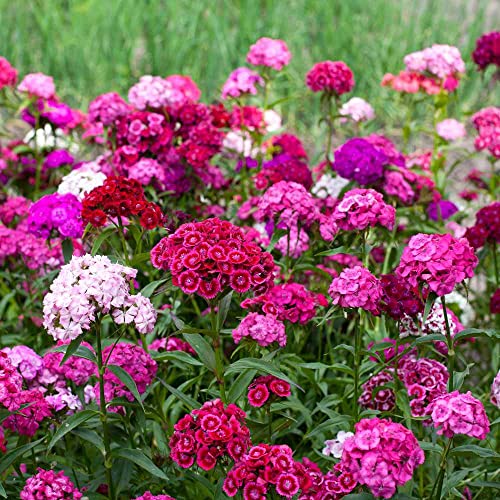
Outsidepride Sweet William Dianthus Seeds 5000 Pcs.

Family Sown Perennial Species Mix 5g Envelope

Mixed Color Hosta Seeds for Planting 185+

Outsidepride Blue Flax Seeds 5000 Pcs Perennial

Marde Ross & Company Russell Lupine Seeds Perennial 100 Mixed
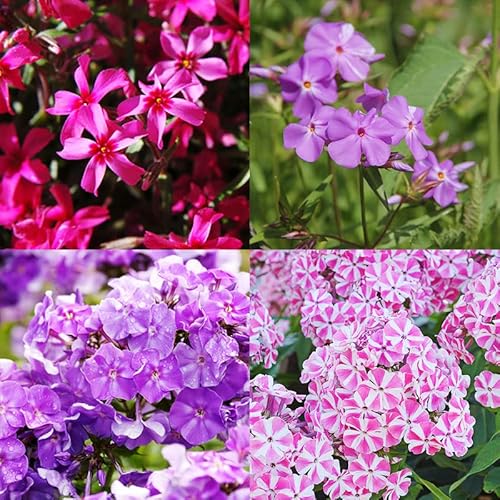
Willard & May Tall Phlox Mix Value Bag 6 Roots
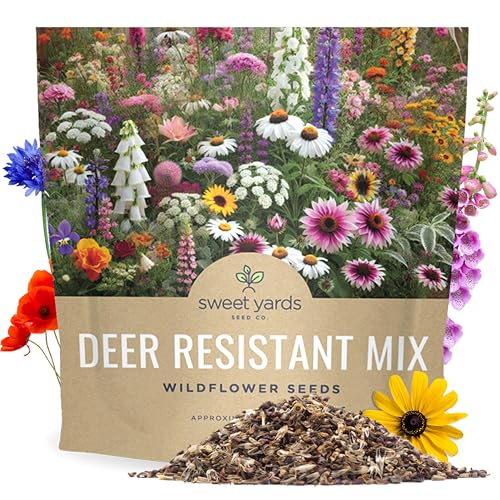
Sweet Yards Deer Resistant Wildflower Seed Mixture 1 Ounce

NYGardenia 100 Pink Coneflower Seeds Heirloom Echinacea
A Breakdown Of The Leading Choices
Sweet William is one of those old-fashioned flowers that earned its place in Ohio cottage gardens for a reason. Dianthus barbatus produces clusters of small, intensely fragrant blooms in mixed reds, pinks, and whites, and the foliage stays low enough to edge a walkway without blocking taller plants behind it.
For a 6a backyard with decent drainage, the 5,000-seed packet spreads across a meaningful patch without breaking the budget. Bees and butterflies visit the flat-topped flower heads regularly, which makes this a strong anchor in a pollinator strip.
Noteworthy Benefits
- Strong clove-like fragrance fills evening air near patios
- Blooms reach cutting-garden size in the second year
- Tolerates partial sun, useful on east-facing borders
- Self-sows modestly, so replanting gaps stays easy
Things To Consider
- Heavy clay can rot crowns, so amending the bed matters
- Commonly short-lived (biennial-leaning) in some Ohio plots
Right Fit For
Cottage-style gardeners in zones 5 to 6 who want fragrance and pollinator traffic without high maintenance.
Swap It Out When
You want native prairie structure; the NYGardenia 100 Pink Coneflower Seeds Heirloom Echinacea delivers taller, sturdier stems in the same sunny bed.
A mixed seed envelope removes the guesswork for first-time perennial growers. Family Sown’s 5-gram pack holds roughly 2,500 seeds across multiple species, which suits a small naturalized strip near a fence line or a front-yard island that needs filling without a single-species commitment.
Compared to the single-species Sweet William option above, this trade-off is variety over uniformity. You trade a tight color palette for staggered bloom times, which means the bed has visual interest from late spring through early fall.
Positive Points
- Covers roughly 20 square feet at recommended seeding rates
- Multi-species blend spreads risk if one cultivar struggles
- Perennial returns limit yearly reseeding costs
Points To Note
- Exact species list isn’t detailed on the retail page, so matching to existing beds requires some guesswork
- Weed competition in year one can crowd out slower starters
Built With In Mind
New Ohio gardeners wanting a low-stakes introduction to perennial wildflowers without buying ten separate packets.
Reach For A Different Pick When
You need a specific color theme; the Outsidepride Blue Flax Seeds 5000 Pcs Perennial gives a focused sky-blue palette instead of a mixed sweep.
Shaded Ohio side yards and north-facing foundation strips rarely reward sun-loving wildflower picks. Hostas fill that gap with foliage variety: blue, purple, and white leaf patterns that show color even when no bloom is open. The 185+ seed packet suits anyone starting from scratch under a tree canopy.
You’ll trade the instant-impact of nursery potted plants for a patient, budget-friendly grow. In our view, that’s a fair swap for the price difference.
The Upside
- Thrives in low-light spots where most flowering perennials sulk
- Leaf patterns deliver color independent of bloom timing
- More affordable than mature potted hostas for mass plantings
Honest Caveats
- Hosta from seed takes two to three seasons to reach display size
- Slug pressure in damp Ohio summers can mottle the leaves
- Exact color mix varies since seeds aren’t individually labeled by cultivar
Made For
Patient Ohio gardeners with established tree cover who want long-term foliage texture instead of fast flowers.
Consider Something Else When
You want summer color in a sunny border; the Willard & May Tall Phlox Mix Value Bag 6 Roots gives visible results the first season.
Blue flax (Linum perenne) covers lean, dry Ohio soil that punishes thirstier picks. Reaching roughly 12 to 24 inches tall, the airy stems sway in summer breezes and drop enough seed to fill gaps the following year without manual reseeding.
Whereas the Sweet William pick earlier leans into fragrance and clustering form, blue flax goes the opposite direction. It delivers movement and a sky-blue wash across open ground.
Everyday Wins
- Handles drought once established, ideal for sandy or rocky Ohio patches
- Self-seeding habit reduces yearly replanting chores
- Light blue blooms suit meadow and rock garden palettes
Worth Noting
- Each individual bloom lasts only a day, so the display pulses rather than persists
- Tall grassy weeds in year one can outcompete young flax
Best Suited To
Ohio gardeners with sun-baked slopes or sandy soil who want low-input color that survives dry spells.
A Better Fit Elsewhere
You need dense deer pressure protection; the Sweet Yards Deer Resistant Wildflower Seed Mixture 1 Ounce targets browsing-prone edges more directly.
Russell lupines push vertical drama into a perennial bed. The mature flower spikes climb 36 to 48 inches in good soil, with pea-shaped blooms in mixed purples, pinks, and blues that pull the eye upward in late spring, well before the hostas leaf out fully.
For Ohio zones 5 through 7, fall sowing lets the seeds chill naturally through winter, which lupines often require for reliable germination. Marde Ross’s California-grown seeds come in a smaller 100-seed pack, which suits targeted accent planting rather than full sweeps.
Positive Takeaways
- Tall flower spikes break up flat perennial borders
- Cold-stratification friendly for direct fall sowing
- Cool-climate native feel fits traditional cottage styles
Possible Compromises
- Smaller seed count (100) limits coverage compared to bulk wildflower packets
- Lupines dislike transplanting, so direct sowing is the realistic path
- Germination can stretch 14 to 30 days, testing patience
Perfect Match For
Ohio cottage gardeners seeking tall focal points who don’t mind a slower, more deliberate seeding process.
Skip It When
You want large-scale coverage fast; the Outsidepride Blue Flax Seeds 5000 Pcs Perennial gives broader sweeps at a fraction of the per-seed cost.
Tall garden phlox anchors Midwest perennial borders for good reason. The Willard & May value bag ships six live roots across four named cultivars: Blue Boy (blue), David (white), Peppermint Twist (white-pink), and Star Fire (pink). You skip the seedling year and jump straight to visible bloom the first summer.
Compared to the seed-heavy picks on this list, the trade-off is price per plant versus patience. You pay more per stem but trade months of waiting for established root systems.
Real Benefits
- Multi-cultivar mix adds white, blue, and pink interest in one order
- First-summer bloom beats seed-started phlox by a full year
- Deadheading often produces a second flush in early fall
Factors To Consider
- Six roots cover a modest footprint, so larger beds need multiple bags
- Live roots require immediate planting on arrival
- Phlox can develop powdery mildew in humid Ohio summers without airflow
Best Suited To
Ohio gardeners wanting classic summer border color this year, not next year, and willing to plant promptly on delivery.
Not Your Match When
You prefer dry-soil, low-water plantings; the Outsidepride Blue Flax Seeds 5000 Pcs Perennial handles lean dry beds far better.
Deer pressure around suburban Ohio developments can wipe out unprotected seedlings overnight. Sweet Yards leans on species that deer generally avoid, packaged in a resealable 1-ounce pouch holding over 15,000 seeds for roughly 100 square feet of coverage.
The honest read is that “deer resistant” means less-preferred, not invulnerable. Under heavy browsing pressure, even resistant species can take damage.
A Few Highlights
- Bulk seed count supports broad lawn-to-meadow conversions
- Open-pollinated, non-GMO blend suits naturalized plantings
- Resealable pouch preserves seed viability between sowings
Soft Spots
- No single species dominates, so bloom timing stays staggered and unpredictable
- Heavy deer herds may still browse certain included species
Who Will Love This
Ohio homeowners near wooded edges who need a wide-area broadcast that won’t get demolished the first night.
Look Elsewhere When
You want focused vertical impact; the Marde Ross & Company Russell Lupine Seeds Perennial 100 Mixed delivers concentrated height in a tighter footprint.
Purple coneflower (Echinacea purpurea) earned its reputation as an Ohio prairie staple. The pink-petaled NYGardenia heirloom pack keeps that legacy going with non-GMO seed suited to pollinator-friendly plantings and full-sun borders.
For a 5b or 6a yard, coneflowers handle clay better than most prairie natives, and the raised central cones feed goldfinches well into fall after the petals drop.
Where It Excels
- Drought-tolerant once roots establish in clay-loam beds
- Winter seed heads feed birds and add structure
- Heirloom genetics support stable color across generations
Some Limits To Know
- Petals vary in shade since seed-grown plants aren’t perfectly uniform
- First-year bloom skips many seedlings, so spring patience matters
- Small 100-seed pack suits accent borders more than sweeps
Right Fit For
Ohio gardeners with sunny clay beds who want pollinator support and winter interest from the same planting.
Where A Sibling Pick Shines
You need a denser deer-resistant sweep; the Sweet Yards Deer Resistant Wildflower Seed Mixture 1 Ounce spreads across much more ground at similar effort.
What Matters Most Before Choosing Perennials For Ohio
Start with your USDA hardiness zone, which in Ohio runs from 5a in the northeast corner up to 6b along the southern border. A plant rated to zone 5 survives winters in Cleveland reliably, while zone 6 picks may need extra mulch farther north. Matching the plant’s zone rating to your specific zip code prevents the most common cold-kill losses.
Soil type drives the next decision. Much of Ohio sits on heavy clay that holds water in spring and bakes hard in July. Drought-tolerant picks like blue flax and coneflower tolerate clay once established, while hostas prefer consistent moisture and amended organic matter. Skip drainage correction and watch the same plant thrive in one yard, rot in another.
Sun exposure matters just as much as soil. North-facing foundation beds and shaded tree canopies need foliage-focused picks (hostas), while open south-facing slopes reward sun-loving bloomers (sweet william, blue flax, lupines, coneflower, phlox). Measure the bed’s direct sun hours before choosing, since “partial sun” on a label often means different things across brands.
Finally, match the plant to your realistic maintenance budget. Seed packets cost less but require weeding, watering, and patience through a first-year establishment phase. Bare-root starts cost more but skip the seedling year and deliver faster visible results. Pick the format that matches how much time you can give the bed in April and May.
Key Takeaways Across These Picks
Pitfalls Shoppers Hit
The biggest trap with perennial seeds is assuming first-year blooms are the norm. Most perennials spend year one building roots, with flowers arriving in year two or three. Buying seed expecting instant color leads to disappointment and unnecessary reseeding.
Another common slip is ignoring mature size. A lupine at 48 inches tall will smother the short dianthus planted in front of it, and a hosta spreading 4 feet wide will crowd out narrow pathway edges. Spacing per mature dimensions, not seedling size, prevents mid-summer overcrowding.
Where The Extra Money Goes
Higher-tier perennial products tend to offer either bulk seed counts (covering more ground per packet) or live root starts (skipping the seedling year). The Sweet Yards 15,000-seed pouch and the Outsidepride 5,000-seed packs both charge more for sheer volume, which suits large meadow conversions. The Willard & May root bag charges more for the opposite reason: speed.
The upgrade pays off when you either need a lot of coverage fast or want visible blooms the first summer. For a single accent border where patience works fine, basic seed packets from any of these picks deliver solid value.
Frequently Asked Questions
When should I plant perennial seeds in Ohio?
Fall sowing (late September through early November) works well for cold-stratification-dependent species like lupines, while spring sowing (after the last frost in mid-May) suits tender young seedlings like dianthus. Most seed packets list the better window on the label.
Do perennials come back every year in Ohio?
Yes, that is the defining trait of a perennial. Roots survive winter dormancy and regrow each spring, though bloom quality often peaks in years two and three before gradually declining. Dividing mature clumps every three to four years keeps them vigorous.
How much sun do Ohio perennials need?
Most flowering picks on this list need at least six hours of direct sun. Hostas are the clear exception, thriving in two to four hours of morning or dappled light. Full-shade flowering plants are rare, so match expectations to light availability.
Can I grow perennials in containers in Ohio?
Smaller hostas and compact coneflowers adapt to large containers (12 inches or wider), though winter protection matters. Uninsulated pots freeze solid and kill roots, so either bury the container or move it to an unheated garage for zones 5 and below.
How do I keep deer from eating my perennials?
Choose resistant species like the Sweet Yards blend, install physical fencing around young plants for their first season, and apply repellents during peak browsing pressure in late spring. No single method is foolproof, so layering strategies works best around high-pressure Ohio suburbs.
Closing Remarks
Ohio perennials reward gardeners who match the plant to the spot rather than the other way around. Whether you start with a bulk seed packet for a meadow conversion or a handful of root starts for an instant border, the eight picks here cover the most common backyard situations across zones 5 and 6. Pick the format that fits your timeline, plant at the right depth, and let the roots do the rest.
