

Container gardening asks more from a plant than a sunny border does. Roots stay tighter, soil dries out faster, and winter swings hit harder in a small pot, so the perennials you choose need to handle all of that while still putting on a show year after year. This list focuses on pot-friendly picks that look good through a long season and don’t need a permanent in-ground home to thrive, whether you’re working with a sunny stoop, a shaded entry, or a tight balcony corner.
The Picks In Brief

Perennial Farm Marketplace Delosperma cooperi Hardy Ice Plant

Willard & May Butterfly Weed Flower Perennial Root

CZ Grain Florida Cardinal Caladium Bulbs (5 Bulbs)

Family Sown Perennial Species Mix Wildflower Seeds
Willard & May Tall Phlox Mix Value Bag (6 Roots)

Daylily Nursery Mixed Lenten Rose Hellebore (3 Pots)
Perfect Plants Sweet Drift Rose Live Plant, 1 Gallon

CZ Grain Pink Princess Caladium Bulbs (10 Bulbs)
The Details Behind The Selections
If you have a south-facing patio that bakes in midsummer, this trailing ice plant earns its spot fast. It’s shipped in a quart nursery pot, ready to drop into a wider container where the succulent stems can spill over the rim.
Hardy in zones 5 through 9, it handles the kind of reflected heat off concrete that wilts fussier bloomers. Compared to the Butterfly Weed we’ll look at next, this one is much lower-growing and built for cascading over edges rather than standing tall in the back of a pot.
Everyday Perks
- Daisy-shaped rosy-pink flowers from spring through fall, blanketing the plant when conditions are right.
- Succulent foliage stores water, so missed waterings on a hot balcony won’t immediately show.
- Trailing habit softens hard container edges and pairs nicely with upright picks later in this list.
- Tolerates drought and heat once settled, which matters when pots sit against a sun-warmed wall.
Things To Consider
- Plants shipped between November and March may arrive dormant and trimmed, which can look alarming on first delivery.
- Needs sharp drainage; a pot without drainage holes can rot the roots quickly.
Feature Snapshot
Who It Suits Best
Hot, sunny patios and balcony gardeners who forget to water now and then.
Skip It When
A shaded entry is what you have; the Daylily Nursery Mixed Lenten Rose handles that brief better.
Butterfly Weed arrives as a bare root (a dormant plant shipped without soil, meant to be planted directly), so the first season is mostly about establishment rather than instant flowers. Give it a deep container, full sun, and you’ll get a reliable nectar source for adult butterflies and hummingbirds.
It matures between 18 and 36 inches tall, which makes it a useful back-of-pot anchor behind trailing picks like the ice plant reviewed above. The trade-off is that it resents being moved, so pick its container location with year two in mind.
The Case For It
- Premium No. 1 size root gets established faster than smaller grades commonly shipped.
- Returns year after year, so a single pot becomes a long-term planting rather than an annual swap.
- Bright flower clusters pull in pollinators, adding movement to a static patio.
- Vertical growth habit balances nicely with low, spreading picks in the same container.
Worth Noting
- Bare-root shipments look like a tangle of dry sticks until they break dormancy, which can confuse first-time planters.
- Develops a long taproot (a single deep, thick root that drives downward), so it needs a deep pot, not a shallow bowl.
Right Fit For
Wildlife-friendly patios in full sun where you want to watch butterflies actually use the container.
Where Another Pick Suits Better
Shaded balconies; the CZ Grain Florida Cardinal Caladium handles low-light pots with far less struggle.
Florida Cardinal is grown for its leaves, not its flowers, and the leaves are the point. Heart-shaped, deep red with green edges, they bring real color to shaded corners where most flowering perennials sulk.
The pack includes five bulbs, which is enough to fill a 12 to 14 inch pot with a full look by midsummer. Compared to the Butterfly Weed above, this one is purely a foliage plant; pair it with something flowering if you want both in the same container.
A Few Strong Suits
- Heat-loving tropical foliage that thrives once soil temperatures climb above 75 degrees.
- Bright red centers stand out against plain green hostas and ferns in the same shaded grouping.
- Tuberous bulbs can be lifted and stored over winter in colder zones, extending their life pot to pot.
- Works equally well in a container or shaded garden bed.
Some Limits To Know
- Bulbs should only go in after the last frost, so a cool spring can delay planting by several weeks.
- Plants go dormant in fall, leaving an empty pot until the following season.
Quick Facts
Made For
Shaded patios and entries where most bloomers refuse to flower but you still want a strong color statement.
Consider Something Else When
You want blooms through winter too; the Daylily Nursery Mixed Lenten Rose flowers when this caladium is dormant.
Where the rest of this list ships plants, this one ships potential: roughly 2,500 seeds across a 5-gram envelope. It’s the cheapest way to fill a large container with a meadow-style mix rather than a single specimen plant.
For most patio gardeners, the realistic expectation is a soft, cottage-garden look that varies year to year. If you want predictable color and form, the Willard & May Tall Phlox roots reviewed further down are a steadier bet.
What Pays Off
- Covers up to 20 square feet, so even oversized planters get filled without breaking the budget.
- Perennial species return year after year once established.
- Mix of bloom shapes and heights keeps containers interesting across the season.
- Low seed cost makes it easy to experiment without much risk.
Honest Caveats
- You’ll get a blend rather than specific named varieties, so flower colors and heights are a bit of a surprise.
- First-year blooms can be sparse while plants put energy into roots.
- Smaller seeds can wash out in heavy rain before they germinate.
Best Suited To
Budget-conscious patio gardeners who like the look of a mixed cottage pot rather than a curated display.
Look Elsewhere When
You want a single coordinated color scheme; the CZ Grain Pink Princess Caladium gives a more uniform look.
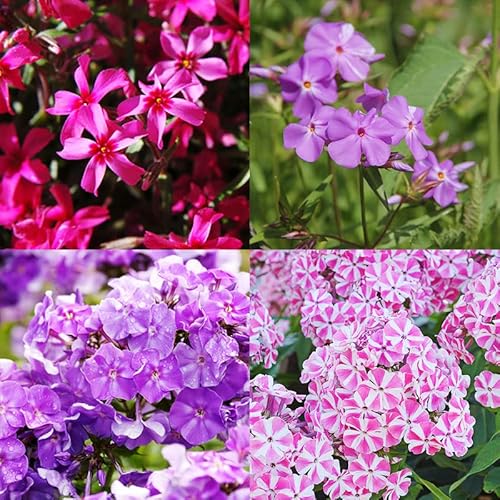
Tall garden phlox is one of the most recognized summer perennials, and this value bag ships six roots across four varieties: Blue Boy, David, Peppermint Twist, and Star Fire. You plant them in spring and get a tall, fragrant show by midsummer.
Deadheading (snipping off spent flowers so the plant channels energy into new buds) can pull a second bloom cycle into fall, which is rare for a container perennial. Compared to the Butterfly Weed reviewed earlier, phlox needs richer soil and a bit more consistent moisture.
What Makes Sense
- Six roots give a mixed color pot without needing to buy multiple listings.
- Big, fragrant flower clusters draw the eye from across a patio.
- Re-bloom potential extends the season well into early autumn.
- Returns yearly once roots are established, making it a long-term container investment.
Trade Offs
- Spring-planted roots need a full season to look like much, so patience is required.
- Needs a tall, sturdy container to keep taller stems from flopping in summer storms.
Whose Shelf It Belongs On
Patios where height is welcome and you enjoy fragrant, traditional summer flowers.
Reach For A Different Pick When
Your container is small or shallow; the Perennial Farm Marketplace Delosperma cooperi stays low and tidy.
Lenten rose is the rare perennial that blooms when almost nothing else does. From midwinter into early spring, you get nodding, papery flowers above glossy evergreen foliage, all from a shaded container on a cold porch.
You receive three 2.5-inch pots, which is enough to mass-plant a single large container or split across three smaller ones. The mature height of 18 to 24 inches fills a pot nicely without overpowering it.
Noteworthy Benefits
- Blooms in midwinter when most container plants are dormant.
- Evergreen foliage stays attractive year-round, so pots never look truly empty.
- Tolerates full shade to partial shade, ideal for north-facing entries.
- Hardy in zones 4 through 9, covering most of the country.
Soft Spots
- 2.5-inch pots take two to three seasons to reach their full flower potential.
- Resents being relocated once established, so choose the pot location carefully.
Who Should Grab It
Cold-climate gardeners who want year-round interest from a shaded container.
A Better Fit Elsewhere
You need bright summer color instead; the Perfect Plants Sweet Drift Rose blooms for months.
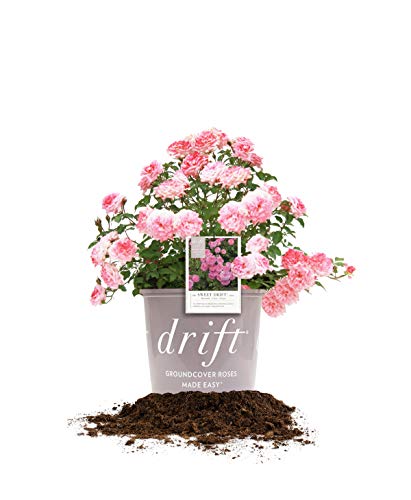
Sweet Drift roses behave like groundcover roses: low, spreading, and covered in soft pink flowers for 8 to 9 months of the year in mild climates. The 1-gallon size arrives ready to flower and quickly fills a 14 to 18 inch pot.
It needs full sun, which is the main reason it isn’t on this list for shaded entries. Where conditions match, you get a tidy mound of color that hides the rim of the container beautifully, a different look from the upright Tall Phlox covered earlier.
Strengths Worth Knowing
- Long bloom window from spring well into fall.
- Mature size of 1-2 feet tall and 2-3 feet wide suits a single large container without overcrowding.
- Plant food is included, so first feedings aren’t an extra purchase.
- Spreading growth fills gaps between taller picks in mixed pots.
Less Ideal Details
- Restricted shipping in some western states, which can complicate ordering.
- Full sun is non-negotiable; fewer than six hours of direct light noticeably reduces flowering.
Feature Rundown
Perfect Match For
Sunny porches and walkways where you want months of color from one shrubby perennial.
Swap It Out When
Your pot is in shade; the Daylily Nursery Mixed Lenten Rose is built for that brief.
Pink Princess closes this list with a foliage-forward caladium that looks more like a painted houseplant than a typical patio plant. Each leaf is a unique splash of bright pink against green, so no two leaves ever look quite the same.
Ten bulbs are enough to fill a 14 to 16 inch pot with a lush, full look. The honest read is that this is a repeat planting of the same genus as Florida Cardinal reviewed earlier, but the spotted colorway serves a different visual role.
A Favorable Mix
- Spotted, variegated foliage stands out even from a distance.
- Larger bulb count gives a more mature look in year one.
- Grows happily in nutrient-rich potting mix in a shaded container.
- Heat-loving once soil warms, so it thrives in summer conditions that fade other foliage plants.
Practical Considerations
- Bulbs won’t sprout until soil is reliably warm, so cool springs delay the show.
- Plants die back in fall, leaving bare pots until the next growing season.
Built With In Mind
Shade gardeners who want a dramatic, almost tropical look in a single patio container.
Not Your Match When
You’d rather have continuous winter interest; the Daylily Nursery Mixed Lenten Rose covers that season instead.
What Matters When Picking Perennials For Pots
Match The Plant To Your Light First
Sun exposure decides more about container success than any other factor. South- and west-facing patios demand drought-tolerant, heat-loving picks like Delosperma and Sweet Drift, while north-facing entries call for shade-tolerant foliage like the caladiums and hellebores in this list. The honest read is that a sun-lover placed in shade will flower weakly and stretch toward light, and a shade plant in full sun will scorch within a week.
Before choosing, watch your intended spot through a normal day. Note how many hours of direct sun it actually gets, including morning versus afternoon light, since afternoon sun is more punishing in midsummer.
Size The Container To The Root System
Bare-root perennials like Butterfly Weed and Tall Phlox develop deep, anchoring roots and need taller pots, generally 12 inches deep at minimum. Fibrous-rooted picks like ice plant and hellebore tolerate shallower containers if drainage is sharp.
Most container losses come from pots that are simply too small. A perennial that’s well-sized in the ground often struggles in a tight pot because roots circle and outpace the soil’s water-holding capacity.
Plan For The Full Year, Not Just Summer
Most gardeners shop for color in May and forget about the rest of the calendar. Hellebores earn their place by blooming in midwinter, while caladiums earn theirs with summer foliage, and pairing the two across separate containers keeps a patio interesting from January to October.
Group pots by season of interest so a single dead or dormant container doesn’t leave a visible gap. A simple mix of one winter bloomer, one summer foliage plant, and one long-season flower covers most of the year without crowding any one container.
Key Considerations Across These Picks
Where Shoppers Go Wrong
The most common mistake is buying a perennial for color without checking its mature size, then watching it crowd the pot by year two. A Sweet Drift rose that spreads three feet wide looks tidy in a 14-inch pot for one season, then declines as roots run out of room.
Another easy misstep is forgetting that pots in winter need either cold-hardy plants or a plan to move tender ones under cover. Caladiums and roses in cold zones often fail because pots freeze harder than ground soil would.
Why Top Tier Costs More
Larger container sizes, like the 1-gallon Sweet Drift, cost more because the grower has spent an extra season raising the plant. You pay for maturity, not just size, and that maturity translates into more flowers in year one rather than year two.
Mixed-variety packs like the Tall Phlox Value Bag cost slightly more per root because the seller has done the variety selection for you. The premium is small, but it removes the work of matching colors and bloom times yourself.
Frequently Asked Questions
Which perennials actually survive winter in pots?
Hellebores and Delosperma cooperi handle cold well in zones 4 through 9. Tender picks like caladiums need to be lifted and stored indoors in colder zones, or treated as annuals.
How big should the pot be for a perennial?
Most perennials in this list need at least a 12 to 14 inch pot to thrive long-term. Smaller containers work for one or two seasons but dry out too fast and crowd roots beyond that.
Can I mix perennials in the same container?
Yes, as long as they share light and water needs. Pairing a sun-loving Delosperma with a shade-preferring hellebore in one pot ends with one of them failing.
Do perennials in pots need fertilizer?
Pots lose nutrients faster than ground beds, so a slow-release feed (fertilizer that releases small amounts over weeks or months rather than all at once) in spring and a light midseason boost help most picks stay vigorous.
How often should I water container perennials?
Most picks in this list need water when the top inch of soil feels dry, often daily during summer heat. Succulent foliage plants like Delosperma tolerate longer gaps between waterings.
Conclusion
The right perennial for a pot is the one that matches your light, your climate, and the season you most want to see. Start with one of the hellebores or ice plants for an easy win, then add a foliage pick or two as your confidence grows. A few well-chosen containers will outshine a crowded patio of annuals, year after year.
