

Zone 6a sits in a sweet spot for perennial gardening, with cold winters mild enough to support a wide range of flowering plants. Cold snaps and mid-summer heat both come into play, so the right variety matters more than sheer enthusiasm. This list gathers resilient, fragrant, and pollinator-friendly picks that thrive in zone 6a conditions. Each option suits a different style of gardener, from a tidy border to a wildflower meadow or shaded corner.
The Main Contenders
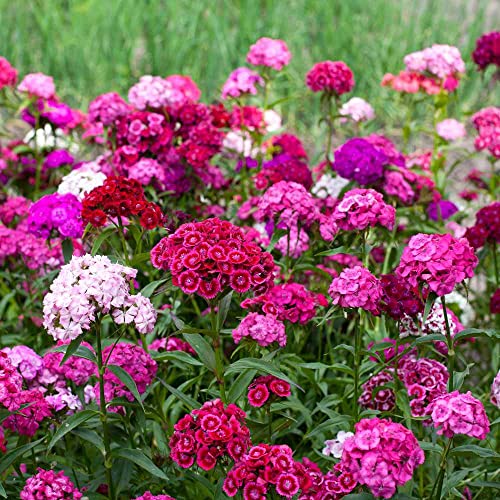
Outsidepride Sweet William Dianthus Seeds – 5000 Pcs. Perennial

Outsidepride Perennial Sweet Alyssum Seeds – 5,000 Pieces White

Purple Alyssum Seeds for Planting – Survival Garden Seeds

SVI 1500 Mountain Phlox Seeds (Linanthus grandiflorus)

Outsidepride Blue Flax Seeds – 5000 Pcs Perennial Flower Seeds

9-Pack Hosta Bare Root Perennial Plants

Eden Brothers Partial Shade Wildflower Mixed Seeds (1/4 lb)

Marde Ross & Company Russell Lupine Seeds Perennial
A Breakdown Of The Leading Choices
Sweet William brings that classic cottage-garden look to zone 6a beds without demanding expert-level care. The 5,000-seed packet suits gardeners who want generous coverage along walkways, fences, or mixed perennial borders.
Dianthus barbatus handles the cold winters of zone 6a and rebounds each spring, often flowering in its second year after a fall sowing. The fragrance carries through the garden on still afternoons, which makes it especially nice near a patio or open window. Compared with the alyssum picks below, this one trades low ground-hugging form for upright clusters of color.
Bright Spots
- Fragrant clusters draw pollinators and make excellent cut flowers for indoor arrangements.
- Hardy across USDA Zones 3 to 9, comfortably covering zone 6a winters.
- Large seed count allows generous sowing for borders, mass plantings, or a dedicated cutting patch.
- Re-seeds in favorable conditions, building a fuller stand year after year.
- Tolerates short dry spells once established, easing watering chores.
Things To Consider
- Biennial-leaning habit means peak blooms usually arrive in year two rather than the first season.
- Taller stems can flop in rich soil; light staking or pinching keeps clumps tidy.
Who It Suits Best
Gardeners planting a fragrant cottage-style border who want pollinator appeal and reliable zone 6a winter survival.
Where Another Pick Suits Better
For a true ground-hugging carpet instead of upright clusters, the Survival Garden Seeds Purple Alyssum covers soil faster and stays lower.
Sweet alyssum is the kind of plant that quietly fills in gaps you forgot you had. Lobularia maritima sends out low, honey-scented white flowers that soften border edges and pathway seams throughout summer.
You may find it behaves more like a self-renewing carpet than a tidy perennial, since it reseeds gently in favorable spots. The 5,000-seed count gives plenty of material for broad coverage, which suits gardeners starting fresh ground cover beds. Where Sweet William stands tall, this alyssum stays close to the soil for a totally different visual effect.
Real Benefits
- Honey-scented white blooms attract beneficial insects and pollinators all season.
- Forms a low, weed-suppressing mat once established, reducing maintenance between pavers or along borders.
- Drought tolerance suits gardeners who want beauty without constant watering.
- Generous seed quantity supports large sweeps and replacement plantings.
Points To Note
- Source lists Zones 7 to 9; zone 6a gardeners may treat it as a self-seeding annual or provide winter protection in exposed sites.
- Sprawling habit may invade neighboring tidy plants unless edges are managed.
Made For
Garden owners wanting low, fragrant ground cover in warmer microclimates of zone 6a who don’t mind a self-seeding annual feel.
Look Elsewhere When
Gardeners needing dependable multi-year perennial structure should consider the Marde Ross & Company Russell Lupine instead for taller, permanent backbone color.
Purple alyssum trades the white form’s brightness for rich violet carpets that read beautifully against stone mulch or gravel paths. The Royal Carpet variety stays compact, hugging the soil at roughly four inches.
Survival Garden Seeds focuses on varieties suited to practical, low-input gardens, which fits the cool spring and mild summer of zone 6a. Compared with Outsidepride’s white alyssum above, this one delivers a different color statement with the same low-grow charm. For most home gardens, a single pack covers a meaningful patch along a border or rock garden.
Advantages To Know
- Vivid purple clusters create eye-catching contrast against pale stone or silver foliage plants.
- Honey fragrance pulls in bees and butterflies, supporting pollinator habitat.
- Compact, low-maintenance growth suits beginner gardeners and small plots.
- Quick germination lets gardeners see results within the first growing season.
Honest Caveats
- Often grown as a cool-season annual in colder zones, so zone 6a plantings may fade in midsummer heat.
- Frost sensitivity means timing matters; sow too early and late chills can damage young seedlings.
- Limited seed quantity in a single pack suits small patches rather than sweeping meadows.
Right Fit For
Beginner gardeners seeking quick, colorful cool-season ground cover in rock gardens, container edges, or border fronts.
Reach For A Different Pick When
Those wanting a true zone 6a perennial backbone may prefer the Outsidepride Blue Flax, which returns year after year in tougher soil.
Mountain phlox, or Linanthus grandiflorus, is a coastal California native that brings soft white-and-blush starry flowers to zone 6a gardens. The 1,500-seed bulk packet gives enough material for a meaningful sweep.
This species is technically an annual rather than a true perennial, so it behaves differently from the rest of this list. The sweet perfume and tidy spreading mat work well as filler between stones or in container plantings. Compared with the sweet alyssums above, mountain phlox carries a taller, more visible flower on a slightly looser plant.
Notable Gains
- Sweet fragrance fills evening gardens, especially noticeable near seating areas.
- Forms a tidy, low mat suited to edging, living mulch, or crevice plantings.
- Soft white and blush tones blend easily with bolder perennials.
- Bulk packet supports meaningful coverage across rock gardens or pathway seams.
Small Caveats
- Annual life cycle means reseeding each year for continued coverage.
- Native to coastal California; zone 6a humidity and clay soils may need amending.
Best Suited To
Garden owners wanting a fragrant, textural annual accent for rock gardens or containers who don’t mind yearly reseeding.
Swap It Out When
If you want a true perennial that returns reliably in zone 6a shade, the 9-Pack Hosta Bare Root Perennial Plants offers permanent foliage structure.
Blue flax brings a clear sky-blue flower color that feels distinct from the pinks and purples dominating most perennial lists. Linum perenne grows roughly 12 to 24 inches tall, with delicate stems that move nicely in a breeze.
The self-seeding habit builds a fuller display each year without much intervention. Zone 6a summers can swing hot and dry, and this species handles those conditions once rooted in. Unlike the upright cottage drama of Russell lupine below, blue flax gives a softer meadow texture for naturalized plantings.
Features That Help
- Genuine sky-blue blooms provide unusual color in the perennial border.
- Self-seeding nature expands coverage naturally year after year.
- Drought tolerance reduces supplemental watering in dry summers.
- Adaptable across USDA Zones 3 through 10, well within zone 6a conditions.
- Compact form fits small gardens, borders, and meadow mixes.
Trade-Offs To Consider
- Individual blooms last only one day, though the plant produces continuously.
- Fine stems can look weedy in ultra-formal beds without intentional design.
Who Should Grab It
Naturalistic gardeners designing drought-tolerant meadows or rock gardens who want soft blue color without fuss.
Not Your Match When
Those seeking edible harvests should pass; flax grown here is ornamental, not the fiber crop. For tall vertical drama, the Russell Lupine suits better.
Hosta fills the role that flowering perennials cannot: dependable, leafy structure in shade. The 9-pack bare-root format ships dormant roots that wake up quickly once planted in moist, well-drained soil.
Hardy in Zones 3 to 8, hosta settles comfortably into zone 6a and returns year after year with minimal fuss. Mature clumps spread 20 to 60 inches, so the 9-pack creates meaningful coverage along foundations or under trees. Compared with the wildflower and seed-based picks above, this option gives instant perennial impact without germination wait times.
A Few Highlights
- Rich green, textured foliage brightens shaded corners where grass struggles.
- Hardy in Zones 3 to 8, well matched to zone 6a winters.
- Bare-root shipping from a farm source typically arrives fresh and ready to grow.
- Spreads 20 to 60 inches at maturity, offering strong coverage per plant.
- Provides soft purple or white summer blooms on tall stems for extra interest.
Where It May Fall Short
- Bare-root plants need soaking and careful initial planting for best results.
- Slugs and deer commonly target hosta foliage, requiring monitoring in vulnerable gardens.
- Midsummer blooms last roughly two weeks, so the show is foliage-driven rather than floral.
Perfect Match For
Shade gardeners wanting a permanent foliage backbone under trees or along north-facing foundations.
A Better Fit Elsewhere
If your priority is pollinator-friendly floral color in shade, the Eden Brothers Partial Shade Wildflower Mix delivers seasonal blooms instead.
Partial-shade gardens often feel like a tough category, and Eden Brothers’ 1/4-pound mix tackles that head-on. The blend includes around 27 species suited to filtered light, including cornflower, coreopsis, foxglove, and purple coneflower.
Coverage runs roughly 250 to 500 square feet, which suits a meaningful bed or border strip. The mix draws bees, butterflies, and hummingbirds through the growing season. Compared with single-variety seed picks above, this option trades uniformity for diversity, which is the real point of a wildflower blend.
Useful Highlights
- Around 27 species create layered bloom times across the growing season.
- Non-GMO seed with no fillers, supporting pollinator-friendly gardening.
- Covers 250 to 500 square feet per packet for substantial planting areas.
- Deer-resistant composition protects investment in vulnerable gardens.
Practical Considerations
- Mixed seeds produce varied results, so bloom colors shift year to year.
- Some species in the blend prefer sunnier spots and may underperform in deeper shade.
- Annual species in the mix need reseeding for ongoing blooms.
Who Will Love This
Wildflower enthusiasts wanting a single seed packet that fills a partial-shade bed with pollinator-friendly color.
Where A Sibling Pick Shines
For pure shade foliage structure without mixed seed surprises, the 9-Pack Hosta Bare Root Perennial Plants offers predictable results.
Russell lupine delivers some of the tallest flower spikes in the cool-season perennial world, reaching 36 to 48 inches at maturity. The pea-like blooms blend purple, pink, and blue on dramatic vertical stems.
Sowing in fall or early spring matches the natural cycle and supports reliable spring germination in zone 6a. Marde Ross & Company is a California nursery operating since 1985, so the seed handling benefits from decades of practice. Compared with the low ground-cover picks above, lupine anchors the back of a border or meadow with serious vertical lift.
Practical Pluses
- Tall 36 to 48 inch flower spikes add strong vertical structure to borders.
- Multi-color pea-like blooms in purple, pink, and blue create rich cottage-garden drama.
- Suitable for fall or early-spring sowing for flexible planting timing.
- Hardy across USDA Zones 3 to 9, comfortably covering zone 6a.
- Seed stored in temperature-controlled conditions supports germination reliability.
Honest Caveats
- Approximately 100 seeds per pack suits smaller plantings rather than sweeping meadows.
- Germination can take 14 to 30 days, so patience matters during establishment.
- Lupine prefers well-drained soil and may struggle in heavy, wet clay.
Built With In Mind
Backyard gardeners who want a tall cottage-style anchor at the rear of a border or meadow planting.
Consider Something Else When
For lower-growing color that hugs the soil, Outsidepride’s Blue Flax fills in around taller lupines nicely.
Picking Zone 6a Perennials That Actually Thrive
Zone 6a spans roughly negative 10 to negative 5 degrees Fahrenheit in winter averages, so cold hardiness matters more than mild-climate tolerance. Focus first on perennials rated to USDA Zone 5 or colder for the most reliable performance year after year.
Sun exposure shapes the shortlist dramatically. Full-sun beds support lupines, blue flax, and Sweet William with ease, while shade gardens lean toward hostas and partial-shade wildflower mixes. Soil drainage often decides success in zone 6a, where spring rains can saturate heavy clay; raised beds or amended soil help borderline species establish.
Match plant height and bloom time to your layout plan. Tall lupines anchor the back of a border, while low alyssums soften the front edge. Considering pollinator goals also narrows the field: bees favor clustered, open blooms on Sweet William and blue flax, while hummingbirds visit tubular shapes like foxglove in wildflower blends.
Key Considerations Across These Picks
Mistakes Worth Dodging
Picking plants purely by bloom color without checking hardiness zones is one of the most common pitfalls. A variety rated only to Zone 7 may survive a typical zone 6a winter but fail in a colder-than-average year, leaving gaps that take seasons to refill. Always confirm the zone rating before committing.
Another frequent misstep is over-seeding shade areas with sun-loving mixes. The Eden Brothers partial-shade blend handles dappled light, but full-shade gardens need foliage-focused picks like hosta to avoid thin, leggy growth.
Where The Extra Money Goes
Higher-tier perennial seeds and plants often pay for careful storage, fresh harvest dates, and accurate labeling. Marde Ross & Company stores seeds in temperature-controlled refrigeration, which supports higher germination rates. Bulk counts on Outsidepride packets reduce cost per plant and allow generous replacement sowing. Bare-root hostas from a working farm source typically arrive vigorous and well-packed, which translates to faster establishment and stronger first-year growth.
Frequently Asked Questions
What does USDA Zone 6a mean for perennials?
Zone 6a covers areas with average minimum winter temperatures between negative 10 and negative 5 degrees Fahrenheit. Perennials rated to Zone 5 or colder handle the typical winter with room to spare.
Can zone 6a support full-shade perennials?
Yes, though the plant palette is smaller. Hosta handles deep shade well, and partial-shade wildflower mixes tolerate dappled light beneath trees.
When should I sow perennial seeds in zone 6a?
Fall sowing works for many species because winter cold stratifies the seeds naturally. Early-spring sowing also works once soil warms and frost risk drops.
Do these perennials need full sun?
It depends on the variety. Lupines, blue flax, and Sweet William prefer full sun, while hosta thrives in shade and wildflower mixes handle partial sun.
How long until perennials reach full size?
Most perennials need two to three growing seasons to reach mature size. Hosta can take three to five years to reach full spread from bare-root starts.
Wrap Up
The right zone 6a perennials turn a tricky climate into a long-running show of color, fragrance, and texture. Match each plant’s needs to your yard’s sun, soil, and moisture, and the rest takes care of itself across many seasons.
