

Autumn is the quiet workhorse of the gardening calendar, the moment when roots settle in before winter and next spring’s show starts quietly underground. Pick the right perennials now and you’ll trade a few afternoons of planting for years of blooms, better soil, and pollinators that show up right when your garden needs them most. This list covers fall-planted bulbs, bareroot crowns, and seed mixes built to handle the cold stretch ahead.
The Shortlist At A Glance

Willard & May Complete Flower Bulb Garden 75 Bulbs

FAMILY SOWN Perennial Species Mix 5g Envelope

Survival Garden Seeds Purple Alyssum (1 Pack)

Marde Ross Forget Me Not Seeds 6000 Count

Gardening4Less 9-Pack Hosta Bare Root Perennials

Marde Ross Russell Lupine Seeds Perennial 100 Count
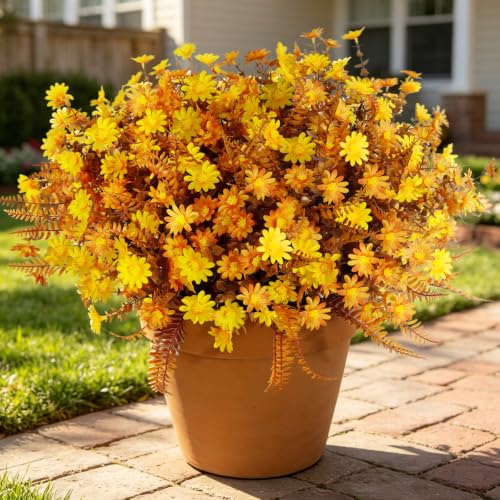
h2CeGak 36pcs Fall Artificial Mums UV Resistant

Marde Ross Purple Blazing Star 5 Liatris Bulbs
The Strengths Of Each Pick
Fall-planted bulbs earn their keep by doing the work for you while you sleep through winter, and this 75-bulb Willard & May collection leans hard into that lazy-gardener appeal. The mix pulls together gladiolus, harlequin flowers, stargazer lilies, Asiatic lilies, and calla lilies, so a single raised bed or border ends up carrying color from July through the first fall frosts without any resupply trips.
For most backyards, that kind of built-in succession beats hand-curating five separate bags of bulbs. The package is geared toward beginners, which means you plant now and let the calendar do the chore chart for you.
Where It Delivers
- Blooms stretch across roughly 50 days, layering varieties so the bed never sits empty between flushes.
- Versatile light tolerance handles full sun and partial shade, useful for beds that shift exposure through the day.
- Mixed varieties include pollinator favorites and a few cut-flower candidates for indoor arrangements.
- One order covers a generous bed, removing the math of figuring out how many of each type to buy.
Worth Bearing In Mind
- Bloom timing runs summer to fall rather than the cool-spring window many fall planters expect, so plan around that schedule.
- Bulb orders can occasionally ship with size variation, so sorting before planting avoids burying smaller corms too deep.
Who It Suits Best
First-time bulb planters who want a set-and-forget summer color bed without curating separate varieties.
Consider Something Else When
You’d rather establish native-friendly pollinator beds from seed, in which case the FAMILY SOWN Perennial Species Mix offers broader ecological coverage.
Where the Willard & May collection front-loads your bed with bulbs, FAMILY SOWN takes the opposite route: roughly 2,500 seeds in a generous 5-gram envelope, ready to broadcast across about 20 square feet of prepared ground. The blend leans on hardy perennial species, so what looks sparse the first autumn often fills out into a proper naturalistic meadow by the second year.
The trade-off shows up in patience, not in effort. You will water, weed, and wait, and the reward is a low-maintenance flower bed that returns on its own schedule. Compared to the bulb-heavy Willard & May option, this is the path for gardeners building habitat rather than staging a summer show.
Well-Handled Touches
- High seed count covers meaningful ground without breaking your seed budget.
- Perennial species composition supports repeat blooming across seasons without annual reseeding.
- Broadcast-friendly format suits naturalized borders, slopes, and informal meadow plantings.
- Encourages pollinator diversity, with mixed species drawing in different bee and butterfly profiles.
Trade-Offs To Consider
- First-year results look thin compared to established bulb displays, so plan for a delayed payoff.
- Open-broadcast seed needs consistent moisture during germination, which means watering through dry autumn stretches.
- Species composition isn’t itemized, so you can’t fine-tune color or height before planting.
Quick Facts
Whose Garden It Belongs On
Patient gardeners converting lawn edges or bare patches into naturalistic perennial beds.
Look Elsewhere When
You want an instant-impact cut-flower garden, in which case the Marde Ross Russell Lupine Seeds offer taller, more sculptural stems sooner.
Alyssum earns its spot in fall planting plans because it behaves like a polite guest: low, fragrant, and willing to soften the edges of any bed it joins. Survival Garden Seeds’ Royal Carpet variety leans into purple clusters with a honey-sweet scent, and bees show up the moment the flowers open, which is half the appeal for ecological gardens.
You’ll find this works especially well tucked along pathway borders or in the gaps between stepping stones, where taller plants would feel crowded. Think of it as the finish work after the bolder picks on this list have taken their main-stage slots.
The Upside
- Compact, low-growing habit fits the tight spots bulbs and grasses tend to leave empty.
- Strong pollinator draw thanks to the fragrance and accessible flower clusters.
- Cool-season performance suits fall sowing in many climates, with frost tolerance once established.
Points To Note
- Treated as a frost-sensitive perennial in cold zones, so it may behave like an annual north of hardiness zone 7.
- Single-pack seed volume is modest, requiring multiple packs for larger borders.
Made For
New gardeners adding fragrant, pollinator-friendly edging to existing beds and pathways.
Skip It When
You need bulk ground coverage fast, where the Marde Ross Forget Me Not Seeds deliver a much larger seed count for similar money.
Forget-me-nots have a quiet talent for filling the spaces your statement plants ignore, and this Marde Ross pack leans into that role with a hefty 6,000-seed count. The seeds produce six-to-twelve-inch plants with delicate blue flowers and yellow centers, weaving through tulip beds and bulb borders without competing for the spotlight.
Compared with the Survival Garden Seeds alyssum, you’re trading single-species drama for sheer volume. That suits gardeners laying groundwork for layered displays over multiple seasons, where one pack feeds a full sweep along a fence line or the skirt of a larger shrub border.
What Stands Out
- Very large seed count stretches across meaningful square footage, ideal for sweeping plantings.
- Tolerates both sun and shade, useful when bed exposure varies across a single border.
- Sky-blue blooms complement the warm tones of tulips and daffodils planted in fall alongside them.
- US-grown seed with documented freshness handling supports stronger germination rates.
Honest Caveats
- Forget-me-nots self-seed enthusiastically, so you’ll want a containment plan or they may migrate.
- Spring-to-summer bloom window means fall plantings deliver color the following year rather than immediately.
Feature Snapshot
Best Suited To
Layered bulb gardeners who want a low blue carpet woven through tulips and daffodils.
Another Choice May Suit
You need vertical interest at the back of the bed, in which case the Marde Ross Russell Lupine Seeds add 36 to 48 inches of flower-spike drama.
Hostas solve the problem most flowering perennials won’t touch: shade. This 9-pack ships bare-root crowns ready for fall planting, and once established, the heart-shaped to nearly round foliage fills ground that would otherwise sit empty under trees or along north-facing foundations.
The spread reaches 20 to 60 inches at maturity, depending on variety, which means even a small order covers serious territory. Mid-summer brings mildly fragrant purple or white flower spikes, but the real value is in the leaves themselves.
Advantages To Know
- Reliable shade tolerance, a rare trait in flowering perennials at this value tier.
- Hardy across zones 3 through 8, covering most North American climates with one order.
- Long-lived foliage returns year after year without replanting.
- Bare-root format ships compactly and establishes quickly when planted in cool fall soil.
Potential Drawbacks
- Bare-root crowns can look unpromising on arrival, requiring trust through the first growing season.
- Slug and deer pressure varies by region, and hostas are a known favorite on the menu.
- Flowering display is secondary to foliage, so this pick suits gardeners who value texture over blooms.
Key Product Details
Right Fit For
Shade gardeners building layered foliage beds under trees or beside north-facing walls.
Reach For A Different Pick When
Your priority is bright flower color rather than foliage texture, where the Marde Ross Purple Blazing Star delivers tall purple spikes for sunny borders.
Russell lupines are the tall, slightly theatrical cousins of the meadow wildflower crowd, sending up 36 to 48-inch flower spikes in blended purples, pinks, and blues. This Marde Ross pack ships 100 seeds suited to fall or early-spring sowing, with germination typically arriving within 14 to 30 days under the right conditions.
Where the FAMILY SOWN mix plays the supporting cast, lupines grab the back-of-border role and refuse to apologize for it. Hardiness across zones 3 to 9 makes them viable across most US growing regions.
The Practical Payoff
- Tall vertical structure adds a layer most low-growing perennials and ground covers can’t supply.
- Pea-like flower shape draws in bumblebees that prefer landing platforms.
- Flexible sowing window lets you plant in fall or wait for early spring without losing the season.
- Perennial habit means a one-time sowing effort returns year after year in suitable climates.
What To Weigh
- Lupines prefer well-drained soil and struggle in heavy clay that stays wet through winter.
- Seed count of 100 is modest for filling large meadow plantings, so plan on grouping rather than broadcasting.
Technical Highlights
Perfect Match For
Cottage and meadow gardeners wanting vertical flower spikes at the back of mixed perennial beds.
A Better Fit Elsewhere
You’re filling shady ground that won’t support full sun, where the Gardening4Less 9-Pack Hosta Bare Root Perennials handles low-light corners.
Not every autumn display needs to involve soil and watering cans, and this h2CeGak set of 36 faux mum bundles is the cheat code for porches that need instant fall color. The mix pulls together orange and yellow mum stems with layered heads, sized for window boxes, planters, and outdoor arrangements where real flowers would struggle in the cold.
The trade-off, of course, is that you’re decorating rather than gardening. For renters, seasonal decorators, or anyone working with shaded patios where mums won’t survive, this fills a real gap.
A Few Strong Suits
- UV-resistant construction aims to keep color stable through weeks of autumn sun exposure.
- Generous bundle count supports layered, mixed arrangements rather than sparse single-stem pots.
- Reusable year after year, which spreads the cost across multiple fall seasons.
- Works in planters and window boxes with no soil, drainage, or sunlight considerations.
Soft Spots
- Artificial petals can show wear after a full season outdoors, especially in direct sun.
- Plastic construction won’t fool anyone up close, so these suit outdoor arrangements rather than table centerpieces.
Built With In Mind
Renters and seasonal decorators who want porch color without soil, watering, or deadheading.
Swap It Out When
You’d rather invest in living plants that return next year, where the Willard & May Complete Flower Bulb Garden covers a full summer of color.
Liatris, sometimes called gayfeather or blazing star, is one of those native perennials that punches above its weight in pollinator gardens. This Marde Ross pack ships five fresh corms at the largest available size, ready for fall planting and built to send up 40-inch purple spikes on slender grass-like foliage the following summer.
Compared with the Willard & May bulb mix, liatris trades immediate variety for ecological value. Bees, butterflies, and even hummingbirds work the blooms from top to bottom, which is the kind of traffic that turns a flower bed into a living feature.
What Works In Its Favor
- Native-to-North-America status gives it a strong fit for ecological and pollinator-focused gardens.
- Tall flower spikes add vertical drama without the staking fuss of taller dahlias or delphiniums.
- Largest-size corms support stronger first-year growth and earlier blooms.
- Cold-stored bulb handling preserves freshness between harvest and planting.
Practical Considerations
- Five corms is a starter quantity, so impact builds over two to three growing seasons as clumps mature.
- Liatris prefers full sun and well-drained soil, performing poorly in soggy or heavily shaded beds.
Feature Card
Who Should Grab It
Pollinator gardeners building native-friendly beds that attract bees, butterflies, and hummingbirds.
Not Your Match When
You want a full season of mixed color from a single order, in which case the Willard & May Complete Flower Bulb Garden spreads risk across more varieties.
What Matters Most When Choosing Fall-Planted Perennials
Match The Plant To Your Zone And Soil
Every perennial on this list carries an implicit promise: it will return next season. That promise only holds if your USDA hardiness zone (the regional climate band used to gauge which plants survive local winters) and soil type line up with the variety’s needs. Liatris sulks in soggy clay, hostas burn in full western sun, and alyssum behaves like an annual in zones colder than 7. Before you fall in love with a flower, confirm it tolerates your ground as it actually is, not as you wish it were.
Think In Layers, Not Solo Specimens
A garden built from one species reads flat. The strongest fall plantings stack heights and bloom windows: tall lupines or liatris at the back, mid-height lilies and gladiolus in the middle, and low alyssum or forget-me-nots as the carpet. Picking two or three complementary items from this list creates more visual interest than any single pick planted en masse.
Decide Between Instant Impact And Patient Habitat
Bulbs and bareroot crowns give you something to look at within months. Seed mixes deliver ecological depth and naturalized sweeps, but they ask for a full season of restraint before they shine. Neither path is wrong; they just serve different garden goals and timelines. Beginners often prefer bulbs for that reason, while experienced gardeners lean toward seed for diversity.
Plan For Maintenance Realities
Bareroot hostas arrive looking like sad twigs, artificial mums need occasional rinsing, and seed beds demand steady watering through dry autumn stretches. Honest ownership means matching the plant’s needs to the time you actually have, not the time you wish you had on a Saturday morning.
Practical Pointers Before You Order
Where Shoppers Go Wrong
The most common mistake is buying on bloom color alone without checking mature size, sun requirements, or hardiness zone. A showy tulip companion that needs full sun will struggle under a maple tree, and a lupine that thrives in zone 5 may rot in a zone 9 winter. Read the light and water notes before the flower pictures, and you’ll skip the spring disappointment. Another trap is over-ordering bulbs without measuring bed square footage first; five bags of gladiolus sound modest until you’re standing in a hardware store with a tape measure at midnight.
When Paying More Pays Off
In this category, higher-tier picks usually mean larger corm size, fresher seed handling, or bareroot crowns from specialty growers rather than bulk suppliers. The Marde Ross liatris corms are explicitly the largest size available, which translates into stronger first-year growth. With seeds, cold-chain storage between harvest and shipping genuinely improves germination rates. The upgrade is worth it when you’re committing years of garden space to a single variety, and less worth it for a single pack of alyssum you might replace next season anyway.
Frequently Asked Questions
When is the best time to plant fall perennials?
Most fall perennials benefit from planting six to eight weeks before your area’s first hard frost, giving roots time to establish before the ground freezes. In warmer zones this can push into late autumn, while northern gardeners should aim for late summer to early fall.
Do I need to fertilize perennials at planting time?
A light application of balanced, slow-release fertilizer at planting helps root development without forcing tender top growth that winter cold can damage. Avoid heavy nitrogen feeds in fall, since they push leaf growth over root establishment when the plant should be winding down.
Can I plant perennials in containers for fall?
Yes, most fall perennials adapt well to containers as long as the pot has drainage and is large enough to insulate roots from rapid temperature swings. Smaller containers dry out faster and may need winter protection in cold zones.
How long until fall-planted perennials bloom?
Bulbs and bareroot crowns typically bloom the following growing season, sometimes within the same autumn for early-flowering varieties. Seed-grown perennials usually need a full year to establish before putting on a substantial show, with stronger displays in year two and beyond.
Will these perennials survive a hard winter?
Survival depends on matching the variety to your hardiness zone, providing good drainage, and applying mulch after the ground freezes. Hostas, lupines, and liatris are reliably hardy across most North American zones when planted correctly.
Closing Thoughts
The right fall planting depends less on chasing a single perfect variety and more on stacking compatible choices that suit your soil, light, and patience level. Pick one anchor plant that solves your biggest problem (shade, height, pollinator draw, or instant color), then layer companions around it. Your garden will quietly outwork you all winter long.
