

Spring asks a lot of a garden. Soil is waking up, frosts are tapering off, and you need plants that come back stronger every year without demanding constant babysitting. That is the sweet spot of perennials: plant them once, give them a season to settle in, and they reward you with reliable color for years. The seven picks below span bulbs, seeds, and bare roots, so you can mix and match based on your climate, sun exposure, and how patient you feel at planting time.
A Snapshot Of The Selections
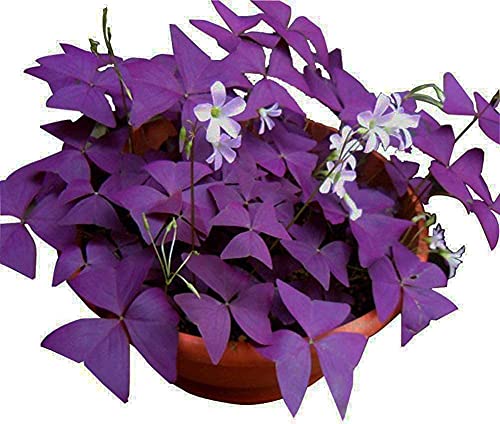
Ficoszo Purple Shamrocks Bulbs for Indoor and Outdoor

Survival Garden Seeds Purple Alyssum for Planting

Marde Ross & Company Forget Me Not Seeds 6000 Count

Mixed Hosta Seeds for Planting Shade Tolerant

Seeds Of Strength Calla Lily Mix 100 Pcs

Marde Ross & Company Russell Lupine Mixed Seeds
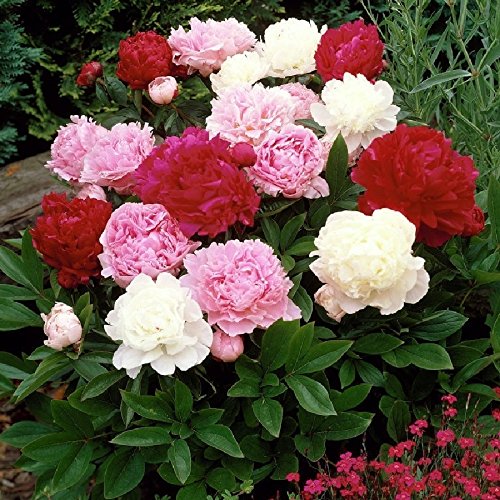
Willard & May Mixed Peony Jumbo 6 Roots
Inside Each Recommended Option
If your spring planting wish list leans toward foliage color rather than flowers, the Ficoszo purple oxalis pack delivers a different visual texture than most perennials. Each bulb sends up triangular leaves that read as deep purple with darker patterning, and the plant will produce small blooms on and off across the warm months given enough light.
Twelve bulbs give you enough material to cluster a few pots or fill a modest border pocket, and the plant behaves well in either a shaded patio container or a partly shaded garden bed. Compared with the seed-heavy picks on this list, you get a head start on visible greenery, which is helpful for anyone who finds seed-starting fiddly.
Points In Its Favor
- Distinctive triangular purple foliage adds year-round visual interest where flowers come and go.
- Twelve bulbs per pack makes clustering in pots or borders straightforward.
- Works in containers or in-ground, so renters and small-space gardeners can use it.
- Blooms across spring, summer, and fall when given steady light.
Trade Offs
- Owners commonly report that bulbs can sulk or stay dormant if soil stays cold and wet, so spring planting in damp climates calls for well-drained mix.
- Needs bright light to flower heavily, so deep shade reduces the bloom count.
Who Will Love This
Apartment gardeners with bright windowsills and anyone drawn to foliage-first plantings will find this pack rewarding.
Consider Something Else When
If you specifically want a flowering carpet for a sunny border, the Survival Garden Seeds Purple Alyssum is a better fit.
Sweet alyssum is the kind of plant that earns its keep quietly. The purple-flowering form from Survival Garden Seeds spreads into a low mat, throws honey-scented clusters, and pulls in bees and butterflies without becoming aggressive. For a spring sowing, it gives you quick coverage along bed edges or between stepping stones.
It behaves as a tender perennial in mild zones but is commonly grown as a cool-season annual elsewhere, which is worth knowing before you plan around it. The seed count in a single pack goes a long way, so a tight budget can still cover a sizeable border front.
What Earns Its Place
- Honey fragrance draws pollinators, supporting a healthier garden ecosystem.
- Low, spreading habit fills gaps between larger perennials without crowding them.
- Single pack covers generous linear footage, keeping cost per square foot low.
Soft Caveats
- Marketed as frost-sensitive, so northern gardeners may treat it as an annual rather than a permanent perennial.
- Direct sowing in cold spring soil can stall germination, so waiting for soil to warm usually improves results.
Quick Facts
Right Fit For
Eco-minded gardeners who want fragrance and pollinator traffic in a small package will like this pick.
A Better Fit Elsewhere
For tall vertical drama at the back of a border, the Marde Ross & Company Russell Lupine covers that role more confidently.
Forget-me-nots earn their place around tulips and daffodils, filling the bare space beneath taller bulbs with a haze of small sky-blue flowers. Marde Ross & Company ships a generous 6,000-seed pack, which suits anyone planning to carpet a wide bed or naturalize a slope rather than dot a single border.
The plants stay compact at six to twelve inches tall, so they read as a soft understory rather than competing with the bulbs above them. They bloom from spring into early summer, picking up where early bulbs leave off.
What It Does Well
- Bulk seed quantity makes large-scale naturalizing affordable.
- Adapts to either sun or shade, simplifying bed placement decisions.
- Slips neatly under tulips and other spring bulbs for layered color.
Worth Bearing In Mind
- Forget-me-nots spread enthusiastically by seed and can move beyond their original bed, so a containment plan helps.
- Most owners see the strongest flowering in the second year as plants establish.
Made For
Bulb-heavy gardeners who need a flowering skirt beneath taller spring blooms will get strong results here.
Swap It Out When
For deep-shade beds where blue forget-me-nots struggle, the Mixed Hosta Seeds handle low-light conditions more reliably.
Hostas are the workhorse of shaded beds, and this mixed seed pack leans into that role. Where bulbs like tulips fade after their single show, hostas hold their leaf interest from spring through frost, with each clump expanding a little more every year.
The mix draws on blue, green, and variegated leaf forms, so you get visual variety rather than a uniform mat. Seed starting takes more patience than buying potted plants, but the cost savings over a multi-pack of named cultivars are meaningful.
Useful Strengths
- Color and pattern variety in a single pack broadens visual interest across the bed.
- Thrives in shaded zones where flowering perennials often struggle.
- More affordable than buying mature potted hostas by the cultivar.
Honest Caveats
- Hostas from seed grow slowly, and full landscape impact usually takes two to three seasons.
- Slugs commonly target hosta leaves in damp conditions, so some pest strategy may be needed.
Feature Snapshot
Best Suited To
Patient gardeners with shaded beds who want foliage texture more than constant bloom will find this seed mix worthwhile.
Reach For A Different Pick When
For tall color and pollinator activity in full sun, the Marde Ross & Company Russell Lupine suits that goal better.
Calla lilies bring a sleek, sculptural shape that few spring-planted perennials can match. The Seeds Of Strength mix bundles around 100 seeds across several color forms, so a single sowing can populate a cut-flower bed or a series of patio containers with variety.
Starting from seed is slower than buying rhizomes, but the price spread and the satisfaction of growing them from scratch appeal to hands-on gardeners. For most home growers, the process involves soaking seeds briefly and starting them indoors in early spring before transplanting once the soil is reliably warm.
The Helpful Details
- Mixed colors in one pack let you design with contrast without buying separate cultivars.
- Tubers can be lifted and stored in cold zones, extending the plant across seasons.
- Strong cut-flower stems suit dedicated cutting beds.
Points To Note
- Calla germination from seed is slower than many perennials, so early indoor sowing helps.
- Tubers can rot in heavy or poorly drained soil, especially over winter in damp climates.
Whose Shelf It Belongs On
Cut-flower enthusiasts and container gardeners wanting elegant, long-stemmed color will appreciate this pack.
Where Another Pick Suits Better
If a low-growing carpet is what you need, the Survival Garden Seeds Purple Alyssum covers ground more effectively.
Russell lupines are the bold spike plants of the late-spring garden. The Marde Ross & Company pack contains about 100 mixed seeds, with plants that mature to roughly 36 to 48 inches and produce dense flower spikes blending purple, pink, and blue tones.
For anyone designing the back layer of a mixed border, these lupines deliver height that most other picks on this list cannot. They accept sun or part shade and handle a wide range of temperate zones.
Strong Points
- Tall flower spikes add vertical structure where most perennials stay low.
- Pea-like blooms combine in mixed shades for natural color variation.
- Suitable for fall or early-spring sowing across zones 3 through 9.
Some Limits To Know
- Lupines dislike being moved once established, so pick the planting site carefully from the start.
- Germination takes 14 to 30 days, so a little patience is required before seedlings appear.
Feature Card
Perfect Match For
Cottage gardeners and anyone wanting height at the back of a mixed border will enjoy these lupines.
Look Elsewhere When
For a tighter, more contained perennial in a small bed, the Willard & May Mixed Peony Jumbo 6 Roots fits better.
Peonies are the slow-build investment plant of the perennial garden, and this Willard & May pack gives you six large roots across white, pink, and red forms. Each root carries two to three eyes (the buds that will become next year’s stems), and the package is sized for a meaningful planting rather than a starter attempt.
Plant in early summer once soil is workable and well drained, and plan for the roots to settle in for a season before full flowering kicks in. After that, a healthy peony clump can anchor a bed for decades with minimal fuss.
Where It Delivers
- Multi-root pack covers three color options at once, simplifying bed design.
- Mature clumps return reliably each year with minimal maintenance.
- Suited to a wide temperate zone range from 3 through 8.
A Few Limitations
- Peonies resent being transplanted, so pick the site carefully at planting time.
- Bare roots look uninspiring on arrival, and visible top growth takes patience.
Specs At A Glance
Who Should Grab It
Long-view gardeners planning a permanent flowerbed anchor will appreciate the multi-year payoff of peonies.
Not Your Match When
For faster color in a new bed, the Seeds Of Strength Calla Lily Mix gives more visible bloom in the first season.
What Matters Most Before Choosing Perennials To Plant In Spring
Spring planting success starts with honest assessment of your site, your patience, and your goals. Perennials range from seeds that germinate in a season to bare roots that take years to peak, so matching the plant to your timeline matters as much as matching it to your soil.
Sun, Soil, And Climate Reality
Start with the conditions you cannot change. Check how many hours of direct sun a planting area actually gets, since a south-facing bed and a north-facing border behave like different gardens. Soil drainage is the next filter, because peonies and callas rot in soggy ground while alyssum shrugs it off. Confirm your USDA hardiness zone before committing to anything rated marginally for your region.
Plant Form And Timeline
Decide whether you need immediate color or are willing to wait. Seeds like hostas and callas deliver long-term value but ask for a season of patience, while bare-root peonies and pre-grown oxalis bulbs give you visible structure right away. Consider mature height too, because placing 48-inch lupines behind shorter alyssum avoids the awkward look of overlapping layers.
Longevity And Maintenance
Perennials reward gardeners who plan for multi-year growth, but each has a different rhythm. Forget-me-nots spread enthusiastically and may need border management, while peonies ask for almost nothing once established. For low-fuss plantings, prioritize plants whose mature size and spread match the space you can commit to without constant editing.
Picking Smart And Spending Smart
Pitfalls Shoppers Hit
The most common spring planting mistake is choosing plants by bloom photo alone. A gorgeous flower in the listing may come from a plant that demands full sun and well-drained soil, conditions your shaded clay bed cannot provide. Always cross-check the mature size and light needs against your actual site. Another frequent slip is buying perennial seeds or roots and expecting first-year spectacle, when most perennials invest their first season in roots and save the show for year two. Set realistic expectations so early quiet growth does not feel like failure.
When Paying More Pays Off
Higher-tier perennial packs tend to add value in three places: larger root or bulb size, broader color variety in a single purchase, and stronger germination handling from the seller. The Willard & May peony pack is a good example, since larger root divisions translate into stronger first-year establishment. For gardeners who would rather not gamble on slow seedlings, paying for mature starting stock often shortens the path to a full-looking bed and reduces the risk of bare patches in the first growing season.
Frequently Asked Questions
When should I start planting perennials in spring?
Most perennials go in after the last hard frost, once soil can be worked and is warming up. Cool-tolerant types like alyssum and forget-me-nots tolerate earlier sowing, while warmth-loving callas and corms prefer settled warm soil.
Can I plant perennials in containers?
Yes, and several picks on this list work especially well in pots. Ficoszo purple shamrocks, hosta seedlings, and calla lilies all adapt to containers as long as drainage is solid and the pot suits the mature root size.
How long do perennials take to bloom from seed?
Seed-grown perennials often need one to three seasons before full flowering. Forget-me-nots and alyssum may bloom the same year if started early, while hostas typically take two to three years to hit their stride.
Do I need to fertilize perennials at planting?
A light layer of compost worked into the planting hole helps most perennials establish. Beyond that, balanced feeding once a year in early spring supports steady growth without pushing weak, floppy stems.
Can I mix perennials and annuals in the same bed?
Absolutely, and that is often the smartest approach. Annuals fill the gaps while slower perennials establish, and you can phase out the annuals as the perennials take over the space.
Final Verdict
A successful perennial garden is less about chasing the showiest listing and more about matching each plant to the light, soil, and patience you actually have. Start with one or two picks from this list that suit your site, give them a full season to settle in, and you will be rewarded with color that returns stronger every year.
