

Planting under and around trees brings its own puzzle. Shade shifts through the day, roots compete for water, and most lawn grass refuses to thrive in that dry shoulder of soil right against the trunk. The right perennials solve all three problems at once, softening the transition from trunk to turf while adding color across multiple seasons. This roundup looks at seven options that handle competition from tree roots, tolerate the filtered light common under mature canopies, and come back year after year without demanding constant fussing.
The Main Contenders

Willard & May Butterfly Weed Flower Root

CZ Grain Crimson Sky Caladium Bulbs (6 Pack)

Family Sown Perennial Wildflower Species Mix

Marde Ross Forget Me Not Ground Cover Seeds

Generic Mixed Color Hosta Seeds (185+)

Gardening4Less 9-Pack Hosta Bare Root Plants
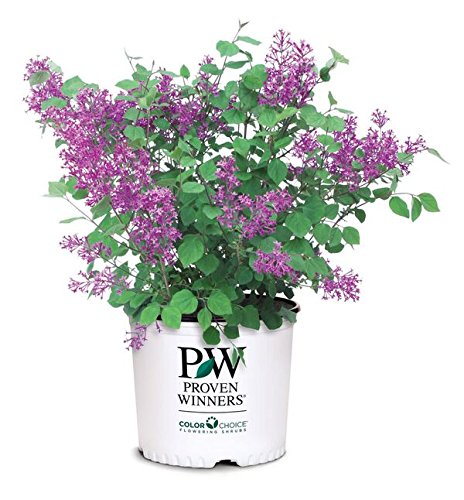
Proven Winners Bloomerang Dark Purple Reblooming Lilac
The Picks, Examined More Closely
Butterfly weed earns its spot on the edge of a tree’s dripline, where the canopy thins and sun reaches the soil for a few solid hours. The mature height runs 18 to 36 inches, which means it stands tall enough to peek out from beneath low branches without disappearing into the lawn. Asclepias tuberosa, the species behind most butterfly weed offerings, sends down a deep taproot, so it handles dry competition from nearby tree roots far better than shallow-rooted ornamentals.
For gardeners chasing pollinator activity, this is one of the stronger nectar stops for monarchs and other butterflies through midsummer. Hummingbirds work the flat-topped orange clusters too. Compared with the caladium and hosta picks later in this list, butterfly weed wants sun, so plant it where dappled shade gives way to direct light for the better part of the day.
The Case For It
- Drought-tolerant once established, courtesy of a deep taproot that reaches past the surface competition from tree roots
- Top-tier nectar source for monarchs, swallowtails, and hummingbirds during peak migration windows
- Returns reliably year after year, filling in slowly without becoming aggressive
- Mature 18 to 36 inch height gives a visible middle layer between groundcover and tree canopy
Things To Consider
- Won’t perform in deep shade, so the very base of a dense-canopy tree is the wrong spot
- Slow to wake up in spring, which can lead to accidental weeding before growth shows
- Bare root starts can take a full season to look substantial, so first-year expectations should stay modest
Key Product Details
Who It Suits Best
Gardeners with a sunny dripline and a soft spot for pollinators will get the most from butterfly weed.
Consider Something Else When
Pick the CZ Grain Crimson Sky Caladium Bulbs if your tree throws heavy shade and color from foliage matters more than pollinator value.
Caladiums earn a real place under trees because they love the same conditions most lawn plants hate: filtered light, warm soil, and steady moisture. The Crimson Sky variety leans into deep red and pink leaf veining, which pops against the dark, shaded ground beneath a mature canopy. Six bulbs give enough material to either fill a wide ring around a single specimen tree or set up several containers grouped at the base.
Caladiums grow from tubers (often called bulbs in casual trade), and they really come alive when soil temperatures sit at or above 75 degrees Fahrenheit. In cooler regions, that means waiting until late spring. Where butterfly weed wants sun, caladiums want the opposite, so this pick complements rather than competes with the earlier entry.
The Practical Payoff
- Brings vivid foliage color to the deepest shade spots where most flowering perennials struggle
- Works in-ground or in containers, giving flexibility for patios tucked under tree canopies
- Tubers return in zones where winters stay mild, providing repeat seasons of color
- Six-bulb pack covers a meaningful footprint around a single trunk or large container grouping
Worth Noting
- Soil must warm to roughly 75°F before tubers will sprout reliably, so planting too early wastes time
- In cold-winter zones, tubers usually need to be lifted and stored to survive the off-season
- Foliage burns in direct afternoon sun, so placement under an open sky is a mismatch
Right Fit For
Shade gardeners chasing tropical-style foliage in spots where flowering perennials fail will appreciate these caladiums.
Skip It When
Choose the Family Sown Perennial Wildflower Species Mix if you want a meadow-style sweep across a wide, partly sunny bed rather than a tropical accent.
A perennial wildflower mix is the right tool when the goal is a soft, naturalized look rather than tidy individual plants. The 5-gram envelope holds roughly 2,500 seeds, sized to cover about 20 square feet at recommended sowing density. For most home gardeners, that means a generous ring around a tree or a defined patch tucked into a corner bed.
Wildflower mixes are less precise than single-species plantings, so expectations matter. The blend tends to favor sunnier spots, and seed performance depends heavily on the soil and moisture available. For a mature tree’s root zone, light tilling and consistent watering through germination help offset the competition for resources.
Practical Pluses
- One envelope covers a meaningful 20 square foot area, enough to ring most small trees
- Perennial blend returns year after year, so the initial work compounds over time
- Multi-species mix creates staggered bloom windows for longer seasonal interest
- Far easier to broadcast across a wide footprint than planting individual potted starts
Trade Offs
- Germination rates vary widely depending on soil prep, watering, and weather during the first weeks
- Bloom color and species identity remain a surprise until plants mature
- Competition from tree roots means a sturdier subset of species tends to dominate over time
Feature Snapshot
Who Will Love This
Homeowners who prefer a meadow aesthetic and don’t mind some unpredictability in species mix will enjoy this envelope.
Look Elsewhere When
The Marde Ross Forget Me Not Ground Cover Seeds suit a gardener who wants a more uniform, single-color carpet under a tree.
Forget me nots deliver exactly what the name suggests: a low, soft blanket of small sky-blue flowers with yellow centers. Mature plants top out around 6 to 12 inches, and the 6,000-seed count covers a wide area beneath a tree canopy without much cost. They adapt to either sun or shade, which makes them forgiving under deciduous trees where the light shifts through the year.
Forget me nots pair naturally with spring bulbs, weaving between tulips and daffodils once those finish. After bloom, the foliage often dies back in summer heat, leaving room for the bulbs’ later growth cycle. This makes them a useful seasonal filler rather than a permanent groundcover in hot-summer regions.
Positive Points
- Tolerates both sun and shade, suiting the variable light under deciduous canopies
- 6,000 seeds cover generous ground, which keeps cost per square foot low
- 6 to 12 inch mature height weaves nicely around taller spring bulbs like tulips
- Self-seeds reliably, so a single planting often returns and expands year after year
Minor Gripes
- Foliage tends to fade in midsummer heat, leaving bare patches during peak summer
- Can spread beyond intended areas through self-seeding, requiring light editing each year
- Best treated as a cool-season carpet, not a year-round groundcover in warm climates
Quick Facts
Made For
Gardeners who want a soft spring carpet that pairs cleanly with bulb plantings will find forget me nots a natural match.
A Better Fit Elsewhere
Choose the Gardening4Less 9-Pack Hosta Bare Root Plants if you want a permanent, season-long foliage presence under deep shade.
Hosta seeds are the patience play in this lineup. Starting hostas from seed costs far less per plant than buying mature specimens, and the mixed color pack leans into a range of blue, purple, and white leaf patterns. The trade-off is time: hostas grown from seed often take two to three growing seasons before they look like anything you’d photograph.
For gardeners who enjoy the project side of gardening, seed-starting hostas can fill a wide shade area without straining the budget. Mature hostas typically reach 12 to 24 inches tall and spread 20 to 60 inches depending on variety, so even a small batch ends up covering meaningful ground once established.
Notable Upsides
- Significantly cheaper per plant than buying potted hostas from a garden center
- Thrive in shaded conditions, which is precisely where most lawn struggles under trees
- Mixed seed pack introduces a range of leaf colors and patterns in a single sowing
- Long-lived perennials that, once established, require very little maintenance
Soft Spots
- Slow to mature, so visual payoff takes two to three seasons in most climates
- Germination is less reliable than starting from nursery-grown plants or bare roots
- Leaf color and pattern vary widely from seed, so the final look is partly a surprise
Best Suited To
Patient gardeners who enjoy seed-starting and want to fill a large shade bed on a tight budget will find these hosta seeds appealing.
Swap It Out When
Pick the Generic Mixed Color Hosta Seeds for a budget project, or choose the Gardening4Less 9-Pack Hosta Bare Root Plants if you want immediate visible coverage this season.
For instant shade coverage, bare-root hostas skip the slow seed-starting phase entirely. The 9-pack ships dormant roots that wake up quickly once planted in prepared soil. Mature clumps can spread 20 to 60 inches across with heart-shaped to nearly round green leaves, depending on which genetics show up in the mix.
Hostas tolerate the dry, rooty soil under established trees far better than most lawn grasses. They also handle the shade cast by both deciduous and evergreen canopies. In midsummer, fragrant purple or white flower stalks rise above the foliage for a couple of weeks, adding a secondary show to the leaf display.
Points In Its Favor
- Establishes much faster than seed-started hostas, giving meaningful foliage in the first season
- Nine-plant pack covers a wide ring around a single tree or fills a defined shade bed
- Tolerates dry, rooty soil where lawn grass typically fails under tree canopies
- Long-lived perennials that return reliably each year with minimal maintenance
Honest Caveats
- Bare roots look unimpressive on arrival, which can be discouraging for first-time planters
- Slugs and deer find hosta foliage appealing, so pressure from local pests is worth weighing
- Variety and color are not guaranteed in a mixed pack, so final appearance varies
Product Snapshot
Who Should Grab It
Shade gardeners who want visible coverage this season, without waiting for seeds to mature, will value this 9-pack.
Reach For A Different Pick When
Choose the Proven Winners Bloomerang Dark Purple Reblooming Lilac if you want a taller flowering anchor shrub rather than a low foliage layer.
The Bloomerang lilac steps out of the groundcover category and into the anchor shrub tier. Where hostas and forget me nots fill the lowest layer, a Bloomerang provides mid-height structure around the perimeter of a tree or as a specimen in its own right. The #3 size container ships an established plant that should bloom in its first season under reasonable conditions.
The headline feature is reblooming. Most lilacs put on a two-week show in late spring, then sit green for the rest of the year. Bloomerang extends the display with a second flush later in the season, and the deep purple-lilac flower color carries that classic lilac fragrance. Position it where competing tree roots are less aggressive, since it prefers a bit more breathing room than the smaller picks in this list.
Well-Handled Touches
- Reblooming habit delivers fragrance in late spring and a follow-up flush later in the season
- #3 container size ships an established plant, so you skip the bare-root or seed-starting wait
- Rounded, handsome shrub form provides structural shape even when not in bloom
- Deep purple-lilac flowers bring classic lilac fragrance to a garden bed or perimeter
Points To Keep In Mind
- Larger root system means it competes more heavily with nearby trees than groundcover picks
- Rebloom performance depends on deadheading and adequate sunlight, so light matters more here
- Higher entry point than seed or bare-root options in this roundup
Perfect Match For
Gardeners looking for a mid-height anchor shrub with extended bloom interest will find the Bloomerang a natural fit.
Where A Sibling Pick Shines
Choose the Willard & May Butterfly Weed Flower Root for the dripline and the Gardening4Less 9-Pack Hosta Bare Root Plants for the understory instead.
What To Weigh Before Choosing Perennials To Plant Around Trees
Light, Roots, and Moisture Under the Canopy
The single biggest factor shaping plant choice is how much direct sun actually reaches the soil. Dense evergreen canopies throw deep shade year-round, which rules out sun-loving perennials like butterfly weed. Filtered light under deciduous trees shifts dramatically through the year, opening up options that wouldn’t survive a fully shaded south-facing slope. Soil moisture is the second hurdle. Tree roots absorb a surprising share of rainfall before it reaches smaller plants, so drought-tolerant picks tend to outperform thirsty ornamentals. Caladiums and hostas handle this competition far better than lawn grass, which is why so many under-tree beds turn to perennials rather than turf.
Matching Plant Size to the Tree’s Dripline
A tree’s dripline (the area directly beneath the outermost branches) creates a natural planting ring. For visual balance, taller perennials and shrubs sit toward the outer edge while ground-hugging species fill in closer to the trunk. The Bloomerang lilac works as a perimeter anchor, butterfly weed fills the mid-ring, and forget me nots or hostas handle the close-to-trunk zone. Mixing sizes this way keeps taller plants from being smothered and ensures every layer catches enough light.
Seeding, Bulbs, and Bare Roots: Which Form Wins
Seeds are the cheapest route per square foot, but germination is less predictable and hostas in particular take years to look established. Bulbs and tubers (like the caladium pack) offer a middle path: faster than seed, less commitment than a full shrub. Bare-root perennials strike a balance for foliage plants like hostas, shipping economically while still establishing quickly once planted. Container shrubs like the Bloomerang arrive looking like a finished plant, but they need adequate spacing away from aggressive tree roots to thrive.
Mistakes Worth Dodging and Where Extra Money Goes
Common Buying Slip Ups
Planting sun-loving perennials in deep shade is the most frequent mismatch. Butterfly weed will sulk under a dense maple, no matter how well you water it. The flip side also happens: putting shade-dependent hostas in a sunny, exposed bed leads to scorched leaf edges and stress. Match the plant to the actual light conditions, not the conditions you wish you had. Skipping soil prep is the second common error. Under tree canopies, the soil is often compacted and depleted, so a light layer of compost and a gentle loosening of the top few inches pays off across every pick in this list.
What The Higher Tier Buys
Container-grown shrubs like the Bloomerang lilac cost more because they bring years of nursery growing to your garden in a single delivery. The trade-off is patience, since a smaller plant at a lower cost will eventually catch up, but a #3 container gives you visible impact the first season. For gardeners with a tight planting calendar, that head start justifies the higher entry cost. For those willing to wait, the cheaper picks in this roundup fill the same visual role over a few seasons.
Frequently Asked Questions
What Are The Easiest Perennials To Plant Around Trees?
Hostas and forget me nots are widely considered among the easiest options for tree underplantings, since both tolerate root competition and variable light with minimal fuss.
Do Perennials Need Special Soil Under Tree Canopies?
A light top-dressing of compost helps, but most tree-adapted perennials handle lean, rooty soil better than lawn grass or annual bedding plants.
How Far From The Trunk Should I Plant?
Most perennials do best at or just outside the dripline, where root competition eases and rain reaches the soil more directly.
Can I Mix Different Perennials Under One Tree?
Yes, layering taller picks at the dripline with ground-hugging species near the trunk creates a fuller, more natural look and reduces weed pressure.
Do Perennials Around Trees Need Extra Watering?
During the first growing season, regular watering helps plants establish. After that, drought-tolerant picks like butterfly weed and hostas usually manage on natural rainfall.
Wrap Up
The right perennial under a tree turns a stubborn bare patch into a layered, low-maintenance feature. Match the plant to the light, respect the root competition, and think in layers from groundcover to anchor shrub. Whatever scale of project fits your yard, the seven picks above cover everything from quick seed-starting beds to a single statement lilac that anchors the whole composition.
