

Planting a persimmon tree feels like a long bet on autumn. You tend the soil, water through the dry spells, and wait for that first flash of orange fruit in October. The reward is a fruit you won’t find at most grocery stores, the kind that snaps off the branch firm and sweet, never the puckery astringent type that catches first-timers off guard.
This list pulls together eight live persimmon tree options for home growers, from a single grafted Fuyu to multi-pack native seedlings for larger properties. Each pick has a different angle, so the right match depends on your climate, patience level, and how much fruit you actually want to come harvest time.
A Side-By-Side Look
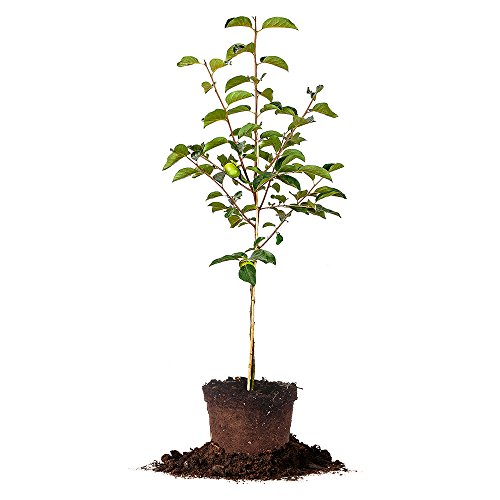
Perfect Plants Fuyu Persimmon Tree, 3-4 ft
CZ Grain American Persimmon Trees (3 Pack)

Possum Purple Passion Fruit 4 Pack

Fuyu Jiro Persimmon Tree, 5 gal.
CZ Grain 2 Live American Persimmon Trees

2 American Persimmon Trees, Quart Pots

5 American Persimmon Trees, 6-15″
CZ Grain 3 Pack American Persimmon Trees
A Deeper Look At The Lineup
The Perfect Plants Fuyu lands at the top of this list for a simple reason: it gets you to fruit fast without the guesswork. This is a grafted, self-pollinating Fuyu shipped at 3-4 feet, so you skip the multi-year seedling phase that frustrates a lot of new growers. Plant it in a sunny corner with loamy, well-drained soil and you should see your first orange-red acorn-shaped fruit within 1-2 years.
Non-astringent means the fruit stays sweet and edible even when firm, so you can bite in straight off the branch without the chalky pucker of unripe astringent types. Compared to the bare-root seedlings coming up later in the list, this Fuyu is bigger, older, and closer to fruit-bearing age on arrival.
The Upside
- Self-pollinating, so a single tree fruits reliably without a second tree nearby
- Non-astringent Fuyu means sweet, crisp fruit you can eat right off the branch
- Grafted tree at 3-4 feet often fruits within 1-2 years, much sooner than seedlings
- Reaches 15-20 feet at maturity, a manageable size for suburban lots
Things To Consider
- Container-grown and shipped in a pot, so you’ll pay more than bare-root options
- Mature height of 15-20 feet may be too large for tight urban lots or under power lines
Right Fit For
A first-time persimmon grower with a sunny backyard who wants the shortest path from planting to a real harvest.
Look Elsewhere When
You live in a colder USDA zone below 6, in which case the native American persimmon seedlings below handle winter far better.
While the Fuyu above wants warm summers, this CZ Grain pack leans into the cold side of the persimmon world. You get three bare-root dormant seedlings of Diospyros virginiana, the native American persimmon, each around 1-2 feet tall. Native trees shrug off winters down to USDA zone 4, which is a major advantage if you’re north of the Fuyu comfort zone.
The fruit is small, intensely sweet when fully ripe (after the first frost), and often used in baking, drying, and preserves. The honest trade-off is patience: bare-root seedlings take longer to fruit than grafted cultivars, sometimes 5-7 years. You’re also buying three trees, which spreads out a small orchard instead of one centerpiece.
What Makes Sense
- Native American persimmon thrives across USDA zones 4-9, including cold northern climates
- Three-tree pack spreads pollination risk and increases fruit set
- Dormant bare-root seedlings establish strong root systems quickly in well-drained soil
- Versatile fruit for fresh eating, drying, or baking once fully ripe
Trade Offs
- Bare-root seedlings ship dormant, so you’ll see slow above-ground growth the first season
- Expect a longer wait to first harvest compared to the grafted Fuyu above
- Some American persimmons need cross-pollination to fruit well, so plant all three in proximity
Built With In Mind
Northern and transition-zone growers who need a persimmon that handles deep winter cold without babying.
Consider Something Else When
You want fruit in year two rather than year five; the Perfect Plants Fuyu Persimmon Tree ahead of this one will get you there faster.
This one is a curveball on a persimmon list, and worth flagging outright. What you’re getting is Passiflora edulis, specifically the ‘Possum Purple’ cultivar, not a true persimmon. It’s included because backyard growers shopping for persimmon trees often also want a fast-growing edible vine for trellises and arbors, and this fills that adjacent slot nicely.
‘Possum Purple’ is self-fertile, meaning a single vine sets fruit without a pollinizer, which removes a common stumbling block for passion fruit. You get four starter plants, fragrant exotic blossoms, and the deep purple rinds of real maracuyá once the vine matures. The catch is trellis commitment: this is a climbing vine, not a freestanding tree, so your planting site has to support vertical growth.
Everyday Perks
- Self-fertile vine sets fruit on a single plant, no pollinizer needed
- Four-plant pack gives you backup starts and more fruiting coverage across a trellis
- Fragrant ornamental blossoms double as visual payoff before the fruit forms
- Grows well in large patio containers as well as in-ground beds
Points To Note
- Not actually a persimmon, so it doesn’t fit a strict Diospyros planting plan
- Requires a sturdy trellis, arbor, or fence for vertical support as it matures
Whose Shelf It Belongs On
Edible landscape growers with a sunny fence or pergola who want a fast vine alongside their persimmon tree.
Swap It Out When
Your goal is a single freestanding fruit tree; the CZ Grain American Persimmon Trees (3 Pack) earlier on this list serves that role better.
The 5-gallon Fuyu Jiro is the same cultivar family as the Perfect Plants tree up top, but in a noticeably larger container size. Bigger root ball, more established branching, and a head start on fruit production for growers who don’t want to wait out the slow establishment phase of smaller stock. You may find this jumps you a full growing season in the ground.
The catch is geographic. The listing restricts shipping to CA, AZ, AK, and HI because of agricultural import laws, so a chunk of the country has to skip this one entirely. For everyone else in the lower 48, it’s a thoughtful upgrade over the smaller 3-4 ft option if budget allows and your state is on the delivery list.
Positive Points
- 5-gallon container means a more developed root system than smaller potted trees
- Fuyu Jiro is the classic non-astringent persimmon with reliable sweet fruit
- Larger initial size shortens the time to first meaningful harvest
- Same self-pollinating convenience as the smaller Fuyu option
Honest Caveats
- Cannot ship to CA, AZ, AK, or HI due to agricultural restrictions, so check your state first
- Potted persimmon trees are sensitive to transplant shock and may need extra watering the first month
Best Suited To
Growers outside the restricted states who want a larger, more mature persimmon on day one.
Reach For A Different Pick When
You live in California, Arizona, Alaska, or Hawaii; the Perfect Plants Fuyu Persimmon Tree from earlier in this list avoids that shipping block.
This is the two-tree version of the same CZ Grain American persimmon seedlings reviewed earlier. You get two dormant bare-root seedlings of Diospyros virginiana at 1-2 feet, sized for easy handling and shipping. The smaller pack fits properties where three trees would feel crowded or where you’re simply pairing two for cross-pollination insurance.
American persimmons often fruit better with a pollinator nearby, and two trees close together is the simplest way to ensure a good fruit set. For most small backyards, two trees are plenty, and you’ll spend less than you would on a three-pack while still covering the pollination angle.
A Few Strong Suits
- Two trees provide natural cross-pollination, which improves fruit set on American persimmons
- Hardy across USDA zones 4-9, including cold northern climates where Fuyu struggles
- Bare-root seedlings establish quickly in well-drained soil with full sun
- Smaller pack size suits compact yards and starter orchards
Small Caveats
- Patience required, as bare-root native seedlings take years to reach fruiting size
- Dormant shipment means no visible greenery until spring break
Key Product Details
Who Should Grab It
Suburban growers who want a hardy native persimmon pair without committing to a full three-pack.
A Better Fit Elsewhere
You want quicker fruit on a grafted root; the Perfect Plants Fuyu Persimmon Tree earlier in this list is grafted and closer to fruiting age.
The 2-pack from Generic in quart pots arrives small, around 6-15 inches, but offers a slightly different experience than bare-root seedlings. Quart-potted trees have an intact root ball wrapped in soil, which can transplant with less shock than bare-root stock and start putting on top growth sooner. For cautious first-time growers, that lower shock factor matters.
You still get two Diospyros virginiana trees, so the pollination benefit carries over. Expect the same multi-year wait to first fruit, but with a gentler establishment curve in your soil. The fruit profile is the classic American persimmon, sweet with cinnamon and caramel notes when fully ripe, excellent for fresh eating, pies, and jam.
The Good Stuff
- Quart pots protect soil around roots during shipping, reducing transplant shock
- Two-tree pack supports cross-pollination for a better fruit set
- Native American persimmon adapts to diverse soil types and needs minimal care
- Versatile fruit for fresh eating, baking, and preserving once ripe
Soft Spots
- Small starter size at 6-15 inches means a longer path to mature fruiting
- Potted trees need careful watering the first few weeks until roots spread
Who Will Love This
Patient backyard growers who want a gentle-establishing native persimmon pair and don’t mind waiting for the harvest.
Another Choice May Suit
You want faster fruit production; the Perfect Plants Fuyu Persimmon Tree at the start of this list is grafted and ready to fruit sooner.
The five-pack version of the quart-pot American persimmon doubles down on the orchard-building angle. Five seedlings at 6-15 inches give you enough trees to space across a larger property, plant as a windbreak, or share with neighbors. The fruit is the same Diospyros virginiana: small, deeply sweet when fully ripe, perfect for baking, jam, and drying.
This is the right pick if you have real acreage or want a meaningful persimmon planting rather than a single accent tree. The trade-off is that five small seedlings need real planning: spacing, sun mapping, and protection from deer browse during the establishment years. Depending on your soil and your deer pressure, that early protection is not optional.
Everyday Wins
- Five trees let you build a small orchard or naturalized persimmon grove
- Native species tolerates a wide range of soil types and climates
- Quart-pot root balls reduce transplant shock compared to bare-root stock
- Multiple trees improve pollination odds across the planting
Practical Considerations
- Five trees require meaningful planting space, typically 15-20 feet between each
- Young persimmon seedlings commonly need protection from deer and rodents the first two years
- Long wait to first harvest on seedling-grown native trees
Made For
Rural and acreage owners ready to start a small persimmon planting across a larger piece of ground.
Not Your Match When
You only have room for one or two trees; the CZ Grain 2 Live American Persimmon Trees earlier in this list is a more proportional fit.
The CZ Grain three-pack is the most beginner-friendly option in this cold-hardy lineup. You get three well-rooted persimmon plants sized for easy home planting, marketed toward gardeners who want a sweet orange harvest without fuss. Native adaptability and cold tolerance mean you can plant them across most of the continental United States.
Three trees hit a sweet spot for backyard pollination and yield, generous fruit for fresh eating, baking, and preserves, without taking on a five-tree orchard footprint. The expected wait to first fruit is the standard seedling timeline, so patience is part of the package. For most home gardens, this is the right balance of effort and reward.
What Stands Out
- Three-tree pack balances pollination coverage with manageable spacing
- Beginner-friendly in full sun with well-draining soil and minimal care
- Bright orange fruit with rich sweetness at full ripeness
- Cold-tolerant once established, suitable for many USDA zones
Things To Weigh
- Seedling-grown trees take several seasons to reach fruiting maturity
- Young trees benefit from deer and rodent protection during establishment
Feature Snapshot
Perfect Match For
First-time fruit tree growers who want a cold-hardy persimmon trio without a learning curve.
Skip It When
You have a small yard or patio and only need a single statement tree; the Perfect Plants Fuyu Persimmon Tree from the start of this list fits that role.
What Matters Most Before Choosing Persimmon Trees
Asian Fuyu vs Native American
Asian persimmons like Fuyu and Jiro produce large, non-astringent fruit that you can eat while firm, with reliable sweetness. They prefer warmer climates (typically USDA zones 7-10), though some cultivars handle zone 6. Native American persimmons (Diospyros virginiana) handle cold down to zone 4 but produce smaller, astringent fruit that needs full ripeness after frost to taste sweet. For cold-climate gardeners, natives are the honest pick; for warm-zone growers chasing sweet, crisp fruit, Asian cultivars win.
Container Size and Tree Age
A 3-4 ft grafted tree in a 3-gallon pot is closer to fruiting than a 6-15 inch seedling in a quart pot, but the bigger tree costs more and is sensitive to transplant shock. Bare-root dormant seedlings are cheaper, ship lighter, and establish strong roots, but they sit in the ground for years before fruiting. Your patience and your shipping-zone constraints should drive this decision.
Pollination and Multi-Pack Sizing
American persimmons often fruit better with a pollinator nearby, so multi-packs (2, 3, or 5 trees) are useful even when you don’t need that much fruit. Asian Fuyu cultivars are self-pollinating, so a single tree works. For a small yard, one grafted Fuyu is plenty. For acreage or a multi-tree planting, a pack of natives covers both pollination and yield.
Climate and Hardiness Zone
Match the tree to your USDA zone, not the other way around. Planting a Fuyu in zone 5 invites winter dieback; planting a native American in zone 9 is fine but wasteful of your chill hours. Soil matters too: well-drained loam is the universal sweet spot, and heavy clay calls for raised beds or berms.
Key Considerations Across These Picks
Pitfalls Shoppers Hit
The most common mistake is ordering a tree that isn’t rated for your USDA zone, then watching it die back the first hard winter. Just as risky is buying a single American persimmon and expecting heavy fruit, since many native varieties need a cross-pollinator to set well. Bare-root seedlings that arrive looking like dead sticks also catch people off guard; dormant is normal, not dead, and the first real growth often waits for the second season.
Where The Extra Money Goes
The price jump from a bare-root seedling to a 5-gallon grafted Fuyu is mostly about time saved, not fruit quality. A grafted tree carries mature scion wood (the fruiting variety grafted onto a strong rootstock), so you skip the 5-7 year seedling phase. Bigger containers also mean less transplant shock and faster establishment. For most home growers, the upgrade pays off in year two or three when you’re already harvesting rather than waiting.
Frequently Asked Questions
How long does a persimmon tree take to fruit?
Grafted Fuyu and Jiro trees often fruit within 1-2 years of planting. Native American persimmon seedlings typically take 5-7 years to produce a meaningful harvest, though that wait is part of why they’re sold in multi-packs.
Do persimmon trees need full sun?
Yes, all the persimmons on this list prefer full sun with well-drained soil. Six to eight hours of direct light per day drives fruit production and sugar development, and shaded trees tend to grow leggy with light crops.
Are Fuyu persimmons self-pollinating?
Fuyu and Jiro Asian persimmons are self-pollinating, so a single tree fruits reliably. American persimmons benefit from a second tree nearby for cross-pollination, which is why many of the native options ship in 2, 3, or 5-pack configurations.
When do you harvest persimmons?
Fuyu types ripen from late September through October and can be picked while still firm. American persimmons need full ripeness, usually after the first frost, when the fruit softens and the astringency disappears into honeyed sweetness.
Can persimmon trees grow in cold climates?
American persimmon (Diospyros virginiana) thrives down to USDA zone 4, making it the right pick for northern states. Asian Fuyu types handle zones 7-10 reliably, with some cultivars coping with zone 6, but they struggle where winters drop below about 10°F.
Closing Remarks
The best persimmon tree for your yard is the one that matches your climate, your patience level, and your appetite for fruit. Grafted Fuyu types deliver quick harvests in warm zones, while native American persimmon packs handle cold winters and long-term orchard potential. Plant with full sun, well-drained soil, and a realistic timeline, and the autumn orange harvest will be worth the wait.
