

Ants march in single file across the kitchen counter, swarm the dog bowl on the patio, and push little dirt mounds up between pavers like they own the place. Picking the right pesticide matters more than grabbing whatever’s on the shelf. Different formulations target different ant behaviors, and the right match saves time, money, and a lot of frustration.
This list focuses on practical distinctions between outdoor bait granules, residual sprays, organic powders, and indoor liquid baits. You’ll see where each product fits, who it serves best, and where another pick on this list might suit you better. The goal is a calm, targeted approach to an annoying problem, with formulations suited to gardens, perimeter defenses, and interior infestations alike.
A Fast Comparison Of The Options

Neudorff Outdoor Ant Bait Granules for Organic Gardening 1 LB

Agrisel Bifenthrin Pro 7.9 Insecticide 1 Gallon

Syngreen Diatomaceous Earth Powder with Peppermint 1 lb

SUNDAY Ant Adios Outdoor Ant Killer 2 Pack, 2 lbs
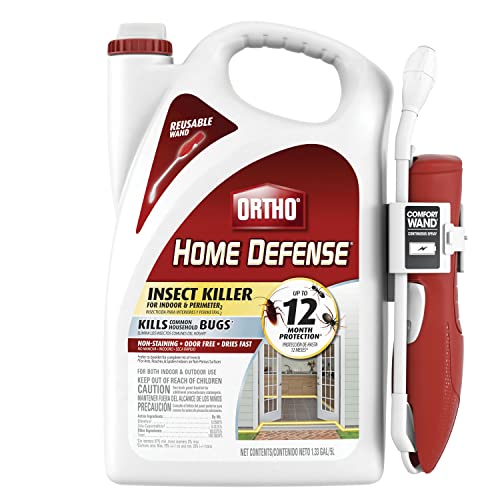
Ortho Home Defense Insect Killer Wand 1.33 gal

Atticus Talak 7.9% Bifenthrin Concentrate 32 oz

TERRO Liquid Ant Bait Stations 12-Pack T300B

Catchmaster Defiant Liquid Ant Bait Indoor Traps
A Deeper Look At The Lineup
If you keep a vegetable garden or herb bed and don’t want synthetic chemicals near your tomatoes, this granule bait is built for that exact scenario. The formulation targets the sweet-feeding ant species that tend to show up around moisture and plants, drawing workers away from their nests rather than chasing them across the patio.
Scattering the granules along the perimeter of a raised bed or around the base of problem plants gives a slow, steady release that keeps working through rain. Unlike the spray concentrates later in this list, there’s no mixing and no protective gear beyond basic gloves.
Practical Advantages
- Designed for organic gardening contexts, so it fits food-growing spaces where broad-spectrum sprays feel too aggressive.
- Targets several common outdoor species including pavement ants, moisture ants, and little black ants.
- Functions as a perimeter treatment, drawing ants outward before they reach doorways.
- Granule format means no measuring cups, sprayers, or dilution math.
- Effective window stretches around four weeks per application in typical backyard conditions.
Things To Consider
- The 1 LB pouch covers a modest footprint, so larger yards may need multiple applications or a bigger jug.
- Granules need dry weather for a stretch after spreading, or they break down faster than the label suggests.
- Doesn’t help much once ants have already moved indoors; better used as a defensive perimeter.
Best Suited To
Garden-focused households raising edibles who want outdoor ant pressure reduced without synthetic pesticide residues near food crops.
A Better Fit Elsewhere
For broad-yard coverage where ants and other insects are mixed problems, the Agrisel Bifenthrin Pro 7.9 Insecticide 1 Gallon handles a wider pest list on a single pass.
Bifenthrin is a synthetic pyrethroid, a class of insecticide modeled on natural chrysanthemum extracts, and this Agrisel concentrate leans hard into that active ingredient. The 1 gallon jug is sized for properties where ants are just one entry on a long pest list: spiders, fleas, mole crickets, stink bugs, and more fall within the label claims.
It’s a concentrate, so you’ll mix it into a pump sprayer before walking the lawn and foundation. For homeowners comfortable with dilution ratios and PPE, this becomes a one-product answer for several seasons of perimeter defense.
Notable Gains
- Covers a broad insect spectrum, reducing the need to buy separate products for spiders or fleas.
- One gallon stretches across multiple lawn treatments and perimeter applications.
- Useful in lawn, ornamental, and agricultural settings according to the label.
- Liquid concentrate format mixes into standard pump sprayers without proprietary hardware.
- Trusted active ingredient class with a long track record in residential pest control.
Points To Keep In Mind
- Mixing requires careful attention to ratios; over-concentrating wastes product and risks plant damage.
- Pet-safe handling depends on the formula drying completely before animals re-enter treated zones.
- Storage of a full gallon jug demands a cool, dry spot away from children and pets.
Feature Snapshot
Right Fit For
Homeowners with larger lots and mixed infestations who want a single concentrate that addresses ants alongside other crawling and lawn pests.
Look Elsewhere When
If you’d rather avoid measuring and mixing, the Ortho Home Defense Insect Killer Wand 1.33 gal comes ready to spray with a built-in applicator.
Diatomaceous earth (DE) is a fine powder made from the fossilized remains of tiny aquatic organisms called diatoms. On a microscopic level, the particles are sharp enough to damage the waxy outer coating of insects, leading to dehydration. The peppermint oil layered into this blend adds a scent-driven repellent angle for ants and other crawlers.
For households with cats that investigate every new object or dogs that lick baseboards, a non-chemical approach removes a lot of worry. The 1 lb pouch dusts along entry points, under sinks, and around pet feeding stations without leaving residues that worry curious noses.
Features That Help
- Dual-action approach: physical abrasion from DE plus scent deterrence from peppermint.
- Food-grade formulation makes accidental contact less concerning for households with kids or pets.
- Useful both indoors and outdoors, so a single pouch covers baseboards and patio edges.
- Targets a broader crawling-insect list than ants alone, including roaches, fleas, and bed bugs.
- No sprayer, no mixing, no protective respirator required for casual application.
Worth Noting
- DE works slowly and needs dry conditions to stay effective; wet kitchens or outdoor dew shorten its lifespan.
- The fine dust can irritate lungs during application, so a basic dust mask helps during heavy use.
- Peppermint scent fades within days, so reapplication becomes part of the routine.
Made For
Pet owners and families who want to control ants without synthetic chemicals, especially in spots where animals sleep or eat.
Swap It Out When
For a faster-acting indoor option against sugar ants in the kitchen, the TERRO Liquid Ant Bait Stations 12-Pack T300B delivers results within days.
Spinosad is a biological insecticide derived from a naturally occurring soil bacterium, and that’s the engine behind this yard treatment. The 2-pound two-pack covers up to 4,000 square feet, which fits the average suburban lot comfortably. Ants, earwigs, cutworms, and similar crawlers are all on the target list.
Patience matters here. Results typically show within 3 to 14 days, which is slower than a contact-kill spray but tends to deliver longer-lasting colony reduction. For homeowners who want biological control without scheduling repeat sprays every weekend, the slower timeline becomes a feature rather than a drawback.
Useful Strengths
- Spinosad active ingredient has a strong safety profile for beneficial insects when applied as directed.
- Treats up to 4,000 sq ft per application, covering most mid-size yards in one pass.
- Targets multiple outdoor pests, reducing separate purchases for earwigs and cutworms.
- Two-pack format supports seasonal re-treatments without placing another order.
Some Limits To Know
- The 3 to 14 day window means ants stay active during the early days of treatment.
- Granules need watering-in or rainfall to activate, so dry stretches delay results.
- Not suited for spot-treating indoor trails; strictly an outdoor yard product.
Spec Overview
Who It Suits Best
Homeowners with mid-size lawns who prefer biological active ingredients and can wait a week or two for full colony decline.
Where Another Pick Suits Better
For a faster perimeter knockdown around a foundation, the Agrisel Bifenthrin Pro 7.9 Insecticide 1 Gallon delivers contact results within hours.
The wand applicator is the headline feature here, and it’s a real differentiator. Instead of wrestling with a pump sprayer, you extend the wand, squeeze the trigger, and lay a continuous barrier along baseboards, door frames, and the foundation exterior. For indoor use and perimeter work, that’s a much friendlier experience than hauling a tank.
The formula targets a wide pest list including ants, roaches, spiders, and several occasional invaders. On non-porous indoor surfaces, the residual barrier can last up to 12 months, which is meaningful for anyone who treats ant prevention as a seasonal chore rather than a monthly ritual.
Well-Handled Touches
- Built-in wand eliminates the need for a separate pump sprayer.
- Residual indoor barrier on non-porous surfaces holds for up to 12 months.
- Covers a broad pest list relevant to both kitchens and garages.
- 1.33 gallon size handles whole-house perimeter treatments in a single purchase.
- Bottle shape and trigger grip reduce hand fatigue during longer applications.
Potential Drawbacks
- Long residual life means careful application; over-spray on fabrics or food prep surfaces is hard to undo.
- The formula needs drying time before pets or children return to treated zones.
- Not designed for vegetable gardens or edible plant zones.
Perfect Match For
Households dealing with recurring indoor ant pressure who want a ready-to-use barrier spray without any measuring or mixing.
Not Your Match When
For purely outdoor garden ant pressure where food plants are nearby, the Neudorff Outdoor Ant Bait Granules for Organic Gardening 1 LB is a more appropriate fit.
Talak 7.9% is the same active ingredient you’ll find in long-standing professional-grade products, repackaged into a 32 ounce concentrate. Bifenthrin has been trusted in pest control for decades, and this formula works in both indoor and outdoor settings, which simplifies the shelf at home.
For applicators who already own a pump sprayer and understand dilution math, this concentrate delivers serious flexibility. The water-based formula mixes cleanly and applies across lawns, ornamental beds, and indoor perimeter zones without leaving heavy solvent residue.
Everyday Perks
- 7.9% bifenthrin concentration delivers strong residual activity in a small bottle.
- Works indoors and outdoors, so a single concentrate handles multiple treatment zones.
- Water-based formula reduces odor and staining compared to solvent-heavy alternatives.
- 32 oz size is manageable for storage while still covering multiple applications.
- Trusted active ingredient class with a long professional track record.
Less Ideal Details
- Smaller volume than the Agrisel gallon, so larger properties may need multiple bottles.
- Requires careful label reading since indoor and outdoor uses have different dilution rates.
- Not a beginner-friendly product; first-time users may want a ready-to-spray option instead.
Quick Facts
Whose Shelf It Belongs On
Experienced DIY applicators with a pump sprayer who want professional-grade flexibility across indoor and outdoor treatment zones.
Skip It When
For a no-mix perimeter treatment on a tight timeline, the Ortho Home Defense Insect Killer Wand 1.33 gal is the more accessible pick.
Liquid ant baits work on a different principle than sprays. Worker ants carry the sugary borax-based liquid back to the colony, where it spreads to other ants through trophallaxis, the mouth-to-mouth food sharing behavior that social insects rely on. TERRO’s 12-pack is the classic version of that approach, and it remains a kitchen-counter staple.
You’ll see ants swarm the stations for the first day or two, which is counterintuitive but actually a good sign. The workers are recruiting nestmates to the food source. Within about a week, the colony population collapses, and trails disappear.
Reasons It Performs
- Targets the entire colony rather than only the visible foragers.
- 12 stations support placement across multiple rooms and entry points.
- Pre-filled stations mean no pouring, measuring, or bait mixing.
- Low-profile design slides along baseboards without disrupting foot traffic.
- Discreet appearance fits under sinks, behind trash cans, and along pantry edges.
Practical Considerations
- Initial ant swarm around stations can look alarming even when working as intended.
- Stations run dry after a few weeks and require replacement or refilling.
- Not designed for yard use; strictly an indoor product.
Who Should Grab It
Anyone dealing with a recurring kitchen or pantry ant trail who wants colony-level elimination rather than surface-only knockdown.
Consider Something Else When
For a refillable, longer-term indoor bait system, the Catchmaster Defiant Liquid Ant Bait Indoor Traps offers a year’s worth of refill supply.
The Defiant system pairs a 3.38 ounce liquid bait bottle with four reusable station shells that stack into two covered traps. That refill bottle is sized to supply roughly a year of refills for the average household, which is unusual in a category dominated by disposable units.
For someone facing their first serious ant problem, this takes the guesswork out. You place the stations along trails, refill as the liquid drops, and watch the population fall off. The covered shells also reduce the chance of curious pets or kids getting into the bait.
What It Does Well
- Refillable design cuts down on disposable plastic over the course of a year.
- 3.38 oz bait bottle provides long-term supply for ongoing ant management.
- Covered station shells protect bait from dust, spills, and curious pets.
- Stackable configuration creates two sturdy traps from four shells.
- Clear instructions support first-time users without prior experience.
Where It May Fall Short
- Stations need occasional cleaning as ants leave debris behind.
- Liquid evaporates over time even in covered shells, so refill frequency depends on room humidity.
- Works best against sugar-feeding species; grease ants may need a different bait base.
Who Will Love This
First-time ant problem solvers who want a low-commitment, refillable system that doesn’t require measuring or mixing.
Reach For A Different Pick When
For heavier colony pressure across multiple rooms, the TERRO Liquid Ant Bait Stations 12-Pack T300B spreads coverage wider without refilling.
Choosing the Right Formula for Your Situation
Picking the right ant pesticide starts with three honest questions: where are the ants, how big is the problem, and how much mixing or spraying do you actually want to do. Indoor kitchen trails point toward liquid bait stations like TERRO or the Catchmaster Defiant. Outdoor perimeter pressure along the foundation calls for a residual spray or granule treatment. Garden beds close to food crops benefit from organic-leaning options that don’t leave residues near harvest.
Liquid concentrates such as Agrisel Bifenthrin Pro 7.9 or Atticus Talak 7.9% give experienced DIYers flexibility across multiple zones, but they demand a pump sprayer and careful dilution. Ready-to-spray products like Ortho Home Defense remove that learning curve. Biological actives such as the spinosad in SUNDAY Ant Adios appeal to households who prefer slower-acting, biologically derived solutions.
For pet owners and families with young children, a non-chemical powder like the Syngreen Diatomaceous Earth blend reduces exposure concerns while still addressing multiple crawling pests. The honest read is that no single product covers every scenario. Most households end up combining an outdoor perimeter treatment with an indoor bait strategy for the strongest long-term result.
Matching Active Ingredients to Ant Behavior
Bifenthrin-based products work through contact and residual activity, killing ants that cross treated surfaces. Spinosad disrupts insect nervous systems after ingestion or contact but breaks down faster in the environment. Borax-based liquid baits rely on slow toxicity that spreads through the colony over several days. Diatomaceous earth physically damages the insect cuticle, the waxy outer layer that holds body moisture in.
Considering Coverage and Application Time
A 4,000 square foot yard treatment takes one walk with granules but multiple hours with a pump sprayer. Ready-to-spray wand products shorten that time considerably. Indoor bait stations take seconds to place but require a multi-day waiting period before results appear.
Factoring In Household Sensitivities
Pets that roam treated lawns, kids who play on the patio, and garden beds near food crops each push the formula choice in different directions. Honest label reading is non-negotiable regardless of which product you choose.
Key Considerations Across These Picks
Pitfalls Shoppers Hit
The most common mistake is reaching for a broad-spectrum spray when a targeted bait would do the job. Sprays kill only the ants you see, leaving the colony intact to send out another wave in a few days. Another misstep is mixing indoor and outdoor products without checking labels, which can lead to over-application in transitional zones like garages and basements.
Where The Extra Money Goes
Higher-priced concentrates typically deliver stronger active ingredient percentages, larger volumes, or multi-pest coverage in a single jug. The trade-off is the upfront commitment to a sprayer and a learning curve on mixing. Spending more makes sense when you have multiple treatment zones and want one product to cover them all. For a single-room ant trail, a basic bait station is the smarter spend.
Frequently Asked Questions
How long does it take for ant bait stations to work?
Most liquid bait stations take 3 to 7 days to collapse a colony, since workers need time to carry the active ingredient back to the nest.
Can I use outdoor ant products on indoor ants?
Outdoor products often have higher concentrations and different label approvals, so indoor use can be unsafe. Always match the product to its labeled use site.
Are organic ant products effective against serious infestations?
Organic options like diatomaceous earth and spinosad work, but they tend to be slower than synthetic alternatives and may require repeat applications for heavy pressure.
How often should I reapply perimeter treatments?
Granule treatments typically need reapplication every 4 to 6 weeks. Residual sprays can last several months on non-porous surfaces. Always follow the specific product label.
Do I need to treat the whole yard for an indoor ant problem?
Treating the foundation perimeter and visible outdoor trails reduces the flow of ants indoors. Treating the entire lawn is rarely necessary unless ant mounds are spread throughout.
Closing Remarks
The right ant pesticide depends less on brand recognition and more on matching the formula to where ants enter, how big the colony is, and how much hands-on work you want to take on. Start by identifying the entry points and ant trails, then choose the product that targets those specific conditions. A combined approach, treating outdoor perimeters with one product and indoor trails with another, tends to deliver the most durable results.
