

Grubs and mole tunnels show up fast, and the moment a dog or cat treats the lawn like a buffet, harsh chemistry becomes a real concern. Pet households need a grub strategy that handles the pests without making the yard off-limits for the afternoon. The eight options below cover granular treatments, biological controls, and poison-free mole baits, each with clear trade-offs around pet exposure, coverage, and how fast the active ingredient gets to work.
The Main Contenders

Hi-Yield (33064) Grub Free Zone, 15 lbs
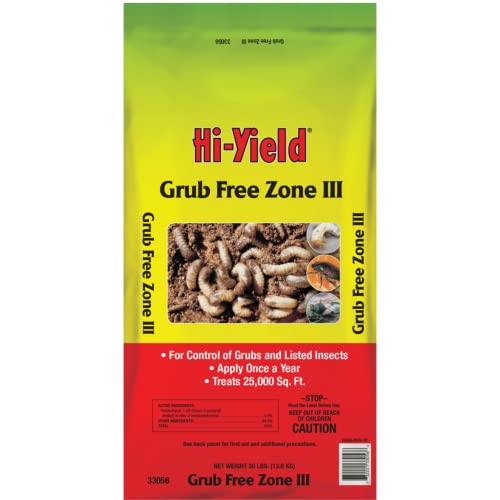
Hi-Yield (33056) Grub Free Zone III (30 lbs.)

MoleX Mole Control Bait Pellets (8 oz.)

Tomcat Mole Killer Grubs, 8 Grubs

Bonide Captain Jack’s Bug & Slug Killer Granules, 1.5 lb.
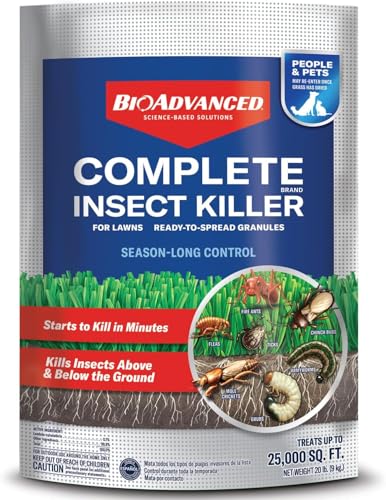
BioAdvanced Complete Brand Insect Killer Granules 20 lb

St. Gabriel Organics Milky Spore Granular Grub Control 15lb

Ortho Lawn Insect Killer Granules 20 lbs
A Closer Look At Each Pick
The Hi-Yield 33064 is the smaller sibling of the two Hi-Yield entries on this list, and it sits comfortably in that awkward middle ground where a full 5,000-square-foot treatment bag is more than enough without forcing a homeowner to wrestle a 30-pound sack through a side gate. The granular formula spreads with a standard broadcast or drop spreader, then waters in, and the label covers white grubs plus mole crickets, aphids, and a wider range of lawn and bed pests.
Pet households get the usual granular-grub trade-off: the active ingredient is a synthetic insecticide, so you keep dogs and kids off the treated turf until the lawn has been watered and dried. For most suburban lots that is a routine step rather than a deal-breaker, and the timing window from spring through summer lets you front-load the application before grubs hatch.
Everyday Wins
- Treats up to 5,000 square feet, a comfortable match for an average city lot or a generous front yard.
- Targets white grubs, mole crickets, aphids, and adelgids, so one bag handles several common lawn pests at once.
- Spring through summer application window lines up with the natural grub hatch cycle for proactive homeowners.
- Granular format works with any standard lawn spreader you probably already own.
Things To Consider
- Not a non-toxic option, so pets and children should stay off the lawn until the granules have been watered in and the area has dried.
- Smaller coverage than the 30-pound Grub Free Zone III, so very large properties will burn through the bag quickly.
- Application rates differ by pest, which means a careful read of the label matters more than a quick once-over.
Feature Snapshot
Best Suited To
Suburban homeowners working with a single bag of granular treatment on a modest lawn and willing to follow re-entry timing after watering in.
Skip It When
Properties over a quarter acre are a better match for the larger Hi-Yield Grub Free Zone III, which covers roughly five times the area per bag.
The Grub Free Zone III doubles down on everything the 15-pound bag does, with a 30-pound sack rated to cover up to 25,000 square feet of lawn or flower beds. For homeowners managing a half acre, a long driveway strip, or multiple landscaped beds, that scale matters because it cuts the number of refills mid-application. The label also pulls in ground covers and the base of ornamental trees, which broadens the use cases beyond open turf.
The catch shows up in storage and handling. A 30-pound bag is awkward to carry down a side yard, and once opened, the granules need to stay dry to spread reliably. You will want a dedicated garage corner or a sealed plastic tub for leftovers, especially in humid climates.
Real-World Strengths
- 25,000-square-foot coverage handles large lots, multi-bed landscapes, and small-acre properties without mid-project refills.
- Suitable for lawns, ground covers, flower beds, and around ornamental tree bases, a more flexible list than open-turf-only products.
- Targets grubs, mole crickets, and other listed insects through the spring and summer application window.
- Granular format again means compatibility with any standard homeowner spreader.
Trade-Offs To Consider
- Still a synthetic granular, so pets and kids need the same re-entry timing as the smaller Hi-Yield bag after watering.
- Bulk size makes the bag harder to maneuver and store, especially for homeowners with limited shed space.
Right Fit For
Owners of larger suburban lots, multi-bed landscapes, or anyone who wants one purchase to cover the whole property rather than buying smaller bags twice.
Consider Something Else When
Small, fenced yards under 5,000 square feet get better value and easier handling from the 15-pound Hi-Yield 33064.
Pet households dealing with active mole tunnels tend to panic at the word “bait,” but MoleX takes a different path: an all-natural, non-toxic pellet formulated to drive moles out of treated runs without traditional poison. The 8-ounce pouch is small enough to keep on a garage shelf and doesn’t require mixing or spraying, so the application is closer to dropping pellets into a tunnel than a chemical treatment.
Where it differs from the grubs-and-lawn picks earlier in the list is the targeting. This isn’t a broad-spectrum lawn treatment, it’s a mole-specific solution, and that focus makes it a smart companion product for households that already use safer lawn products for surface pests.
Advantages To Know
- Pet-safe formulation removes the re-entry headache that comes with most mole-control products.
- Ready-to-use pellets skip mixing, spraying, and the strong chemical smell common to other baits.
- Works for both indoor and outdoor mole activity, which is unusual for the category.
- Small 8-ounce bag stores easily in a garage or shed between applications.
Honest Caveats
- Targets moles rather than grubs, so it won’t replace a lawn-grub treatment in properties with active beetle-larva damage.
- Mole populations vary, and a stubborn tunnel network may need follow-up applications to fully clear.
Key Attributes
Made For
Pet owners whose main pest problem is active mole tunneling rather than lawn-wide grub infestation, and who want to skip the chemical-bait category.
Look Elsewhere When
Grubs are the visible problem (brown patches, birds tearing up turf) and you need a broader-spectrum lawn treatment like the BioAdvanced or Ortho granular options.
Tomcat approaches mole control from a behavioral angle. The product is shaped and flavored to mimic a mole’s natural food, the grub, which means moles may take a lethal dose in a single feeding rather than learning to avoid the bait. That mimicry is the entire reason this product looks the way it does, and it differentiates Tomcat from pellet-style repellents like the MoleX entry earlier.
Pet households will read the active ingredient list carefully, since this is a true toxicant, not a non-toxic repellent. The bait is sized for tunnel placement, and tunnel placement keeps it away from surface grazers, but it still requires careful handling and storage around curious dogs.
Everyday Perks
- Grub-shaped bait exploits a mole’s natural foraging instinct, so acceptance tends to be high.
- Single-feeding lethality reduces the duration of bait placement in active tunnels.
- Designed against most common mole species, which covers the bulk of suburban infestations.
- Compact 8-grub pack is enough for several active runs without committing to bulk bait.
Points To Keep In Mind
- Toxic to pets if a dog digs up and chews a placed grub, so bait placement and timing matter more than with the MoleX pellets.
- Moles may take two or more days to die after consuming a lethal dose, which delays results.
- Regional restrictions apply, including limits on certain species and sale restrictions in specific states.
Who It Suits Best
Homeowners with established mole damage who are comfortable handling a toxic bait carefully and need a fast-acting single-feeding product.
Reach For A Different Pick When
Pet households that want to avoid toxic baits entirely should pick the non-toxic MoleX pellets instead, accepting that the action profile is slower.
Captain Jack’s slots into a different corner of the grub-and-pest universe. Where the Hi-Yield and BioAdvanced bags treat open lawn, this small 1.5-pound shaker targets the pests that chew vegetable gardens and berry beds: slugs, snails, cutworms, earwigs, pill bugs, sow bugs, and crickets. That makes it a strong fit for raised beds, kitchen gardens, and edible borders where broad-spectrum lawn granules feel like overkill.
The tradeoff is coverage. A 1.5-pound pouch treats modest garden footprints, so larger edible landscapes need multiple containers or a different product. Owners of large vegetable plots tend to pair this with a perimeter treatment rather than rely on it for whole-property defense.
What Stands Out
- Targets the slug, snail, and soft-bodied pest set that ruins leafy crops and berries.
- Suitable for vegetable, fruit, and berry gardens, which broadens edible-garden use beyond grub control.
- Pelletized bait lures pests out of mulch and dense foliage where sprays struggle to reach.
- One application lasts up to a month, reducing repeat-treatments during a typical growing season.
Worth Noting
- Coverage is limited compared with 15- and 30-pound lawn bags, so big gardens need more than one container.
- Slug-and-bug focus means it won’t replace a true grub-and-mole-cricket lawn treatment.
Quick Facts
Who Will Love This
Raised-bed and kitchen-garden growers who want slug-and-bug control in a small package without broadcasting granules across the entire lawn.
A Better Fit Elsewhere
Whole-lawn grub pressure with visible turf damage is a better match for a 15- or 30-pound granular like the Hi-Yield 33064 or BioAdvanced bags.
The BioAdvanced 20-pound bag is the broadest lawn defender in this lineup. The formula is built to kill listed insects both above and below the surface, which means surface feeders like ants and ticks fall alongside subsurface grubs and mole crickets. For homeowners who want one granular that handles a long pest list rather than chasing individual treatments, that combination is the draw.
Pet households will treat this much like the Hi-Yield bags: water in, let dry, and keep curious pets off the lawn until the area is ready. The 20-pound format lands between the small 15-pound Hi-Yield and the bulk 30-pound Hi-Yield III, which makes it a reasonable middle for medium-sized suburban lots.
The Upside
- Fast-acting formula targets ants, fleas, ticks, chinch bugs, mole crickets, and grubs in one pass.
- Surface-plus-subsurface action catches pests other granulars miss.
- Works on lawns and around ant mounds near the home, a useful perimeter plus.
- Ready-to-spread granules skip any mixing step.
Practical Considerations
- Synthetic active ingredient means the standard post-application re-entry window applies before pets and kids return.
- Coverage falls between the 15- and 30-pound Hi-Yield bags, so very large or very small properties may find a better-sized option elsewhere.
Perfect Match For
Suburban lawns with mixed pest pressure where grubs, ants, and ticks all show up together and one product handles the lot.
Swap It Out When
Households committed to organic lawn care should pick the St. Gabriel milky spore granular for a biological grub-control path instead.
Milky spore is the slow-and-steady option in this lineup, and St. Gabriel’s granular format makes it easier to spread than the powder version older gardeners may remember. The biological approach works continuously through the year once established, with no need for repeated seasonal treatments the way synthetic granules demand. For organic-minded households, that hands-off cadence is the appeal.
The honest read is that milky spore is a multi-season strategy rather than a rescue treatment. You spread it once, the spore population builds in the soil, and grub pressure drops gradually over several growing seasons. Households facing a sudden grub emergency should still consider a faster-acting synthetic while the milky spore takes hold.
Standout Benefits
- Organic, non-toxic profile fits households that avoid synthetic lawn chemicals altogether.
- Works continuously throughout the year regardless of weather, with no repeated seasonal reapplications.
- Safe for use around food crops and residential areas, including gardens where pets roam.
- 15-pound bag covers a meaningful lawn footprint for typical suburban properties.
Factors To Consider
- Grub pressure drops gradually over multiple seasons rather than within a single treatment cycle.
- Targets grubs specifically, so it won’t address ants, ticks, or surface pests that the BioAdvanced or Ortho bags handle.
- Patience is required, and impatient homeowners may mistake slow results for product failure in year one.
Feature Rundown
Built With In Mind
Organic-focused homeowners with a multi-season outlook who want grub control that fades out of mind after the initial application.
Another Choice May Suit
Households dealing with a fast-moving grub outbreak and visible turf damage are better served by the faster-acting Hi-Yield or BioAdvanced granulars.
Ortho rounds out the list with the highest-coverage granular in the roundup, a 20-pound bag rated to treat up to 20,000 square feet of lawn, garden, and landscape. The formula targets a long list of listed insects including ants, spiders, fleas, ticks, and grubs in home gardens, with contact-kill above and below the surface and a three-month residual window for ongoing defense.
Pet households will notice the same re-entry pattern as the other synthetics here: apply, water in, allow to dry, then bring pets back onto the treated turf. The application calls for a Scotts spreader and a thorough watering pass, which adds a step but is well within the routine of any homeowner already comfortable with granular lawn care.
Notable Gains
- Up to 20,000-square-foot coverage handles larger suburban lots without a second purchase.
- Three-month residual control reduces the number of seasonal reapplications.
- Multi-target formula covers ants, spiders, ticks, fleas, and grubs in one pass.
- Suitable for lawns, flower beds, vegetable gardens, and home-foundation perimeters, a versatile use list.
Possible Compromises
- Synthetic active ingredients require the standard post-application re-entry window for pets and children.
- The pest list is long but selective, so specific regional pests may still need a separate product.
- Three-month residual protection is impressive, but households that want a strictly organic lawn should consider the St. Gabriel milky spore granular instead.
Whose Shelf It Belongs On
Larger suburban homeowners who want one application per season to cover multiple pest types across lawn, garden, and foundation zones.
Not Your Match When
Small-lot owners and organic-only households are better served by the 15-pound Hi-Yield 33064 or the St. Gabriel milky spore option, respectively.
What Matters Most Before Choosing Pet Safe Grub Killers
Coverage and Bag Size
Granular grub products come in everything from a 1.5-pound Bonide shaker to a 30-pound Hi-Yield bulk bag. The right call depends on the actual square footage of lawn or bed you plan to treat, with most suburban lots landing somewhere in the 5,000 to 10,000-square-foot range that a 15- to 20-pound bag handles in one pass. Larger landscapes need 25,000-square-foot coverage or multiple bags, while raised beds and kitchen gardens get more from a small, pest-specific pouch like Captain Jack’s.
Active Ingredient and Pet Exposure
Pet households need to weigh two trade-offs. Synthetic granules like the Hi-Yield, BioAdvanced, and Ortho options kill quickly but require a re-entry window after watering and drying. Biological options like St. Gabriel milky spore take longer to build pressure but skip the re-entry concern. Mole-specific baits split similarly: MoleX pellets are non-toxic, while Tomcat Mole Killer Grubs is a true toxicant that demands careful placement.
Target Pest List
Read the label closely, since “grub killer” can mean very different things across products. The Hi-Yield and BioAdvanced bags target grubs plus mole crickets and a handful of surface pests, while Ortho’s longer list covers ants, spiders, fleas, and ticks. Captain Jack’s targets slugs, snails, and chewing pests in vegetable gardens rather than open-lawn grubs. Moles need a separate bait strategy entirely, since lawn granules won’t clear active tunneling.
Application Method and Timing
Most granulars need a broadcast or drop spreader and a watering pass, with the standard application window running from spring through summer before grubs hatch. Milky spore breaks that mold by working year-round without a hatch deadline, while Tomcat baits need tunnel placement rather than surface spreading. The honest read is that timing matters as much as the bag choice for visible results in the first season.
Key Considerations Across These Picks
Pitfalls Shoppers Hit
The most common mistake is buying a granular bag without measuring the lawn first, which leaves owners short on coverage or swimming in leftover product. Another slip is treating “grub killer” as a one-pest solution when the real problem is mole damage or surface-feeding insects. Pet households also underestimate the re-entry window after watering in, so plan to keep dogs and kids off the lawn until it has fully dried.
When Paying More Pays Off
The price gap between a 15-pound synthetic bag and a 30-pound bulk version comes down to coverage, not strength. Larger properties genuinely save time and refill trips with the bigger bag. Stepping up to a multi-target formula like Ortho or BioAdvanced costs more than a grub-only product, but it replaces two or three separate treatments across the season, which tends to offset the upfront difference for households with mixed pest pressure.
Frequently Asked Questions
Are pet safe grub killers actually safe for dogs and cats?
Pet safe grub killers fall into two camps: non-toxic formulations like the MoleX pellets and St. Gabriel milky spore, which carry minimal risk once applied, and synthetic granules that require keeping pets off the treated lawn until watered in and dried. Always read the specific product label for re-entry timing rather than relying on the category label alone.
When is the best time to apply grub control?
Most synthetic granulars work best when applied in late spring through early summer before grubs hatch and start feeding on grass roots. Milky spore is the exception, since it works continuously once established rather than on a hatch-driven window. Soil temperature and local climate matter, so check the label for your region before timing the application.
How long does it take to see results?
Synthetic granulars typically reduce grub activity within a few weeks of application, while milky spore builds gradually across multiple growing seasons. Mole baits can take two or more days after consumption for results to show, and slug-and-bug pellets usually knock down populations within the first week after application.
Can I use grub killer on a vegetable garden?
Some products, like Captain Jack’s Bug & Slug Killer Granules, are designed for vegetable, fruit, and berry gardens. Standard lawn granules like the Hi-Yield, BioAdvanced, and Ortho bags are formulated for turf and ornamental beds, so check the label before applying them anywhere food crops are growing.
Do I need to water in granular grub treatments?
Most granular grub products require watering after application to move the active ingredient into the soil where grubs feed. Skipping the watering pass reduces effectiveness and may leave surface residue that pets could contact before it has settled.
The Takeaway
The right pet safe grub killer depends on what your lawn actually faces. Fast grub outbreaks call for a synthetic granular like the Hi-Yield 33064 or BioAdvanced bag, organic-minded households get the most from St. Gabriel milky spore over time, and active mole tunnels point toward MoleX for non-toxic bait or Tomcat for faster toxicant action. Match the bag to your square footage, your pet tolerance for re-entry timing, and the specific pest list on the label, and the rest tends to fall into place.
