

Healthy plants start below the surface, and the right soil pH tester takes the mystery out of what’s happening in your beds and pots. Whether you’re troubleshooting yellowing leaves, prepping a new lawn, or just curious about the dirt under your tomatoes, a reliable meter turns guesswork into a number you can act on. These eight options cover casual indoor gardeners, weekend lawn warriors, and serious soil sleuths who want lab-grade accuracy at home.
A Closer Look At The Lineup
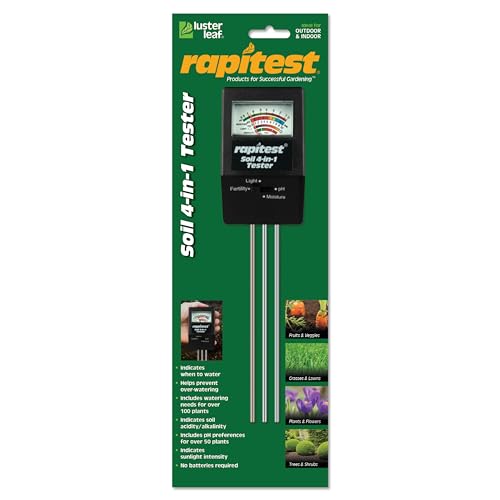
Luster Leaf 1818 Rapitest 4-in-1 Soil Tester

Luster Leaf Rapitest Digital Soil pH Meter

Gain Express Soil pH and Moisture Meter 295mm

Dewilde Trading Co 100 Soil pH Test Strips

AiGerdinn 2-in-1 Soil Moisture and pH Meter

HSLGOVE 7-in-One Soil Test Kit Dual Screen

AiGerdinn 4-in-1 Soil Tester with Large Dial

Tadeto Digital pH Meter with Thermometer
More On The Choices That Made The List
The Luster Leaf 1818 Rapitest is the kind of tool that quietly earns a permanent spot in a gardener’s shed. Its triple-probe design reads four different soil conditions at once: moisture, light exposure, fertility, and pH. You simply slide a switch on the face and watch the needle move. No batteries, no calibration rituals, no menus to navigate.
For beginners juggling a few houseplants or a modest backyard bed, this is a sensible starting point. You won’t get laboratory precision, but you’ll get fast feedback that helps you stop overwatering that sad-looking fern or figure out why your tomato patch isn’t thriving. Compared to the more specialized digital meters later in this list, the Rapitest trades pinpoint accuracy for sheer convenience.
What Helps Most
- Four indicators in one probe save you from buying separate meters for each reading.
- Battery-free operation means it works the moment you unwrap it, even after a winter in storage.
- The analog needle is readable at a glance, which helps during quick checks between other gardening tasks.
- Handy for diagnosing whether a struggling plant needs hydration, different light, or a pH adjustment before you reach for fertilizer.
Things To Consider
- Probe-style meters can give inconsistent readings in very rocky or compacted soil.
- It is designed for soil use only, so testing liquids or slurry will throw off the results.
Feature Snapshot
Who It Suits Best
Casual gardeners and houseplant owners who want a single affordable tool for everyday plant care checks.
Consider Something Else When
Choose the Luster Leaf Rapitest Digital Soil pH Meter instead if you specifically want a numeric pH reading rather than a relative scale.
If your gardening headaches come down to a single question, “is my soil too acidic or too alkaline?”, this Luster Leaf digital meter answers it directly. Designed and engineered in the USA, it focuses exclusively on pH, giving you a numeric reading between 3.5 and 9.0 on a clear LCD screen. That specificity is what separates it from the broader 4-in-1 analog tester that opened this list.
The included plant-preference list is genuinely useful for beginners mapping their beds. You check the reading, glance at the list, and learn that blueberries want something far more acidic than roses. The probe-only design means it works without batteries, though you’ll still want to clean and dry the tip between uses to keep the readings honest.
Why It Works Well
- A real numeric pH value beats a vague “acidic/alkaline” color band for anyone tracking changes over time.
- Compact, single-purpose design is easy to stash in a garden tote.
- No batteries required, so it stays ready between seasons.
- The bundled plant list helps translate raw numbers into actionable plant choices.
Worth Noting
- It is intended for soil only, not for testing nutrient solutions or compost tea.
- Probe readings can drift if the tip isn’t cleaned after particularly wet or fertilized samples.
Made For
Vegetable gardeners and lawn owners who want a clear numeric pH reading without buying a full lab kit.
A Better Fit Elsewhere
Pick the Luster Leaf 1818 Rapitest 4-in-1 instead if you also care about moisture and light readings alongside pH.
Most consumer soil probes run short, which is fine for a windowsill herb garden but limiting once you start working with raised beds, established shrubs, or potted trees. The Gain Express meter stretches to 295mm, putting the sensing tip well into the root zone without forcing you to dig first. That’s a meaningful upgrade for serious outdoor work.
It also reads both pH and moisture on a side-by-side dial, so you can see whether dryness or pH imbalance is the more pressing problem. Compared to the compact AiGerdinn dual-dial unit later in the list, this one trades a slimmer build for reach and sturdiness. You feel the difference the moment you slide it into packed soil.
Points In Its Favor
- The extra-long probe reaches deeper-rooted plants and raised beds that shorter meters can’t access.
- Sturdy construction feels more at home in commercial settings like vineyards or orchards.
- Combined pH and moisture display cuts down on tool-swapping during a check.
- No batteries needed, which is helpful for field use far from a power source.
Trade Offs
- The longer shaft is overkill for small houseplant pots and can be awkward indoors.
- Probe-style meters of this size commonly need cleaning and drying between samples to stay accurate.
Right Fit For
Outdoor growers with deep beds, mature shrubs, or small orchard setups who need to test below the surface.
Skip It When
The AiGerdinn 2-in-1 Soil Moisture and pH Meter is a better match for indoor plant care where reach matters less.
Sometimes a probe is more than you need. Dewilde Trading Co’s strip kit gives you 100 individual pH tests covering the 3.5 to 9.0 range, which is wide enough for nearly any garden or lawn situation. You mix a soil sample with water, dip a strip, and compare the color to the chart on the packaging. No electronics, no probes to clean, no batteries.
Strips are particularly handy when you’re testing many spots across a yard and don’t want to keep wiping a probe between dips. The trade-off is interpretive: colors vary based on how you prepared the sample, and reading them in dim porch light can lead to a slight misjudge. For most casual gardeners, the answer is close enough.
Where It Helps
- 100 tests in one kit means you can sample multiple beds or track changes across a whole growing season.
- No equipment to maintain, calibrate, or break, which is great for low-maintenance gardeners.
- Works for gardens, lawns, houseplants, and container veggies alike.
- Portable enough to toss in a bag for community garden or plot testing.
Points To Keep In Mind
- Color-matching is less precise than a digital meter, so you’ll get an approximate range rather than an exact number.
- Mixing and dipping takes a few minutes per test, which adds up across a large yard.
Best Suited To
Beginners and budget shoppers who want a low-fuss way to spot-check pH across multiple planting zones.
Reach For A Different Pick When
The HSLGOVE 7-in-One Soil Test Kit is a smarter choice if you want digital precision across multiple soil variables.
Houseplant collectors tend to ask two questions in sequence: “is the soil dry?” and “is the pH off?”. The AiGerdinn 2-in-1 meter answers both on a dual-dial face, so you don’t have to swap tools mid-check. The white housing looks tidy on a potting bench, and the no-battery design keeps things simple.
It is built for soil only, so the instructions are clear: don’t dip it in fertilizer solution or compost tea. For indoor use, that limitation rarely matters. Compared to the broader 4-in-1 tester from the same brand further down, this is a focused tool for people who already know they want moisture and pH and nothing else.
A Few Highlights
- Dual-dial layout shows moisture and pH simultaneously, which speeds up routine plant care.
- Beginner-friendly: unbox, insert, read.
- No batteries, no charging, no fuss.
- Useful for diagnosing yellowing leaves or drooping stems without guesswork.
Honest Caveats
- Compact probe length is fine for pots but limiting for deep garden beds.
Spec Overview
Who Will Love This
Indoor plant owners who want a simple, dependable meter for routine watering and pH checks.
Another Choice May Suit
Pick the Gain Express Soil pH and Moisture Meter instead for outdoor beds where a longer probe matters more.
The HSLGOVE kit goes further than most consumer testers by adding an LCD readout for soil pH, fertility, and temperature alongside an analog dial for moisture and ambient air temperature plus humidity. The seven-in-one pitch is real, and the included reference card helps translate the digital numbers into actionable adjustments.
Three batteries power the screen, and the device warns you not to test liquid or watery soil, since that can throw off the probe. For gardeners who like logging readings and watching trends over a season, the digital readout gives you something more concrete than a needle to track.
Features That Help
- LCD screen delivers numeric pH, fertility, and soil temperature readings for trend tracking.
- Includes ambient air temperature and humidity, so you can monitor the microclimate around your plants.
- Built-in reference card simplifies plant-specific interpretation.
- One device covers moisture, pH, fertility, soil temp, air temp, humidity, and light.
Factors To Consider
- Battery-powered, so you will need to replace all three batteries periodically.
- Not designed for liquid testing, which means compost teas and nutrient solutions are off-limits.
- The learning curve is steeper than a simple analog probe.
Technical Highlights
Perfect Match For
Data-driven gardeners who want multiple soil and environmental variables tracked from one device.
Look Elsewhere When
The Luster Leaf 1818 Rapitest 4-in-1 is a better pick for gardeners who want a no-battery tool and don’t need digital numbers.
The AiGerdinn 4-in-1 tester is essentially the brand’s answer to the Luster Leaf Rapitest that opened this list, with an oversized dial that is easier to read across a busy garden bed. It measures moisture, pH, fertility, and sunlight using a single probe and a side switch, and it stays battery-free for hassle-free storage.
The instructions are unusually clear: moisten the soil first, compact around the probe, and don’t test during watering or in soupy conditions. That last point matters, because probe-style meters of this type are commonly criticized when people try to use them in flooded pots. Follow the steps and the readings stay consistent.
Useful Highlights
- Oversized dial is easier to read at arm’s length than standard analog meters.
- Four measurements cover the most common plant-care questions in one tool.
- No batteries, so it works straight out of the package after months in a drawer.
- Suitable for lawns, gardens, indoor pots, and small farm setups.
Practical Considerations
- It is unsuitable for water, slurry, hard-packed clay, or plant ash, so test prep matters.
- Compact the soil around the probe as directed for accurate results, which adds a step.
Who Should Grab It
Everyday gardeners who want one affordable tool that handles moisture, pH, fertility, and light indoors or out.
Not Your Match When
The Tadeto Digital pH Meter suits you better if you need numeric accuracy and don’t mind a more involved device.
The Tadeto tester closes the list on a more serious note. It is a digital pH meter with an LCD screen, a built-in thermometer, calibration powder, and an alloy protective cap. That accessory bundle signals its intent: this is for people who care about repeatable, documented readings rather than rough estimates.
Unlike the probe-style analog meters earlier in this roundup, the Tadeto is calibrated before use and designed to test not just soil but also water, food, and various solutions. That makes it versatile for kitchen experiments, fermentation checks, or aquaponics setups. The honest read is that you trade the simplicity of a battery-free probe for accuracy and documentation.
Key Advantages
- Digital readout gives numeric, repeatable pH values for serious tracking.
- Built-in thermometer means temperature compensation is on hand for accurate measurements.
- Calibration powder is included, so you can recalibrate as the electrode ages.
- Alloy cap protects the probe tip during storage, extending sensor life.
Some Limits To Know
- Requires batteries and periodic calibration, unlike the simpler probes above.
- Glass-style electrode needs careful cleaning and storage to stay accurate over time.
Product Snapshot
Built With In Mind
Serious hobbyists, food growers, and aquaponics users who want accurate numeric pH readings they can log over time.
Swap It Out When
The Dewilde Trading Co 100 Soil pH Test Strips are a better fit for casual gardeners who prefer a no-electronics approach.
What Matters Most Before Choosing A Ph Soil Tester
Probe vs. Strip vs. Digital Meter
Probe-style meters are the most common entry point. They slide into soil and give a reading within seconds, with no calibration or batteries required. They work best in loose, moist garden soil and tend to struggle in rocky, waterlogged, or extremely compacted ground. Strip kits trade speed and precision for simplicity: you mix a soil sample, dip the strip, and match a color. Digital meters bring lab-style numeric readings to home gardening, but they cost more, need calibration, and reward users who actually log their results.
Matching the Tool to Your Planting Style
Indoor houseplant owners usually only need moisture and pH, which makes a dual-probe meter like the AiGerdinn 2-in-1 plenty. Vegetable gardeners with raised beds benefit from longer probes or multi-function digital kits that track trends over a season. Lawn-care folks often start with a strip kit for broad coverage before committing to a single-spot digital reader. Match the tool to the scale of what you’re growing.
Calibration, Cleaning, and Long-Term Care
Probe-style meters need a wiped-down tip between samples and a dry storage spot. Digital pH meters demand periodic calibration using the included powder and careful handling of the glass electrode. Strips are the lowest-maintenance option, but they degrade in humidity, so seal the container between uses. None of these tools last forever, but a little care extends their useful life significantly.
Key Considerations Across These Picks
Mistakes Worth Dodging
Probe meters give misleading results in waterlogged soil, so test a day after watering rather than during. Strips are easy to misread under warm yellow porch lights, so compare colors in daylight when possible. Buying a multi-function digital kit for a single windowsill herb is overkill, and a cheap probe will frustrate anyone trying to log numeric trends.
Where The Extra Money Goes
Spending more typically buys a numeric LCD readout, calibration powder, temperature compensation, and bundled reference materials. That matters for serious hobbyists who track data across seasons, but it’s wasted on someone who just wants to know whether to water their pothos. Pay for accuracy and documentation only when you plan to use them.
Frequently Asked Questions
How often should you test soil pH?
Testing twice a year, once in early spring and again in mid-season, gives you a useful baseline for most gardens and houseplants. More frequent testing makes sense after adding lime, sulfur, or significant fertilizer, since you’ll want to confirm the soil actually moved in the direction you expected.
Can you reuse a soil probe in different pots without cleaning?
You can, but wiping the tip with a dry cloth between pots keeps readings consistent, especially when one pot is wet and the next is dry. Skipping this step tends to produce confusing results because moisture carries over on the metal.
Do soil pH meters work for houseplants as well as outdoor beds?
They do, as long as the probe is short enough to insert without hitting the pot’s bottom. Compact meters like the AiGerdinn 2-in-1 are ideal for indoor use, while longer probes serve outdoor beds better.
How accurate are affordable pH test strips compared to digital meters?
Strips give you a range, usually within half a pH point, which is close enough for most gardening decisions. Digital meters can deliver finer resolution, but only when calibrated and used on properly prepared samples. For trend tracking, the consistency of your method matters more than the tool’s ceiling accuracy.
Is it safe to leave a soil tester in the pot full-time?
Probe-style meters are designed for temporary readings, not continuous insertion. Leaving one in a pot for days can corrode the tip and skew later readings, plus it stresses the plant’s root zone. Pull it out after each check and store it dry.
The Takeaway
The right soil pH tester depends on how you garden, not on which tool looks most impressive. A simple probe covers most houseplant questions, a strip kit gives budget-friendly flexibility across multiple beds, and a digital meter rewards anyone tracking numbers over time. Match the tool to your routine, follow the prep steps, and you’ll spend less time guessing and more time growing.
