

Planting a backyard orchard sounds romantic until you start hunting through endless listings, half-formed descriptions, and trees shipped from the wrong climate zone. The right nursery matters as much as the variety, because a tree that arrives stressed, undersized, or mislabeled never catches up. This shortlist gathers eight live fruit trees from established sellers, matched to common yard situations and climate realities. Each pick below is sized for a specific kind of grower, from a sunny patio with one container to a homeowner ready to plant a small grove.
The Shortlist At A Glance

Perfect Plants Chicago Hardy Fig Tree, 1 Gallon

Chicago Hardy Fig Tree Live Starter Plant by Wellspring Gardens

Via Citrus Calamondin Tree Live Plant 1 Gallon Pot
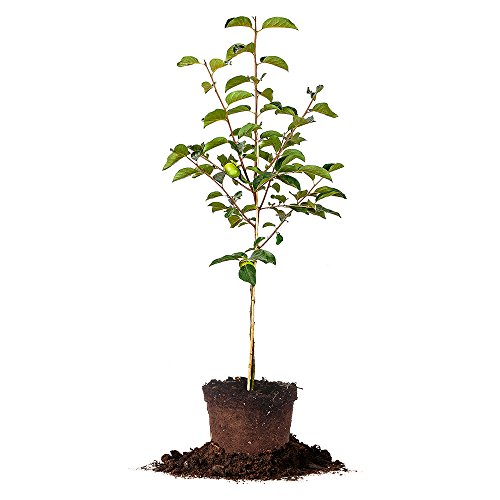
Perfect Plants Fuyu Persimmon Tree, 3-4 ft
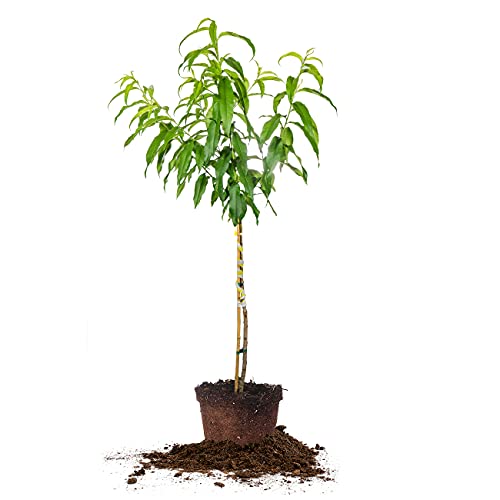
Perfect Plants Flordaking Peach Tree, 4-5 ft

Fam Plants Chicago Hardy Fig Live Plant (4 Pack)

Perfect Plants Russian Pomegranate Tree, 1 Gallon

Fam Plants Fig Tree Collection (4 Pack) Live Plants
Meet The Standout Selections
The Perfect Plants Chicago Hardy Fig Tree arrives as a young live plant in a one-gallon nursery pot, sized for either a patio container or a permanent spot in a sunny landscape bed. The “Chicago Hardy” name refers to the cultivar’s tolerance for cold winters, a real advantage if you live north of where most figs thrive. Because the plant is self-pollinating, you only need one tree to start harvesting fruit, which is good news for anyone with limited yard space.
Compared with bare-root seedlings from the next pick on this list, this Perfect Plants tree ships in soil with an established root ball, so transplant shock tends to be lower. The leggy branching habit, with bright green leaves spreading outward, leaves space beneath the canopy for fruit to develop without overcrowding. Most growers find that a single annual feeding, using a fig-specific fertilizer, is enough to keep the tree vigorous through the growing season.
The Good Stuff
- Self-pollinating, so one tree produces a full fig crop without a pollinator partner.
- Ships in a one-gallon pot with an intact root ball, easing the transition into your soil.
- Tolerates full sun on patios, decks, or open landscape beds.
- Cold-hardy Chicago Hardy lineage handles chill better than many fig cultivars.
- Bundle includes a starter portion of fig fertilizer for the first season.
Things To Consider
- Cannot be shipped to AZ or CA, which rules out growers in those states.
- One-gallon size means a longer wait before meaningful fruit production compared with larger field-grown stock.
Key Specs
Best Suited To
Garden growers in cooler USDA zones who want a single self-fertile fig in a container or a small sunny bed.
Consider Something Else When
Homeowners in AZ or CA should look at the Fam Plants Chicago Hardy 4-Pack instead, since the Perfect Plants listing does not ship to those states.
The Wellspring Gardens Chicago Hardy Fig ships as a young sapling, roughly three to eight inches tall, in a small 3-inch-deep starter pot. That makes it the smallest tree in this roundup and a natural fit for a windowsill or a beginner’s first indoor-to-outdoor transition. Tissue culture propagation, a lab method that clones a parent plant from tiny tissue samples, tends to produce uniform, vigorous young trees, which is reassuring for first-time growers.
Mature height reaches 15 to 20 feet in the ground, but the plant stays compact in a container for years. The medium purple fruit ripens early in the season, giving northern growers a head start compared with later-ripening fig cultivars. Compared with the Perfect Plants one-gallon fig above, this Wellspring Gardens option is closer to a seedling stage, so you’ll spend more time nurturing before the first harvest.
What Pays Off
- Tissue-culture propagation produces consistent, healthy young stock.
- Early-ripening purple figs suit growers in zones with shorter summers.
- Suitable for USDA zones 6 through 10, which covers a wide swath of the country.
Worth Noting
- Ships as a very small starter, so realistic fruit harvest takes patience.
- Availability fluctuates, which means wait times between restocks.
Key Specs
Who It Suits Best
New growers who want a small, affordable sapling and don’t mind waiting a few seasons for meaningful fruit production.
Look Elsewhere When
If you want a larger, ready-to-transplant tree, the Perfect Plants Chicago Hardy Fig in a 1-gallon pot is the more practical choice.
The Via Citrus Calamondin Tree is a grafted citrus that combines the cold tolerance of a trifoliate root system with the small, tart fruit of a calamondin, a hybrid between a mandarin and a kumquat. The plant arrives between 13 and 22 inches tall in a one-gallon pot, so it’s already showing the bushy growth habit that makes it useful as a patio accent. Fragrant white flowers and orange fruit can appear year-round in the right indoor or sheltered-outdoor conditions.
Where the Perfect Plants fig and the Wellspring Gardens fig lean toward yard plantings, this calamondin works equally well as a houseplant by a sunny window or a potted patio specimen that comes indoors for winter. The flavor leans sour, which is why calamondin juice has long been a staple for marmalade and cocktail mixers. Compared with the fig options earlier in this list, citrus demands more attentive watering and feeding, but it pays you back with continuous blooms and color.
What Earns Its Place
- Year-round fragrant blooms and ornamental orange fruit.
- Works indoors or on a sheltered patio with proper light.
Trade Offs
- Cannot ship to AZ, AL, CA, LA, HI, TX, or several U.S. territories due to USDA rules.
- Needs more consistent watering and feeding than a fig in the same pot.
Right Fit For
Apartment or condo dwellers with a sunny indoor spot who want a citrus tree they can move outdoors in summer.
A Better Fit Elsewhere
Growers needing cold-hardy outdoor fruit should pivot to the Perfect Plants Chicago Hardy Fig, which tolerates chill better and ships to more states.
The Perfect Plants Fuyu Persimmon ships at three to four feet tall, putting it well ahead of the smaller starter trees earlier in this list. The Fuyu cultivar is the non-astringent type, which means the fruit is sweet and edible even while still firm, no waiting for soft, jelly-ripe fruit. Because it’s self-pollinating, a single tree produces the characteristic acorn-shaped orange-red fruit that ripens from September into October.
Mature trees reach 15 to 20 feet, so plan an open, sunny site with well-drained loamy soil. Most owners find the Fuyu easy to care for once established, with only routine watering and annual feeding. Compared with the Perfect Plants fig tree in pick one, this persimmon fills a different seasonal slot, dropping fruit in autumn when the fig has long finished its harvest.
Points In Its Favor
- Sweet non-astringent fruit can be eaten straight off the tree without softening.
- 3-4 ft arrival height means faster establishment than smaller saplings.
- Bears fruit within roughly 1-2 years after planting in the ground.
Small Caveats
- Needs full sun and well-drained soil, so shaded yards are a poor match.
- Mature size requires more yard planning than a fig kept in a container.
Made For
Homeowners with a sunny, open yard who want a low-fuss fruit tree with a fall harvest window.
Reach For A Different Pick When
Patio-only growers without ground-planting space should consider the Via Citrus Calamondin, which thrives in a container.
The Perfect Plants Flordaking Peach arrives at four to five feet tall, the largest starter size in this roundup, so you’re buying close-to-fruiting age wood. Chill hours, the cumulative hours below 45°F a peach tree needs to set fruit, sit at just 350 for this cultivar, which is why it thrives in warm humid zones where classic peaches fail. Hardiness zones 8 and 9 are the sweet spot, covering much of the Deep South and parts of the Southwest.
Red-skinned, yellow-fleshed fruit ripens in mid-May, an unusually early window that lets southern growers harvest before the worst of summer heat. Spring brings a flush of pink blooms that doubles as ornamental value in the landscape. Compared with the Fuyu persimmon from pick four, this peach tree demands more attention to pruning and pest management, though most owners consider that a fair trade for early-season peaches.
The Helpful Details
- Low 350 chill-hour requirement fits warm-climate southern yards.
- Pink spring flowers add ornamental value alongside the fruit.
- Self-pollinating, so a single tree fills a small yard.
- Mid-May ripening avoids the hottest stretch of summer in many zones.
Points To Note
- Restricted to hardiness zones 8 and 9, limiting its reach for northern growers.
- Peach trees need regular pruning and pest scouting, more upkeep than persimmons.
Key Specs
Who Should Grab It
Southern gardeners in zones 8 or 9 who want an early-season peach without the chill-hour struggles of northern cultivars.
Swap It Out When
Northern growers in colder zones should look at the Perfect Plants Fuyu Persimmon instead, which handles chill far better.
The Fam Plants Chicago Hardy 4-Pack ships four rooted fig plants in one shipment, which is the most efficient way to start a small fig grove. Cold-hardy to roughly negative 10°F, the same Chicago Hardy cultivar in picks one and two, this pack suits growers with more ground to fill or anyone who wants backup plants in case one fails to establish. Four plants also let you experiment with spacing and training styles across one yard.
Compared with the single Perfect Plants fig in pick one, this bundle trades container size for quantity, so each plant may arrive smaller. That’s a worthwhile trade for landscapers laying out a hedge or food-forest row. Most owners report that figs planted together tend to pollinate and fruit more reliably than isolated specimens, even with self-fertile cultivars.
What Helps Most
- Four rooted plants at once, ideal for hedge-style or food-forest planting.
- Same cold-hardy Chicago Hardy lineage rated to roughly -10°F.
Honest Caveats
- Individual plants arrive smaller than the single Perfect Plants one-gallon fig.
- Four plants at once means more planting-day labor and watering discipline.
Key Specs
Built With In Mind
Landowners and food-forest designers ready to plant a row or hedge rather than a single specimen tree.
Another Choice May Suit
Single-tree shoppers who only need one fig for a patio should choose the Perfect Plants one-gallon Chicago Hardy instead.
The Perfect Plants Russian Pomegranate ships as a one-gallon live plant with a dense, bushy growth habit that doubles as ornamental landscaping. Orange-red flowers appear in mid to early spring, well before the fruit sets, so the tree earns its keep visually before the harvest even arrives. Self-pollinating behavior means you don’t need a second pomegranate for fruit production, which simplifies planting plans.
Ripening lands in mid to late September, putting pomegranates in roughly the same autumn window as the Fuyu persimmon. The Russian cultivar is among the more cold-tolerant pomegranates available, though it’s still less hardy than the Chicago Hardy fig in picks one and six. Not suitable as an indoor houseplant, this tree wants a real outdoor garden bed where it can stretch out, similar in site needs to a young persimmon.
The Case For It
- Showy spring blooms add ornamental value before fruiting begins.
- Self-fertile, so no pollinator partner is needed.
- Large, ripe pomegranates often appear at a relatively young tree age.
Things To Weigh
- Not suitable as a houseplant, so it needs a real outdoor bed.
- Less cold-tolerant than the Chicago Hardy fig cultivar.
Whose Shelf It Belongs On
Warm-climate gardeners who want a flowering ornamental that also produces edible fruit in the same planting.
Not Your Match When
Cold-zone growers worried about winter dieback should default to the Perfect Plants Chicago Hardy Fig, which handles chill better.
The Fam Plants Fig Tree Collection ships Black Mission, Chicago Hardy, and Violette de Bordeaux cultivars together as rooted live plants, three different flavor profiles in one bundle. Black Mission brings the classic dark fig taste, Chicago Hardy delivers cold tolerance, and Violette de Bordeaux offers a smaller-stature tree with rich purple fruit. That variety is what sets this pack apart from the all-Chicago Hardy bundle in pick six.
For most home growers, having multiple cultivars means a longer harvest window and the chance to compare flavors side by side. The plants arrive as young rooted starts rather than mature stock, so the first real harvest takes patience. Compared with the Perfect Plants one-gallon fig in pick one, this collection gives you breadth over a single established specimen, which suits food-forest designers more than patio growers.
Bright Spots
- Three distinct fig cultivars let you taste and compare across one season.
- Variety pack suits food-forest and permaculture layouts.
- Lets you match each cultivar to the microclimate in different yard zones.
Points To Keep In Mind
- Individual plants arrive smaller than single-cultivar one-gallon options.
- Mixing cultivars means tracking three different growth habits and pruning needs.
Key Specs
Perfect Match For
Curious growers and food-forest designers who want to trial several fig cultivars before committing to a single favorite.
Where A Sibling Pick Shines
Patio growers who only need one tree should pick the Perfect Plants one-gallon Chicago Hardy Fig, which arrives larger and ready to transplant.
Picking The Right Tree For Your Yard
Match The Cultivar To Your USDA Zone
Every fruit tree on this list carries a hardiness zone rating, and matching it to your local climate is the single biggest predictor of success. Chicago Hardy figs handle zones 6 through 10, while the Flordaking peach needs the warmer zones 8 and 9 to set fruit reliably. Mediterranean-climate gardeners have the broadest choice, while northern growers should default to cold-hardy figs or persimmons.
Decide Between Container And Ground Planting
Container planting keeps trees small, movable, and friendly to renters, but limits mature size and fruit yield. Ground planting lets the root system stretch out, producing larger harvests at the cost of a permanent site. The calamondin and the smaller fig starters work well in containers, while the persimmon, peach, and pomegranate prefer an open yard bed.
Plan For Chill Hours And Pollination Needs
Peaches and persimmons both require a minimum number of chill hours, hours below about 45°F, before they set fruit each spring. Choosing a low-chill cultivar like Flordaking makes all the difference in southern zones. Self-pollinating trees, including the figs, persimmon, peach, and pomegranate on this list, only need one plant to bear fruit, which simplifies small-yard planting plans.
Choose A Reliable Seller With Replacement Guarantees
Live plants can arrive stressed or fail to establish, so ordering from a seller with clear shipping practices and responsive support reduces risk. Read each listing for state restrictions, container size on arrival, and expected establishment time before committing.
Key Considerations Across These Picks
Where Shoppers Go Wrong
A common slip is choosing a tree by fruit flavor alone, ignoring zone compatibility. A persimmon in zone 5 or a peach in zone 6 simply will not thrive, no matter how attractive the listing. Another trap is buying the largest tree available without checking the root system. A bigger tree in a tiny pot is often more root-bound than a smaller tree with healthy white root tips.
Where The Extra Money Goes
Larger arrival size, four-to-five-foot trees instead of starter saplings, shortens the path to first fruit by a full season or more. Grafted rootstocks, as seen in the calamondin, deliver better disease resistance and predictable vigor. Premium bundles with starter fertilizer packets remove a small but real barrier to first-year success, especially for growers new to fruit tree care.
Frequently Asked Questions
What Is The Best Time Of Year To Plant A New Fruit Tree?
Late winter through early spring is generally ideal, while the tree is still dormant and root systems can establish before summer heat. In mild climates, fall planting also works because roots grow through the warm soil while the canopy rests.
How Long Until A Newly Planted Fruit Tree Produces?
Expect one to three years for most figs, persimmons, and pomegranates, depending on arrival size and cultivar vigor. Peaches and grafted citrus often fruit sooner, while smaller starter saplings take longer to reach bearing age.
Can I Grow These Fruit Trees In Containers Long Term?
Yes, with caveats. Calamondin and smaller figs adapt well to large containers with regular watering and feeding. Larger trees like persimmons and pomegranates eventually outgrow pots and produce more fruit in the ground.
Do I Need More Than One Tree For Pollination?
Not for the self-pollinating picks on this list, which include all the figs, the Fuyu persimmon, the Flordaking peach, and the Russian pomegranate. A single tree is enough to set a full crop in most home settings.
What States Have Shipping Restrictions For These Trees?
Shipping rules vary by seller and species. The Perfect Plants fig and pomegranate and the Via Citrus calamondin all carry state restrictions for citrus and fig quarantine zones, so check each listing before ordering.
Closing Remarks
A backyard orchard starts with one healthy tree that suits your climate, soil, and patience level. Match the cultivar to your zone, decide whether a container or a bed fits your space, and choose a seller whose shipping practices align with your state. The eight picks above cover most of the common scenarios a home grower runs into, from a single patio fig to a four-pack ready for a small grove.
