

Annuals are the sprinters of the plant world: fast growth, heavy blooming, and an insatiable appetite for nutrients. Choosing the right food makes the difference between leggy stems and a riot of color from spring through frost. Most gardeners notice yellowing leaves or stalled buds long before they suspect a feeding gap.
This roundup focuses on fertilizers that match how annuals actually grow: in containers, hanging baskets, and crowded flower beds where roots run out of room. Each pick handles a different feeding style, so you can match the format to your routine rather than forcing your routine to match the bag.
The Main Contenders

Miracle-Gro Indoor Plant Food Spikes (48 Spikes)

Miracle-Gro Water Soluble Azalea, Camellia, Rhododendron Plant Food 5 lb.
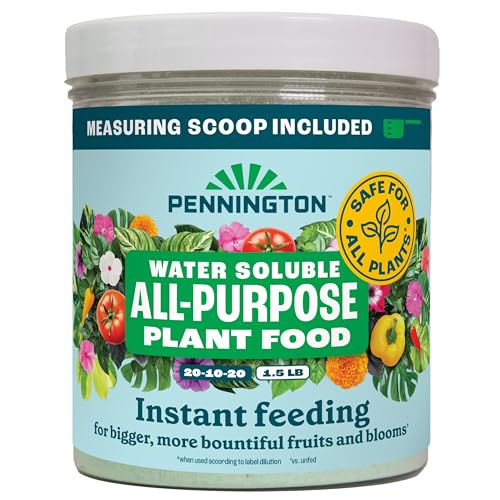
Pennington Water Soluble All Purpose Plant Food 20-10-20 1.5 LB

Miracle-Gro Organic Plant Food 32 fl. oz.

Espoma Organic Bloom! 16-Ounce Concentrated Plant Food

Jobe’s Organics Granular Fertilizer 4 lbs Bag

Espoma Organic Flower-Tone 3-4-5 Plant Food 4 lb. (2 Pack)

FOOP Organic All-Purpose Liquid Plant Food 32 oz
A Deeper Look At The Lineup
Spike-style fertilizers earn their keep when life gets busy. Each stick is pushed into the soil and releases nutrients gradually, sparing you the weekly mixing ritual that liquids demand. The 48-count tub covers a sizable indoor collection, which makes it a sensible match for apartment dwellers running a rotating cast of potted geraniums, impatiens, and begonias.
You trade fine control for convenience, so this isn’t the format for dialing in nutrient ratios. Runners with large patio containers may find the slower release underfeeds hungry annuals during peak summer, depending on pot size and watering frequency.
Bright Spots
- No measuring cups or watering cans required, just push the spike in and you’re done.
- Each spike feeds the plant for up to two months, which suits forgetful schedules.
- Works across houseplants, herbs, and container annuals in one product.
- The 48-spike count covers a full season for a moderately sized indoor garden.
Things To Consider
- Spikes can leave small brown halos at the soil surface if the pot dries out between waterings.
- Less precise than liquid feeds for plants with very specific nutrient demands.
Key Specs
Right Fit For
Anyone managing a small indoor collection of mixed annuals who wants steady feeding without a liquid routine.
Swap It Out When
The Pennington Water Soluble All Purpose Plant Food 20-10-20 suits outdoor beds and baskets where faster, more controlled feeding is the priority.
Acid-loving annuals and perennials often struggle in regular garden soil because their roots crave lower pH levels. This water-soluble formula is tuned to feed azaleas, camellias, rhododendrons, gardenias, hibiscus, hollies, hydrangeas, and orchids without pushing the soil toward alkaline. Gardeners with shaded beds under pine trees tend to reach for this format.
The 5-pound tub concentrates a lot of feeding power, so it pays off most for households with multiple acid-loving plants. If your collection is a single hydrangea on the patio, the volume may outlast your needs.
Strong Points
- Formulated specifically for the plants that usually yellow out in neutral soil.
- Dissolves quickly for foliar or root feeding with any standard watering can.
- Larger 5-pound container suits multi-plant collections.
Points To Note
- Not a fit for sun-loving annuals like marigolds, zinnias, or petunias.
- The acidifying action depends on consistent application, so missed feedings reduce results.
- Bulk format takes up shed or garage space.
Best Suited To
Shade gardeners growing hydrangeas, gardenias, and other acid-dependent bloomers in beds or large containers.
A Better Fit Elsewhere
Sun-baked petunia and geranium displays get broader coverage from Espoma Organic Flower-Tone 3-4-5 Plant Food.
The 20-10-20 ratio, meaning 20% nitrogen, 10% phosphorus, and 10% potassium by weight, is a classic for annuals because the high nitrogen pushes leafy growth while the balanced phosphorus and potassium support bloom and root development. Dissolving in water means plants can take up nutrients within days rather than weeks, so corrections happen faster than with granular options.
A built-in measuring scoop keeps dosing consistent, which removes much of the guesswork for newer gardeners. For mixed beds that include vegetables, herbs, and ornamentals, this single jug handles most of the feeding schedule.
Positive Points
- Higher nitrogen content fuels the rapid top growth annuals depend on.
- Fast-release formula greens up plants within a short window after application.
- Works for vegetables, herbs, flowers, and shrubs in one formula.
Honest Caveats
- Fast-release means more frequent applications than slow-release granulars.
- Overdosing soluble feeds can burn tender roots, so measuring matters.
- Synthetic rather than organic, which matters for some gardening philosophies.
Key Specs
Who It Suits Best
Mixed annual beds and kitchen gardens where one fertilizer needs to cover flowers and edibles without juggling multiple products.
Where Another Pick Suits Better
Organic-focused gardeners will appreciate the Miracle-Gro Organic Plant Food 32 fl. oz. more for similar coverage without synthetic inputs.
Liquid organic feeds bridge the gap between gardeners who want plant-based ingredients and the fast results of a soluble feed. The 32-fluid-ounce bottle mixes into a watering can and feeds both indoor houseplants and outdoor container annuals. It carries OMRI listing, which is the Organic Materials Review Institute seal that certifies products for use in certified-organic operations, so edible herb gardens on the patio stay within organic guidelines.
You will feed more often than with a granular, since liquid organics release nutrients quickly. For a small balcony garden that’s a fair trade for the cleaner ingredient list.
Notable Gains
- 94% plant-based ingredients suit organic gardening practices.
- Versatile across indoor, outdoor, and container annuals.
- Liquid format delivers nutrients faster than granular organics.
Small Caveats
- Application frequency rises compared to slow-release options.
- Shelf life and odor can be shorter than synthetic alternatives.
Feature Snapshot
Made For
Gardeners growing edibles and ornamentals together who want organic compliance and quick nutrient uptake in one bottle.
Look Elsewhere When
The Jobe’s Organics Granular Fertilizer offers a longer-lasting slow-release approach for gardeners who prefer to feed less often.
Bloom boosters dial up flower production by emphasizing phosphorus and potassium over nitrogen. Espoma’s liquid concentrate mixes into watering cans at low rates, making it a sensible pick for petunias, calibrachoas, geraniums, and other heavy bloomers that need steady fuel through summer. The 16-ounce bottle is compact enough for apartment storage.
Because the formula is concentrated, a single bottle stretches across many watering sessions. Container gardeners with window boxes and hanging baskets see the payoff most directly.
A Strong Showing
- Liquid concentrate mixes quickly for routine watering-can feeding.
- Designed specifically for flowering annuals and perennials in pots or beds.
- Compact 16-ounce bottle suits small-space storage.
Factors To Consider
- Smaller package may run out quickly on large flower borders.
- Less effective for foliage-heavy annuals that don’t prioritize blooms.
Quick Facts
Whose Shelf It Belongs On
Patio and balcony gardeners running heavy-bloom annuals like petunias and calibrachoas through peak summer.
Consider Something Else When
Espoma Organic Flower-Tone 3-4-5 Plant Food covers larger flower borders with a slow-release granular instead of repeated liquid mixing.
Granular organic fertilizer earns its place when you want to feed less often and let soil biology do the heavy lifting. The 3-5-4 N-P-K ratio (3% nitrogen, 5% phosphorus, 4% potassium by weight) supports flower production without forcing excessive foliage, which keeps geraniums and hibiscus blooming instead of going leafy. Scatter, scratch in, water, done.
The 4-pound bag suits outdoor flower borders rather than small indoor pots. In-ground plantings of daisies, coneflowers, and other perennial-style annuals respond well to this slow steady feed.
Where It Helps
- Slow-release format reduces how often you reapply.
- Organic ingredients feed soil microbes alongside plant roots.
- No synthetic chemicals, so risk of root burn drops compared to harsh feeds.
- 4-pound bag covers substantial garden space.
Where It Is Less Suited
- Bulk format is awkward for apartment or balcony gardeners.
- Slower results than water-soluble feeds when plants already show deficiency.
Perfect Match For
Garden owners with established flower borders who want a once-or-twice-per-season feeding schedule.
Not Your Match When
Container-heavy balcony setups benefit more from Espoma Organic Bloom! 16-Ounce Concentrated Plant Food for targeted feeding.
Flower-Tone’s 3-4-5 ratio is intentionally low-nitrogen, which means the formula channels energy toward buds rather than leaves. The Bio-tone additive is Espoma’s blend of beneficial bacteria that help roots access nutrients, and the 5% calcium content supports sturdier stems. The two-pack format doubles the value for gardeners running multiple flower beds.
You will want a spreader or careful hand-scattering to avoid dumping granules on foliage. Working the granules into the top inch of soil speeds release.
Practical Pluses
- Phosphorus-forward ratio encourages heavy blooming on annuals and perennials.
- Calcium addition supports stronger cell walls in stems and petals.
- Two-pack format stretches across a full growing season for medium gardens.
- Bio-tone additive feeds soil biology alongside plant roots.
Potential Compromises
- Granules need working into soil and watering in to activate.
- Not ideal for foliage-only plants like coleus or sweet potato vine.
Technical Highlights
Who Should Grab It
Gardeners maintaining several flower beds or hanging baskets who want bloom-forward nutrition with organic ingredients.
Skip It When
Smaller patios running just a few pots get more value from the Espoma Organic Bloom! 16-Ounce Concentrate.
FOOP packs a broad nutrient profile plus living soil microbes, including mycorrhizae (beneficial fungi that attach to roots and extend nutrient reach), into a concentrate that dilutes at roughly one ounce per gallon. A single 32-ounce bottle makes up to 32 gallons of finished feed, which lowers the per-application cost for gardeners with larger collections.
The fish emulsion and kelp base gives it a noticeable aroma, which gardeners commonly report persists for a few hours after watering. Outdoor use handles this comfortably, but indoor feeding is better timed before leaving windows open.
Benefits That Matter
- Broad nutrient panel covers nitrogen, phosphorus, potassium, calcium, magnesium, and silica in one feed.
- Mycorrhizae and other microbes improve long-term soil health.
- 32:1 dilution ratio stretches a single bottle across many feedings.
- Safe for vegetables, herbs, flowers, trees, and shrubs in one formula.
Less Ideal Details
- Fish and kelp base carries a noticeable scent during and after feeding.
- Microbe activity depends on warm, biologically active soil for best results.
- Liquid format means more frequent applications than granular organics.
Right Fit For
Mixed gardeners juggling vegetables, herbs, and ornamental beds who want one concentrate that covers all of them.
Reach For A Different Pick When
Apartment growers with just houseplants get cleaner indoor feeding from Miracle-Gro Indoor Plant Food Spikes without the fish-emulsion aroma.
Picking The Right Food For How You Garden
The first decision is format, because it dictates how often you’ll actually feed. Liquid and water-soluble feeds work fast and give you control, but they ask for weekly or biweekly attention. Granular and spike formats trade that fine control for a longer interval between applications. Match the format to your routine rather than the other way around, since the best N-P-K ratio in the world won’t help if the bottle sits unopened.
Next, look at the N-P-K ratio, which is the percentage of nitrogen, phosphorus, and potassium by weight listed on every fertilizer label. High nitrogen (the first number) drives leafy growth, which suits greens but can mute blooms on flowering annuals. Phosphorus-heavy or balanced ratios push bud production, which is what petunias, geraniums, and calibrachoas are after. For mixed beds where you want both foliage and flowers, something in the middle, like a 5-5-5 or the Pennington’s 20-10-20, tends to land well.
Consider whether organic matters to your gardening philosophy. Organic feeds build soil biology alongside feeding plants, but they typically release nutrients more slowly and sometimes carry earthy aromas. Synthetic water-soluble options correct deficiencies faster but skip the microbial benefits. There’s no wrong answer, only a fit question.
Container gardeners should also think about pot size. Small pots dry out and leach nutrients quickly, which favors liquid feeds or shorter-interval granulars. Larger containers and in-ground beds hold moisture and nutrients longer, so slow-release granulars shine in those setups. Acid-loving plants like hydrangeas and gardenias need a dedicated acid-friendly formula, otherwise they’ll yellow even with regular feeding.
Key Considerations Across These Picks
Pitfalls Shoppers Hit
One common trap is grabbing a general-purpose fertilizer for acid-loving plants like azaleas, gardenias, and blueberries. Regular formulas push soil pH up over time, which locks out iron and shows up as yellowing leaves between veins. If your collection includes any acid-dependent species, an acid-formulated feed like the Miracle-Gro Azalea, Camellia, Rhododendron Plant Food earns its slot.
Another frequent mistake is overfeeding with high-nitrogen synthetic fertilizers, especially in containers. The lush green tops look promising for a week, then roots burn and growth stalls. Following label dilution rates, and erring slightly weaker rather than stronger, prevents most of this damage.
Where The Extra Money Goes
Spending more typically buys you broader nutrient profiles and biological additives. A premium organic concentrate like FOOP includes calcium, magnesium, silica, and mycorrhizal fungi that basic N-P-K feeds skip. For gardeners building long-term soil health, that broader profile pays dividends across seasons.
The higher tier also tends to offer better packaging for storage, which matters if you’re keeping fertilizer through humid summers. Resealable bags, opaque bottles, and included measuring tools all reduce waste and dosing errors, which add up over a multi-year feeding routine.
Frequently Asked Questions
How often should I feed annuals during peak summer?
Most annuals benefit from feeding every 1 to 2 weeks during their heaviest bloom period, especially in containers where nutrients leach out with each watering. Slow-release granulars extend that interval to once per month or even per season, depending on the product and weather.
Can I use the same fertilizer for vegetables and flowers?
Yes, an all-purpose balanced feed like Pennington Water Soluble All Purpose Plant Food 20-10-20 or FOOP Organic All-Purpose Liquid Plant Food works across both. The main exception is acid-loving plants, which need a dedicated acid-formulated feed regardless of what else is in the bed.
Do organic fertilizers really work as well as synthetic?
They work differently rather than worse. Organics release nutrients more slowly and feed soil biology in the process, which builds long-term fertility. Synthetics act faster, which helps when correcting visible deficiencies, but they don’t improve soil structure over time.
Should I fertilize annuals in containers differently from in-ground beds?
Containers leach nutrients faster because water drains through the potting mix regularly, so liquid or short-interval granular feeds tend to perform better. In-ground beds hold nutrients longer, so a slow-release granular like Jobe’s Organics or Espoma Flower-Tone can carry a bed for most of the season.
Is the N-P-K ratio all that matters on a fertilizer label?
It’s the most important number, but not the only one. Calcium, magnesium, and micronutrients support specific plant functions, and microbial additives can improve nutrient uptake. For most flower displays the N-P-K drives the bus, but the secondary ingredients matter when plants struggle despite regular feeding.
Closing Remarks
Annuals reward gardeners who feed consistently, and the format you choose determines whether that consistency fits your life. Liquids and spikes work well for small setups where you want quick results or low effort, while granulars shine across larger beds where one application can carry weeks of growth. Match the format to your watering routine, the ratio to your bloom goals, and the ingredient list to your gardening values, and your flower beds will carry color from spring planting through the first frost.
