

Lucky bamboo on a windowsill, a hedging bamboo along the fence, a sprawling grove shading the back of the yard, each one eats a different diet. The right plant food for bamboo comes down to pot size, growing medium, and how much nitrogen the leaves actually need to push out fresh growth. This guide walks through eight options that cover everything from a single desk plant to a full outdoor grove.
An Overview Of The Picks

Miracle-Gro Indoor Plant Food Spikes for All Plants, 48 Spikes
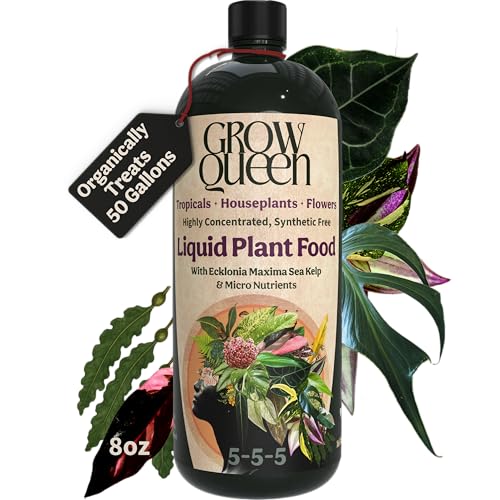
Grow Queen Organic Liquid Indoor Plant Food 5-5-5 with Sea Kelp 8oz

Miracle-Gro Organic Plant Food, 32 fl. oz.

Back to the Roots Natural & Organic Indoor Plant Food 16oz

True Organic All Purpose Liquid Plant Food 16oz NPK 3-2-2

Soil Sunrise Lucky Bamboo Plant Potting Mix 4 Quarts

Bamboo Special 13-5-11 High Nitrogen Fertilizer 2 lb

Bamboo Special 13-5-11 High Nitrogen Fertilizer 5 lb
The Strengths Of Each Pick
Spikes like these solve the most common houseplant problem: forgetting to feed. You press one into the soil of a potted lucky bamboo and the nutrients release gradually into the root zone, which is helpful for anyone whose watering schedule is more aspirational than consistent.
The 48-count box covers a serious indoor collection, so swapping out spent spikes every couple of months stays quick. Unlike the liquid Grow Queen reviewed next, you don’t have to measure or dilute anything, which is the appeal for casual plant owners.
Everyday Perks
- No measuring, mixing, or scheduling required
- Long nutrient release window means fewer applications per year
- Bulk 48-spike box handles a full shelf of mixed houseplants
- Works in small pots where liquid feed is easy to overdo
Honest Caveats
- Spikes can feel uneven in very small or very dry soil, so pre-watering the pot helps placement
- Nutrient release slows in cool rooms, so winter feeding may be less effective
Right Fit For
Forgetful indoor gardeners with a mixed collection who want steady nutrition without a routine.
Reach For A Different Pick When
The Back to the Roots Natural & Organic Indoor Plant Food suits you better if you prefer a fully vegan, low-odor liquid you can dilute in your watering can.
The 5-5-5 NPK ratio (nitrogen-phosphorus-potassium, the three numbers that tell you the nutrient strength) gives balanced growth without pushing one type of growth too hard, which is exactly what a mixed tropical collection needs. The added sea kelp contributes trace minerals and natural hormones that often help leaf color and root vigor in dimmer indoor light.
The 8-ounce bottle treats a lot of water, so cost per feeding stays low even for someone with twenty pots. Compared to the Miracle-Gro spikes above, you trade convenience for a more even distribution, since the liquid reaches every root at once.
The Upside
- Balanced 5-5-5 ratio supports foliage, roots, and stems equally
- Sea kelp adds trace minerals often missing in basic fertilizers
- Diluted mix reduces the risk of leaf burn on sensitive tropicals
- Concentrated formula means a single bottle lasts through many feedings
Trade Offs
- Liquid format requires consistent watering-can mixing, which some growers forget
- Organic smell can linger briefly after each application
Best Suited To
Owners of larger indoor tropical collections who don’t mind a small weekly routine.
A Better Fit Elsewhere
Pick the Miracle-Gro Indoor Plant Food Spikes instead if you’d rather skip the measuring and just press a spike into each pot every two months.
This liquid feeds through both indoor and outdoor containers, which makes it a strong pick for anyone who moves plants between the patio and the windowsill through the year. The mostly plant-based ingredient list keeps it in line with organic gardening preferences without giving up the convenience of an instant liquid feed.
The 32-ounce bottle handles a decent number of medium pots over a growing season, especially if you’re using it at the recommended dilution. The OMRI listing means it meets recognized organic-input standards, which is a comfort if you grow edibles alongside ornamentals.
What Works In Its Favor
- Plant-based ingredients suit organic-minded gardeners
- Instant liquid uptake shows results faster than slow-release options
- 32-ounce size stretches across many potted plants
- OMRI listed for organic gardening use
Some Limits To Know
- Liquid form requires careful dilution to avoid overfeeding in small pots
- Bottle needs cool, dark storage to preserve nutrient quality
- Less specialized than a bamboo-specific formula for outdoor groves
Key Product Details
Made For
Mixed gardeners with both indoor and patio containers who want one flexible organic liquid.
Where Another Pick Suits Better
The True Organic All Purpose Liquid Plant Food fits better if you specifically want a 3-2-2 NPK and a CDFA listing alongside OMRI for larger garden beds.
This formula skips animal-based ingredients entirely, which is a clear draw for vegan gardeners and anyone sensitive to the smell of traditional fish-based feeds. The no-burn claim means you can feed a stressed or recovering houseplant with less risk of tipping it over the edge.
The 16-ounce bottle delivers a large number of diluted feedings, so the per-feeding cost stays reasonable for small pots. It pairs especially well with the Soil Sunrise mix reviewed below, since the medium and the food are both designed for gentle indoor use.
Positive Takeaways
- Fully vegan, plant-and-mineral ingredient profile
- Low-odor formula is apartment-friendly
- No-burn claim reduces risk on delicate or recovering plants
- Value size stretches across roughly 95 diluted feedings
Points To Keep In Mind
- Lower nutrient concentration than synthetic spikes, so results are more gradual
- Designed for indoor use, so outdoor container plants may need more frequent feeding
Who Should Grab It
Apartment dwellers with a small shelf of lucky bamboo and foliage plants who want a quiet, gentle feed.
Skip It When
The Miracle-Gro Indoor Plant Food Spikes work better if you want hands-off feeding with no liquid mixing at all.
True Organic sources its base from the same feedstocks used by commercial organic produce growers, so the ingredients are well-understood. The 3-2-2 NPK is mild but steady, which suits a bamboo container that already has rich potting soil and just needs a top-up.
Both the OMRI and CDFA organic listings make it a fit for food gardens as well as ornamental bamboo, so the bottle can cover multiple beds. Against the Miracle-Gro Organic reviewed above, this one leans more toward garden-bed versatility than indoor pot convenience.
Useful Touches
- OMRI and CDFA listed for organic gardening use
- Farm-grade ingredients with a track record in produce growing
- Works on vegetables, herbs, and ornamentals from one bottle
- Mild 3-2-2 ratio supports steady growth without forcing soft new shoots
Things To Consider
- Lower nitrogen than the bamboo-specific 13-5-11 reviewed below
- Liquid form means more frequent reapplication than controlled-release granules
Feature Snapshot
Perfect Match For
Garden growers who raise edibles alongside ornamental bamboo and want a single multi-purpose organic feed.
Not Your Match When
Outdoor bamboo planters with heavy nitrogen demand should reach for the Real Growers Bamboo Special 13-5-11 instead.
Lucky bamboo isn’t a true grass, so it tolerates different conditions than landscape bamboo, and a regular houseplant mix can stay too wet. This blend is built around peat moss, perlite, worm castings, and lime, which together give the airy, slightly alkaline feel lucky bamboo prefers.
The 4-quart bag covers several small to medium repottings, which is the most common need for windowsill growers. It pairs naturally with a gentle liquid feed like Back to the Roots from review four, since the medium itself doesn’t overwhelm the plant with nutrients.
Points In Its Favor
- Custom blend targets lucky bamboo’s specific root preferences
- Worm castings add slow-release organic nutrition
- Perlite and lime support drainage and balanced pH
- 4-quart bag covers multiple small repottings
Worth Noting
- Specialized for lucky bamboo rather than landscape bamboo species
- Bag is bulkier than a single liquid feed, so storage matters in small apartments
Technical Sheet
Who Will Love This
Anyone repotting a windowsill lucky bamboo collection and wanting a medium that won’t waterlog the stems.
Look Elsewhere When
True landscape bamboo needs a richer, nitrogen-focused feed like the Real Growers Bamboo Special rather than a dedicated indoor medium.
Outdoor bamboo is a heavy nitrogen feeder, and the 13-5-11 ratio reflects that need without starving phosphorus or potassium entirely. The 12-month controlled release means a single application covers an entire growing season, which suits gardeners who’d rather not feed monthly.
The 2-pound package fits a small grove, a privacy screen, or a few container bamboos on a patio. Compared to the True Organic reviewed above, the higher nitrogen drives faster cane and leaf growth, which is the goal for screening bamboo.
A Favorable Mix
- High nitrogen ratio supports tall cane and full leaf growth
- Controlled release covers roughly 12 months per application
- Coated granules reduce the risk of nutrient burn on roots
- 2-pound size suits a starter hedge or small grove
Trade-Offs To Consider
- Higher nitrogen can push soft growth vulnerable in late-season cold snaps
- Granules need to be worked into the soil surface and watered in
- Not designed for lucky bamboo kept purely in water indoors
Quick Facts
Built With In Mind
Homeowners establishing a small outdoor bamboo screen or privacy hedge who want a set-and-forget seasonal feed.
Swap It Out When
Growers managing a large established grove should step up to the 5-pound Real Growers Bamboo Special for fewer refill cycles.
The 5-pound package is the same 13-5-11 formula in a larger bag, aimed at established groves and longer hedges. For someone feeding ten or more mature bamboo clumps, the bulk size cuts down on reorder frequency and keeps the nutrient schedule consistent across the whole planting.
Application is identical to the 2-pound version: scatter the coated granules around the root zone, work them in lightly, and water. The 12-month release means you can apply once and not think about feeding again until the same time next year.
The Value In It
- Bulk 5-pound bag covers large hedges and full groves
- Same high-nitrogen 13-5-11 profile as the smaller package
- One annual application fits low-maintenance schedules
- Suitable for both clumping and running bamboo varieties
Possible Compromises
- Bulk bag needs dry, sealed storage through the off-season
- Overkill for a single lucky bamboo on a desk
- Higher nitrogen is wasted in shaded low-light planting areas
Feature Rundown
Whose Shelf It Belongs On
Garden owners with a substantial bamboo planting who want a single seasonal feed across the whole grove.
Where A Sibling Pick Shines
The smaller 2-pound Real Growers Bamboo Special is a better match for a starter hedge or a handful of patio pots.
What Matters When Choosing Plant Foods For Bamboo
NPK Balance And Bamboo’s Appetite
The three numbers on a fertilizer label stand for nitrogen, phosphorus, and potassium. Nitrogen drives leaf and cane growth, which is exactly what landscape bamboo craves, so high-nitrogen formulas like the 13-5-11 Real Growers options above make sense for outdoor groves. Indoor lucky bamboo lives in low light and small pots, so a milder ratio like 5-5-5 or 3-2-2 is plenty and reduces the risk of leaf burn.
Phosphorus and potassium still matter, but only in supporting roles: root development, stress tolerance, and overall vigor. A balanced organic liquid covers all three without forcing soft, late-season growth that cold weather can damage.
Liquid, Spikes, Granules, Or Soil
Liquid feeds like the Grow Queen and True Organic options are easy to control but require routine. Spikes like the Miracle-Gro 48-pack trade precision for convenience. Controlled-release granules like the Real Growers pair best with low-maintenance outdoor plantings. Potting mixes such as Soil Sunrise work alongside a light liquid feed rather than replacing it.
Match the format to the gardener, not just the plant. Someone who waters every Sunday will be happy with a concentrate. Someone who travels regularly may prefer spikes or 12-month granules.
Organic And Gentle Options
For lucky bamboo kept in water or small containers, gentle vegan formulas like Back to the Roots avoid the stronger smells and higher salts of synthetic feeds. OMRI and CDFA listings indicate the product meets recognized organic-input standards, useful for anyone growing edibles nearby.
Organic liquid feeds tend to work more slowly, so visible results on foliage take longer than a synthetic spike. That’s a fair trade for indoor air quality and soil biology, especially in apartments.
Key Considerations Across These Picks
Mistakes Worth Dodging
Overfeeding a small pot of lucky bamboo is the most common slip. A 5-5-5 liquid diluted well beats a 13-5-11 granule tossed into a four-inch pot every time. The other easy error is using landscape bamboo food on lucky bamboo grown in plain water, where the salts build up and scorch the stalks.
Outdoor bamboo, on the other hand, often goes hungry because owners assume rainfall is enough. A single 12-month application of a high-nitrogen controlled-release formula in early spring usually fixes pale, slow growth on established clumps.
When Paying More Pays Off
The higher tier earns its keep when you have a large outdoor planting or a tall privacy hedge that needs steady nitrogen across the whole season. The 5-pound Real Growers package and the concentrated 8-ounce Grow Queen both cost more upfront but spread across more feedings, so cost per plant per year can be lower than a cheaper product that needs reapplying.
Pay more when the format saves labor, when the nutrient profile matches your species, or when the certification matters for an organic garden. Pay less when the bamboo is a small indoor accent that needs only a mild monthly feed.
Frequently Asked Questions
How often should I feed lucky bamboo in water?
For stalks kept in water, a highly diluted liquid feed like the Grow Queen 5-5-5 every four to six weeks is usually enough. Change the water weekly to prevent salt buildup from any fertilizer residue.
Do outdoor landscape bamboo plants need different food than indoor lucky bamboo?
Yes. Landscape bamboo wants high-nitrogen controlled-release formulas like the Real Growers 13-5-11. Lucky bamboo does better with milder liquid feeds or a gentle vegan option like Back to the Roots.
Can I use regular houseplant fertilizer on bamboo?
A balanced all-purpose houseplant food at half strength works for lucky bamboo in soil. Outdoor landscape bamboo usually needs more nitrogen than a standard houseplant formula provides, so a bamboo-specific fertilizer is a better fit.
Is organic fertilizer better for bamboo?
Organic options are gentler on roots, lower in salts, and friendlier to soil biology, which helps indoor bamboo especially. For large outdoor plantings, the bigger driver is nitrogen content, so a synthetic or coated controlled-release formula often produces faster visible growth.
When is the best time of year to feed outdoor bamboo?
Early spring as new shoots emerge is the ideal window for a 12-month controlled-release application. Avoid heavy nitrogen late in the growing season, since soft new growth can be damaged by early frost.
Closing Remarks
The right plant food for bamboo depends on where it lives and how much hands-on time you want to spend. Liquid organic feeds and gentle vegan formulas cover the indoor lucky bamboo crowd, while controlled-release high-nitrogen granules handle outdoor groves with one annual pass. Match the format to your routine, watch the NPK ratio, and the rest tends to fall into place.
