Evergreens don’t ask for much, but what they do need matters. The right feeding schedule keeps arborvitae hedges dense, spruces deep green, and boxwoods holding their shape through winter. The wrong formula can leave you with yellowing needles, weak root systems, and slow recovery after a hard frost. Picking the right plant foods for evergreens comes down to understanding acidity, nitrogen balance, and whether you’re feeding a privacy hedge or a single specimen shrub.
The Picks In Brief
PickWhy We Picked ItBest ForAction

Garden Choice
GARDENWISE 8-4-8 Acidic Fertilizer for Evergreens (12 oz)
Iron-rich acid blend
Acid-loving beds

Heavy Duty Pick
Ironite Plus Shrubs & Trees Plant Food Granular 12-10-10, 3 lb
Fast greening power
Yellowing shrubs

Organic Favorite
Espoma Organic Holly-Tone 4-3-4 Evergreen & Azalea Plant Food 4 lb (Pack of 2)
Slow-release organics
Long-term soil health
Solid All-Rounder
Espoma Organic Holly-Tone 4-3-4 Evergreen & Azalea Plant Food 4 lb
Trusted classic formula
Mixed evergreen borders

Specialty Choice
Arborvitae Tree Fertilizer Liquid Plant Food 8 oz
Targeted hedge feeding
Arborvitae hedges
Quick-Release Pick
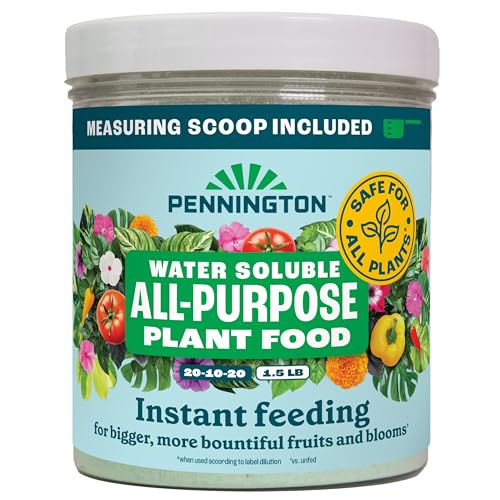
Pennington Water Soluble All Purpose Plant Food 20-10-20 1.5 lb
Fast nitrogen boost
Rapid green-up

Everyday Favorite
Miracle-Gro Organic Plant Food 32 fl. oz.
Versatile liquid feeding
Mixed garden beds

Bulk Value
Espoma Organic Holly-Tone 4-3-4 Evergreen & Azalea Plant Food 4 lb (Pack of 2)
Multi-bag convenience
Longer feeding seasons
The Strengths Of Each Pick
The GARDENWISE 8-4-8 sits in that useful middle zone for gardeners working with mixed acid-loving beds. Where Ironite leans hard on iron for fast color correction, this formula balances nitrogen, phosphorus, and potassium while still pushing the soil toward the slightly acidic pH (a measure of soil acidity on a 0–14 scale) that azaleas, camellias, and evergreens prefer. The 12-oz container is genuinely compact, so it works well for a backyard foundation planting rather than a commercial nursery.
If your evergreens share real estate with blueberries, gardenias, or rhododendrons, this is a sensible one-bag-fits-many solution. The N-P-K ratio (nitrogen, phosphorus, potassium by weight) of 8-4-8 favors gentle, sustained feeding over explosive growth, which usually means less leaf burn on tender new growth in spring.
What It Does Well
- ✓Targets acid-loving evergreens without forcing soil pH too low, supporting steady nutrient uptake.
- ✓Iron content helps correct chlorosis (yellowing between leaf veins caused by iron deficiency) in magnolias and azaleas.
- ✓Compact 12-oz size fits smaller garden beds where a 4-lb bag would be wasteful.
- ✓Multi-purpose formula covers blueberries and camellias alongside evergreens, reducing the need for separate products.
Points To Keep In Mind
- •The small package means you’ll reorder frequently on larger properties.
- •Granular application calls for even spreading, which can be tricky around dense root zones without scratching the surface too aggressively.
Quick Facts
| | Feature | Specification | Why It Matters |
|---|
| Analysis | 8-4-8 N-P-K | Balanced feeding that supports foliage without overstimulating blooms |
| Target Plants | Azaleas, camellias, hydrangeas, blueberries, gardenias, magnolias, evergreens, rhododendrons | One formula covers a wide acid-loving plant palette |
| Container | 12 oz | Sized for smaller gardens and foundation plantings |
Best Suited To
Home gardeners managing mixed acid-loving beds with a few specimen evergreens rather than full hedge rows.
A Better Fit Elsewhere
For a long privacy hedge of arborvitae, the TPS Nutrients Arborvitae Tree Fertilizer delivers more targeted, hedge-specific nutrition.
Ironite Plus is the option you reach for when shrubs and trees are visibly struggling. The 12-10-10 analysis carries a stronger nitrogen kick than the GARDENWISE formula above, and the inclusion of iron plus secondary micronutrients like manganese and zinc makes it a useful correction tool for chlorotic evergreens. It’s a granular formula designed to be spread around the drip line, the imaginary circle on the ground beneath the outermost branches where feeder roots sit.
Where this product really earns its place is in older yards where evergreens have been growing in the same soil for years. You may find the greening effect shows up within a few weeks of application, which makes spring feeding noticeably rewarding.
Everyday Advantages
- ✓Higher nitrogen analysis (the first number in N-P-K, which controls leaf and needle growth) drives visible green-up faster than low-nitrogen organics.
- ✓Iron content addresses yellowing foliage in alkaline soils (soils with a pH above 7.0, which can block nutrient absorption).
- ✓Granular format stores cleanly in a dry garage or shed between feedings.
- ✓Works across shrubs, shade trees, and evergreens, so one bag covers a varied landscape.
Honest Caveats
- •Higher nitrogen means more frequent watering is needed to prevent tip burn on tender growth.
- •Granular form requires raking or working into the topsoil for best results, which adds a step compared to liquids.
- •Staining potential on concrete walkways and stone if spilled and not swept up promptly.
Who It Suits Best
Homeowners with established evergreens showing yellowing foliage who want visible improvement within a single growing season.
Swap It Out When
Organic gardeners building long-term soil biology will get more from Espoma Organic Holly-Tone, which feeds the soil rather than pushing quick top-growth.
Holly-Tone has been a go-to organic acid fertilizer for so long that “Holly-Tone feeding” has practically become a spring ritual among camellia and rhododendron growers. This two-pack version doubles down on that with 8 lbs of slow-release organic nutrition, ideal for larger evergreen plantings where one bag disappears fast. The 4-3-4 analysis is intentionally gentle, and the Bio-tone blend of beneficial microbes helps the soil do the actual feeding work over time.
For organic-minded gardeners, the appeal is obvious: no sludges, no synthetic salts, and a feed schedule that mirrors how evergreens naturally cycle nutrients in forest soils. The trade-off is patience. Compared to Ironite, you’ll see slower color shift but more durable root development.
Positive Takeaways
- ✓Slow-release organic formula builds long-term soil health rather than forcing quick top-growth.
- ✓5% sulfur content gradually acidifies soil, which suits rhododendrons, blueberries, and hollies naturally.
- ✓Two-bag pack is well-suited to mid-sized properties with multiple evergreen clusters.
- ✓Bio-tone microbial blend helps break down thatch (a layer of dead organic matter that can smother roots) and improve nutrient cycling around feeder roots.
Small Caveats
- •Visible greening takes longer than synthetic options like Ironite, which can frustrate impatient gardeners.
- •Organic smell at application is mild but noticeable for the first day or two.
Feature Snapshot
| | Feature | Specification | Why It Matters |
|---|
| Analysis | 4-3-4 with 5% sulfur | Gentle feeding ratio that suits long-lived woody plants |
| Format | Granular organic | Spreads easily and works into mulch without burning roots |
| Pack Size | Two 4-lb bags | Covers a full season of feeding for several mature shrubs |
| Plant Coverage | Hollies, azaleas, rhododendrons, blueberries, evergreens, camellias, hydrangeas, strawberries | Versatile across acid-loving ornamentals and edibles |
Whose Shelf It Belongs On
Organic-leaning gardeners with multi-acid-loving beds who want a season-long feeding program without synthetic inputs.
Skip It When
You need a fast visible response from yellowing evergreens, in which case Ironite Plus will deliver more obvious greening within weeks.
The single-bag version of Holly-Tone is the same proven 4-3-4 organic formula, just sized for gardeners who don’t need eight pounds of fertilizer sitting in the garage. Where the two-pack above suits larger plantings, this bag is friendlier to foundation beds with a handful of azaleas and a couple of dwarf conifers.
Compared to the GARDENWISE pick earlier, Holly-Tone leans more on organics and less on iron for color correction, which means it builds soil biology over seasons rather than fixing one-off yellowing. For most home gardeners who aren’t chasing an emergency rescue, that’s the better long-term move.
Positive Points
- ✓Trusted single-bag format makes it easy to commit to a season without overcommitting on storage space.
- ✓Slow nutrient release reduces the risk of burning tender spring growth on young evergreens.
- ✓Works across hollies, azaleas, blueberries, and evergreens, simplifying shopping lists.
Things To Consider
- •Single-bag format may run short for properties with more than five or six mature shrubs.
- •Results show up gradually, which can feel slow compared to synthetic greening agents.
At A Glance
| | Feature | Specification | Why It Matters |
|---|
| Analysis | 4-3-4 with 5% sulfur | Mirrors natural forest-floor nutrient cycling for acid-loving plants |
| Bag Size | 4 lb | Reasonable size for one feeding cycle on a typical yard |
| Composition | Natural and organic ingredients with Bio-tone | Supports soil life rather than just feeding the plant directly |
Right Fit For
Gardeners with a small foundation planting who want a trusted organic option without buying more than they’ll use this season.
Look Elsewhere When
Larger properties with a dozen or more shrubs should grab the two-pack version for better value per pound.
Most evergreen fertilizers cast a wide net, but this TPS Nutrients blend narrows in on arborvitae specifically. Arborvitae hedges are common privacy screens in suburban yards, and they have particular nutrient demands for dense foliage and steady vertical growth. The liquid format makes application simple. You mix it into a watering can and soak the root zone, which is much easier than spreading granular fertilizer across a long hedge line.
For homeowners with a 20-foot emerald green arborvitae row, the targeted approach saves the guesswork of wondering whether a generic evergreen formula actually addresses what the plants need.
Reasons It Performs
- ✓Species-specific formula is tuned to arborvitae foliage density and growth habits.
- ✓Liquid format absorbs faster than granular options, which is useful for hedges showing stress.
- ✓Compact 8-oz bottle stores easily on a potting bench between feedings.
Points To Note
- •Narrow species focus means it isn’t useful for mixed plantings with azaleas or hollies alongside.
- •Liquids require more frequent reapplication than slow-release granulars.
- •Small bottle size means refilling often on longer hedge rows.
Made For
Homeowners maintaining dedicated arborvitae privacy hedges who want a formula matched to the species rather than a general-purpose evergreen blend.
Consider Something Else When
Mixed borders with several evergreen species benefit more from Espoma Organic Holly-Tone’s wider acid-loving coverage.
Pennington’s 20-10-20 water-soluble formula is a quick-release nitrogen source that works on virtually any plant. That’s both its strength and its limitation for evergreen use. The 20-10-20 analysis (which means a 2:1:2 ratio of nitrogen to phosphorus to potassium, with no single nutrient dominating) is on the higher end for woody plants, and the water-soluble delivery means nutrients are available to roots within hours rather than weeks.
For gardeners who already own a watering can and prefer a single fertilizer that handles evergreens, roses, vegetables, and houseplants, this is a practical pick. It isn’t acid-specific, so pairing with a sulfur amendment helps if your soil runs alkaline.
What Makes Sense
- ✓High nitrogen analysis supports rapid green-up during the active growing season.
- ✓Water-soluble format lets you adjust feeding intensity by dilution, which suits cautious gardeners.
- ✓One container covers evergreens, perennials, and vegetable beds, reducing shelf clutter.
Trade Offs
- •Higher nitrogen content can produce leggy growth on evergreens if applied late in the season.
- •No built-in acidification, so it doesn’t replace dedicated acid-loving blends like Holly-Tone.
- •Water-soluble powders can clump if stored in humid garages or sheds.
Key Attributes
| | Feature | Specification | Why It Matters |
|---|
| Analysis | 20-10-20 N-P-K | Higher nitrogen ratio for rapid visible response |
| Format | Water-soluble powder | Mixes into a watering can for immediate nutrient availability |
| Container | 1.5 lb tub | Compact storage with built-in scoop for measuring |
| Use Range | All-purpose, indoor and outdoor plants | Versatile enough for a multi-zone feeding routine |
Who Should Grab It
Gardeners who want one fertilizer that handles evergreens alongside other plantings and don’t mind supplementing for pH separately.
Where Another Pick Suits Better
Pure-organic gardeners with established acid beds will prefer Espoma Holly-Tone for its soil-building approach.
The Miracle-Gro Organic Plant Food is a liquid concentrate made largely from plant-based ingredients, designed to feed everything from indoor pothos to outdoor evergreen shrubs. The 32-oz bottle is generous, and the concentrate format dilutes into a watering can for routine maintenance feeding.
For gardeners who appreciate the convenience of a single liquid bottle that handles multiple plant types, this is a low-fuss pick. It’s not as acid-specific as Holly-Tone, so for true acid-loving beds you’ll still want to monitor soil pH separately.
What Pays Off
- ✓Liquid concentrate format is easy to measure and dilute without the dust of powders.
- ✓Plant-based ingredient list appeals to gardeners avoiding synthetic mineral salts.
- ✓32-oz bottle offers good value per feeding compared to smaller 8-oz specialty liquids.
- ✓Safe for both indoor and outdoor use, reducing the need to stock multiple products.
Less-Strong Areas
- •General-purpose formula lacks the targeted acid-loving profile that Holly-Tone offers.
- •Liquid feeding requires more frequent reapplication than slow-release granulars.
- •Bottle needs to be stored above freezing in unheated garages during winter.
Perfect Match For
Multi-zone gardeners with houseplants and outdoor evergreens who prefer a single bottle for routine feeding.
Reach For A Different Pick When
Dedicated acid-loving beds with azaleas and rhododendrons benefit more from Espoma Holly-Tone’s pH-balancing action.
This is essentially the same Holly-Tone formula as the single-bag pick earlier, packaged as a two-bag bundle for gardeners who go through serious volume. If you’re feeding a row of mature azaleas along a foundation, a sizeable rhododendron border, and a handful of blueberry bushes, eight pounds buys you a full season without reordering mid-summer.
The value argument is straightforward. Buying two bags at once typically costs less per pound than splitting into two single-bag purchases, and the shelf life on dry organic granular is long enough that storing an extra bag is no real burden.
Useful Highlights
- ✓Two-bag format delivers lower cost per pound than separate single-bag purchases.
- ✓Same proven 4-3-4 organic analysis with Bio-tone microbial support.
- ✓5% sulfur content steadily acidifies soil across an entire property of acid-loving plants.
- ✓Compatible with azaleas, rhododendrons, blueberries, hollies, and evergreens in a single feeding program.
Practical Considerations
- •Bulk size means you’ll need dry storage space for the second bag.
- •Slow-release nature requires patience if you’re trying to rescue visibly stressed plants.
Built With In Mind
Gardeners with multiple acid-loving beds and a full-season feeding plan who want better value per pound.
Not Your Match When
Small-yard gardeners will find the single 4-lb Holly-Tone pick earlier in this list a better fit for storage and budget.
Choosing The Right Fertilizer For Your Evergreens
Match The Formula To Your Soil
Evergreens fall into two broad nutritional camps. Acid-loving species like hollies, azaleas, and rhododendrons thrive in soil with a pH below 6.5 and benefit from formulas containing sulfur, which gradually lowers pH. Conifers like pines, spruces, and firs tolerate a wider pH range and respond well to balanced or nitrogen-forward blends. A simple soil test from a garden center tells you where your beds sit before you commit to a feeding program.
Granular Versus Liquid Delivery
Granular slow-release fertilizers, like Holly-Tone, feed plants over weeks or months and require less frequent reapplication. They’re forgiving and reduce the risk of leaf burn. Liquid concentrates, like the TPS Nutrients arborvitae blend or Miracle-Gro Organic, deliver nutrients within hours and let you adjust intensity by dilution. Liquids win for quick rescue situations; granules win for steady maintenance.
Read The N-P-K Numbers Carefully
The three numbers on a fertilizer bag represent nitrogen, phosphorus, and potassium by weight. Nitrogen drives needle and leaf growth, phosphorus supports root development and bloom, and potassium builds overall plant resilience. For evergreen foliage density, nitrogen matters most, but excess nitrogen late in the season can push tender growth that winter damages easily. A balanced 4-3-4 or modest 8-4-8 typically outperforms high-nitrogen blends for long-term evergreen health.
Iron And Micronutrients Matter In Alkaline Soils
If your evergreens show yellowing needles despite regular feeding, the issue may be iron lockout, a condition where soil pH prevents roots from absorbing available iron, rather than nutrient shortage. Ironite Plus and the GARDENWISE pick both include iron specifically to address this. Pairing iron with sulfur-based acidification usually restores color faster than nitrogen alone.
Smart Decisions Before You Buy
Mistakes Worth Dodging
The most common evergreen feeding mistake is assuming all-purpose lawn fertilizer works equally well for shrubs and trees. Lawn blends often run high in quick-release nitrogen that pushes leggy growth on woody plants without supporting root or bud development. Another is feeding too late in the season. A late-summer or early-fall application can stimulate new growth that doesn’t harden off before frost, leaving tips damaged by winter cold. Stick to early spring and early summer applications for the safest results.
When Paying More Pays Off
Premium organic blends cost more per pound than basic synthetic options, but the difference shows up in soil biology over seasons rather than weeks. Holly-Tone and similar products add beneficial microbes that improve soil structure and nutrient cycling, which means less fertilizer is needed in subsequent years. For gardeners committed to long-term landscape health rather than one-season color, the higher upfront cost typically pays for itself in reduced reapplication and stronger plants.


