

Fruit trees ask a lot from a small patch of soil. The right feeding plan turns sparse branches into steady crops, and the wrong one leaves you guessing season after season. Home orchardists with a couple of dwarf apples on a patio face the same question as folks tending a half-acre of stone fruit: which plant food actually moves the needle?
This lineup covers eight solid options across liquid concentrates, granular blends, and organic mixes, each tuned for a slightly different style of gardener. You’ll find a match whether you tend a single Meyer lemon in a container or manage a backyard full of plums and pears.
A Quick View Of The Lineup

Alaska Fish Fertilizer 5-1-1

Dr. Earth Natural Wonder Fruit Tree Fertilizer 4 lb

Ironite Plus Shrubs & Trees Granular 12-10-10

Down To Earth Organic Fruit Tree 6-2-4 5 lb

Farmer’s Secret Citrus Tree Booster 32oz

Espoma Organic Citrus-Tone 5-2-6 4 lb
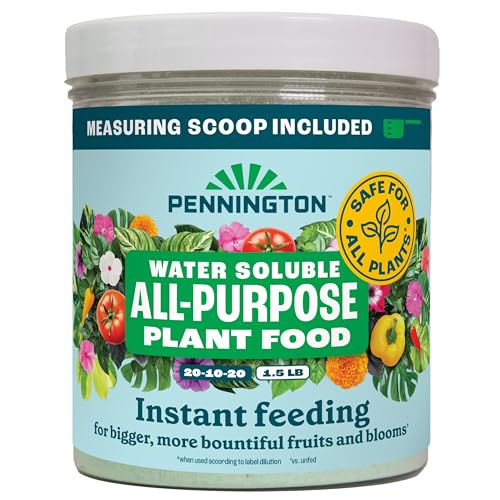
Pennington Water Soluble Plant Food 20-10-20

Miracle-Gro Organic Plant Food 32 fl. oz.
The Picks, Examined More Closely
Alaska’s fish emulsion has earned a long track record among backyard growers who want steady, predictable nutrition without complicated mixing routines. The 5-1-1 ratio leans mild, which suits fruit trees that prefer slow, even feeding over aggressive nitrogen pushes. You dilute it in water and pour it along the drip line, the area directly beneath the outer branches where feeder roots concentrate.
For mixed orchards where apples sit next to stone fruit and berries, this kind of gentle base feeding tends to play nicely with everything in the lineup. The OMRI listing matters for gardeners keeping things organic without the paperwork headaches.
What Stands Out
- Low burn risk makes it forgiving for first-time fruit tree owners learning feeding schedules.
- OMRI listed for gardeners committed to organic practices.
- Liquid format spreads evenly through soil, reaching feeder roots faster than surface-applied granules.
- Works across a wide range of fruit trees, berries, and vines without needing separate products.
Things To Consider
- Distinct fish odor lingers for a day or two after application, which matters in tight patio spaces.
- Requires regular mixing and a watering can or applicator for routine use.
- Low nutrient concentration means frequent reapplication during peak growing months.
Who It Suits Best
Organic-minded home orchardists with mixed fruit plantings who prefer a simple, repeatable liquid routine over granular measuring.
Look Elsewhere When
The Down To Earth Organic Fruit Tree 6-2-4 fits better when you want fewer applications across a larger, established orchard.
Dr. Earth’s Natural Wonder was built specifically for fruit trees, berries, and fruiting vines in containers or backyard beds. The 5-5-2 analysis is balanced, with equal nitrogen and potassium to support both leafy growth and fruit development without skewing too heavily toward either. You can work it into the soil at transplanting or top-dress it around established trees throughout the year.
The 4-pound bag covers roughly 60 square feet, which lines up well with a small home orchard or a cluster of container-grown citrus on a sunny patio. Pet-safe and Non-GMO Project Verified credentials matter for households where curious dogs treat the garden like a buffet.
Bright Spots
- Balanced NPK ratio supports both vegetative growth and fruiting stages.
- Certified organic and pet-safe, easing concerns for family gardens.
- Versatile enough for in-ground trees, containers, and berry patches alike.
- Granular format means less frequent reapplication than liquid feeds.
Worth Noting
- Smaller bag size may run short in larger orchards with multiple mature trees.
- Slow-release nature means results show gradually rather than in a visible green-up.
Feature Snapshot
Made For
Pet owners and organic-first gardeners tending a handful of fruit trees or berries in compact spaces.
Skip It When
The Espoma Organic Citrus-Tone 5-2-6 serves better when your orchard leans heavily toward citrus, nuts, and avocados.
Ironite Plus takes a different angle than the organic picks, focusing on micronutrient correction alongside macronutrient feeding. The 12-10-10 analysis delivers a strong nitrogen push, while the added iron targets the chlorosis that turns fruit tree leaves pale yellow between the veins, a particular headache in alkaline soils where iron becomes less available to roots.
Granular format makes it a practical choice for spreading around the drip line of established trees without mixing or measuring liquids. For gardeners diagnosing yellowing foliage or working with mineral-heavy native soil, the iron component can be the missing puzzle piece.
What Earns Its Place
- Added iron addresses chlorosis common in alkaline or compacted soils.
- High nitrogen content supports rapid spring green-up in dormant trees.
- Granular application suits busy schedules with less frequent feedings.
- Secondary micronutrients round out the nutritional profile beyond basic NPK.
Trade Offs
- Synthetic formulation doesn’t fit organic gardening preferences.
- Strong nitrogen ratio risks pushing leafy growth at the expense of fruiting if over-applied.
- Smaller 3 lb package may require multiple purchases for larger properties.
Right Fit For
Growers in alkaline-soil regions watching leaves yellow and needing a targeted iron correction alongside feeding.
Reach For A Different Pick When
The Alaska Fish Fertilizer suits better when you want organic compliance and a gentler feeding curve across mixed fruit trees.
Down To Earth’s Fruit Tree blend leans into the philosophy that established orchards need steady nutrition rather than aggressive boosts. The 6-2-4 ratio puts nitrogen in front for spring growth, keeps phosphorus moderate for root and flower support, and lifts potassium for fruit quality and disease resistance.
OMRI-listed for organic production, it fits into certified-organic orchards without compliance headaches. The 5-pound box covers a meaningful footprint of home orchard, making it economical for gardeners managing several mid-sized trees.
Why It Works Well
- Higher potassium ratio supports fruit sweetness and overall tree resilience.
- OMRI listed for organic-certified operations and gardens.
- Larger 5 lb format reduces reordering frequency for multi-tree orchards.
- Slow-release granular minimizes leaching in rainy climates.
- Tailored specifically for fruit tree nutrition rather than general garden use.
Minor Gripes
- Granular format requires light watering in to activate, which matters during dry spells.
- Higher nitrogen means timing applications around spring growth matters more.
Best Suited To
Home orchardists running a mid-sized collection of fruit trees who want fewer applications and organic certification in one box.
Consider Something Else When
The Espoma Organic Citrus-Tone makes more sense for gardens dominated by citrus, nut, and avocado trees.
Farmer’s Secret built this booster specifically for citrus, recognizing that lemons, limes, and oranges have nutritional demands that general fruit tree feeds don’t always hit. The super-concentrated format means a single 32-ounce bottle stretches across many feeding sessions. One teaspoon per gallon of water covers most weekly applications, with young trees in their first season on the lower end and mature producers moving toward two teaspoons.
For indoor and outdoor citrus alike, the weekly drip-line routine fits the steady-feeding pattern that container citrus especially seems to respond to. The narrow focus means it won’t double as a general garden fertilizer, but that’s the point.
What It Does Well
- Super-concentrated formula keeps the bottle lasting through many applications.
- Citrus-specific formulation addresses the magnesium and micronutrient needs citrus trees show.
- Works for both indoor container trees and outdoor plantings.
- Simple dilution ratio removes guesswork from weekly feeding routines.
Points To Note
- Narrow citrus focus limits versatility across mixed fruit tree orchards.
- Weekly application frequency demands consistent attention through the growing season.
Quick Facts
Perfect Match For
Citrus enthusiasts growing lemons, limes, or oranges in containers or small backyard plantings who want a targeted weekly routine.
A Better Fit Elsewhere
The Down To Earth Organic Fruit Tree 6-2-4 works better for gardeners managing diverse fruit trees beyond just citrus.
Espoma’s Citrus-Tone stretches beyond pure citrus, covering fruit trees, nut trees, and avocados with a single product. The 5-2-6 analysis tilts toward potassium, which matters for fruit development and tree vigor, and the blend includes calcium at 5%, addressing the calcium-related disorders that can plague citrus and stone fruit alike.
The Bio-tone addition brings beneficial microorganisms that help nutrients become more available in the soil. For gardeners juggling citrus alongside avocados or nut trees in the same planting zone, this versatility removes the need for multiple specialized products.
Benefits That Matter
- Covers citrus, fruit, nut, and avocado trees from a single bag.
- Higher potassium ratio supports fruit quality and overall resilience.
- Added calcium helps prevent blossom-end issues in citrus and stone fruit.
- Bio-tone microbial blend improves long-term soil health beyond surface feeding.
- Organic and environmentally safe formulation.
Honest Caveats
- Granular format works best when worked into soil or watered in thoroughly.
- Broader formulation sacrifices some specialization that dedicated citrus feeds offer.
Who Will Love This
Mixed-fruit gardeners running citrus alongside avocados and nut trees who want one product covering multiple tree types.
Swap It Out When
The Farmer’s Secret Citrus Tree Booster fits better for indoor citrus growers wanting a concentrated weekly liquid routine.
Pennington’s water-soluble formula takes aim at gardeners who want visible results without waiting weeks for slow-release organics to break down. The 20-10-20 analysis is high-nitrogen, positioning this as a spring growth booster rather than a balanced season-long feed.
You dissolve it in water and apply with a watering can, with the included measuring scoop taking the math out of the process. For fruit trees coming out of dormancy and pushing their first flush of leaves, that rapid nitrogen availability can mean a stronger canopy heading into flowering.
Positive Takeaways
- Fast-release nitrogen produces visible green-up within days of application.
- Water-soluble format feeds through both roots and foliage when applied as a drench.
- Included scoop simplifies measuring for consistent feeding ratios.
- High analysis means a small amount goes a long way per feeding.
Factors To Consider
- High nitrogen ratio risks excessive vegetative growth at the expense of fruiting if overused.
- Synthetic formulation doesn’t align with organic gardening practices.
- Frequent reapplication needed compared to slow-release options.
Built With In Mind
Spring-feeding gardeners wanting visible canopy push on fruit trees entering the active growing season.
Not Your Match When
The Alaska Fish Fertilizer suits better for organic-first gardeners seeking steady, gentle nutrition across the full season.
Miracle-Gro’s entry into organic feeding simplifies the category for newcomers who want recognizable branding alongside organic credentials. The liquid format feeds instantly, and the plant-based ingredient profile (94% plant-derived) reassures gardeners transitioning away from synthetic options.
OMRI listed for organic use, it works across indoor and outdoor container plants as well as in-ground fruit trees. For beginners still learning feeding schedules, the straightforward application removes several layers of guesswork.
Points In Its Favor
- Plant-based formula appeals to gardeners avoiding animal-derived ingredients.
- Liquid format delivers nutrients immediately without waiting for breakdown.
- Recognizable brand simplifies the decision for first-time organic feeders.
- Works across indoor houseplants, container fruit trees, and outdoor gardens.
Practical Considerations
- General-purpose formulation lacks fruit-tree-specific nutrient calibration.
- Bottle size may run short for larger outdoor orchards with multiple trees.
Whose Shelf It Belongs On
Beginner gardeners dipping into organic feeding who want a versatile liquid that handles fruit trees alongside other garden plants.
Where Another Pick Suits Better
The Down To Earth Organic Fruit Tree 6-2-4 serves more experienced orchardists wanting fruit-specific nutrient ratios in granular form.
What Matters Most When Choosing Plant Foods For Fruit Trees
The first decision is organic versus synthetic. Organic options like Alaska Fish Fertilizer, Dr. Earth, Down To Earth, and Espoma feed soil biology alongside the tree, building long-term soil health. Synthetic choices such as Ironite and Pennington deliver faster visible results but skip the microbial benefits. Pet households and gardeners avoiding animal byproducts have narrower pools to choose from.
Format matters as much as ingredients. Liquid feeds act quickly and spread evenly through soil, but demand frequent reapplication and consistent mixing. Granular products break down slowly and feed over weeks, suiting busier schedules but requiring watering-in during dry periods. For container citrus on a patio, concentrated liquids like Farmer’s Secret give precise control. For a backyard orchard, granular organics simplify the routine.
NPK ratio should match your goal. Higher nitrogen (Pennington’s 20-10-20) pushes leafy canopy growth, useful in spring but risky if overapplied mid-season. Balanced ratios (Dr. Earth’s 5-5-2) support overall health. Higher potassium blends (Espoma’s 5-2-6, Down To Earth’s 6-2-4) prioritize fruit development and tree resilience. Iron content matters in alkaline soils where chlorosis shows up as yellowing between leaf veins.
Practical Wisdom For Backyard Feeders
Mistakes Worth Dodging
Overfeeding ranks as the most common slip. More fertilizer doesn’t mean more fruit, and excess nitrogen often produces leafy trees with reduced flowering. Following package rates matters more than chasing aggressive growth. Another trap involves applying fertilizer right at the trunk rather than along the drip line, where feeder roots actually live. Watering the feeding zone immediately after application helps nutrients reach those roots before evaporating or running off.
What Separates Premium From Basic
Higher-tier fruit tree feeds typically include secondary nutrients like calcium, magnesium, and sulfur, plus micronutrients such as iron, zinc, and manganese. Budget blends often cover only NPK, leaving trees to scavenge the rest from native soil. When that soil is depleted or alkaline, deficiencies show up as poor fruit set, leaf discoloration, or weak growth. The premium tier also tends to include beneficial microbial cultures, which gradually improve soil structure and nutrient availability over seasons of use. For a small home orchard, that long-term soil investment often outweighs the upfront cost difference.
Frequently Asked Questions
How Often Should Fruit Trees Be Fed?
Most established fruit trees benefit from feeding two to three times per year, typically in early spring as growth resumes, again after fruit set, and sometimes in late summer for tree reserves. Container trees and young saplings often need lighter, more frequent applications since their root zones are smaller.
Can One Fertilizer Work For All Fruit Trees?
Some blends, like Espoma’s Citrus-Tone, are designed for multi-fruit use including citrus, nuts, and avocados. For truly mixed orchards, a balanced organic such as Dr. Earth Natural Wonder covers fruit trees, berries, and vines reasonably well. Specialty crops like citrus alone may respond better to targeted formulations such as Farmer’s Secret Citrus Tree Booster.
Is Organic Fertilizer Better Than Synthetic For Fruit Trees?
Organic options build soil health over time and align with organic certification standards, but they typically act more slowly. Synthetic feeds deliver faster visible results but skip the microbial benefits. The honest read is that both work, and the choice depends on your gardening philosophy and timeline expectations.
When Is The Best Time To Start Fertilizing Fruit Trees?
Early spring, just as buds begin to break, is the prime window for the first application. Avoid late-season feeding that pushes new growth going into dormancy, which can leave trees vulnerable to winter damage. Container trees can be fed through summer with diluted liquid applications.
Do Container Fruit Trees Need Different Feeding?
Yes. Container trees have limited soil volume and leach nutrients faster with each watering. Diluted liquid feeds applied every two to four weeks during the growing season typically outperform granular options in pots. A concentrated formula like Farmer’s Secret suits this rhythm well.
Closing Remarks
The right plant food for your fruit trees depends on what you’re growing, how you garden, and how much routine you can sustain. Organic gardeners with mixed orchards find a steady partner in Dr. Earth or Down To Earth, while citrus specialists reach for Farmer’s Secret. Beginners easing into the category get a smooth start with Miracle-Gro Organic, and gardeners correcting yellowing foliage in alkaline soil lean on Ironite. Pick the formula that matches your soil, your trees, and the schedule you can actually keep.
