

Your flowers deserve more than tap water and good intentions. Whether you tend window boxes of annuals, manage a backyard cutting garden, or just want your grocery-store bouquet to hold its petals past day three, the right plant food for flowers makes a noticeable difference. This roundup covers feeding options for both growing plants and freshly cut stems, so you can match the formula to where your flowers actually live.
The Shortlist At A Glance

Miracle-Gro Indoor Plant Food Spikes for All Plants, 48 Spikes

FloraLife Fresh-Cut Flower Food 25 Packets
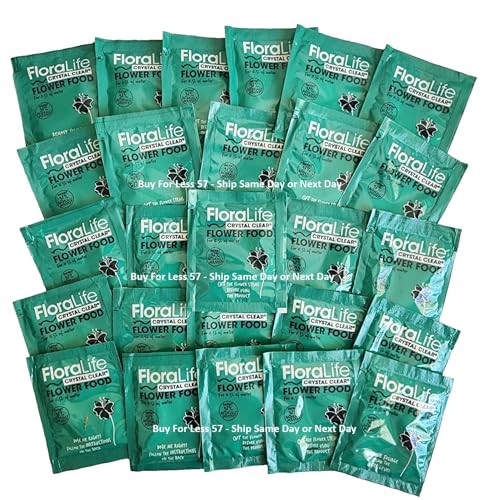
Floralife Flower Food 300, 5gm pkg 50

Miracle-GRO LiquaFeed Bloom Booster Flower Food
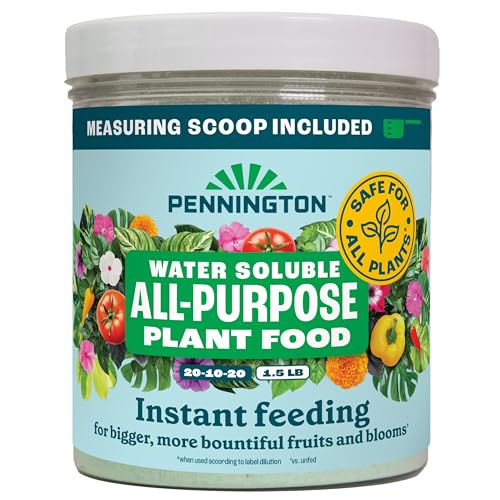
Pennington Water Soluble All Purpose Plant Food 20-10-20 1.5 LB

Miracle-Gro Organic Plant Food, 32 fl. oz.
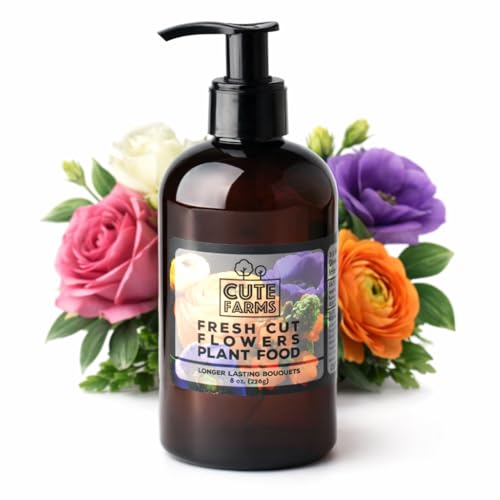
Fresh Cut Flower Food Concentrate 8 oz Bottle
Miracle-Gro Performance Organics Blooms Plant Nutrition, 1 lb.
More On The Choices That Made The List
Spike-style fertilizers trade measuring cups and mixing bottles for a small stick you press into the soil. The 48-count package keeps a decent-sized indoor collection fed for many months between repurchases. For anyone who forgets liquid feeding schedules, this format removes that whole chore from the routine.
Unlike the liquid picks later in this list, these work best in potted houseplants rather than garden beds. Flowering houseplants like African violets and peace lilies benefit, but you’ll still want a dedicated bloom booster for outdoor flower beds.
What Makes Sense
- Insert-and-forget feeding; no measuring or mixing required
- Slow nutrient release suits owners with irregular care routines
- Works across a wide range of common houseplants, including flowering varieties
- 48-count supply lasts through several feeding cycles
Things To Consider
- Spikes sit close to the root zone; uneven watering can concentrate salts in one spot
- Less ideal for outdoor garden beds where broadcast or liquid feeding covers more ground
- Doesn’t deliver the targeted bloom-boosting phosphorus of liquid formulas
Whose Shelf It Belongs On
Casual houseplant keepers who want set-and-forget feeding for mixed flowering and foliage plants.
Skip It When
Your flowers live mostly outdoors; reach for Miracle-GRO LiquaFeed Bloom Booster Flower Food instead for garden beds.
These individual packets target the other side of flower care: cut stems sitting in a vase. The pre-measured doses drop into a standard vase with no second-guessing ratios. Hosts running dinner parties or hosting overnight guests get a tidy, no-spill solution.
The formula is built around hydration and sugar balance, the two things cut flowers need most once separated from the plant. Compare that to the granular picks earlier, which feed roots in soil rather than stems in water.
Good Reasons To Consider
- Pre-measured doses remove any guesswork from mixing vase water
- Designed for both hydration and nutrition in a single packet
- Compact packaging stores easily in a linen closet or kitchen drawer
Worth Noting
- Only suits cut flowers, not potted or planted flowers
- Single-use packets generate more packaging waste than bulk concentrates
Feature Snapshot
Right Fit For
Frequent entertainers who rotate fresh arrangements and want zero-prep vase treatment.
Look Elsewhere When
You maintain an actual garden; Floralife Flower Food 300 gives a more economical option for steady floral work.
This is the bulk format florists reach for. Each 5-gram packet makes about a pint of solution, and a box of 50 covers a long stretch of event work. Wedding florists, farmer’s market growers, and anyone running a small flower business get strong value per treatment.
The dry powder format stores well in a back-room cabinet without the spoilage risk of mixed concentrates. That makes it a sensible backup for studios where humidity and temperature swing through the seasons.
Notable Gains
- Bulk 50-pack drops the per-treatment cost substantially
- Each packet mixes one pint, an amount that matches standard vase sizes
- Dry powder keeps longer than premixed liquid in storage
Trade Offs
- Requires a measuring step; not as quick as drop-in packets
- Industrial format may be overkill for a single home vase a week
Made For
Small-scale florists, wedding designers, and serious hobbyists who process flowers frequently.
Consider Something Else When
You only buy a single bouquet every other week; the 25-pack of FloraLife Fresh-Cut Flower Food suits lighter households.
Bloom boosters carry a higher middle number in the N-P-K ratio, where phosphorus drives flower production rather than leaf growth. This liquid formula attaches to a watering hose or LiquaFeed feeder for fast, even coverage across a flower bed.
Container gardeners with petunias, geraniums, and impatiens see the strongest response, since those plants bloom heavily through summer. The liquid format also corrects nutrient gaps faster than granular options, which need time to break down.
The Upside
- Phosphorus-forward formula targets bloom production directly
- Liquid delivery feeds quickly through watering routines
- Works with hose-end feeders for broad garden coverage
Honest Caveats
- Higher phosphorus isn’t helpful for foliage houseplants that rarely flower
- Requires a feeder attachment if you don’t already own one
- Needs more frequent reapplication than slow-release granulars
Best Suited To
Gardeners running flower-heavy containers or annual beds who want visible bloom response within a week or two.
Reach For A Different Pick When
You prefer organic inputs; Miracle-Gro Performance Organics Blooms Plant Nutrition fits that workflow instead.
The 20-10-20 ratio on this water-soluble powder splits the difference between bloom boosters and all-purpose lawn feeders. It serves a mixed bed where flowering plants share space with veggies or herbs, so you can run one feeding routine across everything.
Fast-release nitrogen greens things up quickly, which matters in spring when you want steady early growth. The included scoop removes the measuring step, a small but real convenience during busy weekend gardening sessions.
Reasons It Performs
- One formula covers flowers, vegetables, and herbs without switching products
- Included scoop gives quick, repeatable measurements
- Large 1.5-pound supply stretches through a full growing season
Points To Keep In Mind
- Not specialized for blooms; flower production won’t be as aggressive as a dedicated booster
- Powder must dissolve fully before use to avoid clogged sprayers
Feature Snapshot
Who It Suits Best
Garden managers who run mixed beds with flowers, herbs, and vegetables in the same watering rotation.
Swap It Out When
You maintain a dedicated flower bed where bloom output is the priority; Miracle-GRO LiquaFeed Bloom Booster Flower Food gives stronger flower targeting.
For gardeners who lean organic, this liquid formula derives most of its nutrition from plant-based sources. The 32-ounce bottle dilutes into a watering can for fast uptake, and OMRI listing matters for anyone growing edibles alongside flowers.
You’ll notice the feed behaves a touch milder than synthetic liquid options, which keeps leaf burn off tender annuals. It suits indoor and outdoor use, so the same bottle can move between windowsill herbs and patio flower boxes without switching products.
Useful Touches
- Plant-based ingredients align with organic gardening principles
- Liquid format delivers fast uptake without synthetic odor
- One bottle works across indoor and outdoor plants
Small Caveats
- Milder nutrient strength means you may need more frequent application than synthetic liquids
- Larger 32-ounce size adds weight to carry around a garden
Perfect Match For
Organic-minded gardeners who want a versatile liquid feed that crosses between houseplants and outdoor flower beds.
Not Your Match When
You want targeted bloom-boosting numbers; Pennington Water Soluble All Purpose Plant Food 20-10-20 1.5 LB gives a stronger flower response.
This Cute Farms concentrate leans gentle, which suits flower types that wilt fast under stronger commercial formulas. The pump-top bottle dispenses a measured dose into a vase without the trial-and-error of pouring from a jug.
The mild formulation works well for roses, carnations, and sunflowers, but you may want something stronger for tropicals or heavily hybridized blooms. For most household bouquets, though, the gentleness is a feature, not a bug.
Where It Delivers
- Pump dispenser delivers consistent doses without measuring cups
- Gentle formula suits delicate flower types prone to stem burn
- Compact 8-ounce bottle fits on a narrow pantry shelf
Room For Improvement
- Smaller bottle runs out faster than bulk options like the 25-pack from FloraLife
- Less aggressive nutrient mix may underperform on tropical cut flowers
Who Should Grab It
Households rotating standard bouquet flowers like roses and carnations who want fuss-free dosing each week.
A Better Fit Elsewhere
You process flowers in bulk for events; Floralife Flower Food 300 handles that volume more economically.
Granular organic feeds break down slowly through microbial activity, releasing nutrients over a longer window than liquids. This formula targets flowers specifically, with a nutrient balance that pushes bloom production once it activates in the soil.
It pairs well with a seven-day feeding rhythm using a watering can or a Miracle-Gro garden feeder. In-ground flower beds see the most benefit, since the granular format spreads evenly across a wider root zone than container-friendly liquids.
The Practical Payoff
- Organic-certified formula fits chemical-free garden routines
- Granular format spreads easily across in-ground flower beds
- Slow nutrient release reduces the number of feeding sessions per month
Points To Note
- Slower activation than liquid options; results take a few weeks to show
- Less practical for small indoor pots where granular measurement is fiddly
Built With In Mind
Backyard gardeners with established flower beds who want organic feeding with minimal weekend labor.
Where Another Pick Suits Better
You grow mostly in containers; Miracle-GRO LiquaFeed Bloom Booster Flower Food absorbs faster in a smaller root zone.
Picking Plant Foods For Flowers That Actually Fit Your Garden
The first call you make is whether your flowers live in soil or sit in a vase. Soil-grown plants need N-P-K fertilizer (nitrogen for leaves, phosphorus for blooms, potassium for roots) delivered through spikes, granules, or diluted liquids. Cut-stem care is a different animal entirely, focused on hydration and stem nourishment through packets or concentrates, not root feeding.
Next, weigh organic versus synthetic. Organic options rely on plant or animal byproducts and break down through microbial activity, which fits organic garden standards but produces slower visible results. Synthetic formulas push nutrients faster but may not align with chemical-free gardening values.
Container size matters too. Liquids and water-soluble powders cover a small root zone quickly, which suits patio pots. Granular organic feeds spread across larger beds and break down gradually. Spike formats work in pots but waste a lot of product if you spread them across open ground.
For cut flowers specifically, the dry packets and concentrates keep stems hydrated and fed without the soil-pathway nutrients that help living plants. If your routine mixes both growing and arranging, you’ll likely want two different products on hand.
Finally, think about feeding frequency. Liquids need reapplication every week or two during peak season. Slow-release granules and spikes stretch that timeline out, sometimes covering two months per application. Match the format to how often you actually want to mix and pour.
Key Considerations Across These Picks
Common Shopping Slip Ups
The biggest mistake is grabbing a high-phosphorus bloom booster for plants that mostly grow leaves. Flowering houseplants and lawns need balanced or nitrogen-forward feeds, not bloom-targeted formulas. Read the three-number ratio before committing to a product.
Another trap is ignoring format. Spreadsheets and grocery bouquets both need water, but they don’t both need root fertilizer. Buying a soil fertilizer for cut flowers wastes the product, while cut-flower packets do nothing for a garden bed. Match the format to the actual growing environment.
What The Higher Tier Buys
Premium concentrates and organic-certified formulas cost more because of ingredient sourcing and processing. You pay extra for OMRI-listed organic certification, gentler formulations for sensitive blooms, and packaging that improves dosing accuracy. The upgrade is worth it when you’re growing organic edibles alongside flowers or feeding a flower bed you check on daily.
Budget water-soluble powders deliver strong nutrition at lower cost but require more measuring and reapplication. They’re a sensible starting point for beginners who want to learn feeding rhythms before investing in higher-tier options.
Frequently Asked Questions
How often should I feed flowering plants?
Most flowering plants benefit from feeding every one to two weeks during the active growing season. Granular organic options stretch that out to once a month or even less often, depending on the formula.
Can I use the same food for cut flowers and potted plants?
No, cut-flower packets and plant fertilizers serve different purposes. Cut-flower products hydrate stems in water, while plant fertilizers feed roots in soil. Using one in place of the other won’t produce the results you’re after.
What’s the difference between organic and synthetic plant food?
Organic formulas use plant or animal-derived ingredients and break down through soil microbes. Synthetic formulas deliver nutrients faster through chemically processed compounds. Organic options align with chemical-free gardening, while synthetics often produce faster visible results.
Do bloom boosters really make flowers bloom more?
Bloom boosters carry higher phosphorus, the nutrient most associated with flower production. Plants that already have proper nutrition may show modest gains, while underfed plants often respond more dramatically. Results depend on the plant’s starting condition.
Is it safe to use plant food on edible flowers?
Yes, but check that the product is labeled for edible use. Organic-certified formulas are a common choice for gardeners growing edible flowers alongside ornamentals. Avoid formulas designed only for ornamentals if you plan to consume the blooms.
Bottom Line
The right plant food for flowers comes down to where your flowers actually grow and how much hands-on care you want. Pick a format that matches your routine, choose organic or synthetic based on your garden values, and keep a separate vase treatment on hand if you regularly bring cut flowers indoors.
