

Grape vines pull a surprising amount of nutrition out of the soil each season, especially once they start setting fruit. Feeding the right formula at the right time shapes berry size, sugar content, and winter hardiness more than almost anything else a home grower does. This list walks through eight dependable fertilizers suited to backyard grapes, whether you tend a single arbor or a small home vineyard.
The Essentials At A Glance

Miracle-Gro Indoor Plant Food Spikes for All Plants, 48 Spikes

Dr. Earth Natural Wonder Fruit Tree Fertilizer 4 lb

Down To Earth All Natural Fertilizers Organic Fruit Tree 6-2-4, 5 lb
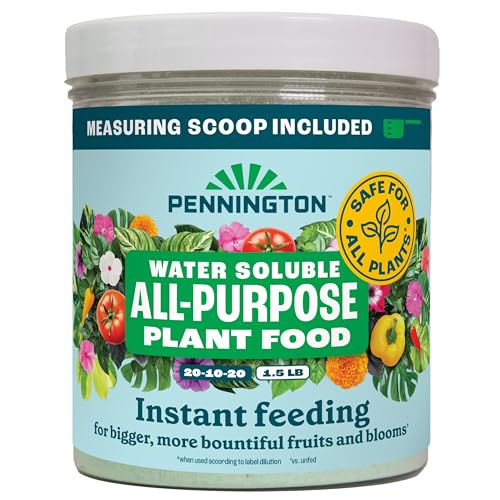
Pennington Water Soluble All Purpose Plant Food 20-10-20 1.5 LB

Miracle-Gro Organic Plant Food, 32 fl. oz.

True Organic All Purpose Liquid Plant Food 16oz NPK 3-2-2
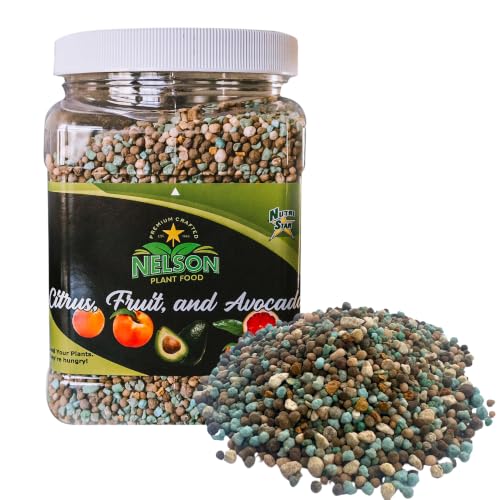
Nelson NutriStar Citrus & Fruit Tree Plant Food 12-10-10, 2 lb

Espoma Berry Tone Plant Food 4-3-4, 4-Lbs.
The Strengths Of Each Pick
Spike-style fertilizers earn their keep with grape vines kept in large containers, where measuring and mixing liquids gets fiddly. You push a spike into the root zone and it slowly releases nutrients over weeks, which suits forgetful waterers or anyone balancing grape care alongside a long to-do list. In a patio setting, this means a trellised vine near the kitchen door gets fed without hauling a watering can to the back forty.
Compared with the organic granular picks later in this list, this option trades soil-building ingredients for sheer convenience. Each spike is pre-measured, so there’s no scoop to calibrate and no runoff to worry about on a balcony. For most casual grape growers, that trade feels fair.
Where It Helps
- Pre-measured spikes remove the guesswork from dosing, useful for new grape growers still learning vine appetite.
- Slow nutrient release supports up to two months of steady feeding per application.
- Clean application suits indoor or covered patio setups where splashing liquid fertilizer is a hassle.
- Works across the whole plant collection, so the same box covers houseplants and grape vines alike.
Things To Consider
- Synthetic nutrient profile offers little organic matter contribution to the soil over a full season.
- Spikes concentrate nutrients in one spot, so larger vines with wide root spread may want supplemental feeding at the drip line.
Right Fit For
Container grape growers and renters who want steady feeding without mixing or measuring, especially those tending a single vine on a sunny patio.
Swap It Out When
You want to build long-term soil health around an in-ground arbor, where Dr. Earth Natural Wonder Fruit Tree Fertilizer’s organic blend fits the brief better.
Natural Wonder is built for fruiting plants that need a gentle, balanced push rather than a nitrogen jolt. The 5-5-2 NPK ratio (the three numbers on any fertilizer bag, standing for nitrogen, phosphorus, and potassium) gives grape vines enough food to set strong canes without the leafy overgrowth that delays fruiting. In backyard soil, that balance matters because excess nitrogen on grapes tends to produce gorgeous leaves and sour, thin fruit.
Where Miracle-Gro’s spikes target container convenience, this bag is aimed at soil-building gardeners. The four-pound package covers roughly 60 square feet of root zone, so a single bag handles a couple of mature vines with room to spare.
What Pays Off
- Balanced 5-5-2 NPK favors fruit development over foliage, which is exactly what grape vines need once they’re established.
- People-and-pet-safe ingredients give peace of mind around edible harvests and curious dogs.
- Granular format spreads easily under the canopy and works into mulch without special equipment.
- A four-pound bag treats a small home vineyard’s worth of vines in a single purchase.
Worth Noting
- Granular organic fertilizers release slowly, so hungry young vines may need a complementary liquid feed during their first growing season.
- Owners commonly report a noticeable earthy smell on warm days after application, normal for organic meals but worth expecting.
At A Glance
Best Suited To
Backyard growers who want a versatile organic option that doubles as feed for blueberries, figs, or kiwi planted alongside their grapes.
Look Elsewhere When
You want a stronger phosphorus and potassium push for fruiting, in which case Nelson NutriStar 12-10-10 steps in with a higher analysis.
Down To Earth’s 6-2-4 fruit tree blend nudges the nitrogen up a touch while keeping phosphorus modest, which works well during the cane-building phase of grape development. That extra nitrogen is most useful in early spring, when vines are pushing new shoots and need raw material for strong, well-positioned canes. Later in the season, growers tend to back off this blend in favor of something gentler.
The five-pound box covers a small home orchard comfortably and stays fresh in a sealed container for several seasons. Unlike the pre-portioned spikes from earlier, this format invites you to think about per-vine rates and timing, which is a feature if you enjoy the gardening process and a chore if you don’t.
Positive Takeaways
- Higher nitrogen share compared to most fruit-tree blends supports robust spring cane growth on young vines.
- Natural-ingredient list appeals to organic gardeners and those growing edible fruit for family use.
- Granular texture spreads evenly under the drip line without clumping.
- Compatible with raised beds, in-ground plantings, and large patio planters.
Trade Offs
- Phosphorus sits at just 2 percent, so phosphorus-hungry varieties may need supplementation alongside this base feed.
- Without a built-in measuring scoop, gardeners accustomed to liquid concentrates will need a separate scoop or cup.
Who Should Grab It
Newer grape growers establishing vines that need a nitrogen-forward start, particularly in the first two or three seasons.
Skip It When
You tend a mature, productive vine that already pushes plenty of foliage, where Pennington’s water-soluble 20-10-20 gives more flexible midseason control.
Water-soluble fertilizers are the espresso shot of the plant food world: fast, direct, and easy to control. Pennington’s 20-10-20 formula pushes nitrogen hard, so it works best early in the season when grape vines are extending shoots and building the wood that will carry next year’s fruit. The included scoop takes the math out of mixing, which matters more than people expect when you’re juggling a watering can in one hand and a fertilizer jar in the other.
Pair this with one of the organic granular blends earlier in the list and you have a season-long program: organics for steady soil health, this for targeted spring vigor. Run it solo, and you may find yourself feeding more often than you’d like to keep nitrogen levels consistent.
Notable Gains
- Fast-acting nitrogen shows up in vine growth within days of application.
- Built-in scoop simplifies measuring, even for gardeners new to soluble feeding.
- Flexible dilution lets you dial strength up or down depending on the vine’s stage of growth.
- Powder dissolves completely in water, leaving no gritty residue on leaves or stems.
Honest Caveats
- Synthetic nutrient profile means this fertilizer contributes nothing to long-term soil organic matter.
- Higher nitrogen ratio risks pushing excessive foliage if used heavily during the fruiting window.
- Frequent application is the trade-off for fast results; plan on a regular schedule rather than occasional feeding.
Feature Snapshot
Built With In Mind
Gardeners managing multiple crops who want a single soluble product to feed everything from tomatoes to trellised grapevines.
Consider Something Else When
Your priority is organic certification for the harvest, where True Organic’s liquid 3-2-2 keeps the garden program clean.
This liquid organic option is what most people picture when they say “just feed the plants and move on.” You dilute it with water, pour it over the root zone, and grape vines respond within the week. For gardeners keeping up with a routine rather than guessing at a schedule, the consistency is a quiet luxury.
Compared with Pennington’s higher-analysis soluble from earlier, this bottle trades raw nutrient strength for cleaner sourcing. The 32-ounce size keeps the kitchen counter stocked through several applications on a small home vineyard.
Bright Spots
- Liquid format mixes quickly and evenly with no stirring or settling.
- Mostly plant-based ingredients appeal to growers avoiding synthetic mineral salts.
- Bottle design pours without dripping, which matters when mixing near a kitchen sink.
- Works for both indoor houseplants and outdoor grape vines, simplifying shopping.
Points To Note
- Liquid organics tend to cost more per feeding than granular equivalents, so the bottle disappears faster than expected on bigger plantings.
- Storage in a cool spot helps the bottle stay fresh, especially through hot summers.
Made For
Home grape growers who prefer a quick weekly or biweekly routine over seasonal heavy-feed applications.
Not Your Match When
You want a single annual application that covers the season, where Dr. Earth’s granular fruit tree fertilizer requires less repeat effort.
True Organic’s liquid goes light on numbers but heavy on ingredient transparency, which is why organic-minded grape growers keep bottles around. The 3-2-2 analysis is gentle enough that you can feed established vines through the fruiting window without inviting the leaf-and-runner push that ruins grape clusters. That mild profile is the trade you accept for cleaner sourcing.
Compared with Miracle-Gro Organic’s bottle earlier, this one runs smaller at 16 ounces but leans further into the farm-grade ingredient story. For gardeners tracking inputs closely, the labeling makes mixing decisions simpler.
Strengths Worth Knowing
- Gentle NPK supports fruit maturation without encouraging rank vegetative growth.
- Liquid format suits foliar feeding as well as root drench applications.
- Recognized by organic review programs for gardeners keeping a clean certification path.
Small Caveats
- Lower nutrient concentration means more frequent feeding to match the impact of synthetic liquids.
- Sixteen-ounce bottle may run short in larger vineyards with multiple mature vines.
Perfect Match For
Organic-focused gardeners with a small home vineyard who value clean sourcing over maximum nutrient density.
Another Choice May Suit
You want stronger midseason correction on a struggling vine, in which case Pennington’s water-soluble 20-10-20 gives a faster bump.
NutriStar is the heavyweight on this list, with a 12-10-10 analysis that targets fruiting plants pulling hard on soil reserves. Grape vines growing in lighter, sandy soils or in raised beds that drain quickly often need this kind of steady, higher-analysis feeding to keep production up. The granular form spreads neatly under the canopy and stays in the root zone through watering.
Despite the citrus-heavy name on the bag, the formula targets fruiting vines and trees broadly, so grape growers have leaned on it for years. Where the gentler organics earlier in the list require patience, this one shows visible results within a single season.
Good Reasons To Consider
- Higher NPK delivers more nutrient per scoop, so smaller applications cover mature vines.
- Granular format feeds slowly across many weeks rather than all at once.
- Works in-ground, in raised beds, and in large patio containers without reformulating.
- Trusted brand history in the fruit-tree category gives confidence for perennial plantings.
A Few Limitations
- Stronger nutrient load is overkill for small or young vines and can burn tender roots if over-applied.
- Synthetic mineral profile contributes less to soil microbial life than organic alternatives.
Feature Snapshot
Who It Suits Best
Experienced grape growers managing established, productive vines that need a stronger feed to keep up with seasonal demand.
A Better Fit Elsewhere
You tend a young vine still building its structure, where Down To Earth’s gentler 6-2-4 organic blend suits the early years better.
Berry Tone leans into its name with a 4-3-4 analysis aimed at cane fruits and berries, but grape vines respond well to the same slow-release organic profile. The included Bio-tone ingredient blend feeds soil microbes along with the plant, which matters for grape growers thinking about long-term bed health rather than quick green-up. The 4-3-4 ratio lands in the sweet spot between early-season vigor and late-season fruit finish.
Where Nelson’s NutriStar earlier brings synthetic strength, this bag brings soil-building patience. In a mixed berry-and-grape bed, that makes Berry Tone the simpler one-stop option.
Notable Upsides
- Slow-release organic feeding builds soil structure season over season.
- Balanced 4-3-4 NPK suits fruiting plants from cane berries to table grapes alike.
- Bio-tone additive supports beneficial soil microbes around the root zone.
- Four-pound bag covers a generous mixed-fruit bed without constant reordering.
Room For Improvement
- Mild analysis means heavy-feeding table grape varieties may want a complementary boost during peak fruiting.
- Granular application requires a light watering-in to start the release process.
Whose Shelf It Belongs On
Growers managing mixed berry patches, grape vines, and fruiting shrubs who want one organic bag to feed the whole edible landscape.
Where Another Pick Suits Better
Your vineyard leans heavily on in-ground table grapes that need a stronger push, where Nelson NutriStar’s higher analysis fits the demand.
Matching Fertilizer Form To Grape Growing Style
Choosing the right plant food for grapes comes down to three things: how the vines are planted, what kind of harvest you want, and how much hands-on feeding you’re willing to do through the season.
Know Your NPK Before You Buy. The three numbers on a fertilizer bag describe nitrogen, phosphorus, and potassium by weight. For grape vines, nitrogen drives cane and leaf growth, phosphorus supports flower set and root development, and potassium thickens skins and improves winter hardiness. A 5-5-2 or 4-3-4 blend tends to outperform a high-nitrogen 20-10-20 once vines reach fruiting age, because excess nitrogen produces leaves at the expense of grape clusters.
Match Format To Setup. Container vines tolerate liquid and spike formats better, since limited root zones can’t reach far for nutrients. In-ground plantings drink up granular organic feeds, which release slowly and improve soil as they break down. Faster-acting liquids work as a complement during peak demand, not as the sole season-long strategy.
Organic Versus Synthetic Comes Down To Goals. Organic blends like Berry Tone or Dr. Earth build soil life over years, which suits permanent vine plantings where you want a one-time bed amendment to keep paying off. Synthetic options like Pennington or Nelson NutriStar deliver predictable, concentrated feeding, useful when soil tests show specific deficiencies that need correcting fast.
Plan Around the Season. Early spring favors higher-nitrogen feeds for cane building, while mid-to-late summer rewards gentler, potassium-leaning blends for fruit finish. Adjusting through the season produces noticeably better grape clusters than a one-formula-fits-all approach.
Key Considerations Across These Picks
Wrong Turns To Avoid
A common misstep is reaching for high-nitrogen lawn fertilizer because it’s familiar, then watching grape vines turn into leafy monsters with thin, sour fruit. Another is applying dry fertilizer to dry soil and forgetting to water it in, which can scorch shallow grape roots near the trunk. Timing matters too: late-season nitrogen pushes soft new growth that fails to harden off before frost, weakening vines for winter.
Where The Extra Money Goes
Premium organic blends cost more because their ingredients are processed gently and sourced for clean-label certification. The payoff is soil that gets richer year over year, not just bigger leaves this season. With grape vines, where a single planting can produce for decades, that long-term soil investment often beats cheaper synthetic options that treat each feeding as a one-off transaction.
Frequently Asked Questions
When should grape vines be fertilized each year?
Most grape vines do best with a single early-spring feeding as buds break, followed by a lighter midseason boost if the vine shows hungry growth. Stop fertilizing about six weeks before your first expected frost to avoid late soft growth.
Can general plant food work on grape vines?
Yes, though balanced fruit-tree or berry formulas typically outperform general-purpose blends because they lean toward phosphorus and potassium rather than heavy nitrogen. For grape vines specifically, the lower-nitrogen options on this list are safer bets.
How much fertilizer does a single grape vine need?
A mature backyard vine generally takes one to two cups of granular organic fertilizer spread under the canopy, or a diluted liquid feed applied every two to four weeks through the growing season. Soil tests are the most reliable way to dial in exact amounts.
Are organic fertilizers better for grape vines?
Organic options build soil life alongside feeding the vine, which suits permanent plantings where long-term bed health matters. Synthetic fertilizers deliver faster, more concentrated results and work well for correcting specific deficiencies.
Can container-grown grape vines use the same fertilizer as in-ground plants?
Container vines benefit from lighter, more frequent feeding because their limited root zones can’t store nutrients the way open soil can. Liquid or spike formats typically outperform granular organics in pots.
Closing Remarks
A grape vine that gets the right feed at the right time rewards you with fuller clusters, sweeter fruit, and sturdier canes through winter. Pick the format that matches your setup, lean toward balanced lower-nitrogen blends once vines reach fruiting age, and let the soil tell you what it needs next season.
