

Tender basil that wilts by Tuesday, rosemary that turns woody, parsley that bolts before you get a single snip: most herb problems trace back to feeding. The right plant food turns a struggling windowsill into a steady supply of fresh leaves, and the wrong one leaves you with leggy stems and yellowing edges. This roundup covers eight solid options for indoor cooks, patio gardeners, and anyone juggling a mix of containers and beds.
The Main Contenders

Miracle-Gro Indoor Plant Food Spikes for All Plants, 48 Spikes
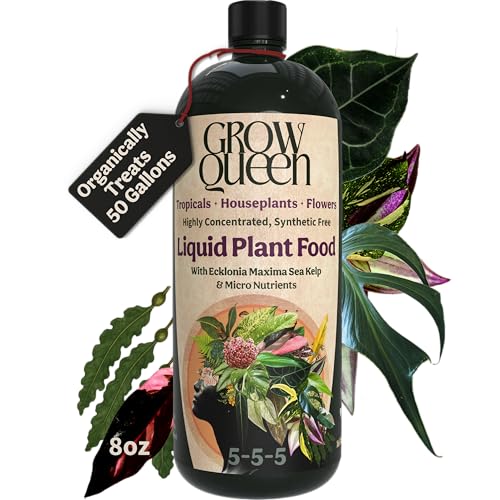
Grow Queen Organic Liquid Indoor Plant Food 5-5-5 with Sea Kelp, 8 oz
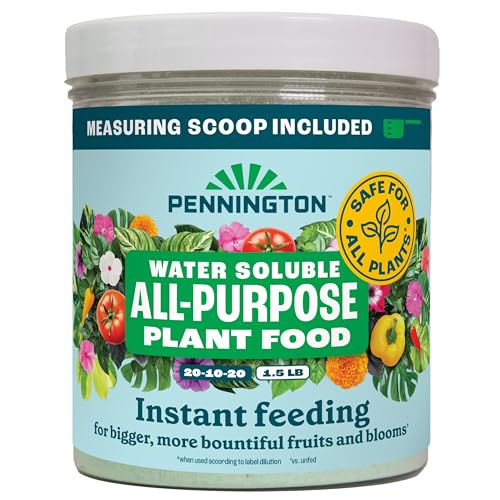
Pennington Water Soluble All Purpose Plant Food 20-10-20, 1.5 lb

Miracle-Gro Organic Plant Food, 32 fl. oz.

True Organic All Purpose Liquid Plant Food 16 oz, NPK 3-2-2

TPS Nutrients Herb Plant Food Liquid Fertilizer, 8 oz

Back to the Roots Organic All-Purpose Plant Food, 5 lb Value Size

ARBER Organic Plant Food Liquid Fertilizer Concentrate
A Deeper Look At The Lineup
For herb gardeners who routinely forget the watering can, spikes trade precision for permanence. You push one into the soil and the root zone pulls what it needs, slowly, over weeks. Each spike delivers a slow trickle of nutrition, which matters because most culinary herbs (basil, mint, chives) respond poorly to feast-or-famine feeding.
You get 48 spikes in a single pack, which stretches across a small herb collection for months at a time. In practice, this format suits a windowsill or a single patio planter more than a full raised bed.
The Helpful Details
- Spike format removes mixing, measuring, and spills entirely
- Slow-release pattern reduces the risk of fertilizer burn on tender herb roots
- Works for mixed collections of herbs, flowers, and small foliage plants
- 48-count pack covers a full season for a small indoor herb garden
Things To Consider
- Spikes must be fully inserted to feed evenly; loose placement concentrates nutrients at one spot
- Less control over feeding frequency than liquids for fast-growing basil
Who It Suits Best
Casual indoor herb growers who want consistent feeding without tracking a schedule and own a small collection of potted plants.
Look Elsewhere When
Herbs grown in large patio beds or shared community plots benefit more from the TPS Nutrients Herb Plant Food liquid, which dilutes evenly across bigger volumes.
A true 5-5-5 NPK ratio (a label showing equal percentages of nitrogen, phosphorus, and potassium) means this feed gives leafy growth, root strength, and overall vigor in equal measure, which lines up well with herbs that need steady nutrition without one-sided push. The added sea kelp brings trace minerals and gentle growth stimulants into the mix.
An 8 oz bottle dilutes into roughly 50 gallons of feed, enough for months of weekly watering on a kitchen herb shelf. It plays nicely with the spike option above: use the spikes for a steady base and add this liquid during heavy growth spurts.
The Value In It
- Equal NPK ratio avoids the leggy, over-pushed growth that high-nitrogen feeds cause in basil
- Sea kelp adds micronutrients that support flavor development in culinary herbs
- One small bottle stretches across many feedings, lowering the per-dose cost
- Liquid form lets you adjust frequency based on season and growth stage
Honest Caveats
- Requires mixing before each use, unlike the spike format
- No organic-certification markings in the source data, despite the organic label wording
Made For
Cooks who maintain a varied indoor herb shelf (basil, oregano, thyme, mint) and want a single balanced feed that handles them all without overdoing nitrogen.
A Better Fit Elsewhere
Strict organic gardeners may prefer Back to the Roots Organic All-Purpose Plant Food, which lists clearer vegan and organic-leaning ingredient sourcing.
Pennington leans toward aggressive growth with a 20-10-20 ratio, twice the nitrogen of the balanced options. That makes it a better fit for hungry outdoor beds and herbs in rich summer growth than for tender indoor starts.
The 1.5 lb tub comes with a measuring scoop, which simplifies dilution and helps avoid the overfeeding that turns basil bitter. Water-soluble formulas dissolve cleanly and won’t clog watering can spouts.
Real-World Strengths
- High nitrogen drives fast leafy growth during warm months
- Water-soluble format delivers nutrients within hours, not days
- Includes a measuring scoop for repeatable dilution
- Bulk size suits outdoor herb patches and vegetable companions
Points To Note
- Strong nitrogen ratio can cause leggy growth and bitter flavor if used at full strength on indoor basil
- Requires storage in a dry spot; powder clumps in humid kitchens
Feature Snapshot
Best Suited To
Outdoor herb gardeners with vegetable beds who want one fertilizer that covers heavy feeders (basil, dill, cilantro) and ornamentals together.
Where A Sibling Pick Shines
Indoor windowsill cooks will find the milder Grow Queen Organic Liquid Indoor Plant Food easier to dose without overfeeding.
This liquid skips the measurement anxiety that puts off first-time herb gardeners. The bottle design aims for simple pour-and-mix, and the plant-based formula keeps the ingredient list shorter than most synthetics.
At 32 fl oz, it’s a generous starter size that outlasts most windowsill herb gardens through a full growing cycle. Unlike Pennington’s high-nitrogen formula, this one favors gentle feeding that won’t punish a missed dilution.
What Pays Off
- Plant-based ingredients make the bottle easier to handle and store
- Generous 32 fl oz size reduces the need to reorder mid-season
- Liquid format feeds instantly, no waiting on slow-release mechanisms
- Works for both indoor pots and outdoor containers
Trade-Offs
- No detailed NPK ratio listed in the source, so feeding strength is harder to predict
- Bottle size may be heavy to pour once it nears empty
Feature Rundown
Right Fit For
New herb growers who want a forgiving, plant-based liquid that covers common mistakes in dilution or frequency.
Swap It Out When
Cooks chasing certified-organic ingredients may prefer True Organic All Purpose Liquid Plant Food, which carries a recognized organic-listing marker in its label data.
A 3-2-2 NPK ratio is mild by design, leaning toward slow, steady growth over aggressive leaf push. That profile suits established herb beds where over-fertilizing is a bigger risk than under-feeding.
The label data lists farm-grade ingredients that target both the plant and the soil, which matters for outdoor beds where microbial life does a lot of the nutrient lifting. A 16 oz bottle concentrates well and lasts across multiple applications per week.
Useful Touches
- Low NPK reduces the chance of flavor loss from over-fertilized herbs
- Designed for both indoor and outdoor use, from beds to containers
- Liquid concentrate dilutes easily into a standard watering can
- Soil-focused formulation supports long-term bed health
A Few Limitations
- Lower nutrient concentration means more frequent applications than high-NPK competitors
- Smaller bottle size than some indoor-focused liquids on this list
Who Should Grab It
Garden bed growers who rotate herbs alongside vegetables and want one feed that keeps soil biology healthy without pushing excess leaf growth.
Consider Something Else When
Indoor-only growers may find the Back to the Roots dry blend more convenient, since it stores longer without dilution prep.
Most of the picks on this list serve general houseplants or vegetables, but TPS Nutrients narrowed its focus to edible herbs only. The formula aims to support flavor retention rather than raw biomass, which matters when you’re harvesting leaves for the kitchen.
The 8 oz bottle fits small herb collections without forcing you to commit to a gallon jug you’ll never finish. Application leans gentle, so the risk of burning tender basil or mint is low compared to Pennington’s stronger feed.
What It Does Well
- Edible-herb focus preserves the natural flavor of culinary varieties
- Compatible with indoor pots, outdoor beds, and window boxes
- Liquid format spreads evenly across small root systems
- Compact bottle size suits beginners testing a routine
Less Ideal Details
- Specialty focus means it isn’t useful for non-edible houseplants you may also grow
- Smaller bottle may need frequent repurchasing for active herb gardeners
Feature Overview
Whose Shelf It Belongs On
Kitchen cooks who snip herbs weekly and want a feed built around flavor rather than the fastest possible leaf output.
Reach For A Different Pick When
Gardeners who keep herbs alongside ornamentals get more value from Grow Queen Organic Liquid Indoor Plant Food, which stretches across a wider plant mix.
Dry blends trade convenience for economy, and Back to the Roots leans hard into the value side at 5 lb per package. The premium blend mixes kelp, alfalfa meal, mycorrhizae (beneficial fungi that attach to roots and improve nutrient uptake), and rock phosphate minerals, so you feed the soil, not just the plant.
The vegan formulation skips animal waste, which helps gardeners who want a clean ingredient panel. The catch is application: dry blends need to be worked into soil or brewed as a tea, so they suit beds more than quick windowsill routines.
What Works In Its Favor
- Large 5 lb size covers multiple beds or a full growing season
- Mycorrhizae and kelp feed soil biology, not just roots
- Vegan formulation appeals to ingredient-conscious gardeners
- Dry format stores longer than liquid options
Practical Considerations
- Dry format requires measuring and mixing before each application
- Bulk bag takes up more storage space than liquid bottles
Feature Card
Built With In Mind
Multi-bed gardeners managing herbs, vegetables, and ornamentals on a budget who prefer soil-first feeding over quick liquid boosts.
Where Another Pick Suits Better
Single-pot indoor growers will find the Miracle-Gro Organic Plant Food liquid easier to dose on a small scale.
ARBER takes a biofermentation approach (a process that uses beneficial microbes to break down organic matter into plant-available nutrients), which aims to deliver fast uptake with a botanical ingredient base. The result is a weekly concentrate designed for attentive plant owners who actually check on their herbs.
The formula suits recovery moments: repotting, heat stress, or the lead-up to flowering. A light rosemary aroma sets it apart from the chemical smell that turns off some indoor gardeners.
Notable Upsides
- Weekly feeding schedule aligns with herb growth cycles during active seasons
- Botanical, biofermented base appeals to gardeners avoiding synthetic inputs
- Useful for recovery phases after transplanting or stress events
- Light rosemary scent avoids the harsh chemical odor of standard feeds
Points To Keep In Mind
- Weekly cadence demands more attention than slow-release spikes
- Premium positioning means a higher per-ounce cost than basic liquids
Feature Breakdown
Perfect Match For
Engaged herb growers who keep a consistent weekly routine and want a concentrate that rewards attentive feeding.
Skip It When
Travel-heavy households that can’t keep a weekly cadence will get better results from Miracle-Gro’s spike format.
What Matters Most Before Choosing Plant Foods For Herbs
NPK Ratios And Herb Behavior
The three numbers on every fertilizer label (nitrogen, phosphorus, potassium) tell you what the plant gets most of. Leafy herbs like basil and mint prefer balanced or nitrogen-leaning feeds, while flowering herbs like thyme and oregano do better with lower nitrogen once they reach maturity. Heavy nitrogen drives fast leaves but cuts essential oil concentration, which dulls flavor.
Liquid, Spike, Or Dry Blend Format
Your watering routine dictates the right format. Liquids offer precision and quick uptake but require weekly attention. Spikes trade control for set-and-forget convenience over weeks. Dry blends reward gardeners who brew compost teas or top-dress beds, but they demand storage space and prep time.
Indoor Versus Outdoor Demands
Potted herbs dry out faster and need gentler feeding, while outdoor beds benefit from richer formulas that feed soil biology. Most liquids on this list span both, but concentration and frequency shift between the two settings. Match the format to your dominant growing space rather than the rare exception.
Ingredient And Sourcing Priorities
Gardeners focused on organic or vegan inputs have clear options in Back to the Roots, True Organic, and Miracle-Gro Organic. The source data lists specific formulation markers (kelp, mycorrhizae, alfalfa) for several picks, so you can compare ingredient philosophies without guesswork.
Key Considerations Across These Picks
Pitfalls Shoppers Hit
Reaching for the strongest NPK on the shelf is a common trap. Heavy nitrogen looks like progress but produces bitter basil and floppy stems. Equally common is ignoring format fit: a spike in a 12-inch raised bed covers inches, not square feet, so most of the soil starves while one corner overfeeds.
Where The Extra Money Goes
Premium concentrates like ARBER invest in biofermented ingredients and fast uptake, which pays off for gardeners who keep a tight feeding schedule. The cost difference covers ingredient sourcing and concentration, not just branding. If you feed weekly and notice flavor shifts, the upgrade earns its place; for monthly feeders, the value tanks quickly.
Frequently Asked Questions
How often should I feed potted herbs?
Most culinary herbs do fine with feeding every 7 to 14 days during active growth. Cut back to once a month in winter when growth slows. Liquids like Grow Queen and ARBER lean toward weekly, while the Miracle-Gro spikes stretch across roughly two months per application.
Can I use vegetable fertilizer on herbs?
Yes, with caution. Balanced or low-NPK vegetable feeds work well, but high-nitrogen options like Pennington’s 20-10-20 can push leafy growth at the cost of flavor. If you’re growing herbs for cooking, prioritize balanced ratios over vegetable yields.
Do herbs need different food than houseplants?
Herbs benefit from gentler feeding than foliage houseplants. Pothos and philodendrons tolerate aggressive nitrogen, but basil and parsley lose flavor when overfed. A dedicated herb food like TPS Nutrients or a mild organic liquid gives better culinary results.
Are organic plant foods better for herbs?
Organic options feed soil biology alongside roots, which supports long-term herb bed health. They tend to be milder, which suits flavor-sensitive crops. Synthetic feeds work but require careful dosing to avoid the flavor penalty that over-fertilized herbs develop.
How long does a bottle of liquid plant food last?
An 8 oz bottle mixed at standard dilution covers a small herb shelf for two to four months. Larger 32 oz bottles like Miracle-Gro Organic stretch across a full growing season for indoor use. Dry blends last longest because they store without dilution prep.
Bottom Line
Matching your watering routine to the feed format makes the biggest difference, more than chasing the strongest label. Start with a balanced liquid like Grow Queen or a specialty herb feed like TPS Nutrients, and let the results guide whether you upgrade to concentrates or scale down to set-and-forget spikes. The right pick is the one you’ll actually use on schedule.
