

Hydrangeas thrive when soil pH sits in the mildly acidic range, usually between 5.5 and 6.5, which is why a dedicated acid-loving fertilizer can turn a stalled shrub into a showpiece. The right feed also unlocks the color-shifting magic of bigleaf varieties, where pH directly controls whether blooms lean blue or pink. This roundup walks through eight options built for hydrangeas and similar acid lovers, so you can match a formula to your soil, your region, and your color goals.
A Fast Comparison Of The Options
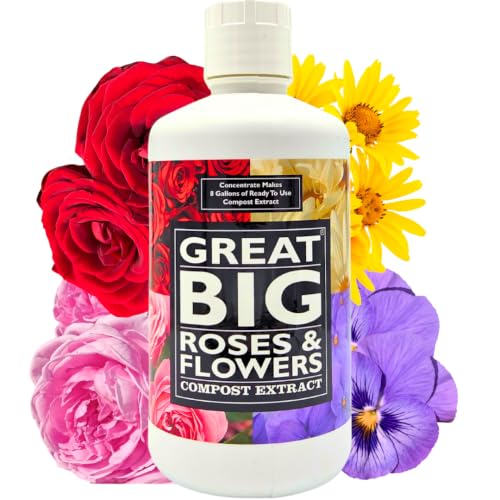
Great Big Roses Fertilizer Booster 32 Ounce

Earth Science Fast Acting Sulfur Granules 5lb

Espoma Organic Holly-Tone 4-3-4 Plant Food 4 lb. (Pack of 2)
Espoma Organic Holly-Tone 4-3-4 Plant Food 4 lb. Bag

Miracle-Gro Water Soluble Azalea, Camellia, Rhododendron Plant Food 5 lb.

Grow More Hydrangea Blueing Formula 2 lbs

Jack’s Classic 7-3-3 Hydrangea Blue Fertilizer 1.5 lb.

GARDENWISE Slow Release Hydrangea Fertilizer 12 oz.
What Each Pick Brings To The Table
A liquid booster that plays well with whatever fertilizer you already use, the Great Big Roses Fertilizer Booster 32 Ounce is geared toward gardeners juggling mixed flower beds rather than dedicated hydrangea collections. The 32-ounce bottle mixes into watering cans easily, and its role is more amplifier than primary feed, meaning it makes sense alongside a baseline granular program.
You get flexibility. Roses, hydrangeas, citrus, and general ornamentals all fit the label, which helps if your yard contains several hungry species competing for attention. Most home growers will pour this on every two weeks during the active growing season, and the fast-acting nature shows quick green-up in foliage without burning tender roots when diluted properly.
The Practical Payoff
- Plays nicely with whatever fertilizer routine you already run
- Liquid format speeds up absorption during the growing season
- Covers roses, hydrangeas, citrus, and ornamentals in one bottle
- Easy measuring for standard watering cans
Things To Consider
- Works best paired with another fertilizer rather than as a standalone feed
- Liquid format means more frequent applications than slow-release granules
Who It Suits Best
Garden owners with mixed flower beds who want a flexible booster that travels between roses, hydrangeas, and citrus without buying multiple products.
Where Another Pick Suits Better
For a dedicated single-acid-lover setup, Earth Science Fast Acting Sulfur Granules gives you more direct control over soil pH, which is the real lever for hydrangea color and health.
Sulfur granules are a blunt instrument in the best way when your soil is too alkaline. Earth Science Fast Acting Sulfur Granules 5lb works to gradually drop pH so hydrangeas, azaleas, and blueberries can actually pull in nutrients that are already sitting in the ground, just locked away by high alkalinity.
You see the difference mostly through color shifts and greener leaves over a season. Gardeners in regions with naturally alkaline water or limestone-rich soil reach for sulfur as a foundation amendment, then layer a regular fertilizer on top. The five-pound bag covers several small to mid-sized beds.
Useful Strengths
- Directly addresses the root cause of struggling acid lovers: high pH
- Five-pound size covers multiple beds without constant repurchasing
- Also benefits azaleas, blueberries, and other acid lovers in the same yard
- Granular format stores cleanly in a shed or garage between applications
Points To Keep In Mind
- A soil test beforehand saves you from over-acidifying in already-soft water regions
- Works slowly, so don’t expect overnight bloom changes
Key Specs
Made For
Growers dealing with alkaline soil who want to fix the underlying chemistry rather than mask symptoms with extra fertilizer.
A Better Fit Elsewhere
If your soil is already nicely acidic and you mainly want organic nutrition, Espoma Organic Holly-Tone 4-3-4 Plant Food 4 lb. Bag is a better match.
The double-bag version of a long-running organic classic, this Espoma Organic Holly-Tone 4-3-4 Plant Food 4 lb. (Pack of 2) is built for gardeners with more ground to cover. The 4-3-4 analysis, meaning 4% nitrogen, 3% phosphorus, and 4% potassium, delivers balanced nutrition, while the included 5% sulfur helps nudge soil toward the acidic side hydrangeas prefer.
You feed twice a year and let the organics do the slow work. Espoma’s Bio-tone formula blends in beneficial microbes that help break down nutrients into forms roots can absorb, and the slow release cuts down on nutrient runoff during heavy rain. Homeowners committed to organic routines tend to standardize on this bag for the whole property.
Everyday Advantages
- Pack-of-two format stretches across several beds and containers
- Slow-release organics feed steadily without forcing a feeding calendar
- Includes sulfur to gently support acid-loving soil conditions
- Safe around kids, pets, and edible gardens with no toxic sludge ingredients
Trade-Offs To Consider
- Takes longer to show visible results than synthetic water-soluble feeds
- Bulk format requires a dry storage spot to keep bags from clumping
Whose Shelf It Belongs On
Organic-first gardeners managing multiple acid-loving beds who prefer one annual feed-and-forget routine.
Not Your Match When
If you need quick green-up in a single season, Miracle-Gro Water Soluble Azalea, Camellia, Rhododendron Plant Food 5 lb. is the faster-acting alternative.
The single-bag sibling to the previous pick, Espoma Organic Holly-Tone 4-3-4 Plant Food 4 lb. Bag suits smaller properties and first-time hydrangea growers who want to test the formula without committing to bulk. Same 4-3-4 ratio, same organic Bio-tone backbone, same gentle 5% sulfur inclusion.
The narrower footprint means less storage pressure, and a single 4-pound bag feeds a few mid-sized shrubs through the active season. Most gardeners sprinkle it along the drip line in early spring, then again lightly in early summer, and watch the foliage fill in without forced green-up.
The Value In It
- Single-bag format keeps storage simple for small sheds or apartment balconies
- Bio-tone organic blend supports long-term soil health, not just quick growth
- 5% sulfur gently supports acid-loving soil over time
- Versatile enough for azaleas, rhododendrons, blueberries, and camellias too
Worth Noting
- Smaller bag means more frequent repurchasing for gardeners with large yards
- Slow release means you won’t see dramatic color shifts in the first few weeks
Key Specs
Right Fit For
Small-yard hydrangea owners and organic-leaning beginners who want a reliable, low-fuss seasonal feed.
Consider Something Else When
If your goal is shifting pink hydrangeas to blue, Grow More Hydrangea Blueing Formula 2 lbs gives you targeted aluminum sulfate rather than general nutrition.
Built for gardeners who want results this month rather than next season, Miracle-Gro Water Soluble Azalea, Camellia, Rhododendron Plant Food 5 lb. dissolves cleanly into watering cans and feeds through both roots and leaves. The five-pound tub keeps a busy household stocked through multiple feedings.
You see foliage green-up within a couple of weeks when conditions cooperate. The formula targets acid-loving species broadly, so azaleas, camellias, rhododendrons, gardenias, hibiscus, hollies, hydrangeas, and even orchids all sit inside the use case. For gardeners who want a structured every-two-weeks routine, this format makes that schedule easy to maintain.
Where It Delivers
- Fast-acting water-soluble format shows results in weeks, not months
- Large five-pound tub suits gardeners managing many acid-loving plants
- Mixes easily into standard watering cans without clumping
- Covers a broad list of acid lovers beyond hydrangeas
Honest Caveats
- Requires consistent feeding every couple of weeks during the season
- Less ideal for gardeners who prefer organic or slow-release routines
Feature Snapshot
Best Suited To
Active gardeners who follow a regular watering and feeding schedule and want visible results before summer ends.
Reach For A Different Pick When
Lower-maintenance gardeners should look at Espoma Organic Holly-Tone 4-3-4 Plant Food 4 lb. Bag, which feeds slowly over months instead.
The classic pink-to-blue converter, Grow More Hydrangea Blueing Formula 2 lbs uses aluminum sulfate to push soil pH into the acidic zone where bigleaf hydrangeas produce blue flowers instead of pink ones. The two-pound tub covers several mid-sized shrubs through a color-shifting season.
You commit to a focused goal. Gardeners chasing blue blooms combine this with regular sulfur or acidic fertilizer, then watch for the color shift the following season. Azaleas, gardenias, and other acid lovers also benefit from the aluminum sulfate, so the tub pulls double duty in mixed beds.
The Case For It
- Aluminum sulfate specifically targets the blue color shift in bigleaf hydrangeas
- Works across hydrangeas, azaleas, gardenias, and potted acid lovers
- Two-pound size suits small gardens without overbuying
- USA-made formula gives shoppers a domestic sourcing option
Points To Note
- Color shifts take a full season or more to show reliably
- Not a balanced fertilizer, so pair it with a separate nutrient source for overall plant health
Who Should Grab It
Growers specifically aiming to convert pink hydrangeas to blue blooms in acidic-leaning soil conditions.
Skip It When
For overall nutrition plus mild color support, Jack’s Classic 7-3-3 Hydrangea Blue Fertilizer 1.5 lb. combines acidifying power with a complete NPK feed.
Jack’s Classic 7-3-3 Hydrangea Blue Fertilizer 1.5 lb. is a water-soluble powder with a nitrogen-heavy ratio, meaning it pushes lush foliage and steady color maintenance in hydrangeas that already lean blue. The 7-3-3 analysis delivers nearly twice the nitrogen of typical acid-lover blends.
You feed aggressively during peak growth. Foliar spraying, root drenching, and continuous-feed systems all work with this formula, which makes it a favorite among gardeners running drip irrigation or hose-end sprayers. The 1.5-pound jar is compact enough to keep on a potting bench.
Advantages To Know
- Higher nitrogen supports vigorous leaf growth alongside color maintenance
- Versatile application through foliar spray, root drench, or continuous feed
- Water-soluble powder concentrates go further than liquid equivalents
- Compact jar stores easily on a shelf or potting bench
A Few Limitations
- Higher nitrogen can push leaves at the expense of blooms if over-applied
- Best for gardeners already on an active feeding schedule
Feature Card
Who Will Love This
Growers already running a regular feeding schedule who want lush foliage and steady blue tones without switching products.
A Better Fit Elsewhere
Low-maintenance gardeners prefer GARDENWISE Slow Release Hydrangea Fertilizer 12 oz., which requires far fewer applications per season.
The smallest package in this roundup, GARDENWISE Slow Release Hydrangea Fertilizer 12 oz., targets the container crowd. The 8-4-8 ratio delivers balanced macronutrients, while added iron and sulfur work together to maintain acidic soil conditions and prevent the yellowing leaves that signal iron deficiency.
You measure by the tablespoon and forget about it for months. Indoor and patio hydrangeas, especially the small bigleaf varieties sold as gift plants, benefit from the steady release without the risk of salt accumulation that frequent liquid feeding can cause in pots. The 12-ounce jar fits on a kitchen shelf next to other garden supplies.
Where It Helps
- Slow-release format cuts down feeding frequency for busy plant parents
- Iron and sulfur combination addresses both nutrition and acidity
- Works indoors and outdoors, expanding use cases
- Compact 12-ounce jar suits apartment and small-space storage
Practical Considerations
- Smaller package requires more frequent repurchasing for gardeners with many pots
- Slow release means slower recovery for severely nutrient-deprived plants
Perfect Match For
Apartment dwellers and patio gardeners growing potted hydrangeas who want a low-maintenance feeding routine.
Look Elsewhere When
If you’re working with in-ground beds at scale, Espoma Organic Holly-Tone 4-3-4 Plant Food 4 lb. (Pack of 2) offers better coverage per dollar.
Picking The Right Formula For Your Soil
The first question to answer isn’t which brand to buy, but what your soil is already doing. A basic soil test kit tells you pH and the rough nitrogen, phosphorus, and potassium levels, and that single reading saves most of the guesswork. Hydrangeas want pH between 5.5 and 6.5 for healthy nutrient uptake, while the famous blue color in bigleaf varieties shows up closer to 5.0 to 5.5.
Once you know your starting point, match the fertilizer type to the goal. Slow-release organic granular feeds like Espoma Holly-Tone work for steady, season-long feeding in beds that are already roughly acidic. Fast-acting water-soluble powders like Miracle-Gro or Jack’s Classic fit gardeners who want quick results and don’t mind a stricter feeding calendar. Soil acidifiers like Earth Science sulfur or Grow More aluminum sulfate are the right call when pH is the actual problem, not nutrition.
Reading The NPK Numbers
Every fertilizer label lists three numbers that tell you the percentage of nitrogen, phosphorus, and potassium by weight. A 4-3-4 formula is roughly balanced, while a 7-3-3 formula leans heavily toward nitrogen for foliage growth. For hydrangeas, balanced or nitrogen-leaning ratios suit the vegetative phase, while bloom-heavy phosphorus numbers help during bud set, though most dedicated hydrangea feeds handle both stages without you switching products.
The micronutrients matter too. Sulfur acidifies soil over time, while iron keeps leaves green and prevents chlorosis, the yellowing between leaf veins that signals deficiency. Look for both on the label if your hydrangeas have ever shown pale foliage despite regular feeding.
Matching Format To Routine
Granular organic feeds ask for two applications per year and very little monitoring. Water-soluble powders demand a watering-can ritual every two to four weeks but deliver faster visible results. Soil acidifiers like sulfur work on a slower geological timeline, sometimes taking a full season to meaningfully shift pH.
Pick the format that fits how you actually garden, not how you wish you gardened. Honest self-assessment here saves wasted product and disappointed plants. A forgetful waterer does better with slow-release granules; a calendar-driven grower thrives on water-soluble routines.
Considering Your Garden Size And Setup
Small yards and container collections benefit from compact packaging like the 12-ounce GARDENWISE jar or a single 4-pound Espoma bag. Larger properties with multiple beds stretch further with the 5-pound Miracle-Gro tub or the double-pack Espoma format. Container plants also need extra care to avoid salt buildup, which makes slow-release formats especially friendly to pots.
Climate plays a supporting role. Hot, humid regions wash nutrients out faster, calling for more frequent feeding. Cooler coastal areas with naturally acidic soil often need only light nutritional support, with pH correction rarely required.
Key Considerations Across These Picks
Common Shopping Slip Ups
Buying a blueing formula when your soil is already acidic is the most frequent misstep. Pink hydrangeas don’t always respond to aluminum sulfate if the surrounding pH is wrong, and adding more on top of low-pH soil can lock out other nutrients. Always confirm pH before reaching for a color-changer.
The other classic mistake is layering too many products at once. Gardeners sometimes combine a granular feed, a water-soluble boost, and a sulfur amendment in the same week, which can swing pH too far and stress roots. One product per cycle, with two weeks between introducing anything new, gives plants time to adjust and gives you a clear read on what’s actually working.
Where The Extra Money Goes
Premium pricing in this category usually reflects organic certification, slow-release technology, or added micronutrients like iron and Bio-tone microbes. You pay for labor-of-convenience: fewer applications per season, gentler ingredients around kids and pets, and soil-building benefits that extend beyond the current season.
The honest case for upgrading comes down to garden size and time. Bigger properties benefit from bulk formats and slow-release granules because application labor adds up. Smaller setups and indoor collections often do fine with budget options, since the total volume needed is small either way.
Frequently Asked Questions
When should I start fertilizing hydrangeas in spring?
You can begin feeding as soon as new leaf growth appears, typically when temperatures stay consistently above 50°F. Most granular feeds go down once in early spring and again lightly in early summer, while water-soluble routines often start a few weeks later once foliage is fully out.
Can I use the same fertilizer for pink and blue hydrangeas?
Yes, balanced acid-loving fertilizers work for both colors. The color itself is controlled by soil pH and aluminum availability, not by the fertilizer brand, so switching to a blueing formula only matters when you want to actively push pink blooms toward blue.
Is it safe to fertilize hydrangeas in summer?
Light summer feeding is fine, especially with water-soluble formulas, but heavy applications during heat waves can stress roots. Many gardeners pause granular feeds once July arrives and switch to gentle liquid feeding if the foliage looks hungry.
How do I know if my soil is too alkaline?
A soil test is the most reliable answer, but visual clues include yellowing leaves with green veins, weak bloom production, and hydrangeas that stay stubbornly pink despite your efforts. Alkaline soil also tends to feel chalky or dusty when dry.
Should I water hydrangeas before or after fertilizing?
Watering beforehand is the safer move, especially with granular feeds, because applying fertilizer to dry soil can burn tender roots. A pre-watering soak followed by feeding, then a light watering to move nutrients into the root zone, is the routine most gardeners settle on.
Closing Remarks
The best plant food for hydrangeas is the one that matches your soil, your schedule, and your color goals. Runners with established acid beds and patience can lean on slow-release organics, while gardeners chasing quick blue conversions should pair an acidifier with a balanced feed. Test your soil, pick a format you can realistically maintain, and let the shrubs tell you what’s working over the next couple of seasons.
