

Impatiens are famously generous bloomers, but that constant flower show burns through nutrients fast. When a plant pushes out wave after wave of color from a hanging basket, window box, or shaded bed, the soil it’s sitting in can run low within a few weeks. A targeted feeding routine is what keeps the blossoms coming instead of fading into leggy green stems.
The shortlist below matches plant foods to real-world impatiens growing situations: patio planters, indoor pots, mass landscape plantings, and mixed beds with other annuals. Each pick brings a different balance of nitrogen, phosphorus, and potassium, and each fits a slightly different style of gardener. Read on to find the formula that matches how you actually grow.
How The Shortlist Stacks Up

Fertilome All Purpose Water Soluble Plant Food 20-20-20, 8 oz

Miracle-Gro Indoor Plant Food Spikes for All Plants, 48 Spikes

Jack’s Classic 10-30-20 Blossom Booster Water-Soluble Fertilizer, 8oz

Gardenwise 20-20-20 Water-Soluble Fertilizer Powder 8 oz

Miracle-GRO LiquaFeed Bloom Booster Flower Food
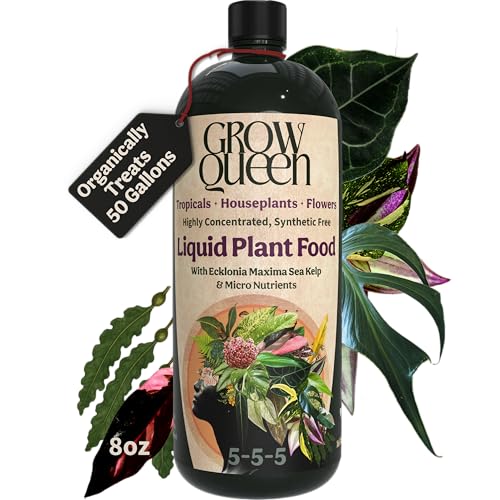
Grow Queen Organic Liquid Indoor Plant Food 5-5-5 with Sea Kelp

Miracle-Gro Water Soluble Azalea, Camellia, Rhododendron Plant Food, 5 lb.
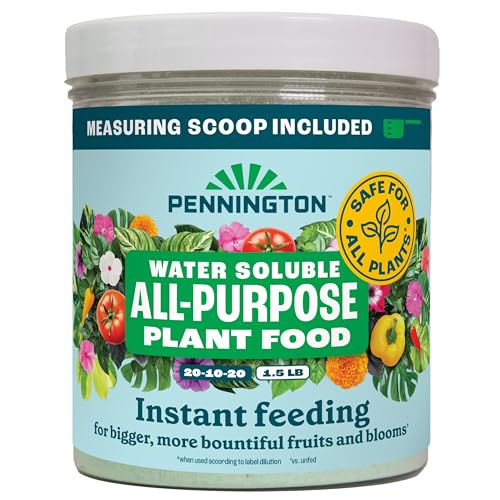
Pennington Water Soluble All Purpose Plant Food 20-10-20, 1.5 LB
More On The Choices That Made The List
A balanced 20-20-20 powder has been a go-to for gardeners feeding mixed annual beds for decades, and Fertilome’s all-purpose mix keeps that tradition simple. The N-P-K ratio, which lists the percentage of nitrogen, phosphorus, and potassium in that order, gives impatiens equal parts growth and bloom support, so a shaded flower bed under a maple stays vigorous without becoming leafy at the expense of flowers.
The 8 oz jar dissolves in a watering can for a soil drench, or mixes at a lighter rate for a foliar mist, depending on how aggressive you want the feeding to be. For a casual patio gardener tending impatiens alongside petunias and pansies, it covers the whole bed in one pass. Most owners find a single jar lasts an entire spring and summer of weekly feedings.
What It Does Well
- Equal-part N-P-K ratio suits mixed beds where impatiens share space with other bloomers.
- Doubles as both a soil drench and a foliar spray, giving you flexibility based on plant stress.
- Compatible with indoor and outdoor impatiens, so one container covers window boxes and patio planters.
- Powder format lets you measure precisely, which helps avoid overfeeding in small pots.
Things To Consider
- An 8 oz jar runs out faster than larger jugs if you’re feeding more than a handful of baskets.
- Powder must be fully dissolved before pouring, or undissolved granules can sit on leaves and stain.
- The 20-20-20 balance doesn’t push bloom production as hard as a phosphorus-leaning formula during peak season.
Who It Suits Best
Casual patio gardeners with mixed annual beds who want one dependable product for impatiens and their neighbors.
Skip It When
You want maximum flower count from a mass impatiens planting, where Jack’s Classic 10-30-20 Blossom Booster is the stronger match.
Not every impatiens lives outdoors. A small pot of New Guinea impatiens on a kitchen counter, or a few impatiens cuttings rooting on a windowsill, don’t always get remembered during a weekly watering routine. Spikes solve that problem by slowly releasing nutrients into the soil each time you water, holding a low-maintenance feeding schedule for weeks at a time.
Each spike pushes into the soil and stays put, so there’s no measuring or mixing. For indoor gardeners who want healthy color without hauling out a watering can and fertilizer scoop every Saturday, that hands-off approach is the real appeal. The trade-off is precision, since spike placement matters more than dilution rate.
A Favorable Mix
- Set-and-forget feeding keeps nutrients flowing for roughly two months between replacements.
- No measuring, no mixing, no jug of concentrate cluttering a cabinet.
- Works for indoor houseplants alongside impatiens, so one box covers an entire plant shelf.
Worth Noting
- Spikes deliver nutrients unevenly if placed too near the pot edge or too close to the stem.
- Not ideal for outdoor hanging baskets, where rain leaches nutrients faster than the slow-release design can replenish.
Made For
Indoor gardeners who keep impatiens in pots year-round and prefer a low-touch feeding routine.
Consider Something Else When
You grow impatiens outdoors in beds or baskets, where Pennington Water Soluble All Purpose Plant Food feeds more evenly across the root zone.
When the goal is more flowers on every stem, the formula that leans into phosphorus, the middle number on the N-P-K label, tends to deliver. Jack’s Classic Blossom Booster runs a 10-30-20 ratio, with that high middle number specifically targeting bloom production rather than leafy growth. For impatiens entering their peak summer flush, that extra phosphorus push can translate into noticeably fuller color.
The powder mixes for soil drench, foliar spray, or a continuous-feed system, which makes it flexible for gardeners who water through a drip line. Compared to Fertilome’s balanced 20-20-20 earlier in this list, this is a more targeted bloom formula, and most growers rotate it in once plants are established rather than from the seedling stage.
Practical Advantages
- High phosphorus ratio (30%) encourages denser flower clusters on mature impatiens plants.
- Triple application options let you feed through roots, leaves, or a continuous-feed drip system.
- Powder concentrate stretches further per ounce than liquid competitors, lowering cost per feeding.
- Same professional-grade formula used in greenhouses, which speaks to consistency.
Honest Caveats
- Too much phosphorus can build up in container soil over a full season, so periodic flushing helps.
- Not the right choice for young, root-forming impatiens, since the lower nitrogen slows vegetative growth.
Best Suited To
Growers with established impatiens beds who want maximum bloom density during peak summer.
Look Elsewhere When
You’re growing impatiens indoors or only have a few pots, where Miracle-Gro Indoor Plant Food Spikes offer a simpler routine.
Gardenwise markets its triple-20 powder as a professional formula, and the brand positions it specifically for gardeners who already know how to calibrate feedings rather than beginners reaching for a gentle starter mix. The 20-20-20 balance mirrors Fertilome’s classic ratio, but the powder concentrate is intended for use across a wider plant spectrum, including orchids and hydroponic setups.
For impatiens, that broad compatibility matters less than the concentrate strength. A little powder goes a long way, and depending on how heavily you mix, the same jar can stretch across several months of bed feeding. Gardeners running a feed schedule that includes orchids, vegetables, and ornamental annuals appreciate the one-product-fits-all angle.
The Practical Payoff
- Equal-parts N-P-K suits a diverse garden where impatiens share fertilizer with orchids and edibles.
- Concentrated powder reduces storage footprint compared with liquid alternatives.
- Compatible with hydroponic setups, which is rare for an ornamental fertilizer.
Trade Offs
- The label recommends the product for professional or experienced gardeners, which is a fair signal for beginners.
- Concentrated formulas risk leaf burn in young or stressed impatiens if mixed too strongly.
The Right Fit
Experienced gardeners with diverse plantings who want one powder that handles impatiens, orchids, and vegetables.
Reach For A Different Pick When
You’re newer to feeding schedules, where Fertilome’s all-purpose 20-20-20 is a more forgiving starting point.
LiquaFeed attaches to a standard garden hose and feeds as you water, which makes it the fastest option for anyone tending a large impatiens bed or a long border of color. Rather than measuring powder into a watering can, you dial the applicator and let water pressure do the mixing. For landscape-scale plantings, that convenience saves real time.
The bloom booster formula targets flowering plants specifically, so the nutrients lean toward bloom production rather than balanced vegetative growth. Compared with the powder products on this list, the trade-off is ongoing cost, since liquid refills deplete faster than powder jars, but the time saved per feeding can balance that out for larger gardens.
What Makes Sense
- Hose-end application eliminates the need to mix powder or measure liquids in a can.
- Bloom-focused formula matches the feeding goal of an established impatiens bed in peak season.
- Covers large landscape plantings quickly, which powder-and-can routines can’t match.
Soft Spots
- Liquid refills deplete faster than powder jars, so cost per feeding runs higher for casual users.
- Hose-end applicators deliver less precise dilution than a measured powder mix.
Who Should Grab It
Gardeners managing long impatiens borders or landscape mass plantings who want fast, hose-driven application.
Swap It Out When
You only feed a handful of pots or hanging baskets, where Pennington’s water-soluble jug offers better value per feeding.
Some gardeners specifically avoid synthetic N-P-K ratios in favor of organic feeds, and Grow Queen’s 5-5-5 liquid fits that brief while adding sea kelp for trace minerals. The balanced low-strength ratio means it’s gentle on indoor impatiens, which is helpful for tropical houseplant varieties that react poorly to aggressive feeding in confined root zones.
One 8 oz bottle treats roughly 50 gallons of water, which gives a long runway for the household gardener feeding a small collection of indoor plants. Compared to the higher-strength synthetic powders earlier in this list, this is a softer daily feed rather than a heavy weekly push. For most indoor setups, that gentler cadence actually suits impatiens better than aggressive bloom boosters.
What Earns Its Place
- Organic formulation with sea kelp supports indoor impatiens without risk of synthetic burn.
- One 8 oz bottle stretches to roughly 50 gallons of mixed feed, lowering cost per use.
- Lower N-P-K numbers mean safer frequent feeding for sensitive tropical impatiens varieties.
Room For Improvement
- 5-5-5 nutrient density is lower than synthetic alternatives, so outdoor beds may need heavier volume.
- Liquid format requires measuring each feeding rather than dissolving a quick powder.
Perfect Match For
Organic-focused indoor gardeners growing tropical impatiens who want a gentle, frequent feed.
Another Choice May Suit
You maintain outdoor landscape impatiens, where Jack’s Classic Blossom Booster pushes bloom production harder.
This formula is designed for acid-loving plants, meaning it suits gardens where the soil pH runs below neutral, such as beds shared with azaleas, camellias, rhododendrons, gardenias, and hydrangeas. If your impatiens happen to live in that kind of mixed bed, this fertilizer keeps both the acid lovers and the impatiens happy with a single feeding pass.
The 5 lb jug is the largest container on this list, which makes sense for gardeners with extensive plantings. Most casual patio growers won’t need that volume, so the size becomes a factor in whether it earns shelf space. For someone with a long border of acid-soil-loving plants and impatiens tucked between them, though, this jug actually fits the workload.
Good Reasons To Consider
- Formulated for acid-loving companions like azaleas, hydrangeas, and gardenias that share beds with impatiens.
- Larger 5 lb container lowers cost per feeding for gardeners with extensive borders.
- Water-soluble powder dissolves cleanly, making it suitable for both watering cans and hose-end sprayers.
Points To Keep In Mind
- The acidic profile is unnecessary for impatiens grown in neutral or alkaline soil.
- A 5 lb jug takes up real storage space and can clump if humidity gets into the container.
Whose Shelf It Belongs On
Gardeners with mixed beds where impatiens grow alongside acid-loving shrubs like azaleas or hydrangeas.
Not Your Match When
Your impatiens grow in standard neutral-soil beds, where Fertilome’s balanced 20-20-20 is a better daily fit.
Pennington’s all-purpose 20-10-20 is a slightly nitrogen-leaning alternative to the strict 20-20-20 balanced products elsewhere on this list. The lower phosphorus number (10 instead of 20) gives impatiens a bit more vegetative push alongside bloom support, which can matter early in the season when plants are filling out before peak flowering. The included measuring scoop simplifies each feeding.
The 1.5 lb jug sits between the small 8 oz jars and the bulky 5 lb containers, landing in a middle ground that suits gardeners feeding multiple baskets through an entire growing season. You may find this format easier to commit to than refilling small jars, especially once your impatiens collection expands across patio and porch.
What Stands Out
- Nitrogen-leaning 20-10-20 ratio supports both foliage and bloom for early-season establishment.
- Included scoop removes measurement guesswork from each watering-can session.
- Mid-size 1.5 lb jug fits a full season of weekly feedings for multi-basket gardeners.
- Water-soluble powder mixes quickly in a standard watering can without residue.
Less Ideal Details
- Lower phosphorus content is less aggressive on bloom production than a true blossom booster.
Built With In Mind
Multi-basket gardeners who want a single mid-size jug that handles impatiens and other ornamentals across an entire season.
A Better Fit Elsewhere
You want the densest bloom flush possible during peak summer, where Jack’s Classic 10-30-20 Blossom Booster is purpose-built.
What Matters Most When Feeding Impatiens
Impatiens don’t ask for much, but the few things they do need show up clearly in the wrong conditions. The biggest decision is the N-P-K ratio, since that controls whether your plants push leaves or push flowers. For most garden situations, a balanced formula covers both, while bloom-focused formulas make sense once plants are established and ready to flower.
Choosing Between Balanced And Bloom-Forward Formulas
A balanced 20-20-20 fertilizer, where each number represents nitrogen, phosphorus, and potassium respectively, supports steady growth across the season and rarely causes problems. Phosphorus-heavy formulas like a 10-30-20 push harder on bloom production, but overfeeding phosphorus can build up in container soil. For most outdoor beds, starting with a balanced mix and switching to a bloom booster at peak season gives you flexibility without lock-in.
Application Style Drives Daily Routine
Powder concentrates mix into a watering can and offer precise control, but require measuring each session. Liquid hose-end feeders cover large plantings fast but use up product quickly. Spikes handle indoor pots with no routine at all, but don’t distribute evenly across outdoor beds. The honest read is that your watering style matters as much as the nutrient analysis.
Matching Formula To Planting Scenario
Indoor impatiens in small pots benefit from gentler, lower-strength feeds that won’t burn confined roots. Outdoor landscape plantings need bigger containers and faster application methods. Mixed beds with acid-loving companions call for a formula designed for that soil type. Picking the right fertilizer starts with honestly assessing how and where your impatiens actually grow.
Feeding Frequency And Storage
Most impatiens thrive on a weekly feeding during active growth, tapering off as temperatures cool. Powder jars keep indefinitely in a dry spot, while liquids can degrade or separate over time. Containers with airtight lids prevent clumping, especially in humid garages or shed storage where summer moisture collects.
Key Considerations Across These Picks
Pitfalls Shoppers Hit
One common mistake is grabbing a high-phosphorus bloom booster for young impatiens that haven’t rooted in yet, which can actually slow establishment. Another is overfeeding in container soil, since nutrients build up faster in pots than in open beds. Reading the dilution rate on the label matters more than the marketing claims on the front of the package.
Where The Extra Money Goes
Premium options like the larger Miracle-Gro acid-loving jug or Pennington’s mid-size container cost more up front, but they include features like measuring scoops and broader plant compatibility. For gardeners with extensive plantings, that convenience adds up across a full season. For casual patio use, a smaller 8 oz jar of a balanced powder is the more sensible starting point.
Frequently Asked Questions
How often should I feed impatiens during the growing season?
Weekly feedings work well during active growth, tapering to every other week as cooler weather arrives. Container impatiens typically need more frequent feeding than in-ground beds because nutrients leach out faster with each watering.
Can I use the same fertilizer for impatiens and other annuals?
Balanced formulas like 20-20-20 work across most flowering annuals, including petunias, pansies, and geraniums. For mixed beds with acid-loving shrubs, an azalea-formulated product covers both groups in one pass.
Is liquid or powder fertilizer better for impatiens?
Powder concentrates offer more precise measurement and longer storage, while liquids mix faster and suit large plantings. Both deliver the same nutrients once dissolved, so application style usually matters more than format.
Should I use a bloom booster for impatiens in pots?
Bloom boosters can help container impatiens that lose nutrients through frequent watering, but the lower-strength ratio reduces burn risk in confined roots. A 10-30-20 blend works well once plants are established and pushing flower buds.
Do organic fertilizers work as well as synthetic ones for impatiens?
Organic feeds like the 5-5-5 sea kelp option deliver nutrients more gently and may improve soil biology over time, though results come slower than synthetic alternatives. For impatient gardeners, synthetics offer faster visible response.
Final Thoughts
Impatiens reward consistent feeding more than any other annual, and the right fertilizer turns a sparse bloomer into a wall of color. Match the formula to your planting style and the rest takes care of itself across the season.
