

Money trees reward steady, gentle feeding more than aggressive fertilizing, so the right product makes a quiet but real difference. A braided Pachira aquatica sitting on your desk or shelf doesn’t need much, but it does need consistent nutrition during the growing season to push out those glossy, five-lobed fronds everyone loves. Picking from liquids, spikes, water-soluble powders, and pre-mixed soils means weighing convenience against control, and organic credentials against fast-acting results. This guide breaks down eight solid options across formats and price points so you can match the feeding style to your routine, your watering habit, and the size of your indoor jungle.
A Side-By-Side Look

Miracle-Gro Indoor Plant Food Spikes for All Plants
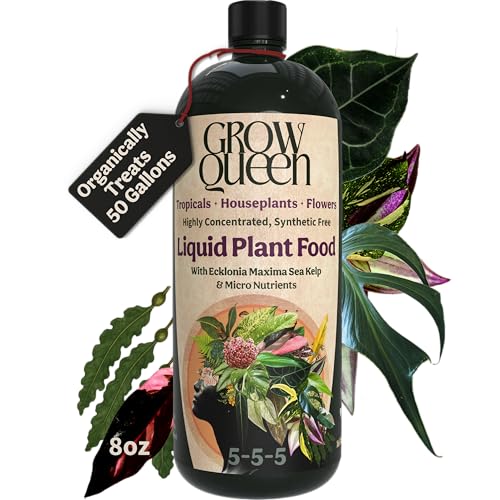
Grow Queen Organic Liquid Indoor Plant Food 5-5-5

Pennington Water Soluble All Purpose Plant Food 20-10-20

Miracle-Gro Organic Plant Food 32 fl. oz.

TPS Nutrients Money Tree Liquid Fertilizer 8 oz

Plant Food Spikes 6-12-6 Formula 1.1 oz

DUSPRO Money Tree Soil Indoor 3-in-1 Mix 2 Quarts

Omitgoter All-Natural Money Tree Soil 1 Quart
The Details Behind The Selections
Spike fertilizers suit anyone who waters on schedule but rarely remembers to mix liquid feed. You push one into the soil every couple of months and the roots do the rest, which removes the guesswork from monthly feeding for a money tree that sits in a bright corner of your living room.
Compared to the liquid options on this list, the Miracle-Gro spikes trade precision for convenience, and that trade is worth it for a single tree in a six-inch pot. Owners commonly report that the slow-release feed keeps leaf color steady without the occasional yellowing that comes from inconsistent liquid feeding.
What Stands Out
- Slow-release format delivers continuous nutrition for roughly two months per spike
- No measuring, no mixing, no spills on your shelf or windowsill
- Works across most indoor houseplants beyond just money trees
- 48-count jar covers several feeding cycles for a small indoor collection
Things To Consider
- Spike placement can concentrate nutrients in a small zone of soil rather than distributing evenly
- Less control over feeding strength during dormancy, so you’ll want to skip winter insertions
Feature Snapshot
Who It Suits Best
Beginners and busy plant owners who want steady nutrition without remembering a liquid feeding schedule every two weeks.
Where Another Pick Suits Better
Growers who want exact control over feeding strength should consider the Grow Queen organic liquid instead, since dilutions let you dial back during winter dormancy.
Liquid fertilizers give you the most control, and this organic blend keeps the numbers balanced. The NPK ratio of 5-5-5 refers to nitrogen, phosphorus, and potassium, the three macronutrients plants need most, and equal parts here mean you can feed a money tree without pushing leafy growth at the expense of roots.
The 8-ounce bottle treats up to 50 gallons of water once diluted, which stretches a long way for a single tree watered every week or two. Where the Miracle-Gro spikes rely on time-release, this format hands you the stopwatch, so you can dilute more aggressively during active growth and ease off in winter.
Key Advantages
- Balanced 5-5-5 ratio supports foliage, roots, and overall vigor without overstimulating any single area
- Sea kelp inclusion adds micronutrients and trace elements that tap water typically lacks
- One 8 oz bottle dilutes into roughly 50 gallons, enough for many months of single-tree feeding
- Organic formulation appeals to households avoiding synthetic fertilizers
Worth Noting
- Requires a consistent watering routine to mix and apply, which adds a step compared to spikes
- Liquid storage means keeping the bottle somewhere cool and sealed between uses
Who It Suits Best
Organic-minded growers who like dialing dilution strength through the growing season and who already water on a regular schedule.
Skip It When
Anyone who forgets feeding entirely should reach for the Miracle-Gro Indoor Plant Food Spikes, which require only a quarterly insertion instead of biweekly mixing.
This is the strongest NPK on the list at 20-10-20, which translates into a fast-release nitrogen hit that greens up foliage quickly. Active growers with a money tree pushing out new leaves in spring will appreciate that responsiveness, especially after a winter rest when color sometimes fades.
The 1.5-pound tub and included scoop make precise mixing easier than eyeballed liquids, and you can adjust the scoop amount depending on whether your tree is in active growth or semi-dormant. The trade-off is that this is a synthetic blend, so organic-only households should pass.
Bright Spots
- 20-10-20 ratio delivers fast, visible greening during peak growing season
- Water-soluble powder dissolves cleanly with no pulp or residue in your watering can
- Built-in measuring scoop simplifies dilution accuracy
- Large 1.5 lb container supports a whole shelf of plants for months
Trade Offs
- High nitrogen means more risk of leaf burn if over-diluted or applied to dry soil
- Synthetic formulation does not fit organic-only routines
- Requires a watering can and a place to mix, which adds a small step each feeding
At A Glance
Made For
Active growers with money trees in bright light who want fast leaf response during the spring and summer growing window.
Consider Something Else When
Organic-only households will be better served by the Grow Queen 5-5-5 organic liquid, which uses gentler, naturally derived ingredients.
If you want organic credibility from a brand name you already recognize, this 32-ounce liquid is the bridge option. Made primarily from plant-based ingredients, it skips the synthetic urea found in conventional fertilizers while still feeding through a familiar liquid routine.
The 32-ounce bottle is meaningfully larger than the 8-ounce Grow Queen option, so multi-plant households get more value per feeding cycle. You may find the diluted smell slightly different from synthetic feeds, but most users acclimate after one or two applications.
What It Does Well
- Plant-based organic formula appeals to households avoiding synthetics
- 32 fl. oz. bottle covers a sizable indoor collection for several months
- Liquid format allows easy dilution adjustments through seasonal shifts
- Recognized brand with broad retail availability
Honest Caveats
- Organic ingredients can carry a mild earthy odor during mixing
- Lower nutrient concentration than synthetic options means slightly more frequent feedings for hungry trees
Best Suited To
Households running several indoor plants alongside the money tree who want one organic bottle to feed the whole group.
Not Your Match When
Pure money tree specialists seeking a tailored formula should consider the TPS Nutrients Money Tree Fertilizer, which targets the species directly.
This is the only product on the list explicitly formulated for money trees rather than general houseplants. For a household that owns nothing but a single braided Pachira, the species-specific angle removes the trial-and-error that comes with broader all-purpose blends.
The 8-ounce bottle dilutes into a usable liquid feed that supports root development and steady foliage growth through the warmer months. Owners commonly report that a consistent feeding schedule with a dedicated formula reduces yellowing leaf edges compared to switching between general houseplant foods.
Everyday Advantages
- Targeted formulation removes guesswork about whether a general fertilizer fits money tree needs
- Liquid format offers control over dilution strength through active and dormant seasons
- Compact 8 oz bottle stores easily on a plant shelf or in a cabinet
Minor Gripes
- Specialty focus means you cannot realistically use it across a varied plant collection
- Smaller bottle requires replacement sooner than larger multi-plant options
Who Will Love This
Dedicated money tree owners who want a formula designed for the species rather than diluting a general houseplant blend.
Reach For A Different Pick When
Multi-plant households will get better mileage from the Miracle-Gro Organic Plant Food 32 oz, which feeds a whole shelf with one bottle.
Spikes tend to come in small packages, and this 1.1-ounce tub is the most compact on the list. The 6-12-6 ratio leans slightly higher in phosphorus, which supports root development more than foliage push, useful for a freshly repotted money tree that needs to settle into its new soil.
You may find the smaller spike size makes them easier to position in narrow pots where larger spikes won’t fit. For someone with a single money tree in a four-inch starter pot, this format works without overwhelming a small root zone.
Strong Points
- Smaller spike size fits narrow or shallow money tree pots
- Continuous release lasts roughly two months per insertion
- Higher phosphorus share supports root establishment after repotting
- Tub packaging keeps the spikes tidy in a cupboard or shelf
Points To Keep In Mind
- Smaller nutrient payload per spike means more frequent replacement than larger spike products
- Limited quantity per package may not suit households with multiple plants
Right Fit For
Owners of small, recently repotted money trees who need a feed that supports root settling without flooding the root zone.
A Better Fit Elsewhere
Larger collections or older trees with bigger root masses will be better fed by the Miracle-Gro Indoor Plant Food Spikes, which deliver a heavier dose per spike.
Repotting is where feeding actually starts, and this pre-mixed three-ingredient blend skips the assembly work. Money trees want a lighter, well-draining medium than standard potting soil, and a dedicated mix removes the perlite-and-coconut-coir guesswork.
The 2-quart bag covers one or two standard repottings depending on the original pot size, so a single money tree typically gets a comfortable margin. Unlike the fertilizer products above, this isn’t a feed at all; it’s a foundation that makes whatever feed you choose work better.
Useful Strengths
- Pre-mixed formula eliminates the need to blend your own perlite, coir, and bark
- Lightweight texture supports drainage and airflow around money tree roots
- 2-quart volume covers at least one full repotting with leftover for top-offs
- Tailored to Pachira aquatica rather than general houseplants
Softer Spots
- This is a soil, not a fertilizer, so you’ll still need a separate feed from earlier picks
- Pre-mixed bags can compact during shipping and need fluffing before use
Feature Snapshot
Whose Shelf It Belongs On
Anyone repotting a money tree in the next month who wants a ready-to-use medium without sourcing perlite and coir separately.
Look Elsewhere When
You only need a small top-off rather than a full repot, in which case the 1-quart Omitgoter blend may be a tighter match.
This all-natural blend layers peat moss, coconut coir, perlite, bark, and humus into a medium built for drainage. Money trees dislike sitting in water, so the perlite and bark share of the mix matters more than the brand name on the bag.
The 1-quart volume fits a single small repotting with little leftover, which works for one tree in a four- or five-inch pot. Owners commonly report that the airy texture prevents the soggy mid-pot zone that sometimes shows up with standard multipurpose soils.
Strengths Worth Knowing
- Five-component natural blend prioritizes drainage and root airflow
- Compact 1-quart bag suits a single-tree repotting without waste
- All-natural ingredient list appeals to organic-leaning households
A Few Limitations
- Smaller volume limits use to one small repotting or a top-off rather than a full up-pot
- Still requires a separate fertilizer from earlier picks for ongoing nutrition
- Natural blends may dry out faster than peat-heavy soils, so watering frequency may shift slightly
Built With In Mind
Single money tree owners with small pots who want a natural, drainage-forward medium for a one-time repot.
Swap It Out When
Anyone planning multiple repottings or a large up-pot should grab the DUSPRO 2-quart bag for better volume and value.
What To Weigh Before Buying Plant Foods For Money Tree
NPK ratios tell you most of what you need to know. Nitrogen drives leaf growth, phosphorus supports root development, and potassium covers overall plant vigor, and a balanced 5-5-5 or a foliage-leaning 20-10-20 both suit money trees, depending on whether you want fast leaf push or steady all-around feeding.
Format matters as much as numbers. Liquids give you dilution control, water-soluble powders give you fast response, spikes give you convenience, and pre-mixed soils set the foundation that makes any feed work better. Picking the wrong format for your routine leads to underfeeding or skipped feedings, which shows up as yellowing leaf edges or stalled growth.
Organic versus synthetic changes the feel of feeding. Organic blends carry a mild earthy smell during application and release nutrients more slowly, while synthetics act faster but lack the organic certification some households prefer. Your watering schedule, light exposure, and whether you want daily involvement or set-and-forget care should drive the final call.
Things Worth Knowing Before You Commit
Traps First Timers Fall Into
New money tree owners often reach for the strongest fertilizer they can find, assuming more nutrients mean faster growth. In reality, money trees prefer gentle feeding, and over-fertilizing causes leaf burn and salt buildup in the soil that can take months to flush out.
Another common slip is feeding during winter dormancy. Most money trees slow their growth as light drops, and pushing nutrients then leads to leggy, weak new growth that struggles to harden off.
When Paying More Pays Off
Premium money tree products tend to spend the extra on species-specific formulation rather than raw nutrient content. A specialty formula removes guesswork, which matters if you’ve struggled with general fertilizers in the past or own nothing but money trees.
Higher-priced organic options also tend to source cleaner inputs and avoid synthetic fillers. For organic-only households, that difference justifies the upcharge, while casual growers may not notice enough of a payoff to care.
Frequently Asked Questions
How often should you feed a money tree? Feed every two to four weeks during spring and summer when the plant is actively growing, then stop or sharply reduce feeding through fall and winter when growth naturally slows.
Are organic or synthetic fertilizers better for money trees? Both work well when used correctly, and the better choice depends on your routine. Organic blends release nutrients slowly and suit consistent watering habits, while synthetics offer faster response and easier dilution control.
Can you use general houseplant fertilizer on a money tree? Yes, a balanced general houseplant fertilizer feeds a money tree without issue, and most owners never need a species-specific formula unless they want the convenience of one tailored to Pachira aquatica.
Do money trees need fertilizer in winter? Most money trees benefit from a rest period during winter with little to no feeding, since reduced light and cooler temperatures slow nutrient uptake and growth.
Is liquid or spike fertilizer better for money trees? Liquids give you more control over feeding strength and frequency, while spikes offer set-and-forget convenience, so the better format depends on how often you want to think about feeding.
Final Verdict
The right pick comes down to your routine: spikes for forgetful waterers, liquids for active growers, organic blends for cleaner-input households, and a pre-mixed soil for anyone repotting now. Match the format to your schedule rather than chasing the strongest NPK, and your money tree will reward you with steady, glossy new growth through the warmer months.
