

Watermelon vines drink up nutrients fast, and what you feed them shapes everything from vine vigor to sugar content. Choosing the wrong fertilizer can leave you with leafy plants and undersized fruit, while the right blend at transplant and fruiting makes the difference between a so-so harvest and a genuinely sweet one. This roundup pulls together starter mixes, balanced water-soluble feeds, slow-release fruit blends, and a few helpful accessories to round out your watermelon patch.
The Lineup, Simplified

PAMINGONO Artificial Watermelon Slice PVC Model

Espoma Organic Bio-Tone Starter Plus 4-3-3 Plant Food 25 lb.
Miracle-Gro Water Soluble All Purpose Plant Food 8 oz.

ATTITUDE Watermelon & Coco Kids Conditioner 8 Fl Oz Pack of 6
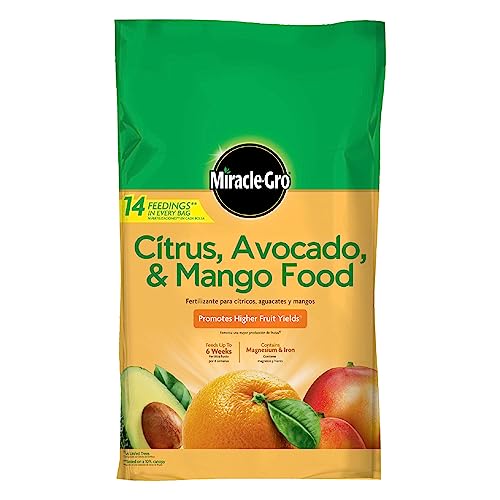
Miracle-Gro Citrus, Avocado & Mango Food 20 lb.

CLIF BLOKS Salted Watermelon Energy Chews 2-Pack

Miracle-Gro Shake ‘N Feed Citrus, Avocado, Mango Plant Food 4.5 lb.

Amazing Grass Watermelon Energy Greens Stick Pack Bundle

BPN Vegan Peanut Butter Cookie Protein + Greens Bundle

Stainless Steel Mesh Dome Food Cover
The Strengths Of Each Pick
Not a fertilizer, but a useful companion for anyone staging a watermelon-themed gathering or produce display. The PVC slices look convincingly ripe, which is helpful for caterers, shop owners, and party hosts who want watermelon visual cues without the bruising and fruit-fly issues of real fruit.
It belongs alongside the active feeding tools in this list rather than competing with them, since it solves a different problem: decorating and styling. Owners commonly use it for window displays, café counters, and themed photo props where the slices need to look fresh through long shifts.
Where It Delivers
- The PVC build keeps colors bright and resists fading through repeated handling.
- Ten slices per pack support full tray, table, or shelf coverage at once.
- Lightweight slices travel easily to catered events and pop-up setups.
Honest Caveats
- Decorative only, so it does nothing for actual watermelon nutrition or growth.
- Fixed dimensions may not match every bowl size, so measure your display area first.
Who Should Grab It
Caterers, café owners, and party hosts staging a watermelon-themed spread without the spoilage risk of real fruit.
Look Elsewhere When
You want true plant nutrition, in which case the Espoma Organic Bio-Tone Starter Plus belongs on your shelf instead.
Espoma’s Bio-Tone Starter Plus is built for the transplant moment, which is exactly when young watermelon vines either take off or stall. The 4-3-3 NPK (nitrogen, phosphorus, potassium) ratio favors early root development without over-pushing leaves, and the calcium content supports the cell structure melons need as they size up.
Unlike the all-purpose Miracle-Gro Water Soluble formula covered below, this blend carries beneficial fungi called mycorrhizae that colonize roots and help vines draw moisture and nutrients from a wider soil zone. For organic-minded gardeners setting watermelon starts into warm soil, that microbial partnership tends to pay off in stronger early vine spread.
Advantages To Know
- Endo and ecto mycorrhizae extend the effective root zone in poor or compacted ground.
- Organic formulation fits gardens avoiding synthetic fertilizers.
- Ready-to-use texture means no mixing, just blend into the backfill soil at planting.
Points To Consider
- 25 lb is generous for small plots, so storage space for the bag matters.
- Lower NPK numbers mean you’ll likely follow up with a fruiting feed mid-season.
- Strong organic smell during application is normal but worth knowing for indoor seed-starting.
Key Product Details
Made For
Organic gardeners transplanting watermelon starts into prepared beds who want root-zone biology working alongside fertilizer.
Skip It When
You need a quick mid-season boost, where the Miracle-Gro Water Soluble All Purpose Plant Food is the better pick.
This is the closest thing to a one-can feeder in the watermelon patch, and many gardeners keep it on the shelf specifically for the mid-season stretch when vines are running and fruit is sizing. The water-soluble format means nutrients reach roots within hours, which helps when you notice pale leaves or slow fruit swell.
Compared to the Espoma Bio-Tone Starter Plus, this formula is synthetic and faster-acting, but the trade-off is repeat applications every one to two weeks during the active growth window. For mixed beds where watermelon shares space with tomatoes, peppers, and flowers, that flexibility tends to matter more than an organic certification.
Practical Advantages
- Water-soluble powder mixes into any watering can or hose-end feeder.
- Safe across vegetables, flowers, shrubs, and trees, so one container covers mixed beds.
- Compact 8 oz jar stores easily in a garden shed or garage.
Where It May Fall Short
- Faster-acting nutrients can leach through sandy soil with heavy watering.
- Repeat applications every one to two weeks require a steady routine.
- Not organic, which matters for gardeners following a strict organic program.
Right Fit For
Gardening gardeners running several crops together who want a single feeder for the active growing window.
Swap It Out When
You prefer a one-and-done granular feed, in which case the Miracle-Gro Shake ‘N Feed Citrus, Avocado, Mango Plant Food is a smoother fit.
Included here because the watermelon-themed lineup covers more than soil amendments, and this conditioner rounds out the family side of watermelon season. The plant- and mineral-derived formula skips silicones, phthalates, and synthetic dyes, which matters for parents who scan ingredient labels for daily-use products.
Compared to the soil-and-vine products above, this is a personal-care item, but the watermelon note ties it to the theme and the six-bottle pack makes stocking a kid bathroom simple. The detangling focus suits everything from fine toddler hair to thicker curls, which is one less product to swap as kids grow.
The Upside
- Plant- and mineral-derived ingredients suit sensitive scalps and allergy-prone households.
- Watermelon and coconut scent makes bath time easier for picky kids.
- Six-bottle pack covers school bathrooms, sports bags, and grandparent houses.
Worth Noting
- Six bottles at once is overstocking for single-child households with limited storage.
- Personal care item, so it has no bearing on actual watermelon plant nutrition.
Who Will Love This
Parents of multiple kids or family-coordinated bath routines who want a gentle, scent-forward detangler.
A Better Fit Elsewhere
You came here strictly for the gardening angle, in which case the Espoma Bio-Tone Starter Plus deserves the spotlight.
While the label says citrus, avocado, and mango, the formula’s magnesium, iron, and manganese package works on heavy-feeding vines too. The 20 lb bag is sized for gardeners who manage multiple fruiting plants or large watermelon patches and want one bag to cover the whole season.
Unlike the Miracle-Gro Water Soluble pick above, this is a granular feed with slow-release nitrogen that spreads feeding out over roughly six weeks, which reduces the risk of over-feeding during fruit set. For gardeners juggling watermelon alongside fruit trees, the multi-crop compatibility saves shelf space.
What Earns Its Place
- Slow-release nitrogen reduces burn risk on actively fruiting vines.
- Magnesium, iron, and manganese support chlorophyll production in heavy leaf canopies.
- 20 lb bag covers roughly fourteen feedings on a 10-foot canopy scale.
Trade-Offs
- Granular format requires spreading and watering in, which is less convenient than a hose-end feed.
- Bag weight makes it harder to handle for gardeners with mobility limits.
- Over-application can still occur, so following label rates matters.
Feature Card
Whose Shelf It Belongs On
Large-patch gardeners growing watermelon alongside citrus and avocado who want one bag to cover multiple feeding sessions.
Another Choice May Suit
You have a small container patch, where the Miracle-Gro Shake ‘N Feed Citrus, Avocado, Mango Plant Food is easier to dose.
Another non-fertilizer in the watermelon lineup, this one targets endurance athletes who want fast carbs and electrolytes during long efforts. The salted watermelon flavor brings sodium alongside quick energy, which is helpful during hot-weather rides and runs when sweat loss climbs fast.
Unlike the soil-feeding picks above, this lands in your jersey pocket rather than your garden shed. The two-pack bundle covers a few longer sessions, and the chews are sized for eating on the move without breaking stride.
Positive Takeaways
- 2X sodium formulation suits hot-weather and high-sweat sessions.
- Soft, not-too-sticky texture is easier on the teeth than gummy fuels.
- Two-pack bundle covers multiple long workouts before restocking.
Where It Is Less Suited
- Caffeinated chews aren’t appropriate for caffeine-sensitive athletes or evening workouts.
- Not a substitute for real food on ultra-distance efforts over four hours.
Perfect Match For
Endurance runners and cyclists logging sessions over an hour who want a flavor-forward, easy-to-chew fuel source.
Reach For A Different Pick When
You want a slower-release recovery blend, in which case the BPN Vegan Peanut Butter Cookie Protein bundle fits the post-workout window better.
Shake-and-feed formats reduce the planning around fertilizing, which is exactly what busy gardeners need during peak watermelon season. The granules feed for up to three months, and the inclusion of potassium, magnesium, sulfur, and iron helps cover the common deficiencies that show up in container-grown vines.
Compared to the Water Soluble Miracle-Gro earlier in this list, this one trades repeat applications for fewer feedings, which suits gardeners who’d rather not mix solutions every week. For patio and small-bed watermelon setups, the 4.5 lb container is also easier to store than a 20 lb sack.
Standout Benefits
- Up to three months of feeding per application cuts down on routine work.
- Beneficial micronutrients address common yellowing and slow-fruit issues.
- Works in containers and in-ground beds, so the same bag covers multiple setups.
A Few Limitations
- Granules need to be watered in after spreading, so dry-weather routines matter.
- Slow-release timing means slower correction if plants show immediate deficiency signs.
- 4.5 lb may run short across very large watermelon plots.
Feature Snapshot
Best Suited To
Container and small-bed gardeners who want a low-effort feeder that handles both potted and in-ground watermelon vines.
Where A Sibling Pick Shines
You want an organic transplant boost at planting, where the Espoma Bio-Tone Starter Plus is the smarter first step.
This bundle keeps a watermelon theme going while shifting categories into functional beverages. The stick packs combine greens with amino acids and electrolytes, and the included strawberry-burst amino sticks round out the energy and hydration toolkit for travel days and gym bags.
Unlike the soil-side Miracle-Gro products, the value here is convenience: stick packs mix into water without a blender or shaker. For early-morning routines or airport layovers, that speed is the entire point.
Real-World Strengths
- Single-serve stick packs travel in carry-on, gym bags, and laptop sleeves.
- Plant-based caffeine offers a smoother lift than high-dose synthetic sources.
- Bundle pairs greens with amino energy sticks, covering two daily needs in one order.
Points To Keep In Mind
- Caffeine content means timing matters, so avoid late-afternoon servings if you’re caffeine-sensitive.
- Stick packs need access to water, which isn’t always convenient on long travel days.
Built With In Mind
Commuters, frequent flyers, and morning-routine regulars who want a portable greens-plus-energy option.
Not Your Match When
You’d rather take your nutrition in food form, where the BPN Vegan Peanut Butter Cookie Protein bundle is a better on-the-go swap.
This bundle leans into the watermelon connection through watermelon seed protein, which sits alongside pea and pumpkin seed proteins in a fully plant-based blend. The peanut butter cookie flavor leans naturally sweet with stevia and monk fruit rather than added sugar, which matters for anyone tracking macros.
Compared to the Amazing Grass stick packs above, this is a more substantial protein source suited to recovery windows after training. The greens pairing also extends the watermelon theme from the produce aisle into the supplement shelf.
Notable Gains
- Three-protein plant blend supports recovery across strength and endurance sessions.
- Stevia and monk fruit sweetening avoids added sugar in the formula.
- Reportedly consistent mixability in cold water and milk alternatives.
Practical Considerations
- Plant proteins typically have a thinner amino profile than whey, so very heavy lifters may want a complementary source.
- Peanut butter cookie flavor is the only option in this bundle, so flavor-rotation isn’t built in.
Feature Rundown
Who Should Grab It
Vegan and plant-based athletes who want a protein-and-greens combo with a watermelon-themed angle.
Consider Something Else When
You want caffeine-forward pre-workout energy, where the Amazing Grass stick pack bundle is a stronger fit.
The stainless steel dome serves double duty across a watermelon household: protecting cut melon on the kitchen counter and shielding small outdoor seedlings from birds and insects. The mesh design allows light and air through while keeping pests and debris off whatever sits underneath.
Unlike the fertilizer picks earlier in this list, this is a tool rather than a nutrient, but it earns its place in any watermelon-themed lineup. The multi-use framing means you can move it from a fruit platter on a brunch table to a seedling bed without needing a second product.
Well-Handled Touches
- Stainless steel construction holds up to outdoor moisture without rusting quickly.
- Mesh design balances airflow with pest exclusion for small seedlings.
- Reusable across indoor serving and outdoor garden tasks.
Room For Improvement
- Open mesh design won’t stop very small insects like aphids, so use fine netting for those.
- Dome size may not cover tall seedlings or large platters, so check dimensions before ordering.
The Right Fit
Households juggling kitchen food protection and small outdoor plantings who want one durable cover for both roles.
Swap It Out When
You need a feeder specifically for watermelon vines, in which case the Espoma Bio-Tone Starter Plus is the right tool.
Feeding Watermelon From The Soil Up
Watermelon plants are heavy feeders, and the timing of your feeding matters as much as the formula. A two-stage approach usually works best: a starter mix at transplant to drive root development, then a fruiting feed once vines start setting melons.
Reading The NPK On The Bag
The three numbers on every fertilizer bag represent nitrogen, phosphorus, and potassium in that order. Nitrogen pushes leaf and vine growth early, phosphorus drives root and flower development, and potassium supports fruit size and sugar content. For watermelon, you generally want a balanced or slightly phosphorus-leaning starter (something close to 4-3-3 or 5-10-10) and a potassium-leaning feed once fruit sets.
Organic Versus Synthetic Choices
Organic blends, like the Espoma Bio-Tone Starter Plus, build soil biology over time and pair well with compost-rich beds. Synthetic water-soluble feeds work faster but leach through sandy soil faster, which means more frequent applications. The honest read is that organic wins in poor soil and synthetic wins when you need a quick correction.
Matching Format To Garden Size
Granular feeds suit larger patches where you can broadcast and water in. Water-soluble powders shine in mixed beds where multiple crops share a watering routine. Container growers often do best with shake-and-feed formulas, since they reduce the risk of over-watering nutrients out of pots.
Key Considerations Across These Picks
Wrong Turns To Avoid
A common slip is feeding watermelon with a high-nitrogen lawn fertilizer and wondering why vines run but fruit stays small. Another is skipping calcium entirely, which shows up later as blossom-end rot on developing melons. Read the bag, match the analysis to the growth stage, and check calcium sources before you commit.
Where The Extra Money Goes
Premium feeds tend to include micronutrients (magnesium, iron, manganese) and beneficial microbes that cheaper blends skip. Those extras matter most in poor, sandy, or heavily used soil where basic NPK alone runs out of headroom. For rich, well-amended garden beds, a basic balanced formula usually performs close enough that the upgrade isn’t worth the extra spend.
Frequently Asked Questions
How Often Should Watermelon Be Fertilized?
Watermelon generally benefits from feeding at transplant, again when vines begin to run, and a final pass when fruit starts to set. Repeat applications every two to four weeks keep growth steady during the active window.
What NPK Ratio Works Best For Watermelon?
A balanced 4-3-3 or 5-10-10 ratio at transplant supports root and vine growth. Once fruit sets, shift toward a potassium-leaning formula to support size and sweetness.
Are Organic Fertilizers Better For Watermelon?
Organic blends support soil biology over time and reduce the risk of nutrient burn. Synthetic feeds work faster, so the better choice depends on your soil quality and how quickly you need results.
Can You Over-Feed Watermelon Plants?
Yes. Excess nitrogen pushes leafy growth at the expense of fruit, and over-application of any fertilizer can burn roots. Always follow label rates and water in granular feeds thoroughly.
When Should You Stop Fertilizing Watermelon?
Most gardeners stop feeding about two weeks before the expected harvest to let vines concentrate sugar in the fruit. Continuing too late can delay ripening and dilute flavor.
Closing Remarks
Pick a starter that builds roots at transplant, pair it with a fruiting feed once melons set, and your watermelon patch has the foundation it needs. The rest of the lineup covers the kitchen, the gym bag, and the patio table, so the same theme can carry through a full summer. Match the feed to your soil and your patch size, and the rest tends to take care of itself.
