

Every gardener eventually meets the white dust of powdery mildew or the brown halo of leaf spot, and the right fungicide stops a small problem from turning into a season of dead foliage. You don’t need a chemistry degree to choose well, you just need to match the active ingredient to the disease, the plant type to the label, and the bottle size to the size of the job. This roundup walks you through ten solid options, from systemic concentrates that move through a plant’s vascular system to organic oils you can spray right up to harvest.
A Snapshot Of The Selections

Pentra-Bark Penetrating Surfactant 16oz

Monterey Garden Phos Fungicide 2.5 Gal
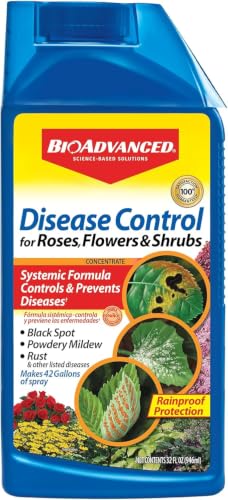
BioAdvanced Disease Control 32 oz

Atticus Artavia 2 SC Azoxystrobin 1 Gal

Bonide Captain Jack Copper Fungicide 16 oz
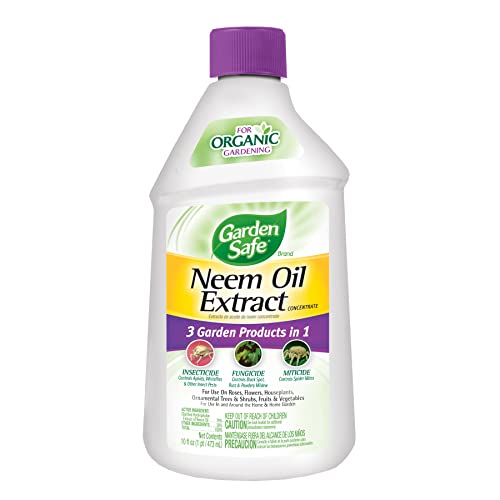
Garden Safe Neem Oil Concentrate 10 oz

Earth’s Ally 3-in-1 Plant Spray 32 oz

Arber Organic Insecticide & Fungicide 16 oz

ARBER Organic Insecticide Spray 16 oz

ARBER Organic Fungicide 16 oz
More On The Choices That Made The List
Pentra-Bark is not your typical garden-center fungicide, and that is precisely its appeal. It is a penetrating surfactant, meaning it acts as a carrier that pulls systemic treatments deeper into bark and woody tissue when paired with products like Reliant, Agri-Fos, or Safari. Arborists reach for it when they need to push fungicides or insecticides through rough outer bark into the cambium layer beneath.
For homeowners managing a few prized shade trees, the one-pint bottle is a sensible size. Mix it at roughly a 1:20 ratio with your chosen systemic product and apply as a basal bark spray. The trade-off is learning curve. You will need to identify the disease correctly and source a compatible partner product, which makes this a poor fit for casual weekend gardeners.
Notable Upsides
- Cuts treatment time on large trees compared with foliar spraying alone
- Registered in California for use with Agri-Fos against sudden oak death
- Compatible with several widely used systemic fungicides and insecticides
- One-pint size suits a small tree-care toolkit without waste
Things To Weigh
- Not a standalone fungicide, so you must source a partner product to mix with it
- Works best on woody trunks and bark, not on soft annual foliage
- Spent bottles should be stored indoors over winter since surfactant films can degrade in extreme cold
Feature Snapshot
Whose Property It Belongs On
Homeowners with mature landscape trees, especially oaks, ashes, or elms, who already understand systemic fungicides and want faster uptake through thick bark.
Where Another Pick Fits Better
Vegetable gardeners should skip this and reach for Bonide Captain Jack Copper Fungicide 16 oz, which handles edibles without a partner chemistry step.
Monterey Garden Phos is a phosphonate fungicide that works from inside the plant rather than sitting on the leaf surface. A systemic treatment like this moves into roots, stems, and foliage, which means it can tackle pathogens that surface sprays miss, including root rot, downy mildew, fire blight, sudden oak death, and various pythium issues. The included measuring spoon makes accurate dilution much easier.
Versatility is the headline here. The same jug covers soil drenches for root problems, foliar sprays for leaf diseases, and basal bark treatments for tree issues. If you manage a varied property with ornamentals, vegetables, fruit trees, and bedding plants, one bottle can replace several single-purpose products in your shed.
Well-Handled Touches
- Three application methods in one product reduce shelf clutter
- Targets notoriously stubborn diseases like fire blight and sudden oak death
- Suitable across ornamentals, vegetables, fruits, and bedding plants
- Measuring spoon included saves a trip to the kitchen drawer
Points To Note
- 2.5 gallons is overkill for a small patio garden and heavy to haul when full
- Requires careful measuring; over-dilution reduces effectiveness on tough pathogens
Right Fit For
Owners of larger properties, small orchards, or anyone managing serious root and trunk diseases who wants one jug to cover multiple plant types.
Swap It Out When
Container gardeners with just tomatoes on a balcony will find BioAdvanced Disease Control 32 oz far easier to store and measure for tiny volumes.
BioAdvanced Disease Control has earned its place on garden-center shelves because it tackles the diseases rose growers actually face. Black spot, powdery mildew, and boxwood blight are the big three, and this concentrate is built to address all three on roses, flowers, trees, shrubs, vines, and even indoor greenery. The systemic formula works from inside the plant, so it keeps protecting new growth after you spray.
For a suburban yard with mixed ornamental beds, the 32-ounce bottle hits a sweet spot. You can mix small batches for spot treatments or scale up for a full hedgerow of roses. Compared with the larger Monterey jug above, this concentrate is more forgiving for casual users and arrives in a container that fits on a typical garage shelf.
Everyday Perks
- Targets black spot and powdery mildew, the two most common rose diseases
- Works indoors and outdoors, including on houseplants
- Systemic action continues to protect new foliage after application
Honest Caveats
- Not approved for use on edible crops, which limits it to ornamentals
- Concentrate requires accurate measuring, and overdosing can scorch tender leaves
- Sprayer residue should be flushed after each use to prevent nozzle clogs
Built With In Mind
Homeowners with established rose beds, flowering shrubs, and foundation plantings who want a reliable broad-spectrum option without mixing multiple bottles.
Skip It When
Edible gardeners should look at Bonide Captain Jack Copper Fungicide 16 oz, which carries organic gardening approval for vegetables and fruits.
Artavia 2 SC carries 22.9 percent azoxystrobin, the same active ingredient found in widely recognized turf fungicides. Azoxystrobin belongs to the strobilurin class, which works by inhibiting fungal respiration, and it moves through the plant to protect both roots and foliage. A single gallon here covers a meaningful amount of turf or a sizable ornamental collection.
The catch is that this is professional-grade chemistry. Broad-spectrum control is genuine, but you need to read the label carefully for crop tolerance, reentry intervals, and tank-mix compatibility. Compared with the gentler copper and neem options later in this list, Artavia is the choice for someone managing disease pressure at scale.
Practical Pluses
- Broad-spectrum control across many turf and ornamental fungal diseases
- Systemic movement protects new growth after application
- One-gallon size suits multi-acre lawns or commercial beds
Practical Considerations
- Synthetic chemistry, not suited to organic gardening programs
- Spray equipment should be thoroughly rinsed to avoid residue buildup in hoses and nozzles
- Overuse can lead to resistance, so rotating with a different mode of action is wise
Technical Highlights
Best Suited To
Lawn-care enthusiasts, landscape professionals, and serious gardeners managing disease pressure across large turf areas or diverse ornamental plantings.
Look Elsewhere When
Organic-only growers should pick Bonide Captain Jack Copper Fungicide 16 oz, which fits organic certification programs without synthetic chemistry.
Bonide’s Captain Jack Liquid Copper is approved for organic gardening, which makes it the default choice for vegetable plots and fruit trees where you want zero synthetic residue. Copper fungicides work on contact by disrupting fungal spores on leaf surfaces, and Captain Jack can be sprayed right up to the day of harvest on listed crops. The concentrate format means you control dilution strength for delicate seedlings versus mature plants.
For an organic gardener running tomatoes, cucurbits, and apples, this bottle covers a wide disease list from one product. The honest trade-off is that copper requires more frequent reapplication than systemic options since rain and new growth wash it away. You will also want to avoid spraying in full sun to prevent leaf scorch on sensitive varieties.
Real-World Strengths
- Approved for organic gardening and usable up to harvest day
- Effective against many common fungal diseases including blights and mildews
- Suitable for vegetables, fruits, and ornamentals on the same property
Trade Offs
- Needs reapplication after rain or overhead watering since it is a contact fungicide
- Copper can accumulate in soil over many seasons, so rotation with other modes of action is wise
Feature Overview
Who It Suits Best
Edible gardeners, homesteaders, and anyone committed to organic practices who needs a versatile fungicide for vegetables, fruits, and ornamentals alike.
Where Another Pick Suits Better
Rose collectors focused on black spot should consider BioAdvanced Disease Control 32 oz, which is systemic and longer-lasting on ornamentals.
Garden Safe Neem Oil Concentrate is one of the most flexible small bottles you can keep on a shelf. Clarified hydrophobic extract of neem oil is the active ingredient, and the same mix works as a fungicide, insecticide, and miticide, so you reach for one bottle to address black spot, powdery mildew, rust, aphids, whiteflies, and spider mites. The case-pack format means you always have a backup ready.
The honest read is that neem works best as a preventative rather than a knockdown. Spraying every seven to fourteen days during humid weather keeps fungal spores from germinating and disrupts insect life cycles. If you wait until a full-blown aphid invasion is visible, you will find yourself reapplying more aggressively than the label suggests.
The Practical Payoff
- Three functions in one bottle simplifies routine care
- Approved for organic gardening and safe around fruits and vegetables
- Works indoors and outdoors across a wide plant list
- Case pack provides refill bottles for a full growing season
Where It May Fall Short
- Strong garlic-onion scent lingers for a few hours after spraying
- Needs thorough coverage on leaf undersides, which takes time on dense plants
- Bottle should be stored at room temperature since neem solids can crystallize when cold
Made For
Gardeners managing mixed collections of ornamentals, vegetables, and houseplants who want one organic tool to handle most common disease and pest issues.
Consider Something Else When
People who refuse to tolerate any spray scent indoors might prefer Earth’s Ally 3-in-1 Plant Spray 32 oz, which uses gentler essential oils in a ready-to-use bottle.
Earth’s Ally 3-in-1 is the convenience play. It arrives ready to spray, with no measuring, no mixing, and no second trips to the sink. The formula combines botanical oils in a synergistic blend that handles soft-bodied insects and common plant diseases in one pass. For an indoor plant collection on a windowsill or a small patio, that convenience matters.
Unlike the concentrates earlier in this list, you trade flexibility for simplicity. You cannot adjust dilution for tender seedlings, and a 32-ounce bottle runs out faster than a 16-ounce concentrate that makes multiple gallons. For most indoor gardeners with fewer than twenty plants, that tradeoff is worth it.
A Few Highlights
- No mixing required, just point and spray
- Gentle botanical formula is comfortable to use around pets and family
- Tackles both pests and diseases in a single bottle
Worth Bearing In Mind
- Smaller coverage area per bottle compared with concentrates
- Botanical oils can spot furniture finishes if overspray drifts, so cover nearby surfaces
Feature Rundown
Who Should Grab It
Apartment dwellers and indoor plant parents who want a grab-and-go option for occasional pest or disease issues without measuring cups or extra sprayers.
Another Choice May Suit
Garden Safe Neem Oil Concentrate 10 oz is the better fit for outdoor beds where you need larger volumes and variable dilution across many plant types.
Arber’s dual-action concentrate combines insecticide and fungicide duties in one bottle, using a bio-based formula designed to coat leaves and soil zones while disrupting pest life cycles. For a backyard with kids and pets, that combination is appealing because you reduce the number of products sitting on the shelf. The concentrate format still gives you flexibility on dilution strength.
The honest read is that this is more of a maintenance product than an emergency rescue. Spray it preventatively across foliage and you will see fewer chewing and sap-sucking pest outbreaks, plus reduced powdery growths. If you walk out to discover a sudden aphid swarm, you may need a more aggressive targeted treatment first.
Reasons It Performs
- Two-in-one formula reduces product clutter
- Bio-based ingredients are friendlier around family and pets
- Suitable for houseplants, vegetables, roses, shrubs, and turf
Less Ideal Details
- Less effective as a rescue treatment on heavy infestations
- Requires consistent reapplication during humid weather for best results
Who It Suits Best
Suburban households with active kids, dogs, and a mix of ornamentals and edibles who want to keep one gentle product on hand for routine care.
A Better Fit Elsewhere
Greenhouse growers battling heavy mildew pressure will get faster knockdown from Monterey Garden Phos Fungicide 2.5 Gal, which is built for tougher systemic work.
This ARBER concentrate focuses on the insect side of plant care, using organic biologicals to address fungus gnats, aphids, whiteflies, mealybugs, and spider mites. The liquid concentrate penetrates both foliage and the soil surface, which matters for fungus gnat control where larvae live in the top inch of potting mix. For indoor collections prone to gnat outbreaks, that soil action is the key feature.
Compared with the company’s pure fungicide pick below, this bottle is the better choice when pests are the bigger issue than disease. You may find it less satisfying if you are primarily fighting powdery mildew, since it does not emphasize fungal suppression.
Bright Spots
- Targets fungus gnats in soil, where larvae hide from foliar sprays
- Organic biologicals fit organic gardening programs
- Liquid concentrate penetrates foliage and soil in one application
A Few Limitations
- Less focused on fungal disease control than sibling picks
- Heavily infested plants may need a follow-up application five to seven days later
Made For
Houseplant owners and seed-starting gardeners who battle recurring fungus gnat and aphid pressure in containers and want an organic biological approach.
Skip It When
Anyone dealing with a powdery mildew outbreak should reach for ARBER Organic Fungicide 16 oz instead, since this bottle is tuned for pests rather than disease.
ARBER’s dedicated organic fungicide closes out the list with a botanical, biological formula aimed at powdery mildew, leaf spot, root rot, and lawn fungi. Plant-derived actives create a protective barrier on leaves and roots, which means you spray after humid days or before gatherings to keep spores from taking hold. Compared with its insect-focused sibling, this bottle puts fungal disease front and center.
The honest tradeoff is that protective barriers need reapplication more often than systemic products. You will want to set a calendar for repeat sprays during peak disease pressure. For gardeners committed to organic methods, that rhythm is just part of the routine.
Features That Help
- Powered by certified-organic biologicals and plant-derived actives
- Coats both leaves and root zones for above- and below-ground protection
- Designed for indoor and outdoor use on a wide plant list
Practical Considerations
- Needs repeat sprays during humid stretches to keep the barrier intact
- Bottle should be kept out of direct sunlight since botanical actives degrade faster in heat
Right Fit For
Organic gardeners and indoor plant enthusiasts who want a botanical fungicide dedicated to disease prevention rather than pest control.
Consider Something Else When
Growers facing sudden insect invasions alongside mild disease should pick Arber Organic Insecticide & Fungicide 16 oz to cover both jobs in one bottle.
What Matters Most Before Choosing Plant Fungicides
Disease Identification Drives The Choice
Before picking a bottle, walk the garden and look closely at the symptoms. Powdery mildew shows up as white powdery patches on leaf surfaces, while downy mildew creates yellow spots with fuzzy growth underneath. Black spot on roses looks like dark circles with feathered edges, and root rot manifests as wilting despite moist soil. The active ingredient that controls each one differs, and misdiagnosis leads to wasted product and continued damage. A simple smartphone search of the leaf symptoms plus the plant name usually points you to the right category of fungicide.
Contact Versus Systemic Action
Contact fungicides sit on the leaf surface and kill spores that land there, which means rain washes them away and new growth is unprotected. Systemic fungicides are absorbed into the plant and move through the vascular system, protecting new growth for weeks. For fast-spreading diseases like rust and mildew, systemic options save time. For edible crops where you prefer minimal residue, contact options like copper and neem remain the standard. Rotation between modes of action also helps prevent resistance in tough pathogens like botrytis and late blight.
Plant Type And Harvest Timing
Always confirm a product is labeled for the specific plant you intend to spray. Many turf fungicides are not approved for vegetables, and many ornamental products are not approved for edibles. Pay attention to the pre-harvest interval, the waiting period before you can pick treated produce. Organic options like copper and neem often allow shorter intervals, while synthetics may require longer waits. Reading the label takes a few minutes and prevents the much bigger headache of losing a crop or damaging a prized plant.
Bottle Size And Storage Reality
A two-and-a-half-gallon jug is useless if you cannot lift it or store it between seasons. Concentrates last longer than ready-to-use sprays, but only if you keep them in a cool, dry space away from direct sunlight. Most liquid fungicides benefit from a dark corner of a garage or shed, and temperatures below freezing can permanently damage some formulations. Match the bottle size to how much ground you actually cover in a season, and you will avoid wasting concentrate that expires before you finish it.
Key Considerations Across These Picks
Pitfalls Shoppers Hit
The biggest mistake is treating symptoms without confirming the disease. Spraying a contact fungicide on a root rot problem wastes the bottle, since the pathogen lives below the soil line where sprays cannot reach. Another common error is ignoring the reapplication interval on contact products and assuming one spray solves the problem. Humid weather washes protection away quickly, and missed sprays let spores recolonize between treatments. Finally, mixing incompatible products in the same sprayer can neutralize one or both active ingredients and clog nozzles.
Where The Extra Money Goes
Higher-tier products like Monterey Garden Phos and Atticus Artavia 2 SC earn their cost through systemic action and broad-spectrum coverage. You pay for active ingredients that penetrate plant tissue rather than sitting on the surface, which means fewer trips to the garden with a sprayer. Larger container sizes also reduce the per-ounce cost for anyone managing meaningful acreage. For a small balcony herb garden, those advantages do not justify the price. For an acre of turf or a backyard orchard, the upgrade pays off through saved labor and better disease control.
Frequently Asked Questions
How often should I reapply contact fungicides like copper or neem?
Most contact fungicides need reapplication every seven to fourteen days, and immediately after rain or overhead watering. New leaves also need coverage since the protection does not move into growth that emerges after spraying.
Can I mix fungicides together in one sprayer?
Mixing is risky unless the product label explicitly allows it. Some combinations neutralize each other, and many create unexpected plant damage. Water-soluble packets and emulsifiable concentrates often call for separate applications with sprayer rinsing in between.
Are organic fungicides as effective as synthetic ones?
For most common diseases, organic options like copper, neem, and biological sprays work well when applied preventatively and on schedule. Synthetic systemic products tend to outperform organics on severe or advanced infections, especially in commercial settings. Matching the product to disease pressure and your gardening philosophy matters most.
Is it safe to use fungicides around vegetables and herbs?
Only fungicides specifically labeled for edible crops should be used on vegetables and herbs, and the pre-harvest interval on the label tells you how long to wait before picking. Organic options like copper and neem typically carry the shortest intervals, while some synthetics require longer waits.
Do I need to wear protective gear when spraying fungicides?
Even botanical products warrant basic protection: gloves, long sleeves, closed-toe shoes, and eye protection. For synthetic concentrates, a respirator and chemical-resistant gloves are wise. Always read the label’s personal protective equipment recommendations for the specific product.
Closing Remarks
The best fungicide for your garden is the one matched to your disease, your plant list, and your tolerance for reapplication. Match the active ingredient to the symptoms you see, confirm the crop is on the label, and choose a bottle size that fits your shed. From there, a steady routine beats heroic rescue sprays every time.
