

A stubborn patch of brush can take over a fence line in a single growing season, and once woody weeds like poison ivy or sumac settle in, hand-pulling becomes a losing battle. That’s where plant killers earn their keep, from selective formulas that spare your lawn to brush-control concentrates built for larger restoration jobs. This roundup compares eight options suited to different property sizes, vegetation types, and gardening philosophies, so you can match the right product to the weeds you’re actually fighting.
A Closer Look At The Lineup
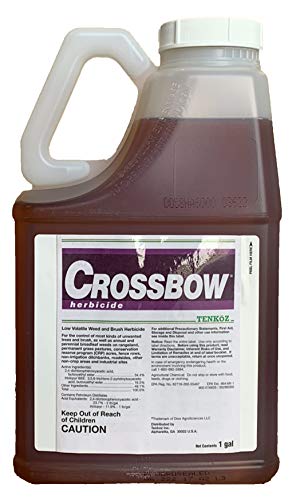
Crossbow Herbicide Brush Killer 1 Gallon
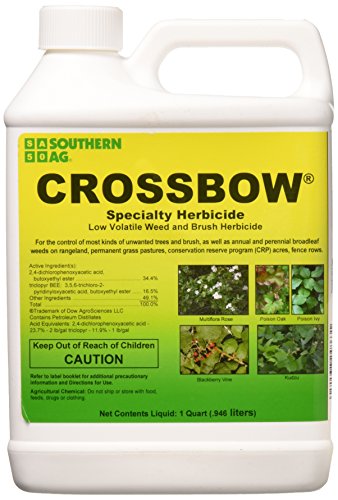
Southern Ag Crossbow Specialty Herbicide 32oz

ALLIGARE Triclopyr 4 Herbicide Selective Weed Killer 1 Quart
Tordon RTU Specialty Herbicide 1 Qt

Bonide Captain Jack’s Neem Max 32 oz Ready-to-Use Spray
Bonide Captain Jack’s Neem Max 12 oz for Houseplants

Bonide Captain Jack’s Neem Max 16 oz Ready-to-Spray

Smart Grower Neem Oil Spray with Peppermint Oil
More Details On Our Top Picks
When brush has been gaining ground for years along a back fence or pasture edge, a one-gallon jug makes sense because mixing small volumes gets old fast. Tenkoz markets this Crossbow concentrate for woody plant control, which suits property owners clearing briars, saplings, and broadleaf weeds across larger acreage. Compared with the smaller Southern Ag quart below, this container trades portability for fewer refill trips and a longer working window per purchase.
You measure and dilute it yourself, so a basic pump sprayer is part of the ownership picture. For most rural properties, that trade-off is worth it.
Noteworthy Benefits
- Generous one-gallon volume suits multi-acre brush projects without constant refilling
- Concentrate format lets you tune the mix ratio for foliar spray versus cut-stump work
- Targets a wide spectrum of woody plants, briars, and broadleaf weeds in one product
- Trusted name in pasture and rangeland restoration, which is what it’s designed around
Worth Noting
- Concentrate requires measuring and a dedicated sprayer, with rinsing between uses to avoid cross-contamination
- Storage takes up shed space, and concentrate should stay sealed and out of freezing temperatures
Quick Facts
Who It Suits Best
Property owners managing several acres of pasture, fence line, or rural yard where brush has built up over multiple seasons and a single quart won’t stretch far enough.
Consider Something Else When
Homeowners with a small suburban lot should look at the Southern Ag Crossbow quart below, which delivers the same active ingredient in a more manageable volume.
Southern Ag’s quart version of Crossbow covers the same brush and broadleaf targets as the larger Tenkoz gallon, just in a bottle that fits on a garage shelf next to your lawn spreader. The low-volatile formulation is positioned for property owners who want results without the strong odor profile some brush products carry. For a homeowner clearing a single neglected corner of the yard, a quart is plenty before you commit to a full gallon.
Like the gallon, it concentrates, so plan on a sprayer and a little measuring. In most cases, that’s a fair trade for the price difference.
Where It Delivers
- Quart size is approachable for first-time brush control without committing to a gallon
- Low-volatile formula reduces odor during application in residential settings
- Compatible with the same dilution approach as larger Crossbow products
- Storage footprint fits on a standard utility shelf alongside other lawn products
Room For Improvement
- Still requires measuring, mixing, and a dedicated pump sprayer for application
- A quart may run short on properties larger than a half acre of heavy brush
- Container rinsing at the end of use takes some care to avoid leftover concentrate
Right Fit For
Suburban homeowners clearing brush around a shed, fence row, or back corner of a moderate lot where one weekend of spraying usually finishes the job.
Look Elsewhere When
Ranchers or landowners tackling multi-acre restoration projects will save effort stepping up to the Tenkoz Crossbow gallon reviewed above.
ALLIGARE’s Triclopyr 4 sits in a different lane than the Crossbow products above. It’s a selective herbicide, meaning it’s designed to control woody plants and broadleaf weeds without harming the grasses around them. That distinction matters in pastures, rights-of-way, and forestry settings where you want to clear brush but keep the forage or ground cover intact.
The trade-off is that selective chemistry typically works more slowly than non-selective options, and you still need to handle a concentrate responsibly. For most landowners managing rangeland or forested edges, that’s an acceptable cost for keeping grass alive.
What Earns Its Place
- Selective action spares desired grasses while targeting brush and broadleaf weeds
- Formulated for forestry, pasture, rangeland, rights-of-way, and industrial sites
- Concentrate dilution flexibility depending on target and treatment timing
Some Limits To Know
- Selective mode means slower visible results than non-selective alternatives
- Requires a pump sprayer, calibration, and careful handling of concentrate
- Less appropriate for spot treatment in ornamental beds where overspray is a concern
Feature Snapshot
Made For
Land managers and landowners restoring pasture or controlling brush on rangeland where grass retention matters as much as brush removal.
Swap It Out When
Homeowners fighting brush in a small yard without pasture grass will find the Tordon RTU cut-stump product below easier to use on a per-target basis.
Tordon RTU takes a different approach from the concentrates above. Ready-to-use means no measuring and no mixing, which is a relief for anyone who has burned through a Saturday calibrating sprayers. The product is positioned for cut-stump treatments, fence line maintenance, and roadside brush where you want to target individual trees and prevent regrowth from the root system.
One thing worth considering is regional availability. The product is restricted in several states, so check the listing for your location before assuming it ships.
Strong Points
- Ready-to-use format eliminates measuring and mixing for simpler weekend projects
- Blue dye tracker helps you see which stumps have already been treated
- Targets more than 20 woody species and translocates into root systems to limit resprouting
- No-freeze formulation flows freely even in shoulder seasons
Honest Caveats
- Restricted sales in several states, so availability depends on your shipping address
- Designed for cut-stump and cut-surface work, not broadcast foliar spraying
Best Suited To
Property owners clearing fence rows, removing invasive saplings, or maintaining non-cropland edges where individual tree-by-tree treatment fits the workflow.
A Better Fit Elsewhere
Pasture managers broadcasting across larger acreage will find the ALLIGARE Triclopyr 4 concentrate above more efficient for wide-area work.
Captain Jack’s Neem Max in the 32-ounce size is the in-between option in Bonide’s Neem Max family. Cold pressed neem oil sits in a different category entirely from the brush killers above. It’s a plant-based spray that handles insects, fungal issues, mites, and nematodes on vegetables, fruit, and ornamental beds. For gardeners who want one bottle that does several jobs, that combination is the appeal.
The trade-off is that neem works gradually and won’t stop a serious brush invasion. For most home gardens, the routine maintenance angle is what makes it useful.
Features That Help
- Ready-to-use spray bottle skips the mixing step for quick garden applications
- Plant-based cold pressed neem oil handles multiple pest and disease categories
- 32-ounce size covers a full growing season for a typical backyard vegetable plot
- Compatible with edible gardens when applied as directed
Practical Considerations
- Not designed to kill woody brush, so it won’t replace the concentrates above
- Reapplication on a schedule is part of how it works
- Sprayer should be rinsed after use to keep the nozzle clear
Feature Card
Who Should Grab It
Home gardeners maintaining vegetable beds, flower borders, and ornamentals who want one spray to handle multiple common pest and disease issues.
Reach For A Different Pick When
Someone battling woody brush or fence-line saplings will need the Tordon RTU above rather than a garden-focused neem formula.

The 12-ounce Neem Max is the smaller, indoor-focused sibling of the 32-ounce garden spray above. It’s sized for a windowsill collection or a few houseplants rather than a backyard plot. For apartment dwellers or anyone tending plants on a shelf, the compact bottle keeps neem oil handy without taking up valuable cabinet space.
You may find the trigger spray less efficient across a large indoor collection, but for a handful of plants, the smaller format is genuinely easier to manage.
The Practical Payoff
- Smaller 12-ounce bottle suits windowsills and modest indoor plant collections
- Same multi-purpose neem oil approach as the larger garden spray
- Compact trigger spray works well for spot treatment on individual houseplants
Points To Keep In Mind
- Small volume means more frequent replacement for anyone with a large indoor jungle
- Not formulated for outdoor brush or weed control on property edges
- Application requires moving plants to a sink or tub for overspray control
Who Will Love This
Apartment residents and indoor plant collectors managing fungus gnats, mites, or leaf spot on a handful of potted plants without outdoor space.
Where Another Pick Suits Better
Outdoor gardeners covering beds and borders will get more value from the Bonide Captain Jack’s 16-ounce hose-end spray below.
The 16-ounce Ready-to-Spray format is the hose-end member of the Neem Max family. You attach the bottle to a garden hose and spray as you walk, which covers a mid-size yard far faster than squeezing a trigger bottle plant by plant. For gardeners treating long flower borders or a vegetable patch spread over a decent area, that convenience matters.
It’s still a plant-care spray rather than a brush killer, so it complements the property-level products above rather than replacing them.
A Strong Showing
- Hose-end attachment eliminates pump sprayers and manual mixing
- 16-ounce bottle covers a mid-size garden without constant refilling
- Same multi-purpose neem oil approach for insects and fungal issues
- Walking pace application suits gardeners who prefer to spray as they move
Things To Consider
- Requires a standard garden hose and an outdoor water spigot to operate
- Coverage depends on water pressure, which can vary by neighborhood
- Less suited to indoor use or very small plant collections
Built With In Mind
Gardeners with mid-size flower borders, fruit trees, or vegetable beds who prefer hose-end application over pumping a handheld sprayer.
Not Your Match When
Apartment dwellers with no outdoor spigot will find the Bonide 12-ounce houseplant spray above a more practical indoor option.
Smart Grower’s neem and peppermint blend rounds out the lineup as a gentle, ready-to-use spray positioned for routine leaf care. The peppermint addition gives it a more pleasant scent than straight neem oil, and the spray targets shiny-leaf maintenance as much as pest control. For homeowners who want something simple to wipe across a plant’s leaves every week or two, that low-effort approach is the appeal.
It won’t replace the brush killers above, and depending on your infestation level, you may need to step up to the Bonide 32-ounce formula. For daily upkeep, it does what it claims.
Standout Benefits
- Peppermint oil addition creates a more pleasant scent than plain neem sprays
- Ready-to-use format works on both indoor and outdoor plants
- Formulated for routine leaf cleaning alongside pest and disease management
- Positioned as safe for the surrounding environment when applied as directed
Things To Weigh
- Designed for routine maintenance, not heavy brush or woody plant control
- Essential oil blends may interact with sensitive plant species, so test on a small area first
- Bottle size and application frequency depend on how many plants you’re treating
Quick Technical Notes
Perfect Match For
Plant owners who want a gentle weekly spray for leaf cleaning and routine pest deterrence rather than aggressive brush control.
Skip It When
Landowners fighting established brush or pasture weeds should reach for the Tenkoz Crossbow gallon reviewed earlier in this lineup.
Choosing The Right Formula For Your Property
Start by identifying what you’re actually fighting. Woody brush, saplings, and briars along fence lines call for a triclopyr-based concentrate like the Crossbow family or ALLIGARE’s selective option, where the goal is killing woody growth without harming grass in a pasture or rangeland setting. Cut-stump work on individual trees points toward a ready-to-use product with a tracking dye, so you know exactly which stump has been treated and which still has active root growth.
Garden and houseplant issues are a different conversation entirely. Insect pressure, fungal spots, and leaf cleaning respond to plant-based sprays built around neem oil, where multi-purpose formulas let you treat several problems with a single bottle. Concentrates offer better cost-per-acre for big properties, while trigger sprays and hose-end formats suit smaller gardens where mixing and measuring feel like more effort than the job deserves.
Key Considerations Across These Picks
Wrong Turns To Avoid
Reaching for a non-selective concentrate on a lawn you want to keep is the most common mistake shoppers make. If your goal is brush removal around desired grass, a selective triclopyr formula like ALLIGARE’s option protects the forage while targeting the woody plants. Another trap is underestimating how much product a job actually needs, which leaves you mid-project with an empty bottle and a half-treated fence line. Match container size to acreage before you buy, not after.
Where The Extra Money Goes
Higher-tier formulas generally cost more because they’re built around selective active ingredients that spare desirable plants, or they include convenience features like built-in dyes, no-freeze formulations, and ready-to-use packaging. For pasture restoration or rights-of-way work, that selectivity saves money over replanting grass later. For routine garden maintenance, a plant-based neem spray is usually enough without paying for industrial-scale chemistry.
Frequently Asked Questions
What is the difference between selective and non-selective plant killers?
Selective herbicides target specific plants like woody brush or broadleaf weeds while leaving grasses largely unharmed. Non-selective options kill almost any vegetation they contact, which is useful for total clearance but risky near desirable plants.
Can neem oil really replace a brush killer?
Neem oil handles insects, mites, fungi, and nematodes on garden and houseplant foliage, but it lacks the strength to kill established woody brush or saplings. For brush control, a triclopyr-based concentrate is the correct tool.
How do I know which container size to buy?
Match volume to acreage and target plant count. A quart covers a typical suburban brush patch, a gallon suits multi-acre pasture or fence-line work, and trigger or hose-end bottles fit garden and indoor plant routines.
Are restricted-state herbicides worth the hassle?
If a product is restricted where you live, look for an alternative active ingredient that delivers the same effect. For cut-stump and fence-line work, several non-restricted brush control options handle similar jobs with comparable results.
How often should neem sprays be applied during the growing season?
Most neem-based garden sprays work on a repeated schedule rather than a single application, with intervals of roughly seven to fourteen days depending on pest pressure and weather. Consistency matters more than volume per treatment.
Wrap Up
The right plant killer depends entirely on what you’re fighting and where. Pasture and fence-line brush point toward triclopyr concentrates or cut-stump ready-to-use formulas, while garden and houseplant care fits plant-based neem sprays that handle multiple issues in one bottle. Match the product to your property, your tolerance for mixing, and the plants you want to keep, and the rest tends to fall into place.
