

You step onto the patio and the basil’s looking half-eaten, the roses have a sticky shimmer, and something’s building a tent in the lettuce. A good plant insect spray is the difference between saving the season and writing it off. The seven picks below cover everything from heavy-duty concentrate treatments for serious infestations to gentle, plant-safe options for the kitchen windowsill, and each one fits a different kind of gardener, not a generic “outdoor person.”
The Main Contenders
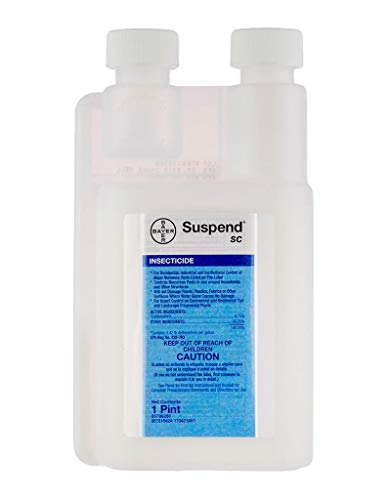
Bayer Suspend SC Insecticide 16oz

ENVU Tempo SC Ultra Insecticide 240ml

Raid House & Garden Bug Killer Aerosol 11oz

Smart Grower Neem & Peppermint Plant Spray

Arber Organic Insecticide & Fungicide 16oz

Arber Organic Insecticide Spray 16oz

Arber Organic Fungicide for Plants 16oz
Inside Each Recommended Option
When a single yard plays host to ants along the foundation, spiders in the shed, and a parade of uninvited guests on the shrubs, you want one bottle that handles the whole lineup. Bayer Suspend SC is a liquid concentrate built for that kind of broad coverage, mixing into a pump sprayer and going where you point it.
For homeowners treating a full property line, or anyone maintaining a small greenhouse, this concentrate approach makes sense. It’s less friendly to the casual houseplant owner who just wants a ready spray, and that’s worth knowing before you commit.
Standout Benefits
- Covers more than 50 nuisance pests, from ants and roaches to spiders and crawling invaders
- Quick knockdown on contact, then a long residual that keeps working after the spray dries
- Leaves no visible residue and carries no odor once applied, so treated patios stay usable
- One 16oz bottle dilutes into a substantial amount of finished spray, lowering per-application cost
Things To Consider
- It’s a concentrate, so you’ll need a pump sprayer and a few minutes of mixing
- Not labeled for direct use on edible plants, so it’s better for perimeter and ornamental work
Who It Suits Best
Homeowners and property managers who want one reliable bottle to handle a wide pest mix across non-edible landscape areas.
Consider Something Else When
Vegetable gardeners and indoor herb growers will find the Smart Grower neem spray a friendlier match for edible and houseplant use.
Where Bayer Suspend handles broad perimeter work, ENVU Tempo SC Ultra steps in for the heavier jobs. It’s a liquid concentrate built around beta-cyfluthrin, an active ingredient (the chemical that actually does the killing) designed for fast knockdown and a long residual, even at relatively low mix rates.
That lower use rate is the real story here. A little goes a long way, so the 240ml bottle stretches across more applications than the size suggests. The trade-off shows up in handling: like the Bayer pick, it needs measuring and a sprayer, and it’s labeled for outdoor and structural use rather than edible crops.
Benefits That Matter
- Targets more than 100 nuisance pests, including ants, aphids, spiders, and ticks
- Low mix rate means the bottle covers a large area before you run dry
- Liquid format avoids the dust and measuring hassles of powder concentrates
Worth Noting
- Not intended for direct use on edible plants, so it fits ornamental and perimeter programs best
- Requires a pump sprayer and basic measuring, which adds gear to your shed
- Stronger active ingredient than the Smart Grower and Arber organic options, so handle accordingly
Built With In Mind
Property owners facing a stubborn, multi-pest problem on a larger lot who don’t mind measuring and mixing a concentrate.
A Better Fit Elsewhere
Edible-garden growers will find the Arber Organic Insecticide a more appropriate match for food crops and tight spaces.
The first two picks ask you to measure, mix, and wrestle with a pump sprayer. This one asks for nothing. Raid’s House & Garden aerosol arrives ready to fire, with no setup and no cleanup beyond tossing the can when it’s empty.
It’s built for the kind of moment where a caterpillar is on the petunia right now. The formula is designed not to damage listed house or garden plants, and it leaves no lingering chemical odor, which matters when you’re treating a kitchen herb garden or a sunroom full of tropicals.
Practical Advantages
- Zero prep: just point and spray, with no mixing, measuring, or pump sprayer to maintain
- Targets a list of common offenders including aphids, boxelder bugs, caterpillars, and crickets
- Listed for both indoor and outdoor use, so one can covers the windowsill and the flower bed
- Multi-pack option stretches the convenience across a season of spot treatments
Trade Offs
- Contact kill only, so it doesn’t leave a long residual behind like the concentrate options
- Coverage area is small per can compared to a mixed concentrate in a pump sprayer
Right Fit For
Casual gardeners and renters who want a grab-and-go can for small, occasional pest sightings on listed plants.
Skip It When
Large yards with serious infestations call for ENVU Tempo SC Ultra and a proper pump sprayer instead.
For houseplants and small herb gardens, the goal is usually gentle control, not chemical warfare. Smart Grower’s neem and peppermint spray fits that brief, blending two plant-derived oils (neem oil, pressed from neem tree seeds, and peppermint essential oil) into a ready-to-spray bottle.
It doubles as a leaf shine, which means a single pass cleans foliage and leaves a subtle peppermint note. The honest read is that neem-based products work best as a regular maintenance routine, not as a single knock-down for a serious infestation.
A Strong Showing
- Pre-mixed bottle removes the guesswork from diluting essential-oil sprays
- Safe for use on indoor and outdoor plants when applied as directed
- Leaves a light peppermint scent and a clean-looking leaf surface
Minor Gripes
- Soften on heavy infestations; works best with repeat applications on a schedule
Key Product Details
Best Suited To
Apartment dwellers and herb growers who want a no-mix, low-impact spray for routine plant care.
Look Elsewhere When
Large-scale property treatments belong in the hands of a concentrate like Bayer Suspend SC, which stretches much further per bottle.
Most organic sprays pick a lane: bugs or fungus, not both. Arber’s combined formula aims at both in a single 16oz bottle, using bio-based actives that coat leaves and soil zones to disrupt pest life cycles (the stages insects pass through from egg to adult) and suppress powdery fungal growths.
It’s a smart fit for someone juggling a mixed garden of houseplants, vegetables, roses, and shrubs. The catch is that no two-in-one product matches the targeted strength of a dedicated insecticide or a pure fungicide, so serious outbreaks may still need a specialist.
What Earns Its Place
- One bottle addresses both chewing or sap-sucking pests and common leaf diseases
- Suitable for houseplants, vegetables, roses, shrubs, and turf
- Bio-based formula designed to be plant-safe when used as directed
- Covers both foliage and soil zones for broader life-cycle disruption
Points To Note
- Not as targeted as a dedicated fungicide like the Arber Organic Fungicide for serious mildew cases
- Repeat applications are part of the routine; expect a schedule, not a one-shot fix
Feature Rundown
Who Should Grab It
Gardeners juggling multiple plant types who want a single, broad organic solution for routine pest and disease issues.
Another Choice May Suit
Shaded beds and humid spots with heavy mildew pressure will benefit more from the dedicated Arber Organic Fungicide.
Where the combined Arber product splits its attention between pests and disease, this dedicated insecticide focuses on the bug side of the equation. It’s a liquid concentrate built around organic biologicals (naturally derived control agents, such as beneficial bacteria or plant extracts) that target a familiar lineup of soft-bodied pests.
Vegetable gardeners, in particular, will appreciate that this formula is built with food crops in mind, not just ornamentals. The trade-off vs the combined Arber bottle is that you’ll need a separate fungicide if disease pressure shows up alongside the bugs.
Well-Handled Touches
- Targets fungus gnats, aphids, whiteflies, mealybugs, and spider mites on contact
- Liquid concentrate penetrates both foliage and soil for full-plant coverage
- Formulated for use on houseplants and garden beds alike
- Organic positioning suits gardeners avoiding synthetic actives
Small Caveats
- Doesn’t address fungal issues; pair with a dedicated fungicide for full protection
- Concentrate format requires a sprayer and basic measuring
Feature Snapshot
Perfect Match For
Vegetable gardeners and houseplant owners who want a targeted organic insecticide without synthetic actives.
Reach For A Different Pick When
Households fighting mildew and leaf spot at the same time will get more from the Arber Organic Fungicide as an add-on.
Powdery mildew has a way of showing up overnight on the cucurbits, and leaf spot never quite takes a season off in humid climates. This dedicated Arber fungicide is built for exactly that fight, with organic biologicals and plant-derived actives that form a protective barrier on leaves and roots.
Spraying after humid days, before backyard gatherings, and during peak growth lines up with how the product is intended to work. Compared to the combined Arber bottle, you trade a dual-purpose formula for a more focused approach to disease pressure.
What Makes Sense
- Targets powdery mildew, leaf spot, root rot, and common lawn fungi
- Designed for both indoor and outdoor plants
- Organic positioning fits gardens where synthetic fungicides are off the table
- Supports a preventive spray schedule through humid stretches
Factors To Consider
- Doesn’t replace an insecticide, so plan to pair it with the Arber Organic Insecticide for full coverage
- Works best as a routine rather than a one-time rescue on severe cases
Quick Facts
Whose Shelf It Belongs On
Garden owners in humid regions and anyone fighting recurring mildew or leaf spot on ornamentals and edibles.
Where A Sibling Pick Shines
Gardeners with active insect pressure on top of disease should start with the Arber Organic Insecticide & Fungicide combo instead.
What To Match Your Garden Against Before Buying
Choosing the right plant insect spray starts with honesty about what you’re fighting and where. A kitchen windowsill with one fiddle-leaf fig is a very different problem than a half-acre of tomatoes under siege, and the spray that saves one will underperform on the other.
Read the active ingredient, not the marketing. Concentrates like Bayer Suspend SC and ENVU Tempo SC Ultra list their active ingredients plainly because they’re regulated, and that label is the most reliable place to compare real performance. For organic options, look for named bio-based inputs like neem oil, peppermint oil, or specific biologicals. Marketing language about being “natural” or “plant-safe” tells you less than the actual ingredient list.
Match the format to your tolerance for setup. Ready-to-use bottles and aerosols (Raid, Smart Grower) trade coverage area for convenience. Concentrates stretch further and cost less per application, but they need a pump sprayer, measuring, and a few minutes of prep. If you won’t realistically mix a spray on a Tuesday evening, the concentrate will sit in the shed.
Mind the edible vs ornamental line. Several concentrates in this list, including the two Bayer/ENVU picks, are labeled for ornamental and perimeter use rather than direct application on food crops. The Smart Grower and Arber lines are built with edible and indoor use in mind. Mismatching this is the most common way gardeners accidentally waste product or risk plant damage.
Plan a routine, not a single fix. Organic options, in particular, lean into repeat applications on a schedule. A single pass rarely resets an infestation; a regular cadence does. Synthetic concentrates give faster single-shot results but still benefit from a follow-up treatment.
Key Considerations Across These Picks
Pitfalls Shoppers Hit
The most common mistake is grabbing the strongest concentrate on the shelf and applying it like a ready-to-use spray, which wastes product and can scorch foliage. The opposite error is buying a gentle organic option for a heavy structural infestation and wondering why nothing changed. Match the spray to the scope of the problem, and you’ll save both plants and product.
When Paying More Pays Off
Higher-tier concentrates like ENVU Tempo SC Ultra justify their cost through low use rates and broad pest coverage, so a single bottle can treat a much larger area than its size suggests. For someone managing a full property, that efficiency adds up. For a single windowsill herb garden, the simpler Smart Grower or Arber bottles do the same job without the mixing step.
Frequently Asked Questions
Are plant insect sprays safe to use indoors? Yes, when the product is labeled for indoor use and you follow the directions. Aerosols like Raid House & Garden and ready sprays like Smart Grower are designed for that purpose, while concentrates are best reserved for outdoor or garage applications with ventilation.
How often should plant insect sprays be applied? It depends on the product and the pest. Organic options like the Arber line typically call for repeat applications on a schedule, while synthetic concentrates may only need a follow-up once a residual wears off. Always follow the label interval for the specific product.
Can the same spray handle both bugs and fungal disease? The Arber Organic Insecticide & Fungicide is built for that dual purpose, but dedicated insecticides and dedicated fungicides will generally outperform a combined formula on their specific target. Pairing the Arber Organic Insecticide with the Arber Organic Fungicide is the more focused approach.
Do I need a pump sprayer for these products? Concentrates (Bayer Suspend SC, ENVU Tempo SC Ultra, and the Arber bottles) all need a separate pump sprayer for proper application. Ready-to-use sprays and aerosols do not.
Will these sprays harm bees and other beneficial insects? Some synthetic concentrates carry bee warnings on their labels, especially when applied to flowering plants. Organic options are generally gentler, but spraying at dusk when pollinators are less active is a widely recommended practice across all categories.
The Takeaway
The right plant insect spray depends entirely on the scale of your garden, the pests you’re facing, and how much mixing you’re willing to do. Concentrates deliver the heaviest performance for larger properties, organic concentrates balance safety and strength for mixed food-and-ornamental gardens, and ready-to-spray bottles and aerosols handle the small, everyday sightings without ceremony. Pick the format that fits your routine, and the rest usually falls into place.
