

Starting a vegetable garden used to mean a patch of bare dirt and a lot of bending. Today’s planters and grow bags bring the harvest up to a comfortable height, fit onto small patios, and let you grow food on balconies and driveways. The hard part is matching the planter to the space, the crops, and your watering habits. This guide compares ten vegetable planters across metals, fabrics, resin, and rolling frames so you can pick the one that fits how you actually grow.
Your Options, Compared

Vego garden 17″ Tall 9-in-1 Metal Raised Bed (Olive Green)
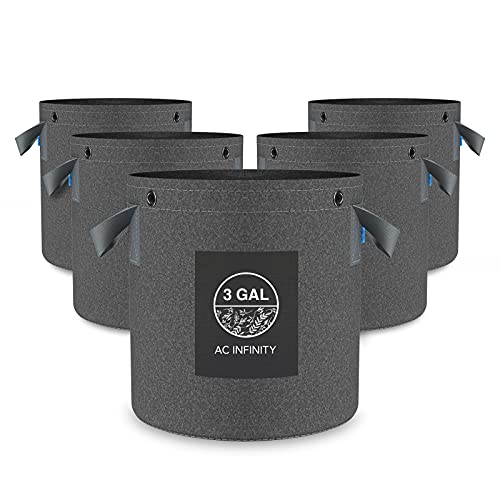
AC Infinity Heavy-Duty 500G Fabric Pots 3-Gallon 5-Pack

Vego garden Rolling Elevated Bed 2′ x 4′ (Olive Green)

Vego garden Rolling Elevated Bed 1.5′ x 3.5′ (Modern Gray)

Vego Garden Woodgrain Metal Bed with Legs 2′ x 4′

WTFGO Elevated Raised Bed with Trellis and Wheels 61.2″
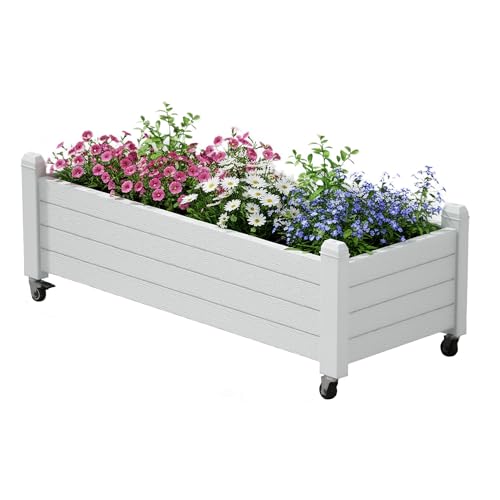
WTFGO Resin Raised Bed with Drain Hole and Water Gauge

WTFGO Elevated Raised Bed with Wheels 33.7″ (Ashen)

WTFGO Resin Raised Bed with Water Detector (Gray)

WTFGO Divisible 33.7″ Resin Bed with Drainage Gauge
A Breakdown Of The Leading Choices
Ground-level beds give roots the most room to spread, and this Vego garden kit leans into that with a 17-inch wall height that suits deep-rooted tomatoes, carrots, and root vegetables. The panels arrive as a modular system that you assemble into one of nine configurations, so the same kit works for a long narrow strip or a wider square depending on your yard.
Compared to fabric pots like the AC Infinity option further down, this bed stays put through wind and weather. The zinc, magnesium, and aluminum coated steel paired with USDA-standard AkzoNobel paint targets a 20+ year service life, which makes it worth the heavier setup effort for anyone planning to grow in the same spot for many years.
Positive Takeaways
- Nine configuration options from one kit, so the bed adapts as your garden plans change.
- 17-inch wall depth suits carrots, parsnips, and other taproot vegetables that struggle in shallow pots.
- Coated steel construction resists rust, which matters in rainy climates where untreated metal fails quickly.
- Long service life reduces the need to replace beds every few seasons.
Worth Noting
- Ground-level framing means assembly and soil filling are more work than elevated options.
- Metal sides heat up in direct summer sun, so mulching the soil surface becomes more than optional in hot zones.
Who It Suits Best
Backyard growers with space to commit and a desire for a permanent, deep-root vegetable bed that handles multiple seasons.
Skip It When
Apartment dwellers and renters will get more from the AC Infinity Heavy-Duty 500G Fabric Pots, which fold flat when moving day arrives.
Fabric pots take a fundamentally different approach than the metal Vego bed. The 500G nonwoven fabric allows air to reach the root zone, which triggers a process called air pruning: when roots hit the fabric wall, they stop circling and branch out instead, producing denser root systems in a smaller container.
The 3-gallon capacity works well for peppers, herbs, and compact tomato varieties, and the five-pack format lets you rotate crops across a single balcony. Built-in metal rings and reinforced stitching handle the rough cycle of moving plants in and out of cover, which matters for anyone chasing seasonal sun or shielding crops from storms.
Useful Strengths
- Air-pruning fabric prevents the root circling that stunts plants in hard plastic pots.
- Folds flat for off-season storage, ideal for renters and small-space gardeners.
- Reinforced stitching and metal rings handle heavy wet soil without tearing.
Things To Consider
- 3-gallon volume suits herbs and peppers more than large tomatoes or root crops.
- Fabric dries faster than plastic, so summer watering may need to step up in hot climates.
Made For
Balcony gardeners and renters growing compact vegetables who need planters that store away when not in use.
A Better Fit Elsewhere
Deep-ground beds like the Vego garden 17″ Tall 9-in-1 Metal Raised Bed offer more soil volume for ambitious backyard plots.
Elevated planters solve the bending problem, and this Vego garden model takes it further with lockable caster wheels. The 2′ x 4′ footprint fits comfortably along a patio wall, and the 700 lb weight capacity handles a fully planted bed of soil and mature vegetables without complaint.
The lower storage rack is a quiet highlight. Tools, fertilizer, and watering cans tuck underneath, which keeps a small patio from turning into a garden-supply graveyard. Compared to the fixed Vego ground bed, this rolling version trades deep soil volume for mobility, so plan root crops for the in-ground option and leafy greens for this one.
Good Reasons To Consider
- Lockable wheels let you chase morning and afternoon sun without lifting the bed.
- Elevated height spares your knees and back during daily watering and harvest.
- Lower storage rack keeps tools accessible and the patio tidy.
- Coated steel and AkzoNobel paint target the same long service life as the ground bed.
Trade Offs
- Elevated design limits soil depth, which constrains large root vegetables.
- Higher position exposes the bed to wind, so anchoring matters on exposed patios.
Right Fit For
Patio gardeners who move with the sun and want a tidy, elevated growing station that doubles as furniture.
Consider Something Else When
Heavy soil loads and home aesthetics point toward the Vego Garden Woodgrain Metal Bed with Legs, which carries a higher weight rating and a warmer finish.
This is the slimmer sibling of the 2′ x 4′ rolling Vego bed, and that narrower footprint changes the math for tight patios and balcony edges. The 1.5-foot width slips past railings and doorways that the wider model cannot navigate.
The 500 lb capacity is plenty for herbs, salad greens, and compact peppers, though heavy fruiting crops like full-size tomatoes may push it. Modern Gray finish pairs cleanly with contemporary exteriors, which is the kind of detail that matters when the bed sits next to outdoor furniture all season.
Reasons It Performs
- Compact 1.5-foot width navigates narrow balcony access points.
- Rolling base keeps the bed mobile without sacrificing the elevated ergonomics.
- Neutral Modern Gray blends with most patio color schemes.
Honest Caveats
- Lower weight rating means less margin for soil-heavy crops.
- Smaller footprint caps the variety count compared to wider beds.
Best Suited To
Apartment and condo gardeners working with limited patio rail space who still want a full elevated bed rather than fabric pots.
Reach For A Different Pick When
Climbing crops like pole beans and indeterminate tomatoes need the vertical trellis of the WTFGO Elevated Raised Bed with Trellis and Wheels.
Wood-look raised beds tend to weather badly after a few seasons, so a metal version with a woodgrain finish is a smart compromise. This Vego Garden bed delivers the warm appearance of timber with the durability of coated steel, which matters for anyone tired of replacing warped boards every few years.
The 1000 lb weight capacity tops the elevated segment of this list and handles dense, moisture-rich soil mixes. The 15-inch planting depth supports most vegetables comfortably, and the lower storage rack returns as a useful feature for keeping frequently used tools within arm’s reach.
Well-Handled Touches
- 1000 lb capacity handles dense soil and mature plants without flexing.
- Woodgrain finish avoids the cold industrial look of plain metal beds.
- Coated steel resists the rust and rot issues that shorten wooden bed life.
- Lower rack keeps gardening tools within reach during daily use.
Points To Note
- Elevated design caps root depth compared to the in-ground Vego 17″ bed.
Who Will Love This
Style-conscious gardeners who want the wood aesthetic without committing to seasonal wood replacement.
Where Another Pick Suits Better
Home growers planning large root crops will do better with the Vego garden 17″ Tall 9-in-1 Metal Raised Bed, which offers deeper soil.
Vertical growing changes everything for small patios, and this WTFGO bed builds the trellis directly into the frame. The 61.2-inch overall height gives pole beans, peas, and vining flowers somewhere to climb without taking over the rest of the patio, and lockable 360-degree swivel wheels keep the structure mobile.
The planter box below the trellis handles the lower-story crops, so a single unit can carry snap peas up top and lettuce or herbs in the base. Compared to the shorter WTFGO 33.7-inch elevated beds, this one trades a lower profile for serious vertical real estate.
Positive Points
- Integrated trellis supports climbing crops without extra staking hardware.
- Tall frame makes efficient use of vertical patio space.
- Swivel wheels let you reposition the bed to follow seasonal light.
A Few Limitations
- Tall structure catches more wind, so the lockable wheels earn their keep in breezy spots.
- Smaller soil base limits root volume compared to the Vego ground bed.
Perfect Match For
Patio gardeners growing climbing crops like pole beans, peas, or small-fruited indeterminate tomatoes in a tight footprint.
Look Elsewhere When
Deep-rooted crops like carrots and parsnips demand the soil volume of the Vego garden 17″ Tall 9-in-1 Metal Raised Bed instead.
Resin planters bring a different material story than the metal and fabric options on this list. They are lightweight, weather-resistant, and forgiving of rookie watering mistakes, which makes this WTFGO model a sensible starter bed for new growers. The integrated water level detector takes the guesswork out of when to water, a small touch that prevents the most common beginner mistake of over- or under-watering.
The 360-degree rotating wheels keep the bed mobile despite the resin construction, and the integrated drain hole with adjustable drainage manages excess water during heavy rains. The Ashen finish stays neutral against most outdoor color schemes.
What It Does Well
- Built-in water level indicator helps new growers avoid over- or under-watering.
- Resin build keeps the bed light enough to move even when planted.
- Drain hole with adjustable flow prevents root rot during wet spells.
Softer Spots
- 13.3-inch height limits the bed to herbs, salad greens, and compact vegetables.
- Resin finish can show scuffs over multiple seasons in full sun.
Built With In Mind
First-time herb growers and indoor-to-outdoor transitions where water management and mobility matter more than soil depth.
Swap It Out When
A gardener who wants a deeper, sturdier bed without the rolling feature should consider the Vego garden Rolling Elevated Bed 2′ x 4′.
The 33.7-inch height on this WTFGO bed sits at a sweet spot for daily gardening, removing the need to kneel or stoop while keeping the soil depth sufficient for most vegetables. Lockable swivel wheels underneath let you chase morning sun or dodge afternoon heat without unloading the bed.
The shorter sibling of the 61.2-inch WTFGO trellis model trades climbing space for a more compact footprint that fits beside patio seating. For most everyday herb and leafy green use, the ergonomic height wins out over vertical real estate, depending on what you grow.
A Strong Showing
- 33.7-inch height eliminates kneeling and reduces back strain during daily tending.
- Swivel wheels make repositioning straightforward on smooth patio surfaces.
- Lower profile than the taller WTFGO model suits seating-adjacent placement.
Points To Keep In Mind
- No integrated vertical trellis, so vining crops require separate support.
- Wheels roll best on hard, flat surfaces rather than uneven lawn edges.
Whose Shelf It Belongs On
Daily-use herb and salad growers who want ergonomic access and the freedom to move the bed with the seasons.
Not Your Match When
Climbing vegetables need the integrated trellis of the WTFGO Elevated Raised Bed with Trellis and Wheels.
This Gray-finished resin bed covers the same fundamentals as its Ashen sibling further up the list, with the same water level detector and drain hole, at a friendlier entry-level price for tight budgets. The 13.3-inch planting height keeps the format consistent with other resin options on this list, focused on herbs and shallow-root vegetables.
The integrated 360-degree rotating wheels and adjustable drainage holes still appear here, so you give up little in daily-use features compared to the slightly pricier Ashen version. The honest read is that this is a value pick for someone stepping into gardening without wanting to commit to a metal frame.
What Makes Sense
- Water level detector removes a common beginner failure point.
- Lightweight resin build suits renters who may relocate between leases.
- Adjustable drain hole helps manage wet-season waterlogging.
Some Limits To Know
- Limited planting depth rules out tomatoes, peppers, and other larger crops.
- Resin construction can degrade in prolonged intense sun over many seasons.
The Right Fit
Budget-conscious first-time growers who want a low-commitment introduction to edible gardening on a balcony or patio.
Another Choice May Suit
Long-term gardeners should step up to the Vego garden Rolling Elevated Bed 2′ x 4′ for greater soil depth and a more durable frame.
The divisible planter tray is the distinguishing feature of this WTFGO bed, letting you split the planting area into sections for different herbs or rotation cycles. Combined with the lower storage shelf, this design treats the bed as a small gardening station rather than just a container.
The 33.7-inch height matches the ergonomic tier, while the drainage gauge adds visual feedback for moisture management. For herb growers who like to keep multiple varieties separated, depending on how you organize your planting, the divisible layout is a meaningful upgrade over a single-tray design.
Bright Spots
- Divisible tray lets you segregate herbs and manage rotation in one bed.
- Lower storage shelf doubles as a tool and supply station.
- Drainage gauge provides at-a-glance moisture feedback.
- Swivel wheels preserve the rolling convenience of the rest of the WTFGO line.
Less-Strong Areas
- Smaller individual sections limit large-root crops within each compartment.
- More parts to assemble than single-tray resin beds.
Who Should Grab It
Multi-herb growers and organizers who want separated planting zones with a built-in tool shelf on a rolling frame.
Where A Sibling Pick Shines
Single-crop gardeners looking for a simpler setup should look at the WTFGO Resin Raised Bed with Water Detector in Ashen.
What Matters Most Before Choosing Planters For Vegetables
Match The Container Depth To The Crop You Actually Grow
Soil depth is the single most consequential attribute in a vegetable planter, because it determines what your roots can physically do. Leafy greens and most herbs produce well in 6 to 10 inches of soil, while peppers, bush tomatoes, and compact root crops need 12 to 15 inches, and deep taproots like carrots and parsnips push for 16 inches or more. The Vego garden 17″ Tall 9-in-1 Metal Raised Bed covers the deep end, while the resin options in the 13.3-inch range suit the shallow end.
Decide Between Ground-Level, Elevated, and Fabric Formats
Ground-level beds like the 17-inch Vego option hold the most soil and stay stable in wind, but they demand bending and a fixed location. Elevated beds raise the soil to standing height and often roll on casters, which helps in tight spaces and for sun tracking. Fabric pots like the AC Infinity set sacrifice rigid structure for root health and storage, which suits renters and tight balconies. The honest read is that none of these is universally better; each fits a specific gardener.
Plan For Watering, Drainage, and Movement
Water management trips up more vegetable gardens than almost any other factor. Built-in water level detectors, like those on the WTFGO resin beds, take a lot of guesswork out of the early months. Drain holes, adjustable drainage, and rolling frames all reduce the chance of root rot and overheating. Rolling frames matter most where the sun angle shifts through the season or where hard surfaces dominate.
Where Shoppers Go Wrong and Where The Extra Money Goes
Pitfalls Shoppers Hit
Most regrets in this category come from buying a planter that looks right but does not fit the available space, or from underestimating how heavy a fully planted raised bed can become. Measure the patio doorway and the intended placement before ordering, and check the loaded weight capacity against the soil volume you plan to fill. A second common slip is choosing a shallow bed for tomatoes or root crops and then watching them stall midseason.
The Case For Spending Up
The jump from budget resin beds to coated-steel Vego models is mostly about long-term durability and structural confidence. Higher-priced beds carry multi-season warranties, deeper soil profiles, and rust-resistant coatings that pay back over years of use. Whether the upgrade makes sense depends on how long you plan to keep the bed, how heavy your soil mix will be, and whether the planter sits in a high-visibility spot where finish quality matters.
Frequently Asked Questions
What size planter do I need for tomatoes?
Compact bush tomatoes produce in 12 to 15 inches of soil, while indeterminate varieties that grow tall need at least that much depth plus a sturdy support. The Vego garden 17″ Tall 9-in-1 Metal Raised Bed handles them best, while the rolling Vego beds work for shorter bush types.
Are fabric grow bags better than plastic or metal planters?
Fabric grow bags like the AC Infinity set promote air pruning, which prevents roots from circling and improves nutrient uptake, especially in small containers. They are not better in every category, but they win for storage, rental-friendly use, and root health in tight spaces.
Do elevated garden beds need drainage holes?
Yes, every elevated bed needs a way for excess water to escape, otherwise waterlogged soil suffocates roots. The WTFGO resin beds include adjustable drain holes for this reason, while the Vego metal beds rely on the open-bottom ground design for natural drainage.
How much weight can an elevated planter hold?
Elevated beds typically support between 400 and 1000 pounds when properly assembled. The Vego Garden Woodgrain Metal Bed with Legs reaches the top of this range, while the smaller Vego rolling bed holds around 500 pounds and the larger rolling version reaches about 700.
Can I leave these planters outside in winter?
Coated steel and resin planters handle winter weather better than untreated wood, though resin can become brittle in prolonged sub-zero cold. The Vego metal line is built for year-round outdoor placement, while the WTFGO resin beds are best moved to a sheltered spot in harsh winters.
The Takeaway
The right planter is the one that matches your space, your crop list, and your watering style. Deep-ground metal beds handle ambitious backyard gardens, rolling elevated beds suit patio life, and resin or fabric options welcome beginners and renters. Choose based on the vegetables you actually want to harvest, and the rest of the season tends to take care of itself.
