

You want a tree that pulls double duty: bright orange-red blooms in spring and a heavy crop of jewel-like arils by autumn. Picking the right pomegranate tree matters because cold hardiness, mature size, and fruit style (seedy versus soft-seeded) shape what your harvest looks like three years from now. This roundup walks through seven live plants suited to different climates, patios, and orchard plans, so you can match a tree to your soil, sun, and patience level.
A Side-By-Side Look

Perfect Plants Russian Pomegranate Tree, 1 Gallon

Perfect Plants Wonderful Pomegranate Tree, 1 Gal

Wekiva Foliage Pomegranate Tree, 3 Gallon Pot
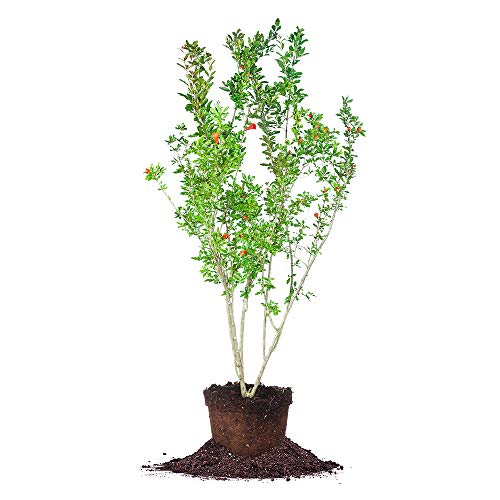
Perfect Plants Wonderful Pomegranate Tree, 2 Gallon

Russian 26 Pomegranate Tree, 1 gal Nursery Pot

Eversweet Pomegranate Tree Live Plant, 2 Gallon
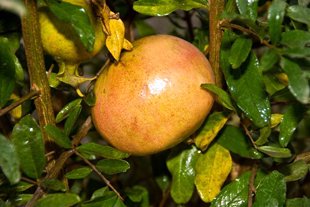
9EzTropical Utah Sweet Fruit Tree Live Plant
The Picks, Examined More Closely
The Perfect Plants Russian Pomegranate ships in a one-gallon nursery pot, sized for gardeners who want a manageable starter that establishes quickly in a prepared bed. Russian-type pomegranates carry a reputation for handling cooler winters than the classic Mediterranean varieties, which matters if you garden in a zone where borderline-hardy trees sometimes fail to leaf out by June.
You get a self-pollinating tree, so a single plant fills out a small patio corner without needing a pollinator partner. The orange-red blooms show up in mid-spring before fruit set, and harvest typically lands in mid-to-late September. For most backyards above zone 6, this lands as a sensible first pomegranate.
Real-World Strengths
- Self-fertile habit removes the need for a second tree to set fruit.
- Russian lineage suggests better tolerance of cooler-zone winters than Mediterranean cultivars.
- One-gallon pot size keeps shipping light and transplant shock manageable.
- Mid-to-late September harvest aligns with late-season orchard planning.
- Spring blooms add ornamental value before fruiting begins.
Things To Consider
- One-gallon starters often need two to three growing seasons before a meaningful crop appears.
- Not suited to indoor growing, so northern growers need a winter protection plan.
Who It Suits Best
Cooler-climate gardeners wanting a hardy pomegranate who don’t mind waiting a couple of seasons for a real harvest.
Skip It When
You want fruit within the first year, in which case the Wekiva Foliage 3-gallon pomegranate tree arrives with a more developed root system and a head start.
The Wonderful is the pomegranate most people picture: the deep red rind, the dense crown of arils, the classic sweet-tart flavor. Perfect Plants ships this cultivar in a one-gallon pot, aimed at gardeners who want the familiar grocery-store variety without paying for a five-gallon specimen.
Compared to the Russian pomegranate above, the Wonderful leans into warmth and fruit size over cold tolerance. You get a self-pollinating tree, the same mid-to-late September harvest window, and ornamental orange-red flowers in early spring. In warmer zones, this tree tends to throw more fruit per branch once established.
What Stands Out
- Self-pollinating, so a single tree covers a small yard or patio.
- Wonderful is the standard commercial cultivar, known for consistent fruit size.
- Spring blooms offer ornamental appeal before the fruiting phase.
Worth Noting
- Hardy only in warmer zones, so northern sites lose branches in hard freezes.
- One-gallon size means a multi-season wait before serious production.
- Young Wonderful trees sometimes drop fruit in the first year as the root system catches up.
Quick Facts
Made For
First-time pomegranate growers in zones 7 through 10 who want the classic, widely recognized Wonderful variety.
A Better Fit Elsewhere
If you garden in a colder zone and want a tree that shrugs off hard winters, the Perfect Plants Russian Pomegranate is the safer bet.
The Wekiva Foliage pomegranate arrives at three to five feet tall in a three-gallon container, which puts it well ahead of the typical one-gallon starter. The taller stature means a more developed root system and a shorter wait before you see real flowering.
Where the Perfect Plants picks above lean into compact starter size, this one trades a heavier shipment for faster establishment. Tubular red-orange blooms open in late May through early June, and fruit ripens from September into October. Soil-wise, pomegranates adapt to a wide pH range, though a reading between 5 and 7 tends to deliver the best growth.
A Few Strong Suits
- Three-gallon container ships a tree that already has a year or two of growth.
- Fruit ripens over a long September-to-October window for staggered harvesting.
- Tolerates soil pH from 5 to 7, making it forgiving of varied yard conditions.
- Compact enough for large patio containers in warm zones.
Trade Offs
- Larger pot adds shipping weight and cost.
- Will not survive hard freezes, so cold-zone growers need container mobility or winter protection.
Right Fit For
Patio gardeners and orchard starters who want a larger tree that produces sooner than one-gallon alternatives.
Consider Something Else When
You garden in a tight northern zone and need cold resilience, in which case the Perfect Plants Russian Pomegranate is the stronger match.
The two-gallon Wonderful sits between Perfect Plants’ one-gallon starter and the bigger three-gallon Wekiva option. Same Wonderful cultivar as Pick 2, but with an extra season of root growth already in the pot, so the transplant settles in faster.
This is the upgrade path when you like everything about the one-gallon Wonderful above but want a head start on fruit. You still get a self-pollinating tree, the same mid-to-late September harvest window, and the orange-red spring flowers that double as an ornamental feature.
A Favorable Mix
- Two-gallon root ball transplants with less shock than one-gallon stock.
- Same self-fertile Wonderful cultivar trusted by commercial growers.
- Spring blooms and fall fruit give a tree two seasons of visual interest.
Points To Note
- Heavier and costlier to ship than the one-gallon version.
- Wonderful still prefers warm-zone conditions and will struggle below zone 7.
Best Suited To
Growers who already chose the Wonderful and now want the same variety with a faster path to first fruit.
Reach For A Different Pick When
If your priority is soft-seeded fruit for fresh snacking, the Pixies Gardens Eversweet pomegranate tree makes more sense.
Russian 26 is a cold-tolerant pomegranate cultivar that earns its place in tougher climates. The tree ships at 12 to 18 inches tall in a one-gallon nursery pot, and at maturity it stretches to about 10 to 12 feet high with an 8 to 10 foot spread, so plan for room.
Agricultural restrictions mean this tree cannot ship to California, Arizona, Alaska, or Hawaii, which is worth checking before checkout. Soil preference leans toward well-drained loam with a slightly acidic to neutral pH around 5.5 to 7.0, and a yearly late-winter trim keeps the canopy open and productive.
Where It Excels
- Hardy cultivar that tolerates colder winters than most pomegranate types.
- Mature size and spread make it a true landscape tree, not just a shrub.
- Pruning guidance is straightforward for gardeners with fruit-tree experience.
- Adapts to loamy soils in a moderate pH range.
- Established air-circulation habit reduces fungal issues in humid climates.
Honest Caveats
- Cannot ship to CA, AZ, AK, or HI due to agricultural regulations.
- Mature footprint of 10 by 10 feet rules out small patio plantings.
Technical Sheet
Who Will Love This
Backyard growers in colder zones who want a real landscape tree, not a container experiment, and have the space to let it mature.
Not Your Match When
If you live in a state on the shipping restriction list or want a patio-sized pomegranate, the Perfect Plants Wonderful in a one-gallon pot is a tighter fit.
The Eversweet from Pixies Gardens breaks from the seedy Wonderful and Russian types by focusing on soft-seeded, sweet arils you can eat without picking out hard seeds. It ships as a live two-gallon plant ready for in-ground or large container planting.
This is the choice when you mostly want to snack on fresh arils straight from the rind, juice the fruit, or toss seeds into salads without the gritty texture. The two-gallon root system gives it a reasonable establishment window once you transplant, though you should still expect a season or two of root-building before full production.
Strengths Worth Knowing
- Soft-seeded fruit makes fresh eating and juicing much easier.
- Two-gallon container gives a faster establishment than one-gallon stock.
- Suited to in-ground orchards, home gardens, and outdoor patio planters.
Smoke Points To Note
- Specific mature dimensions are not listed, so plan spacing based on the standard pomegranate growth habit.
Perfect Match For
Home orchard growers and fresh-eating fans who want soft-seeded arils without wrestling with hard seeds.
Where A Sibling Pick Shines
For gardeners who prefer the classic seeded Wonderful flavor profile, the Perfect Plants Wonderful pomegranate tree is the natural alternative.
The 9EzTropical Utah Sweet ships at about a foot tall in a four-inch pot, which makes it the smallest starter on this list. For gardeners willing to nurse a young tree through its first couple of seasons, the smaller pot typically means a lighter shipment and a friendlier price.
The Utah Sweet cultivar leans toward cooler-zone tolerance, similar in spirit to the Russian types above. A one-foot transplant needs careful watering and staking in its first year, but it transplants cleanly into a four-inch starter pot and adapts to most well-drained soils.
What Pays Off
- Compact four-inch pot keeps shipping light and inexpensive.
- Utah Sweet lineage suggests reasonable cold-zone performance.
- Small starter size fits budget-minded orchard builders.
Points To Keep In Mind
- One-foot starter means a long wait before meaningful fruit production.
- Smaller root mass is more vulnerable to drought stress in the first summer.
- Starter-size trees sometimes need staking until the trunk firms up.
- Cultivar-specific details (mature size, bloom color) are not listed by the seller.
Who Should Grab It
Budget-conscious gardeners with patience to grow a pomegranate from a small starter over several seasons.
Swap It Out When
If you want a tree that arrives closer to fruiting age, the Wekiva Foliage three-gallon pomegranate tree is the faster route.
Choosing The Right Pomegranate For Your Yard
Climate And Cold Hardiness
Your USDA hardiness zone decides which cultivars will actually thrive. Russian-type pomegranates like the Perfect Plants Russian or Russian 26 tolerate colder winters, while Wonderful varieties prefer warmer zones. Pomegranates love full sun, ideally eight hours a day, and well-drained soil that doesn’t stay waterlogged after heavy rain.
Tree Size And Space Planning
Mature height and spread matter more than starter size. A Russian 26 can stretch to 10 by 10 feet at maturity, while Wonderful and Eversweet trees often top out lower when pruned as shrubs. Smaller lots benefit from compact cultivars kept as bushes, while roomier backyards can let a tree reach full landscape scale.
Fruit Style And Harvest Goals
Wonderful types give the classic seedy arils great for juicing, while Eversweet offers soft-seeded fruit you can eat fresh without picking out hard seeds. Bloom color stays similar across cultivars (orange-red tubular flowers in spring), but ripening windows run from mid-September into October, depending on variety.
Pot Size And Time To First Fruit
One-gallon starters mean a two to three year wait before serious production. Two- and three-gallon trees arrive with more developed roots and typically fruit sooner, assuming strong sun and consistent watering. Match your patience level to the pot size you can afford.
Key Considerations Across These Picks
Pitfalls Shoppers Hit
A common misstep is picking a Wonderful-type pomegranate for a cold-zone yard, then watching it die back every winter. Match cultivar to zone first, not fruit style. Another trap is buying a one-gallon starter expecting fruit the next year; pomegranate trees build roots before they build crops, so plan for multi-year establishment.
What The Higher Tier Buys
Spending more for a two- or three-gallon tree typically buys a year or two of root development, which shortens the time to first meaningful harvest. You also pay for a larger, more transplant-resilient root ball that handles shipping stress better. For gardeners who want fruit sooner rather than later, the jump from one gallon to three is where the real value lives.
Frequently Asked Questions
How long until a pomegranate tree produces fruit?
Most pomegranate trees take two to three years to produce a meaningful crop, even when shipped in larger containers. One-gallon starters often need an extra season beyond that.
Do pomegranate trees need full sun?
Yes, pomegranates thrive in full sun with at least eight hours of direct light daily. Shaded planting leads to leggy growth and weak fruit set.
Can pomegranate trees grow in containers?
Yes, especially Wonderful and Eversweet varieties in moderate climates. Use a large container with good drainage and plan to repot every few years as the tree matures.
What soil pH do pomegranates prefer?
Pomegranates tolerate a pH range of roughly 5 to 7, with slightly acidic to neutral loam being ideal. Heavy clay soils should be amended with compost to improve drainage.
When do pomegranate trees bloom and ripen?
Most pomegranate varieties bloom in mid-to-late spring with orange-red tubular flowers. Fruit ripens from mid-September into October, depending on cultivar and climate.
Bottom Line
A pomegranate tree rewards patient gardeners with spring blooms, fall fruit, and a sculptural presence in the yard. Match the cultivar to your climate first, then choose a pot size that fits your timeline for first harvest. Any of these seven trees can anchor a productive home orchard with the right sun, soil, and a couple of seasons of care.
