

An orchid in the wrong pot is a slow lesson in root rot. Phalaenopsis and other popular orchids send roots into the air, then into the mix, and they suffer fast when water sits at the base. A good pot gives the roots air, lets excess water escape, and holds the plant steady without suffocating the rhizome. This lineup focuses on ceramic orchid pots with proper side and bottom ventilation, plus a couple of options for mixed plant collections. Each pick has been chosen for a specific kind of grower, from a sunny windowsill to a shaded office corner.
The Lineup, Simplified

Metahom 4.9 Inch Ceramic Pots, Colorful Set of 4
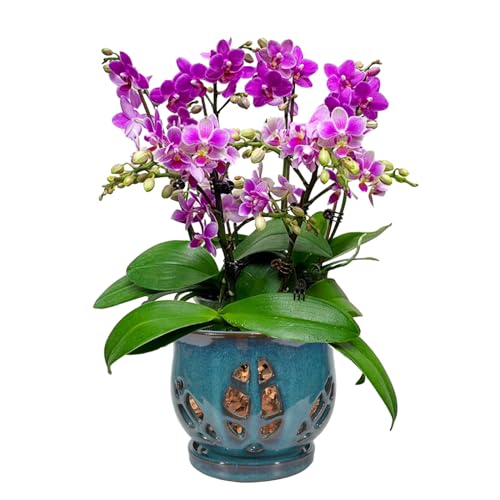
W&W Orchid Pot with Holes and Saucer, Teal, 6.5″

W&W Ceramic Orchid Pot, Blue, 7″

Grdthzey 6″ Round Ceramic Orchid Pot, Dark Blue

Grdthzey 6″ Ceramic Orchid Pot, Red

Grdthzey 6″ Ceramic Orchid Pot, Moss Green

YIBOXUAN Terracotta-Style Plant Pots, 8+6 Inch Set

Grdthzey 5″ Ceramic Orchid Planter, Set of 2

W&W Orchid Pot, Cream White, 9.7″

Grdthzey 5.5″ Square Ceramic Orchid Pot, Purple
The Strengths Of Each Pick
Most orchid-specific pots focus on function, not color, and that gets old on a sunny shelf. The Metahom set flips the script with four small ceramic pots finished in different bold colors and decorated with geometric patterns, so you can rotate them through a plant cluster without everything looking uniform.
Each pot measures around 4.9 inches wide and roughly 4.2 inches tall with the saucer included, which suits small to medium starter orchids and a wide range of leafy houseplants. The trade-off is that these are decorative pots rather than aerated orchid planters, so you’ll want to keep an orchid in a slotted inner pot and drop it into one of these for display. That layering approach keeps the look clean and the roots breathing.
Why It Works Well
- Four different colors in one box, so you can stage an entire shelf in a single purchase
- Glazed ceramic finish wipes clean easily if water or fertilizer splashes the rim
- Compact 4.9-inch footprint fits standard windowsills, narrow shelving, and crowded desks
- Safer for mixed use than bare porous terra cotta, since the glaze slows moisture loss through the wall
Things To Consider
- These are not slotted orchid pots, so a nested inner pot is the practical way to keep roots aired
- Smaller volume means watering frequency rises during warm summer stretches
Who It Suits Best
Casual plant collectors who want a coordinated set for a small shelf, with orchids grown in slotted inner liners for airflow.
Where Another Pick Suits Better
Skip this and grab the W&W Orchid Pot with Holes and Saucer (Teal, 6.5″) if you want a single purpose-built orchid pot with built-in aeration.
Most beginner orchid losses trace back to water sitting at the base. The W&W Teal pot is engineered around that exact problem, with sidewall holes that move air across the roots and a bottom hole that lets excess water run out into a matching glazed saucer.
At 6.5 inches, this is a sensible step up from a 4-inch nursery pot, which is the standard recommendation when a Phalaenopsis has outgrown its original container. The teal glaze holds color well in bright light and doesn’t show hard-water spots the way pure white does, which matters if you water from the tap.
What Works In Its Favor
- Purpose-built orchid pot with side ventilation rather than a generic planter with one bottom hole
- Matching saucer keeps furniture safe without buying a separate drip tray
- Teal glaze hides mineral residue between cleanings
- 6.5-inch size is a natural step up from a 4-inch nursery pot
Worth Noting
- Glazed ceramic is heavier than plastic, so relocating the plant once it’s potted takes more care
- Side holes mean the pot needs a chunkier bark mix to keep medium from washing out
Feature Snapshot
Right Fit For
Intermediate Phalaenopsis growers repotting out of a starter 4-inch pot and wanting a single purpose-built vessel.
Swap It Out When
Pick the W&W Orchid Pot in Cream White, 9.7″ instead if your plant is a large specimen with extensive aerial roots.
The 6.5-inch Teal version is a solid standard, and the 7-inch Blue pot is the same logic with extra room. Stepping up an inch gives a mature Phalaenopsis more space for its wandering aerial roots to settle in without circling or suffocating.
The blue glaze is deeper than the teal, which makes a single plant read as a deliberate accent on a neutral shelf. It still uses the same bottom hole and sidewall aeration pattern, so you’re not trading drainage for size.
What It Does Well
- Larger 7-inch diameter supports a Phalaenopsis with extensive root growth
- Same aeration design as the 6.5-inch sibling, so watering habits carry over cleanly
- Deeper blue glaze reads well against white walls and pale wood
Points To Note
- Bigger pot dries out slower in cool rooms, so overwatering becomes a real risk
- Heavier than plastic, so consider the shelf weight before committing to a multi-plant display
- Color may look different on screen than in person, depending on glaze batch
Who Should Grab It
Owners of mature Phalaenopsis orchids that have outgrown a 5 or 6-inch pot and need a permanent home.
Not Your Match When
Reach for the W&W Cream White, 9.7″ pot if your plant is a large specimen that needs an even bigger vessel.
Where the W&W line stops at one bottom hole, the Grdthzey 6-inch pot surrounds the plant with aeration slots all the way around the body. That wider opening of side ventilation is the closest you get to a slotted mesh orchid pot while keeping a clean glazed exterior.
At roughly 6.29 inches wide and 5.11 inches tall, this is a comfortable size for a mid-stage Phalaenopsis. The dark blue glaze grounds the visual weight of a plant with heavy roots, so the pot holds its own under a tall flower spike.
Real Benefits
- All-around side aeration supports heavier watering routines without trapping moisture
- Attached saucer keeps the whole unit stable on a narrow shelf
- Dark blue finish hides hard-water rings between wipe-downs
Trade Offs
- Finer bark mixes may sift out through the side slots, so a medium-to-chunky orchid mix is the practical call
- Round shape uses more counter space than a square pot of the same diameter
Key Attributes
Made For
Watering-heavy growers who want maximum airflow and don’t mind using a chunkier orchid bark mix.
Skip It When
Choose the Grdthzey 5.5″ Square Orchid Pot in Purple instead if a square footprint fits your shelf better.
Most orchid pots stay in safe neutral territory. This Grdthzey model leans the other way with a glossy red glaze that turns the pot into a deliberate accent piece. That matters on a pale wall or a light wood shelf where a beige pot tends to disappear.
At 6 inches wide and 6 inches tall, the pot is taller than wide, which suits upright plants and the longer flower spikes of mature Phalaenopsis. The bottom drainage hole keeps the watering routine standard, and the matching saucer means no separate drip tray to hunt down.
Everyday Advantages
- Bold red glaze doubles as décor and is easy to spot across a crowded shelf
- Equal width and height give roots more vertical room to settle
- Fully glazed interior slows moisture loss through the wall in dry rooms
Honest Caveats
- Strong color reads as a commitment, so mixing it into a calm neutral scheme takes some thought
- Like all-ceramic pots, it can crack if dropped on a hard floor during repotting
Perfect Match For
Growers who want one statement orchid on a side table or entryway console and prefer a pot with real visual presence.
Reach For A Different Pick When
Look at the Grdthzey 6″ Moss Green pot instead if you want a calmer color that recedes into a foliage-heavy corner.
The same chassis as the Grdthzey Dark Blue, but in a moss green that blends into a foliage-heavy plant room rather than competing with it. If you have multiple orchids staged on a shelf, this color is the one that recedes and lets the blooms lead.
The 6.29-inch diameter and roughly 4.13-inch interior depth give roots enough room to spread without sitting in a deep reservoir of wet mix. Side aeration slots around the body do the real work, keeping the root zone from getting stagnant after a thorough soak.
Everyday Wins
- Moss green glaze is forgiving alongside trailing pothos and other foliage plants
- Side slot pattern promotes airflow even when the pot is pushed against a wall
- Attached saucer keeps watering mess contained on a wood shelf
Smaller Limitations
- Green glaze can show white mineral buildup in hard-water areas over time
- Round footprint wastes some shelf space compared with a square pot
Who Will Love This
Multi-plant collectors who want a calm, consistent look across a group of orchids and leafy houseplants.
Look Elsewhere When
Pick the W&W Orchid Pot in Teal, 6.5″ if you prefer a single bottom hole over the more open side-slot design.
Not every plant in your collection is an orchid, and buying a special aerated pot for each one gets expensive. The YIBOXUAN set gives you two sizes in one purchase, a roughly 7.87-inch pot and a 5.91-inch pot, with a white and terracotta look and botanical decals that suit herbs, succulents, and small flowering houseplants.
Each pot ships with a mesh drainage pad and a silicone plug, so you can choose between open drainage for thirsty plants and a closed base for those that prefer a drier mix. Handmade construction with high-temperature firing means the decals are built to resist fading and cracking in normal indoor light.
Notable Upsides
- Two different sizes in one box for staged displays or grouped herbs
- Mesh pad plus silicone plug gives drainage control per plant type
- Decorative decals add visual interest without competing with the plants
Trade-Offs To Consider
- Not specifically an orchid pot, so no side aeration for epiphytic root systems
- Handmade decals may show slight pattern variation between the two pots
Quick Facts
Best Suited To
Mixed indoor gardeners growing herbs, succulents, and decorative houseplants alongside their orchid collection.
Another Choice May Suit
Pick the Grdthzey 5″ Ceramic Orchid Planter Set of 2 if you want the same multi-pot value but with proper side aeration for orchids.
For growers building a small collection, paying full price for two single pots adds up. This Grdthzey set ships two 5-inch aerated orchid pots together, with side and bottom ventilation built in and a matching attached saucer on each one.
The carved pattern in the ceramic isn’t just decorative. Those openings act as air channels around the root ball, which is a quiet upgrade over a plain glazed pot that only drains at the bottom. At 4.92 inches wide and 4.52 inches tall, each pot suits a young or recently divided orchid.
The Upside
- Two pots in one purchase, useful for matched displays or new divisions
- Carved side openings move air across the roots beyond what a single bottom hole allows
- Saucers have padded feet to protect wood shelves from scratches
Minor Gripes
- 5-inch size runs small for a fully mature Phalaenopsis with a long flower spike
- Carved pattern means finer orchid mixes can sift out during watering
Whose Shelf It Belongs On
Beginners repotting a recently acquired mini Phalaenopsis or two, especially in a small apartment or office.
Where A Sibling Pick Shines
Step up to the W&W Orchid Pot in Teal, 6.5″ if your plant is past the 5-inch stage and needs a more permanent home.
The 9.7-inch Cream White pot is the largest of the W&W orchid line, designed for specimen plants that have spent years building out a wide root system. It’s a meaningful jump from the 6.5 and 7-inch siblings in the same family.
The cream glaze stays neutral against any décor, and at this size, the pot is genuinely heavy once planted. Plan a permanent spot on a sturdy surface before repotting, since moving a fully potted specimen later is no fun.
The Helpful Details
- Large 9.7-inch diameter gives a mature, multi-growth orchid room to expand
- Same side and bottom aeration as the smaller W&W pots, so watering habits transfer cleanly
- Cream white glaze reads as calm and lets the plant and flowers stay the focus
Practical Considerations
- Heavy once filled with bark mix, so the chosen shelf must support the weight long-term
- Larger volume holds moisture longer, raising the risk of overwatering in a cool room
Core Details
Built With In Mind
Long-time orchid keepers with a single large Phalaenopsis or Cattleya that has outgrown smaller nursery-style pots.
Consider Something Else When
The Grdthzey 6″ Dark Blue is a more manageable step for a mid-size plant that doesn’t need a 9.7-inch vessel.
Round orchid pots leave awkward gaps on square shelves and windowsills. The Grdthzey 5.5-inch Square Orchid Pot in purple takes the same aeration logic and puts it in a square footprint, so two or three can sit side by side without wasting space.
At 5.5 inches wide and 5.2 inches tall, the pot is well suited to a young Phalaenopsis or an office orchid. The purple glaze reads as playful without being loud, and the bottom drainage hole keeps the watering routine the same as any standard orchid pot.
The Case For It
- Square footprint lines up cleanly on a windowsill or shelf edge
- Compact 5.5-inch size works for tight desks, kitchens, and small apartments
- Side aeration and bottom hole keep the root zone aired out
Where It Is Less Suited
- Smaller volume means watering frequency rises in warm, dry rooms
- Bold color reads as a commitment in calm, neutral interiors
Who It Suits Best
Urban dwellers with limited shelf space who still want a properly aerated pot for a young orchid.
A Better Fit Elsewhere
The W&W Orchid Pot in Cream White, 9.7″ is the smarter pick if your plant is fully grown and the shelf can handle the size.
What Matters Most Before Choosing Pots For Orchid
Orchid roots behave differently from the roots of typical foliage plants. Most popular orchids are epiphytes, meaning they grow on trees in nature, with roots that reach into the air rather than deep into soil. A pot that traps moisture at the bottom slowly suffocates those roots and invites rot, so drainage and airflow are the two non-negotiables. A bottom hole handles the basics, while side slots and ventilation openings give the root zone the air movement it’s adapted to.
Size is the second decision. Repotting an orchid into a pot that is much larger than its current root mass leaves wet, unused mix around the roots, which raises rot risk. The conventional rule is to step up only one to two inches in diameter at a time. A 4-inch starter Phalaenopsis moves to a 5 or 6-inch pot, and a 6-inch plant eventually graduates to a 7 or 8-inch vessel.
Material shapes daily care more than most people expect. Glazed ceramic holds moisture longer, so watering frequency drops, and the pot feels substantial on a shelf. Unglazed terracotta wicks moisture through the wall, which suits growers who tend to overwater but dries out fast in warm rooms. Plastic is light and cheap but doesn’t breathe at all unless it has built-in slots.
Color and shape are worth thinking about too. Darker glazes hide hard-water spots between wipe-downs, while pure white shows every mineral ring. Square pots align cleanly on a shelf, round pots allow more root spread in the corners, and tall narrow pots suit upright plants with vertical flower spikes. The right call depends on the shelf you have and the look you want it to hold.
Key Considerations Across These Picks
Pitfalls Shoppers Hit
The most common error is choosing a pot without any side ventilation, then watering on the same schedule used for a regular houseplant. Water pools at the base, roots suffocate, and the plant declines in ways that look like a care failure but are really a pot failure. Another slip is sizing up too aggressively, since a pot that’s much larger than the root ball holds excess moisture in the unused mix.
A subtler mistake is ignoring the pot weight once it’s filled. A 9.7-inch ceramic pot full of bark mix and a mature plant is genuinely heavy, and a thin floating shelf or a wobbly plant stand won’t hold it. Plan the final spot before the repotting day so you’re not shuffling a 15-pound arrangement across the room.
What The Higher Tier Buys
The larger W&W and Grdthzey pots in this lineup cost more for a reason. Thicker ceramic walls, more uniform glazing, and a more consistent aeration pattern all show up in how the pot ages. A cheaper ceramic pot can craze, or develop fine cracks in the glaze, over a few seasons of use, while a better-built one keeps its seal and finish.
The upgrade is most justifiable for a long-term specimen plant, since the pot will likely stay in use for years. For a starter orchid that’s still being sized up every season or two, a mid-tier pick like the 5-inch Grdthzey set covers the same core need for less money.
Frequently Asked Questions
Do orchids really need pots with holes?
Yes. Orchid roots need air around them, and a single bottom hole is the minimum. Side holes and ventilation slots go further by moving air across the root zone between waterings, which mirrors how roots behave in the wild.
How often should I repot an orchid?
Most Phalaenopsis orchids need repotting every one to two years, typically after flowering finishes. Fresh bark mix restores airflow around the roots, and a slightly larger pot accommodates new growth.
Can I use a regular ceramic pot without holes for an orchid?
Not as a long-term home. A no-hole pot traps water at the base, and the roots will eventually rot. Double-potting, where the orchid sits in a slotted inner pot inside a decorative no-hole cover, is a workable compromise for display purposes.
What size orchid pot should I buy?
Match the pot to the root mass, not the foliage. A healthy Phalaenopsis with roots filling a 4-inch pot is ready for a 5 or 6-inch pot. Going much larger leaves unused wet mix that the roots can’t dry out.
Is terracotta or glazed ceramic better for orchids?
Both work, with different watering rhythms. Unglazed terracotta dries faster, so it’s a good choice for heavy waterers. Glazed ceramic holds moisture longer and suits growers who underwater or keep plants in dry indoor air.
Bottom Line
The right orchid pot comes down to matching the root zone to the plant in front of you. For most Phalaenopsis growers, a 6 to 7-inch ceramic pot with side and bottom ventilation covers the everyday case, and the W&W and Grdthzey picks in this list handle it well. Build from there based on your plant’s size, your watering style, and the shelf you have in mind, and your orchid will have a much easier time rewarding you with another bloom cycle.
