

Rosemary has a reputation for being a little dramatic about its roots. Give it soggy soil and it sulks, leave it rootbound and it sulks even harder. The right pot solves most of that drama before it starts, which matters for apartment dwellers, kitchen-counter growers, and patio gardeners who just want fresh sprigs within arm’s reach. This roundup covers eight containers that handle drainage, depth, and dry-soil preferences well. You’ll see dedicated herb kits alongside simple ceramic planters, so there’s a fit for beginners starting from seed and for seasoned cooks upgrading from a cracked terracotta pot.
The Picks In Brief

Xiaan Jiaju Modern Farmhouse Ceramic Planter & Vase

Xoogifae Ceramic Flower Pot with Drainage & Saucer

D’vine Dev 6.5 Inch Ceramic Planter Pot, Olive

E-liu 11+14 inch Ceramic Plant Pots Set of 2
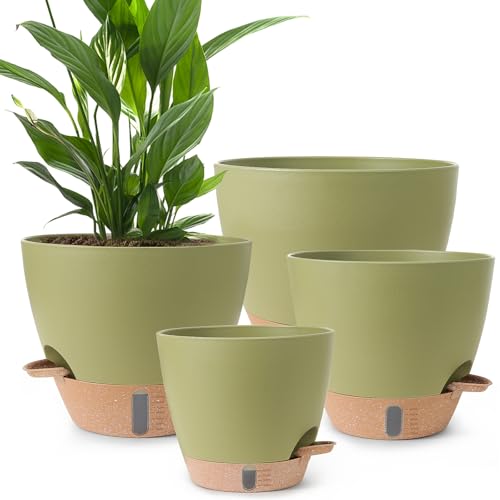
WEICHENGXING Self Watering Plastic Pots with Reservoir

ROOTCRAFT 10 Herb Garden Planter Indoor Starter Kit

ROOTCRAFT 5 Herb Starter Kit with Wooden Box

ROOTCRAFT 5 Herb Starter Kit with Wooden Box
Why These Options Stand Out
The Xiaan Jiaju Modern Farmhouse Ceramic Planter brings a quiet, country-style silhouette to a sunny windowsill or kitchen shelf. Its glazed ceramic body holds moisture more evenly than thin terracotta, while a built-in drainage hole keeps excess water from pooling around rosemary’s notoriously fussy roots. Compared to the E-liu set later in this list, this one leans decorative rather than oversized, so it works best as a single-specimen home for a small rosemary cutting.
Owners commonly report that the weight gives it a planted, stable feel on a countertop, and the matte farmhouse finish hides minor water spots between waterings. The trade-off is capacity: rosemary’s root system wants room to stretch, so this is really a starter home, not a forever pot for a mature plant.
Good Reasons To Consider
- Drainage hole is built in, which is the single biggest factor for rosemary’s dry-soil preference.
- Glazed ceramic helps moderate moisture loss between waterings for casual schedules.
- Farmhouse styling blends into kitchens, dining rooms, and entryway consoles without clashing.
- Sturdy weight keeps a top-heavy rosemary cutting from tipping when it grows woody.
Things To Consider
- Smaller volume means you’ll likely transplant a thriving rosemary into something larger within a year.
- Glazed ceramic can develop mineral deposits on the outer rim if you water heavily, so a quick wipe each month keeps it tidy.
Made For
Apartment dwellers and home cooks who want one statement rosemary plant styled on a sunny shelf rather than a full herb lineup.
Consider Something Else When
You’re building a multi-plant herb corner and need matching larger containers, in which case the E-liu 11+14 inch Ceramic Plant Pots give you breathing room.
The Xoogifae Ceramic Flower Pot leans into character. A high-temperature crackle glaze (a finishing technique where the surface is intentionally fractured and resealed with color, producing the vein-like pattern you see across the pot) covers the body in vintage-style veining, and the included saucer catches runoff so your wood shelf stays dry. Rosemary sits well in a pot like this because the drainage hole lets water pass instead of sitting at the root crown, where rot tends to start.
Unlike the sleeker Xiaan Jiaju farmhouse pick above, this one carries more visible texture, which appeals to anyone styling a cottage, boho, or eclectic kitchen. You’ll want to handle the saucer carefully during cleaning since the matching ceramic chip along the rim is the most commonly reported owner complaint.
Why It Works Well
- Hand-distressed crackle finish gives each pot slight visual variation, so no two look identical.
- Matched ceramic saucer protects counters and tabletops from drainage overflow.
- Compact footprint suits apartment counters and small windowsills where space is tight.
- Glazed surface wipes clean with a damp cloth, no special products required.
Worth Noting
- The crackle finish can show hard-water spots more visibly than solid glazes, so plan on light wiping.
- Saucer is ceramic rather than rubber-padded, so it may slide on smooth granite or quartz counters.
Key Specs
Right Fit For
Renters and design-focused cooks who want a pot that doubles as a piece of décor on a coffee table or open shelf.
Look Elsewhere When
You want a self-contained watering system for travel-heavy weeks, in which case the WEICHENGXING Self Watering Plastic Pots handle that brief better.
The D’vine Dev 6.5 Inch Ceramic Planter is a tidy little cylinder that quietly does its job. It’s a small 6.5-inch-diameter pot, roughly 6.6 inches tall, and it comes with a removable ceramic saucer plus a mesh net to keep soil from washing through the drainage hole. For rosemary specifically, you may find the 6.5-inch diameter best for a young plant or a propagated cutting rather than a mature woody shrub.
The olive glaze gives it a calm, neutral look that disappears into most kitchens. It also includes small tabletop pads, a thoughtful touch for protecting wood finishes that the larger Xoogifae pot above skips.
What Helps Most
- Detachable ceramic saucer makes it easy to empty excess water without lifting the whole pot.
- Mesh net over the drainage hole keeps soil in place during heavy watering.
- Tabletop pads protect counters from scratches and condensation rings.
- Glazed ceramic body distributes heat evenly on a sunny sill, avoiding hot spots against the roots.
Trade Offs
- Small diameter means a fast-growing rosemary will need repotting within a season or two.
- Holds about 0.5 gallons of soil, which dries out quicker than larger pots in warm kitchens.
Quick Facts
Who It Suits Best
Beginners propagating rosemary from cuttings, or anyone outfitting a tight apartment windowsill where footprint matters more than long-term root room.
Skip It When
You’re upgrading to a mature rosemary plant with a developed root ball, in which case the E-liu 11+14 inch Ceramic Plant Pots offer the depth mature herbs need.
The E-liu Ceramic Plant Pots arrive as a matched pair, one 11-inch and one 14-inch, both finished in a smooth glossy white. Each pot has three drainage holes at the base and a separate ceramic tray to catch overflow, which is more thorough drainage than the single-hole Xoogifae and D’vine Dev options reviewed above. For rosemary, that generous depth is exactly what the plant craves once it’s past the seedling stage.
Glossy white ceramic keeps the focus on the plant’s silvery-green needles rather than the container. If your kitchen leans minimalist, this set disappears into the background in the best way.
Practical Advantages
- Three drainage holes per pot reduce the risk of waterlogging even with occasional overzealous watering.
- Tiered sizing lets you dedicate the larger 14-inch pot to a mature rosemary and the 11-inch to a smaller herb companion.
- Smooth glossy inner finish is easier to wipe clean during repotting than unglazed terracotta.
- Ceramic tray sits flush against the base, so condensation drips land where they should.
Room For Improvement
- Two pots take up meaningful floor or shelf space, so a corner planter stand helps in compact apartments.
- White ceramic shows cooking splatter and dust more visibly, requiring the occasional wipe-down.
Best Suited To
Home gardeners planting rosemary as a permanent kitchen feature, or anyone who wants to match pots across two different herb sizes without buying separately.
A Better Fit Elsewhere
You want one compact pot for a single cutting and don’t need a second, in which case the D’vine Dev 6.5 Inch Ceramic Planter Pot is a tighter, single-unit choice.
The WEICHENGXING Self Watering Plastic Pots flip the usual rosemary care script. Instead of relying on you to water on a strict schedule, each pot has a built-in reservoir with a cotton wick that pulls moisture up into the soil as it dries. The set comes in four sizes, 12, 10, 9, and 8 inches, so you can match a pot to a plant rather than the other way around.
Worth noting though: rosemary prefers its soil on the drier side, so you’ll want to fill the reservoir sparingly rather than keep it topped off. Most owners report good results by treating the reservoir as a backup safety net for hot summer windowsills or weekend trips.
The Practical Payoff
- Detachable watering device makes refilling and cleaning the reservoir straightforward.
- Four-size bundle gives flexibility for grouping several herbs at different growth stages.
- Plastic construction keeps the pots light enough to rearrange without dragging.
- Wick-fed watering reduces the daily vigilance rosemary sometimes demands.
A Few Limitations
- Plastic body breathes less than ceramic, so over-eager reservoir refills can lead to soggy soil rosemary dislikes.
- Larger 12-inch size takes up serious floor space, so plan its spot before unboxing.
- Plastic finish won’t match a curated ceramic-heavy kitchen aesthetic.
Who Will Love This
Busy households and frequent travelers who forget to water on a fixed schedule but still want a thriving rosemary plant when they return.
Reach For A Different Pick When
You’d rather match a high-end ceramic kitchen aesthetic, in which case the E-liu 11+14 inch Ceramic Plant Pots offer a similar tiered look in ceramic instead.
The ROOTCRAFT 10 Herb Garden Planter Indoor Kit is the closest thing on this list to a starter package. You get burlap pots, plant markers, soil discs, and basic gardening tools, plus 10 different herb seeds covering everything from basil to dill. Rosemary is in the lineup, so you don’t need to source seeds separately or hunt for grow guides.
Compared to the ceramic options above, the burlap pots look more rustic and aren’t meant to be permanent homes for mature rosemary. You’ll likely transplant thriving seedlings into a ceramic pot like the D’vine Dev 6.5 Inch Planter once roots develop.
Key Advantages
- All-in-one package removes the need to buy soil, markers, and tools separately.
- Ten herb varieties let you experiment with a full kitchen lineup, not just rosemary.
- Burlap pots are breathable, which helps young roots avoid damping off (a fungal issue where seedlings collapse in overly wet soil).
- Makes a practical gift for anyone starting their first indoor garden.
Honest Caveats
- Burlap pots degrade with repeated watering and need replacing or transplanting within a season.
- Germination success varies widely with home light conditions, so don’t expect every seed to sprout.
Perfect Match For
First-time herb growers who want seeds, soil, and containers bundled into one box and don’t mind transplanting later.
Where Another Pick Suits Better
You already have a thriving rosemary and just need a permanent pot, in which case the Xiaan Jiaju Modern Farmhouse Ceramic Planter is the more polished long-term home.
The ROOTCRAFT 5 Herb Starter Kit with Wooden Box is the slimmer cousin of the 10-herb kit reviewed above. It bundles basil, parsley, rosemary, thyme, and mint into a coordinated set, with burlap bags, coconut soil discs, plant markers, gardening tools, and a spray bottle all packed into a wooden crate. The smaller lineup means less guesswork for anyone who wants a tight, cooking-focused herb garden rather than a sampler.
Rosemary is explicitly included, so you won’t need to buy a separate packet. For most kitchens, that’s a practical lineup: thyme and rosemary roast together, basil handles pasta night, and mint rounds out drinks and desserts.
Positive Points
- Wooden box doubles as both packaging and a stable growing tray for the burlap bags.
- Coconut soil discs expand with water, so storage stays compact until you’re ready to plant.
- Curated five-herb lineup avoids the overwhelm of larger seed kits.
- Includes a spray bottle, which helps with the gentle misting rosemary seedlings prefer.
Points To Keep In Mind
- Burlap bags are starter containers, so plan to transplant rosemary into a permanent pot like the E-liu 11+14 inch set within a few months.
- Mint grows aggressively and may crowd out slower herbs if you keep all five in the same small space.
Built With In Mind
Home cooks who want a rosemary-forward herb lineup that fits a small kitchen counter without taking over the windowsill.
Not Your Match When
You prefer to skip the seed-starting phase entirely and want an already-potted plant home, in which case the D’vine Dev 6.5 Inch Ceramic Planter Pot is the simpler choice.
The second ROOTCRAFT 5 Herb Starter Kit featured here swaps in dill, cilantro, oregano, sage, and chives, all Mediterranean-and-garden-friendly herbs that pair well with rosemary from the same kitchen. The packaging is identical to the basil-and-thyme kit reviewed above: a wooden crate, burlap grow bags, coconut soil discs, plant markers, three basic tools, a pair of pruning scissors, and a spray bottle.
For rosemary specifically, this kit gives you the perfect herb companions if you already plan to grow rosemary in a separate ceramic pot. The honest read is that sage and oregano share rosemary’s love of dry soil, so they transplant cleanly into similar containers.
Features That Help
- Curated lineup complements rosemary’s Mediterranean profile without redundancy.
- Pruning scissors let you harvest outer sprigs early, encouraging bushier growth.
- Wooden box provides a tidy countertop footprint while seedlings establish.
- Coconut coir discs reduce mess compared to loose potting soil during setup.
Potential Compromises
- Cilantro bolts quickly in warm kitchens, so expect a shorter harvest window than rosemary offers.
- Five burlap bags need eventual transplanting, so budget for permanent pots if you want long-term growth.
Feature Snapshot
Whose Shelf It Belongs On
Mediterranean-cooking enthusiasts who already plan to pot rosemary separately and want matching herb companions from seed.
Swap It Out When
You’d rather buy one ready-to-display ceramic pot and skip seed-starting, in which case the Xiaan Jiaju Modern Farmhouse Ceramic Planter offers that polished single-plant experience.
Choosing The Right Pot For Your Rosemary Setup
Rosemary behaves like a miniature Mediterranean shrub, which means two non-negotiables: drainage and depth. A pot without a drainage hole is the fastest path to root rot, since the plant loathes sitting in soggy soil. Depth matters because rosemary sends down a taproot (a single dominant root that grows straight down) that wants room to stretch, so anything shallower than 6 inches will cramp the plant within a season.
Material changes the watering rhythm. Glazed ceramic, like the E-liu set or the D’vine Dev, holds moisture longer than unglazed terracotta, which suits forgetful waterers. Plastic dries out slowest, which is why self-watering plastic pots are popular but require restraint with rosemary. Light matters too: a south-facing window gives rosemary the six-plus hours of direct sun it craves, while a dim corner leads to leggy growth regardless of how nice the pot is.
For most kitchen gardeners, a 6-to-12-inch glazed ceramic pot with a drainage hole and matching saucer covers the brief. Anything larger works for patio or floor setups, and starter kits make sense if you’re growing from seed rather than transplanting a nursery plant.
Key Considerations Across These Picks
Pitfalls Shoppers Hit
The most common mistake is choosing a pot without drainage and assuming you can compensate by watering less. You can’t, not reliably with rosemary. Another trap is picking a tiny decorative pot because it matches the kitchen, only to watch the plant fail after one season because the taproot ran out of room. Finally, overpotting, the urge to give a small seedling a giant container, backfires with rosemary because excess soil holds moisture the plant can’t absorb.
When Paying More Pays Off
Higher-tier pots in this category earn their keep through better drainage engineering, sturdier saucers, and materials that last beyond a couple of seasons. A thicker ceramic body resists cracking on cold patios, and a well-fitted saucer protects wood counters from long-term water damage. For anyone keeping rosemary as a multi-year kitchen feature rather than a seasonal experiment, spending up on a quality ceramic pot tends to pay off through durability alone.
