

Most cactus deaths start the same way: a pot full of dense, moisture-loving soil that never lets the roots breathe. The right mix should drain fast, hold just enough water for the plant to drink, and stay loose enough that air pockets survive between waterings. This roundup sorts through ten strong options for different growing situations, from single Lithops on a sunny sill to a windowsill full of mixed succulents. Each entry below explains what the mix actually does, where it fits in your routine, and the honest trade-offs you’ll want to weigh before opening your wallet.
The Shortlist At A Glance

FoxFarm Ocean Forest Potting Soil, 1.5 cu ft
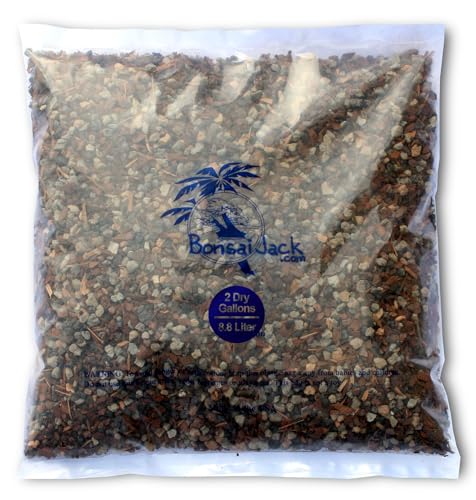
Bonsai Jack Universal Organic Bonsai Soil Mix #221, 2 Gallons

Char Bliss Organic Biochar, 8 Qts

Dalton’s Orchiata Bark Small, 1 Gallon

MICRO LANDSCAPE Lithops Soil Mix, 3 lb
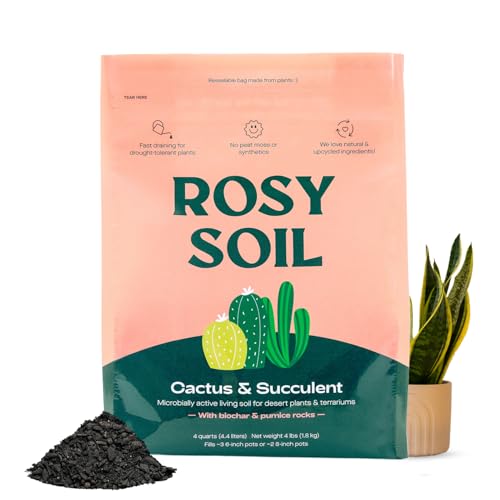
Rosy Soil Cactus & Succulent Mix, 4 Quarts

Rosy Soil Houseplant Mix, 4 Quarts

Rosy Soil Aroid Mix, Chunky Biochar, 4 Quarts

Back to the Roots Organic Coir, 51 Quart Expanding

NOHOBE Hard Akadama, 1/8-1/4 inch, 2.5 lb
FoxFarm Ocean Forest is the kind of bag most beginners reach for first, and for good reason. It arrives ready to use straight from the package, with a light, aerated texture that breaks up easily in your hands. The 1.5 cubic foot size covers a meaningful collection of small to medium pots without leaving much wasted.
You may find the mix a touch rich for true desert cactus if used on its own, since it holds more moisture than pure grit-based blends. Pairing it with pumice or coarse sand for sensitive species tightens drainage nicely.
Notable Gains
- Ready to use immediately, no mixing or pre-rinsing needed
- Light texture encourages strong root expansion in containers
- Large 1.5 cu ft bag covers a dozen-plus small pots
- Versatile enough for mixed container plantings beyond cactus
Things To Consider
- Retains more moisture than arid-native cactus prefer alone
- Heavier bag means one trip from the car
Who It Suits Best
Garden newcomers building a mixed container collection benefit from the forgiving, ready-to-use formula and generous bag size.
Swap It Out When
Reach for Bonsai Jack instead if you keep true desert species that demand faster drainage than Ocean Forest delivers out of the bag.
This Bonsai Jack blend leans hard into the gritty, fast-draining side of the spectrum. It arrives screened and pre-washed, so fine dust that normally clogs drainage holes is already removed. The two-gallon volume suits a small shelf of cactus or a handful of bonsai repots.
Compared with the FoxFarm entry above, this mix sheds water noticeably faster and keeps root zones airy. For arid-loving cactus and succulents, that airflow matters more than organic richness, especially through humid summers.
Noteworthy Benefits
- Pre-washed grit eliminates dusty residue that blocks drainage
- Fast-draining profile matches arid-native watering habits
- Screened particles reduce fines that compact over time
Worth Noting
- Provides little organic nutrition on its own, so feeding matters
- Lighter weight means top-heavy cactus may need deeper pots for stability
- Two-gallon size disappears quickly across many repots
Quick Facts
Right Fit For
Collectors who tend to overwater benefit most from the gritty, forgiving structure that resists sogginess.
A Better Fit Elsewhere
Pick FoxFarm Ocean Forest instead if you want a richer organic base for mixed tropical-style plantings.
Char Bliss isn’t a standalone potting soil; it’s a charcoal-based amendment meant to be stirred into another mix. The eight-quart size gives you plenty of headroom for refreshing multiple pots over a season. Biochar’s porous structure holds onto nutrients and water at the particle level, releasing them back as the plant needs.
Used straight from the bag as the only medium, it dries too fast for most cactus and tends to wick moisture away from roots. The smart play is blending roughly one part biochar into three or four parts of your base mix.
The Good Stuff
- Improves nutrient retention when blended into existing mixes
- Stable in soil, breaking down far slower than compost
- Eight-quart bag covers many small refreshes across a season
Honest Caveats
- Not a complete growing medium on its own for cactus
- Dark particles can stain pots and work surfaces during mixing
- Dusty when dry, so mixing outdoors or with a mask helps
Made For
Experienced growers who already have a base mix and want to dial in nutrient retention without adding fresh organic matter.
Consider Something Else When
Grab Bonsai Jack Universal Organic Bonsai Soil Mix #221 if you need a ready-to-use complete medium rather than an add-in.
Orchiata bark is built for orchid growers, but the small-grade texture translates well into chunky cactus blends too. The bark comes from New Zealand Pinus radiata, a hardwood that resists breakdown far longer than typical pine fines. One gallon covers a few small repotting sessions or several bark-heavy mixes.
Because it’s a single component, you can’t use it alone for cactus; it needs a mineral partner like pumice or akadama. Once blended, it gives the mix structural integrity that stops roots from sitting in wet pockets.
What It Does Well
- Hard bark resists decomposition across multiple growing seasons
- Adds structural air pockets to dense base soils
- Sourced from renewable plantation pine
Points To Note
- Single component requires blending with mineral media
- Small grade suits smaller pots but feels coarse in shallow containers
- One-gallon size fills fewer pots than larger bag options
Best Suited To
Mixed orchid and epiphytic-cactus growers who want a long-lasting bark base that won’t turn to mush after a season.
Look Elsewhere When
Turn to NOHOBE Hard Akadama if you prefer a mineral grain over an organic bark structure for your blend.
Lithops are famously fussy about moisture, and this MICRO LANDSCAPE DESIGN blend is built around their needs specifically. At roughly two quarts of mix, the three-pound bag fills a handful of small Lithops pots. The package also includes a bonus live mini Lithops, useful if you’re starting your collection from scratch.
Compared with the broader mixes above, this one runs much grittier and offers minimal organic content. That’s exactly what Lithops want, but the same blend would starve thirstier cactus species. It’s a specialist tool, not a general workhorse.
Why It Works Well
- Formulated for the very specific watering needs of Lithops
- Open texture prevents root rot during dormant periods
- Bonus plant offers a head start for new collectors
Small Caveats
- Too lean for general cactus or tropical succulents
- Small bag won’t cover a full repotting session of larger pots
- Bonus Lithops arrives small and needs careful acclimation
Who Should Grab It
Lithops enthusiasts and collectors of living-stone succulents get the most from a mix calibrated to their unusual watering cycle.
Reach For A Different Pick When
Choose Rosy Soil Cactus & Succulent Mix if you tend a varied collection beyond just Lithops.
Rosy Soil positions this blend squarely for everyday succulent shelves. The chunky texture stays loose through repeated waterings, helping roots breathe and excess moisture escape. Four quarts covers a respectable number of medium-sized pots for an apartment collection.
Where the FoxFarm entry leans rich and organic, Rosy Soil leans toward a living-soil approach with worm castings and beneficial microbes. The trade-off is a mix that supports steady growth without staying soggy between drinks.
Strong Points
- Chunky texture resists compaction over many water cycles
- Living-soil components support gradual nutrient release
- Four-quart bag suits small to medium collections
- Drains quickly enough for most common cactus varieties
Minor Gripes
- Still holds more moisture than pure grit options for sensitive desert species
- Worm castings can attract fungus gnats in overly wet conditions
Key Product Details
Who Will Love This
Houseplant hobbyists maintaining a mixed succulent shelf benefit from the balance of drainage and biological activity.
Not Your Match When
Pick Bonsai Jack Universal Organic Bonsai Soil Mix #221 instead if your collection leans heavily into true desert species.
Rosy Soil’s houseplant blend sits in a different lane from their cactus mix. It pulls together biochar, worm castings, mycorrhizae (beneficial fungi that form partnerships with roots), compost, and bark fines to replace peat entirely. The four-quart size covers a small army of leafy indoor pots.
This one’s built for general houseplants, not cactus specifically, so drainage sits somewhere in the middle. For cactus growers, it works as a base that you’d lighten further with added pumice or coarse sand.
What Helps Most
- Peat-free formula reduces long-term acidity issues
- Mycorrhizal fungi support root health from the start
- Organic certification reassures growers avoiding synthetics
Points To Keep In Mind
- Designed for tropicals, not directly optimized for cactus
- Retains more moisture than arid species prefer without amendments
- Organic inputs may need topping up in active growth phases
Built With In Mind
Houseplant growers seeking a peat-free organic medium for leafy indoor species find the most direct match here.
Where Another Pick Suits Better
Reach for Rosy Soil Cactus & Succulent Mix if your shelf leans toward succulents rather than tropicals.
Rosy Soil’s aroid blend targets the tropical side of the indoor plant world: Monstera, Philodendron, Anthurium, and their cousins. Pine bark fines, pumice, and biochar combine into a chunky, airy structure that mimics how aroids actually grip onto bark in the wild. Four quarts handles a couple of medium repots.
For cactus, this mix runs far too organic and moisture-retentive straight out of the bag. Its real value here is as a reference point: if you’re building a custom blend, the chunky formula shows what good aroid structure looks like.
Positive Takeaways
- Chunky texture delivers the airflow aroids crave
- Fast drainage prevents root suffocation in heavy pots
- Biochar component boosts nutrient retention between waterings
A Few Limitations
- Too moisture-rich for arid cactus without significant amendment
- Pine bark pieces can shift during watering in lightweight pots
- Best for tropicals, not a general-purpose cactus medium
Whose Shelf It Belongs On
Aroid collectors building out Monstera or Philodendron collections will get the most direct fit from this blend.
Skip It When
Choose Rosy Soil Cactus & Succulent Mix if your focus stays on succulents rather than tropical foliage plants.
Back to the Roots ships coir as a compressed brick that expands to roughly 51 quarts once hydrated. Coconut coir (the fibrous husk material) holds moisture well while staying light, which makes it a popular base for seed-starting and general indoor mixes. The compact brick shape stores neatly on a closet shelf until you need it.
Used alone, coir stays wet too long for most cactus. Its strength in this list is as a base ingredient: blend it with generous amounts of pumice or grit to build a custom cactus mix that retains just enough moisture without suffocating roots.
What Works In Its Favor
- Tiny compressed brick saves storage space in small homes
- Expands to a generous 51 quarts once hydrated
- Renewable coconut-husk source appeals to eco-conscious growers
Practical Considerations
- Holds too much moisture on its own for arid cactus
- Requires separate purchases of grit or pumice to finish a cactus blend
- Hydration step adds a few minutes before potting
Feature Snapshot
Perfect Match For
Apartment growers short on storage space appreciate the compact brick format that expands only when needed.
Another Choice May Suit
Pick FoxFarm Ocean Forest if you’d rather skip the hydration step and open a ready-to-use bag.
NOHOBE’s hard akadama (a Japanese clay-like mineral grain prized in bonsai) comes in a 2.5-pound bag with the small 1/8 to 1/4-inch grade that fits smaller pots. One neat feature: akadama visibly darkens when wet, giving you a built-in moisture cue. The grain also promotes fast drainage while still holding enough water for the roots to drink.
Like the biochar above, akadama shines as part of a blend rather than a standalone medium. Mix it with organic matter or other mineral grains, and you get the airflow and weight balance that small cactus and bonsai appreciate.
Practical Pluses
- Color-changing visual cue helps gauge moisture at a glance
- Hard grade resists breaking down across multiple seasons
- Small grain size fits shallow pots and tight root balls
Some Limits To Know
- Functions best as part of a blend, not as a sole medium
- Hard grain can dull cutting tools during root pruning
- Smaller bag covers fewer pots than larger-volume options
The Main Details
The Right Fit
Bonsai hobbyists and small-cactus growers who appreciate a visible moisture cue get the most direct benefit from akadama’s color shift.
Where A Sibling Pick Shines
Pick Bonsai Jack Universal Organic Bonsai Soil Mix #221 if you want a pre-blended complete medium rather than a single grain to mix yourself.
Getting The Mix That Matches Your Collection
Drainage sits at the center of every good cactus mix. The faster water moves through the pot, the less time roots spend sitting in moisture they don’t want. Particle size matters as much as ingredient list: large grains leave air pockets, while fine particles settle into a dense, suffocating mat.
Match the mix to your watering style. Hands-off waterers benefit from grittier blends that forgive the occasional overpour. Active growers who monitor moisture closely can handle richer organic bases. For Lithops and other mesembs, lean as mineral as possible; for jungle cacti like Christmas varieties, add more organic matter to hold moisture longer.
Container size and material shift the equation too. Small terracotta pots dry fast, so a slightly richer mix works. Large plastic pots hold moisture longer, demanding a grittier blend. Always confirm your pot has a drainage hole, since even the best mix can’t compensate for a sealed bottom.
Smart Habits Before You Buy
Pitfalls Shoppers Hit
Buying a rich, peat-heavy houseplant mix for true desert cactus is the most common slip. Those blends hold moisture for tropicals and quickly rot cactus roots. Verify the ingredient list leans toward grit, pumice, or bark rather than dense organic matter.
Ignoring particle size causes problems too. “Cactus mix” on the label doesn’t always mean coarse particles inside. Look for visible grain texture rather than something resembling regular potting soil.
Why Top Tier Costs More
Premium cactus mixes earn their higher price through screened, pre-washed ingredients and consistent particle sizing. That processing removes fine dust that would otherwise clog drainage and compact over time. Specialty blends for orchids or Lithops also reflect smaller production runs and stricter sourcing.
The upgrade pays off most for growers keeping rare or sensitive species where drainage consistency matters. For common varieties tolerant of average mixes, mid-range options deliver solid results.
Frequently Asked Questions
Can I use regular potting soil for cactus?
Regular potting soil holds too much moisture for most cactus species. It compacts around roots and stays wet long enough to cause rot. Blending it with coarse sand, pumice, or perlite can lighten the texture enough for tougher varieties, but a dedicated cactus mix gives more predictable drainage.
How often should I repot my cactus?
Most cactus benefit from repotting every two to three years, or whenever roots circle the pot or growth stalls. Fresh mix restores drainage and resets nutrient availability, both of which decline as organic matter breaks down. Repot during the active growing season so roots recover quickly.
What is pumice and why do growers add it?
Pumice is a porous volcanic rock that holds small amounts of water while keeping the overall mix airy. Adding it to cactus blends improves drainage and prevents compaction without adding weight. It’s a common partner to organic base mixes in custom blends.
Do I need fertilizer if my mix already has worm castings?
Worm castings provide a slow, gentle nutrient release that supports steady growth. Active growers repotting annually often skip added fertilizer. If your cactus sits in the same mix for multiple years, supplementing with a diluted cactus fertilizer during the growing season helps maintain vigor.
Is biochar safe to use with cactus?
Biochar works well as a small portion of a cactus blend, contributing to nutrient retention and long-term soil structure. Used as the sole medium, it dries too fast and holds too little moisture for most species. Keep biochar at roughly one-quarter of the total mix volume.
Closing Remarks
The best mix depends less on brand and more on how it matches your watering rhythm and your plants’ tolerance for moisture. Grittier blends forgive overpouring, while richer mixes reward attentive growers who let soil dry fully between drinks. Start with a small bag, observe how your specific plants respond, and adjust with mineral add-ins like pumice or akadama as your collection grows. A little experimentation now saves a lot of root rot later.
