

Tomatoes are hungry feeders with a reputation for splitting, rotting, or sulking when their roots sit in heavy, airless soil. A few seasons in, the bag you reach for at the start of spring matters more than the variety on the seedling tag. This roundup looks at ten options that range from straight amendments to rich, ready-to-plant blends, so you can match the medium to your containers, your climate, and how hands-on you want to be. Whether you’re nursing two patio pots or filling a row of raised beds, the right mix sets the tone for the whole season.
The Main Contenders

ZeeDix 3QT Coarse Perlite for Plants
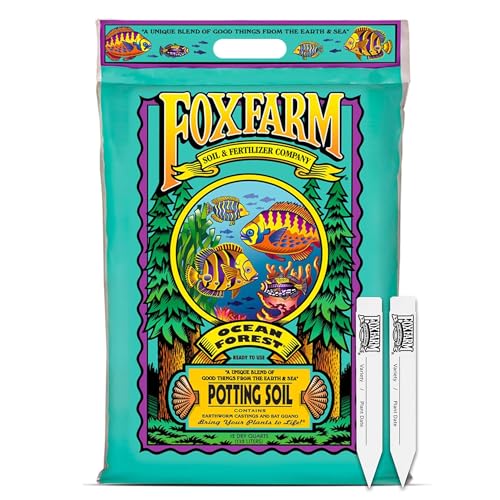
FoxFarm Ocean Forest Potting Soil 12 Quarts

Char Bliss Organic Biochar 8 Qts

Organic Plant Magic Compressed Potting Soil

Worm Bliss Organic Worm Castings 1 Qt

ZeeDix 6QT Coarse Perlite for Plants

ZeeDix 3QT Tropical Potting Mix
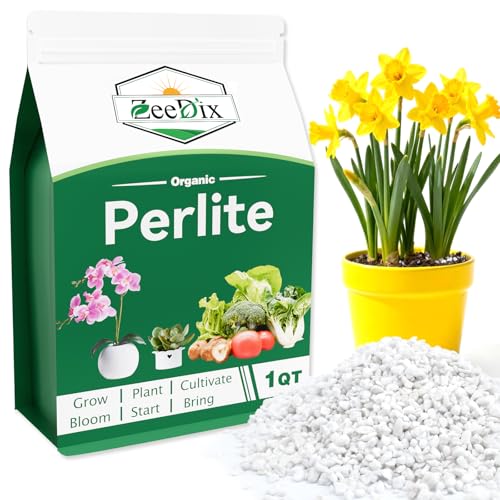
ZeeDix 1QT Coarse Perlite for Plants

Vermont Compost Company Fort Vee 40 Quarts

ZeeDix 1QT Tropical Potting Mix
Meet The Standout Selections
Coarse perlite is one of those ingredients home growers add to a bag of standard potting soil when tomatoes start sulking. Perlite is a heat-expanded volcanic glass, and the coarse 3 to 9 mm size holds open tiny air pockets that roots can push through, which keeps the mix from compacting after a few weeks of watering.
For most patio gardeners, this 3-quart bag blends easily into a 12-quart base mix at roughly one part perlite to four parts soil. In our view, it works best as a supplement rather than a standalone medium, since perlite alone holds very little nutrient and dries fast on a hot balcony.
Why It Works Well
- Coarse 3 to 9 mm size resists floating to the surface during watering
- Lightweight texture cuts down the weight of large container mixes
- Neutral pH won’t shift the acidity tomatoes prefer
- Three-quart volume is a sensible match for two medium pots
- Easy to measure and blend by hand without special tools
Honest Caveats
- Provides no real nutrition, so you’ll need to feed tomatoes on a separate schedule
- The fine dust released when pouring is widely reported as a lung irritant, so wet the perlite lightly before mixing
Best Suited To
Container growers who already have a base potting soil and just want to loosen it for healthier tomato roots.
Look Elsewhere When
You’d rather skip the measuring step and buy a finished mix like FoxFarm Ocean Forest Potting Soil 12 Quarts instead.
FoxFarm’s Ocean Forest is one of those bagged soils that shows up in the background of countless tomato growing videos, and the formula is genuinely tomato-friendly. It arrives ready to use, with a light, aerated feel that already contains organic amendments like fish meal, crab meal, and earthworm castings for early-season feeding.
Where the cheaper mixes can feel muddy in the bag, this one crumbles loose and holds structure after several waterings. For most home growers starting a tray of seedlings or repotting a few transplants into five-gallon buckets, the 12-quart bag covers the work without much waste.
Positive Takeaways
- Ready to use out of the bag, so no blending or measuring is required
- Built-in organic nutrition supports the first few weeks of growth
- Light, aerated texture suits tomatoes’ love of well-drained roots
- Includes two plant tags for labeling varieties and transplant dates
Trade Offs
- The nutrient charge fades after roughly four to six weeks, so plan a feeding schedule
- Some growers report a strong earthy smell right after opening, which can attract curious pets to a freshly potted plant
Feature Snapshot
Made For
Home growers who want a single, premium bag for seedlings and container tomatoes without extra amendments.
Swap It Out When
You’re filling a long row of raised beds and would save money with a compost-based base like Vermont Compost Company Fort Vee 40 Quarts.
Biochar has a quieter reputation than perlite or worm castings, but it’s the slow-and-steady workhorse of a long tomato bed. This 8-quart bag of Plantonix Char Bliss is a charcoal-like soil amendment made from sustainably sourced wood, and it behaves like a sponge that holds onto nutrients and water until roots need them.
Tomatoes in particular benefit because they like consistent moisture without sitting in soggy soil. Mixed into the top few inches of a bed or a container, biochar helps prevent the feast-or-famine watering cycle that splits fruit during a heat wave.
Strengths Worth Knowing
- Improves nutrient retention so feedings aren’t washed straight through
- Supports steady moisture levels through hot summer days
- OMRI-listed organic status fits certified-organic garden plans
- Long-lasting structure that doesn’t break down in a single season
- Derived from ethically harvested wood and tree trimmings
Points To Keep In Mind
- It’s a supplement, not a complete growing medium, so you’ll still need a base soil
- The fine, dusty texture means it benefits from being pre-moistened before mixing into a bed
Quick Facts
Who Will Love This
Patient gardeners who want one amendment that keeps improving their bed year after year, not just for one tomato season.
Where A Sibling Pick Shines
Container-only growers may prefer ZeeDix 3QT Coarse Perlite for Plants, which lightens a small pot without the upfront cost of biochar.
Apartment growers without a car know the frustration of hauling a wet, 40-pound bag of soil up three flights of stairs. Organic Plant Magic tackles that problem by shipping compressed granules that expand roughly four times their dry volume once water is added, made from coconut coir and worm castings.
The resealable bag is a quiet but useful feature. You can hydrate only what you need today and tuck the rest away on a closet shelf for the next round of potting, which is a real help in small kitchens and balconies.
Everyday Wins
- Compact dry form is far easier to carry than pre-hydrated soil
- Coir base resists compaction and stays airy in containers
- Worm castings add gentle organic nutrition from day one
- Resealable bag keeps unused product fresh between uses
- Suitable for both indoor and outdoor tomato projects
Small Caveats
- The expansion ratio is impressive, but you still end up with less finished soil than a comparable bagged mix
- Coir holds water well, so overeager waterers may want to ease up on the schedule
Feature Rundown
Right Fit For
Balcony and apartment growers who don’t have a car or a storage shelf for bulky soil bags.
Consider Something Else When
You’re filling a long raised bed and need a finished, in-bag mix like FoxFarm Ocean Forest Potting Soil 12 Quarts instead.
Worm castings sit in the same category as compost: the dark, crumbly, slow-release ingredient that seasoned growers keep reaching for. Plantonix Worm Bliss is a 1-quart bag of OMRI-listed castings that’s marketed as a soil amendment rather than a standalone medium, and that framing is honest.
You don’t fill a tomato pot with this stuff. You blend a couple of scoops into your base mix, or sprinkle a thin layer around the stem mid-season to keep fruiting plants fed. The 1-quart size is enough for a handful of containers without the waste of a larger bag.
Notable Upsides
- Slow-release nutrients reduce the risk of burning young roots
- OMRI-listed organic status suits chemical-free gardens
- Improves soil texture over time with repeated applications
Worth Bearing In Mind
- One quart won’t amend an entire raised bed, so plan to buy multiple bags for bigger projects
- Castings alone don’t provide the airy structure tomatoes need in deep containers
Feature Snapshot
Perfect Match For
Organic-minded tomato growers who want a gentle fertilizer to supplement a peat or coir base mix.
Where Another Pick Suits Better
First-time growers may prefer a ready-blended bag like ZeeDix 3QT Tropical Potting Mix so they can skip the amendment math entirely.
The 6-quart ZeeDix perlite is essentially the same coarse, expanded material as the smaller 3-quart bag, just doubled in volume. For anyone amending more than a couple of containers, the larger size saves a trip to the mailbox and offers better per-quart value.
You may find that six quarts goes further than expected once you see how light perlite actually is. A small scoop per pot adds noticeable drainage, so a single bag covers a long window box or a cluster of grow bags without running dry mid-project.
What It Does Well
- Coarse 3 to 9 mm grade supports strong airflow through heavy soils
- Bulk size cuts down on per-quart cost for larger projects
- Lightens deep containers that would otherwise be too heavy to move
Honest Caveats
- Still requires pairing with a base soil that supplies actual nutrition
- The 6-quart bag is bulky to store, even before you crack it open
Whose Shelf It Belongs On
Active growers with a row of grow bags or a long raised bed who want to lighten their base mix in one purchase.
A Better Fit Elsewhere
Single-pot growers might do better with the smaller ZeeDix 1QT Coarse Perlite for Plants, which won’t sit half-used in the shed for months.
ZeeDix’s tropical blend is named for foliage plants like Monstera and pothos, but the airy, moisture-balanced formula works just as well for tomatoes in containers. The mix arrives pre-blended with several components, so you skip the perlite-and-coir math that intimidates first-time growers.
For new gardeners, the appeal is the no-fuss setup. Tear open the bag, fill your five-gallon container, transplant, and water. There’s no guessing whether you’ve added too much perlite or not enough organic matter, which is a real source of anxiety for beginners.
What Stands Out
- Pre-mixed formula requires no blending or measuring
- Aerated texture suits tomatoes that dislike compacted roots
- Ready to use straight from the bag, which lowers the learning curve
- Three-quart volume is approachable for a single tomato project
Trade Offs
- The blend is geared toward tropical foliage, so heavy-feeding tomatoes may need supplemental feeding once fruit sets
- Smaller bag won’t cover more than one or two large containers
At A Glance
Who Should Grab It
First-time tomato growers who want a single bag that handles drainage and aeration without any add-ons.
Skip It When
You’re filling a long row of beds and would save money with a larger compost-based mix like Vermont Compost Company Fort Vee 40 Quarts.
The 1-quart ZeeDix perlite is the smallest of the three perlite sizes in this roundup, and it earns its spot by being the right amount for one or two small pots. If you’re trialing a new container setup, this is the size that won’t leave you with a half-bag of dusty perlite in a drawer for the next two years.
The material is identical to the larger ZeeDix bags, with the same coarse 3 to 9 mm grade. The honest read is that you’d only pick this over the 3-quart or 6-quart version if your tomato project is genuinely small.
Standout Benefits
- Trial-size volume suits a single container or small herb-and-tomato setup
- Same coarse grade as the larger ZeeDix perlite bags
- Low commitment for growers testing a new soil recipe
Practical Considerations
- The per-quart cost is higher than the larger 6-quart version, which adds up fast for bigger projects
- Still needs to be paired with a base soil that carries actual nutrition
Built With In Mind
Casual growers with one or two patio pots who want a small bottle of drainage insurance rather than a bulk bag.
Not Your Match When
You’re amending a whole raised bed; the ZeeDix 6QT Coarse Perlite for Plants will stretch much further for the same general job.
Vermont Compost’s Fort Vee is the heavyweight of the roundup at 40 quarts across a two-pack, and it leans fully into compost-based organic gardening. The mix is meant for serious seed-starting and container growing, with a nutrient-boosted recipe that aims to remove the need for liquid feeding during the early weeks.
For growers filling a few raised beds or running a long succession of tomatoes, the volume is a practical match. The honest trade-off is weight and storage: 40 quarts of compost-heavy mix is not a casual impulse buy, and it benefits from being worked into beds rather than dumped into tiny patio pots.
The Helpful Details
- Compost-forward organic formula suited to chemical-free gardens
- Large 40-quart two-pack covers multiple raised beds or containers
- Designed for both seed starting and ongoing plant growth
- Works indoors and outdoors, depending on your setup
- Nutrient-boosted blend reduces the need for early supplemental feeding
Worth Noting
- Two-pack shipping can be heavy and awkward to maneuver up stairs or into a small car
- The rich compost smell is noticeable right out of the bag and may attract indoor curiosity from pets
Feature Card
Who It Suits Best
Garden-focused growers with multiple raised beds who want a single bulk order that carries them through the season.
Where Another Pick Suits Better
Container-only growers in tight spaces may do better with Organic Plant Magic Compressed Potting Soil, which stores compactly until you need it.
The 1-quart version of the ZeeDix tropical blend is essentially a sampler: the same pre-mixed, airy formula as the larger 3-quart bag, sized for a single small pot. It exists for the curious grower who wants to test a new soil recipe without committing to a bag they may not use up.
If you’ve never grown a tomato in a tropical-style mix, this is a low-risk way to see how your variety responds. A single 1-quart bag is plenty for one transplant or for refreshing the top inch of an existing container.
Benefits That Matter
- Trial-size volume keeps the experiment low-stakes
- Pre-blended 5-in-1 formula needs no extra amendments
- Light, well-draining texture suits tomatoes in small containers
Possible Compromises
- You’ll burn through one quart quickly with a full-sized tomato, leaving little for a second pot
- Per-quart cost is higher than the 3-quart ZeeDix 3QT Tropical Potting Mix, which stretches further
The Right Fit
First-time growers curious about a tropical-style mix who want to try one bag before scaling up.
Consider Something Else When
You already know you want a pre-mixed airy blend for multiple pots; the ZeeDix 3QT Tropical Potting Mix covers more ground.
Picking The Right Tomato Mix For Your Setup
Tomatoes aren’t a one-soil-fits-all crop, and the most useful way to shop is to start from your container, then work backward to the medium. Five-gallon buckets and fabric grow bags dry out faster than in-ground beds, which means a mix that holds a touch more moisture, like a coir-and-castings blend, often beats a fast-draining cactus-style formula. Raised beds, on the other hand, give roots more room to roam, so a compost-based mix such as Vermont Compost Company Fort Vee 40 Quarts has time to release its nutrients over a full season.
Drainage is the second decision point. Perlite is a heat-expanded volcanic glass that holds open air pockets in the mix, and it shows up across this roundup for good reason: tomatoes hate sitting in water, and a heavy soil is the fastest path to root rot. A handful of perlite blended into a denser base goes a long way, especially in plastic containers without side drainage.
Nutrient delivery is where many first-time growers stumble. Bagged mixes often promise a built-in feeding window of four to six weeks, after which you’ll need to start a separate fertilizer routine, whether that’s a liquid feed, a granular organic option like Worm Bliss Organic Worm Castings 1 Qt, or a slow-release amendment worked into the top layer. Plan for that handoff before you transplant, and your fruit set stays consistent through August.
Finally, think about scale. A single patio pot doesn’t need a 40-quart compost delivery, and a long raised bed doesn’t benefit from a 1-quart trial bag. Match the volume to the work, and you’ll avoid both waste and a storage headache in the off-season.
What To Watch Before You Buy
Pitfalls Shoppers Hit
The most common mistake is grabbing the cheapest bag of “potting soil” without checking whether it’s actually a soilless mix or a denser outdoor planting blend. Outdoor garden soil compacts badly in containers and can introduce pests, so always confirm the bag is labeled for container or potted use before bringing it home. Another frequent slip is ignoring the feeding window printed on the bag, which leaves tomatoes hungry right when fruit starts to set.
Where The Extra Money Goes
Premium blends like FoxFarm Ocean Forest Potting Soil 12 Quarts cost more because they include organic amendments such as fish meal, crab meal, and earthworm castings right out of the bag, plus a more consistent texture across batches. The payoff shows up in the first month, when seedlings establish faster and you spend less time chasing nutrient deficiencies. For a single small project, a budget bag plus a separate amendment like Char Bliss Organic Biochar 8 Qts can match that performance, but a premium mix is the easier path for gardeners who’d rather skip the extra steps.
Frequently Asked Questions
Do tomatoes need a special potting mix?
Tomatoes grow best in a loose, well-drained mix that holds moisture without staying soggy, which is why most growers use a soilless blend rather than garden soil. The exact formula matters less than the texture, so a peat or coir base with perlite and organic matter is a safe starting point.
Can I use garden soil in a tomato container?
Garden soil compacts quickly in a pot, which suffocates tomato roots and slows drainage. Stick with a labeled container or potting mix, and reserve garden soil for in-ground beds where roots have room to spread.
How often do tomatoes need feeding in a container?
Most bagged mixes supply enough nutrition for the first four to six weeks, after which a regular feeding schedule takes over. A liquid feed every one to two weeks or a slow-release organic amendment keeps fruit production steady through the rest of the season.
Is perlite safe to mix into tomato soil?
Coarse perlite is widely used in vegetable mixes and is considered safe, though the fine dust released when pouring can irritate lungs. Wetting the perlite lightly before mixing keeps the dust down and makes blending easier.
How big a bag do I need for a five-gallon pot?
A five-gallon pot takes roughly two to three gallons of finished mix, so a 12-quart bag covers one pot with a little to spare. Larger bags like the 40-quart two-pack make more sense when you’re filling several containers or a raised bed.
Wrap Up
Tomatoes reward the gardener who treats soil as the season’s first big decision, not an afterthought. Whether you lean on a premium bag like FoxFarm Ocean Forest Potting Soil 12 Quarts, mix your own from perlite and worm castings, or stock up on a compost-rich base like Vermont Compost Company Fort Vee 40 Quarts, the right medium shows up in stronger stems, deeper green leaves, and fruit that holds through the heat. Match the mix to your space, plan for a feeding handoff once the bag’s nutrients fade, and the rest of the season tends to take care of itself.
