

A fiddle leaf fig is one of those houseplants that rewards attention but punishes a guess on soil. The wrong mix holds water against the roots, and the leaves start dropping within weeks. The right one gives roots room to breathe and steady nutrition, so the plant pushes out new growth rather than sulking by the window.
This lineup pulls together ten mixes worth a serious look, ranging from rich organic blends to fast-draining specialty formulas. You’ll find everyday container options, organic coir, and a few niche mixes that translate well to a fiddle leaf fig’s particular needs. Each entry below highlights what the mix genuinely does well and where the trade-offs live, so you can match the bag to your plant rather than the other way around.
A Quick View Of The Lineup
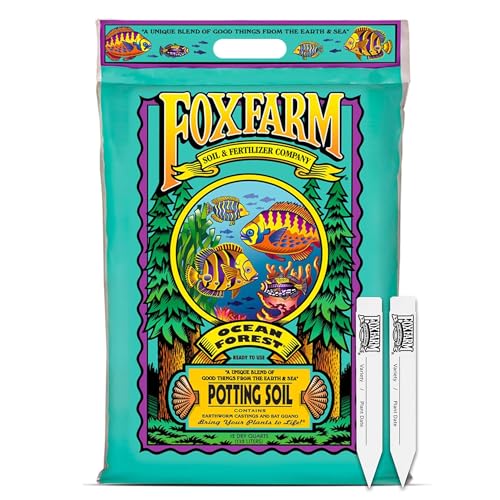
FoxFarm Ocean Forest Potting Soil with 2 Plant Tags, 12 Quarts

FoxFarm Ocean Forest Potting Soil, 1.5 cu ft

GARDENWISE Organic Olive Tree Potting Mix, 3 Quarts

Leaves & Soul Indoor Herb Soil Mix, 2.2 Qt

Professional Bonsai Soil Mix, 2.2 Quarts

Miracle-Gro Potting Mix, 16 qt.

Miracle-Gro Indoor Potting Mix, 6 qt., 3-Pack

Miracle-Gro Indoor Potting Mix, 6 qt.

Back to The Roots Organic Coir, 51 Quart Expanding Soil

Professional Orchid Soil Mix, 2.2 Quarts
The Picks, Examined More Closely
FoxFarm’s 12-quart Ocean Forest is the bag most fiddle leaf fig owners reach for first, and for good reason. The texture is light and airy rather than dense, so a newly potted tree’s roots settle in without sitting in soggy weight. Built around earthworm castings, fish meal, and crab meal, it brings organic matter and a slow food supply to the root zone from day one.
Coming in at a manageable size, it suits a single fiddle leaf fig repotting without leaving you with a half-used bag taking up closet space for months. You can plant directly into it without any extra mixing, which keeps the process friendly for first-timers. For most indoor settings, the nutrition lasts long enough that you won’t need to think about feeding for a stretch.
A Strong Showing
- Ready to use straight from the bag, so no blending required
- Light, aerated texture supports healthy root development
- Organic ingredients offer steady nutrition over time
- Compact 12-quart size is ideal for one repotting job
- Includes plant tags for labeling varieties and dates
Things To Consider
- Smaller bag runs short for anyone with multiple large plants
- Rich organic content may be too moisture-retentive for very small pots without added perlite
Key Specs
Who It Suits Best
First-time fiddle leaf fig owners potting up a single tree into a new container find this size and blend the easiest starting point.
Consider Something Else When
The FoxFarm Ocean Forest 1.5 cu ft version is a stronger fit if you’re repotting several houseplants at once and want the same blend in a bigger bag.
This is the same trusted FoxFarm Ocean Forest blend as the smaller bag above, just scaled up to 1.5 cubic feet for bigger jobs. If you’re refreshing the soil across a fiddle leaf fig, a few smaller tropicals, and maybe a patio container in the same weekend, the larger volume keeps you from running dry mid-project.
The blend brings earthworm castings, fish meal, and crab meal to the root zone, which means new transplants get organic nutrition without needing immediate fertilizer. It works across a wide range of container plants, so the leftover soil doesn’t go to waste. Compared to the 12-quart version, you trade a little convenience for a much lower cost per quart.
What Makes Sense
- Larger 1.5 cu ft volume suits multi-plant repotting sessions
- Same proven Ocean Forest blend trusted by container gardeners
- Light, aerated texture helps prevent compaction over time
- Versatile enough for fiddle leaf figs and other houseplants
Points To Note
- Bulk size is heavy and awkward to carry up stairs or to a fifth-floor apartment
- You’ll need to store leftover soil somewhere dry and pest-free
Quick Facts
Made For
Plant parents maintaining a small indoor jungle who repot several trees a year and want one dependable bag on hand.
Look Elsewhere When
Back to the Roots Organic Coir is a smarter choice if closet space is tight and you’d rather store a compact brick than a full bag.
The GARDENWISE Olive Tree Mix is built for plants that hate wet feet, and that overlap is what makes it a candidate for a fiddle leaf fig. Formulated to mimic Mediterranean growing conditions, the mix balances moisture retention with serious drainage so roots get oxygen between waterings. Olive trees and fiddle leaf figs share an intolerance for soggy soil, so the logic transfers.
The blend includes worm castings, compost, and limestone to keep pH in a comfortable range for container plants. It works both indoors in a sunny corner and outdoors on a covered patio, which gives you flexibility as the seasons shift. The 3-quart bag is small but efficient, sized for one modest repotting.
The Value In It
- Fast-draining formula reduces the risk of root rot
- Organic worm castings and compost enrich the root zone
- Limestone helps balance pH for container plants
- Suitable for both indoor and outdoor use
Worth Noting
- 3-quart volume is small for a large fiddle leaf fig in a wide pot
- Formulated primarily for olives, so it’s not a labeled fiddle leaf fig mix
Best Suited To
Owners who have lost a fiddle leaf fig to root rot before and want a faster-draining alternative to standard indoor mixes.
Swap It Out When
FoxFarm Ocean Forest in the 12-quart size is a better fit for someone who wants a richer, more traditional organic blend.
Marketed for basil, mint, rosemary, and thyme, the Leaves & Soul Indoor Herb Mix brings a light, well-draining profile that can double as part of a fiddle leaf fig blend. Herbs and fiddle leaf figs both dislike soggy roots, so this mix shares a useful drainage profile. On its own, it leans a little lean for a heavy-feeding tropical, but it works well when combined with a richer base.
The 2.2-quart bag is small and easy to handle, which suits an apartment gardener who only needs a few scoops. The texture encourages strong root development and helps fertilizer work efficiently rather than washing straight through. For most setups, this works best as one ingredient in a custom blend rather than a standalone fiddle leaf fig soil.
Standout Benefits
- Light texture supports healthy root development
- Enhances fertilizer efficiency so nutrients aren’t wasted
- Compact 2.2-quart bag is easy to store and handle
- Suits indoor herb gardens alongside fiddle leaf figs
A Few Limitations
- Lean formulation may need supplemental feeding for a fiddle leaf fig
- Small bag won’t cover a large tree in a single repotting
Who Will Love This
Kitchen gardeners growing herbs who also want a quality amendment to mix into their fiddle leaf fig’s soil.
A Better Fit Elsewhere
Miracle-Gro Indoor Potting Mix 6 qt is the smarter grab for someone who wants a single ready-to-use bag without extra blending.
The Professional Bonsai Soil Mix leans heavily on lava, limestone, calcined clay, and pine bark to deliver aggressive drainage. Bonsai trees sit in shallow pots where soggy soil kills roots fast, and the same logic helps a fiddle leaf fig that struggles with overwatering. The chunky texture lets air reach the root system between waterings.
At 2.2 quarts, the bag is on the smaller side and best used as part of a custom soil mix rather than as a standalone option for a large tree. Many fiddle leaf fig owners blend it with a richer organic base like FoxFarm Ocean Forest to balance drainage with nutrition. The blend is made in the USA, and the components are sized for container use rather than garden beds.
Strong Points
- Aggressive drainage from lava, calcined clay, and pine bark
- Prevents the compaction that suffocates roots over time
- Works as an amendment to heavier indoor mixes
- Made in the USA with consistent component sizing
Potential Drawbacks
- Too lean alone for a fiddle leaf fig’s nutrient needs
- Chunky pieces can shift through drainage holes in standard pots
Feature Snapshot
Perfect Match For
Experienced plant owners who like to blend their own soil and want a drainage component they can mix into richer bases.
Not Your Match When
GARDENWISE Organic Olive Tree Potting Mix is a more practical option if you want a ready-to-use fast-draining bag straight out of the package.
Miracle-Gro Potting Mix is the kind of bag you see at every garden center and big-box store, which is part of its appeal for casual plant owners. The 16-quart volume handles a sizeable fiddle leaf fig in a wide pot, with enough leftover for a patio container or two. It includes added fertilizer that feeds container plants for an extended period after repotting.
The mix works across flowers, vegetables, shrubs, annuals, and perennials, so it’s versatile enough for a varied container garden. Application is straightforward: fill the pot about a third full, set the plant, then finish filling and press lightly. For fiddle leaf figs, you may want to cut it slightly with perlite to sharpen the drainage.
Where It Helps
- Large 16-quart bag covers a sizeable fiddle leaf fig
- Built-in fertilizer reduces early feeding chores
- Versatile across many types of container plants
- Widely available and easy to repurchase
Trade Offs
- Tends to hold more moisture than a fiddle leaf fig prefers straight from the bag
- Lighter feeding window than richer organic blends
Right Fit For
Plant owners who want one bag to cover a fiddle leaf fig plus several outdoor containers on a patio or balcony.
Reach For A Different Pick When
Miracle-Gro Indoor Potting Mix 6 qt is a smarter choice if the fiddle leaf fig lives indoors and you want a blend formulated for houseplants.
The 3-pack of Miracle-Gro Indoor Potting Mix totals 18 quarts, which is a lot of soil for a houseplant collection. Indoor mixes are blended to be less prone to fungus gnats because they skip compost and bark, two ingredients that shelter the pests. For fiddle leaf figs kept in living rooms or bedrooms, that’s a real comfort.
The blend feeds indoor plants for up to six months, so a freshly potted fiddle leaf fig gets a long runway before you reach for fertilizer again. Coconut coir in the mix holds and releases water while helping the soil rewet when it dries out. Across three bags, you can rotate between your fiddle leaf fig, a pothos, and a snake plant without running short.
Positive Points
- Three bags cover a multi-plant household
- Designed to be less prone to fungus gnats indoors
- Built-in feeding lasts up to six months
- Coconut coir helps soil rewet evenly after drying
Honest Caveats
- Three bags create storage demands in a small apartment
- Holds slightly more moisture than ideal for a fiddle leaf fig without amendment
Who Should Grab It
Collectors with a fiddle leaf fig plus several other houseplants who want one purchase to cover a season’s worth of repotting.
Skip It When
The single 6-quart Miracle-Gro Indoor Potting Mix bag is a better fit for someone with only one or two houseplants and limited storage.
This single 6-quart bag of Miracle-Gro Indoor Potting Mix is sized right for one fiddle leaf fig repotting without excess clutter. The formula is blended for a variety of houseplants, including climbing, foliage, flowering, and tropical types, which gives it flexibility for a small indoor collection. A fiddle leaf fig fits the tropical category comfortably.
Coconut coir helps the soil hold and release water in a steady rhythm, and it also makes the mix easier to rewet if it ever dries out completely. Like the 3-pack version, it skips compost and bark to reduce fungus gnat pressure, which matters in climate-controlled rooms. For a single tree, the feeding window of up to six months is genuinely useful.
Strengths Worth Knowing
- Right-sized 6-quart bag for one fiddle leaf fig
- Coir-based formula rewets easily after drying out
- Less prone to fungus gnats than outdoor potting mixes
- Suitable for many houseplant types beyond fiddle leaf figs
Things To Weigh
- Moisture retention runs slightly high without added perlite for a fiddle leaf fig
- Smaller bag won’t stretch to multiple big repottings
Built With In Mind
Single-tree owners who want a tidy, dependable bag sized exactly for one fiddle leaf fig and maybe one or two small houseplants.
Where A Sibling Pick Shines
The Miracle-Gro Indoor Potting Mix 3-pack offers better value for plant parents with a deeper collection.
Back to the Roots Organic Coir arrives as a compressed brick that expands to roughly 51 quarts once you add water. For a fiddle leaf fig owner in a small apartment, the compact brick solves the perennial problem of where to stash a giant bag of soil. Coir, the fibrous material from coconut husks, holds water while staying airy enough for roots.
On its own, coir is essentially a blank slate with no real nutrition, so it works best when mixed into a richer base like FoxFarm Ocean Forest rather than used straight. It also shines as a seed-starting medium or as an addition to lighten up a dense mix. The expansion process is a small project in itself, but it’s quick and a little fun.
Real-World Strengths
- Tiny compressed brick fits on a closet shelf
- Expands to 51 quarts, a generous finished volume
- Improves water retention and aeration in custom mixes
- Useful for seed starting and potting alike
Practical Considerations
- No real nutrition, so supplemental feeding is mandatory
- Requires mixing with a richer base for a fiddle leaf fig
Whose Shelf It Belongs On
Apartment dwellers with limited storage who like to mix their own soil and want one compact brick to keep on hand.
Another Choice May Suit
FoxFarm Ocean Forest 12 quarts is more practical if you want a single ready-to-use bag with no extra blending required.
The Professional Orchid Soil Mix uses lava, calcined clay, and pine bark to create a chunky, airy blend built for epiphytes, which are plants that grow on other plants in nature. Orchids and bromeliads thrive in that setup, and the same texture can rescue a fiddle leaf fig that’s been suffocating in dense soil. Air pockets between the chunks let roots breathe.
Used alone, the bark-heavy mix is too lean and too fast-draining for a fiddle leaf fig’s needs, so it really belongs in a custom blend. Many owners mix a few scoops into a richer base to sharpen drainage without going to extremes. Made in the USA, the components arrive ready to use with no rinsing or preparation required.
A Few Strong Suits
- Chunky texture delivers exceptional aeration
- Pine bark and calcined clay prevent compaction
- Ready to use right out of the bag
- Useful for orchids, bromeliads, and fiddle leaf fig blends
Less-Strong Areas
- Too fast-draining and lean as a standalone fiddle leaf fig soil
- Large bark pieces can clog drainage holes without landscape fabric
The Right Fit
Plant owners with orchids or bromeliads who also keep a fiddle leaf fig and want one chunky component to use across their mix.
A Better Fit Elsewhere
Leaves & Soul Indoor Herb Soil Mix is a lighter, more flexible choice for someone focused on houseplants rather than epiphytes.
What To Weigh Before Choosing a Mix for Your Tree
A fiddle leaf fig wants soil that holds a little moisture but never stays wet, which puts it in a middle zone between thirsty tropicals and drought-tolerant plants. Drainage tends to matter more than raw nutrition. Coarse components like pine bark, perlite, and calcined clay create the air pockets the roots need, while organic matter feeds the plant slowly between waterings.
For most indoor settings, a blend that’s roughly half rich organic matter and half drainage material strikes the right balance. Outdoor fiddle leaf figs on a covered patio can handle a slightly richer mix because evaporation handles some of the moisture work. Container size matters too, since small pots dry out fast while large pots can stay wet for a week after watering.
Beginners benefit most from a ready-to-use bag like FoxFarm Ocean Forest or Miracle-Gro Indoor Potting Mix, where the manufacturer has already balanced the components. More experienced plant owners often prefer to build their own blend from coir, bark, perlite, and a richer base. Either approach works, but the mixing route demands more attention to ratios and observation over time.
If your tree has dropped leaves recently or the soil smells sour, the issue is almost always overwatering or compacted soil rather than nutrient deficiency. Replacing the mix with something looser usually helps more than adding fertilizer. A light, fragrant, slightly damp soil is the texture you’re aiming for at the end of a repotting.
Key Considerations Across These Picks
Common Shopping Slip Ups
Choosing a mix labeled for general container gardening without checking drainage often ends with a fiddle leaf fig sitting in dense, soggy soil. Garden bed mixes and topsoil are usually too heavy for indoor pots. Skipping the drainage layer at the bottom of the pot makes the problem worse, since water has nowhere to escape.
Buying the largest bag to save money can backfire if storage is tight and pests move in. A 1.5 cubic foot bag left open in a garage or closet invites fungus gnats and other issues. Picking a mix with strong fertilizer for an already-fed plant can also burn roots, especially in the weeks right after repotting.
Where The Extra Money Goes
Premium blends like FoxFarm Ocean Forest cost more per quart because of the organic ingredients and the lighter texture they deliver. That higher cost typically shows up as less compaction over time and slower, steadier feeding. Specialty mixes with bark, lava, and calcined clay carry a premium for sourcing and processing those coarse materials.
The upgrade tends to pay off in three situations: large or valuable fiddle leaf figs, owners who repot frequently, and households where overwatering has been a recurring problem. For a single small tree that gets repotted every two years, a basic but well-draining indoor mix often does the job without the extra spend.
Frequently Asked Questions
Do fiddle leaf figs need special soil?
Yes, fiddle leaf figs need soil that drains well while still holding some moisture. A standard garden soil is too dense, while a pure cactus mix is too lean. Most owners do best with a balanced indoor blend or a mix of organic potting soil plus perlite or bark.
Can you use regular potting soil for a fiddle leaf fig?
Regular potting soil can work if it’s light and well-draining, but it’s usually too dense on its own for a fiddle leaf fig. Adding perlite, pine bark, or coarse sand helps open up the texture. Many indoor-specific mixes are formulated to skip the problem altogether.
How often should you repot a fiddle leaf fig?
Most fiddle leaf figs benefit from repotting every one to two years, or whenever roots start circling the bottom of the pot. Spring and early summer are the best windows because the plant is in active growth. Going up one pot size at a time keeps the soil from staying wet for too long.
Is Miracle-Gro safe for fiddle leaf figs?
Miracle-Gro Indoor Potting Mix is generally safe for fiddle leaf figs and is a popular choice among indoor gardeners. The Outdoor Potting Mix tends to hold more moisture, so it benefits from added perlite. As with any fertilizer-containing mix, lighter watering in the first few weeks helps avoid root burn.
What helps a fiddle leaf fig with yellow leaves?
Yellow leaves usually point to overwatering, poor drainage, or compacted roots rather than a soil deficiency. Replacing the soil with a lighter, faster-draining mix often helps. After repotting, letting the top inch of soil dry between waterings reduces the chance of the problem returning.
Final Verdict
A fiddle leaf fig rewards soil that drains well, holds some moisture, and feeds the plant slowly. FoxFarm Ocean Forest in the 12-quart size is the most approachable starting place for first-time owners, while the GARDENWISE Olive Tree Mix is worth a look for anyone worried about root rot. Custom blenders will find real value in the bonsai and orchid mixes, and small-space gardeners will appreciate how the Back to the Roots coir brick tucks away neatly when not in use. Pick the mix that matches your watering habits and storage, then adjust from there.
