

Hydrangeas are hungry, thirsty shrubs with shallow roots that punish the wrong potting mix, and most off-the-shelf blends either drain too fast or stay soggy long enough to rot the crown. Anyone growing them in pots, window boxes, or patio planters needs a soil that holds moisture, breathes, and feeds steadily through a long growing season. The picks below cover everything from rich organic mixes to lightweight amendments, so the right bag for your climate and pot size should be somewhere in this lineup.
The Picks In Brief
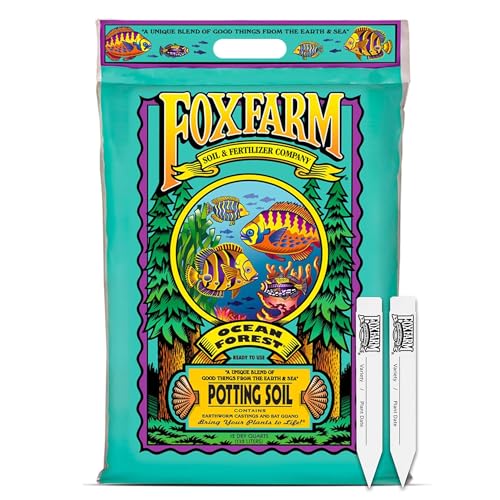
FoxFarm Ocean Forest Potting Soil 12 Quarts with Plant Tags

FoxFarm Ocean Forest Potting Soil 1.5 cu ft

Char Bliss Organic Biochar Soil Amendment 8 Quarts

Miracle-Gro Potting Mix 16 qt 2-Pack

Leaves & Soul Indoor Herb Soil Mix 2.2 Qt

Professional Bonsai Soil Mix 2.2 Quarts (USA)
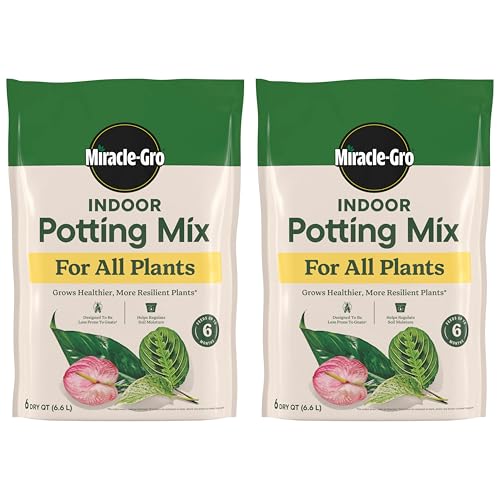
Miracle-Gro Indoor Potting Mix 6 qt 2-Pack

FoxFarm Ocean Forest Potting Soil 12 Quart

Back to The Roots Organic Coir 51 Quart Expanding Soil

Professional Orchid Soil Mix 2.2 Quarts (USA)
A Closer Look At Each Pick
This 12-quart FoxFarm bag arrives ready to pour straight into a patio pot, no mixing required. The included plant tags are a small touch, but a useful one for hydrangea collectors juggling cultivars like Endless Summer and Annabelle on the same shelf.
The aerated texture (a blend of earthworm castings, fish meal, and crab meal, plus aged forest products and sphagnum peat moss) helps hydrangea roots breathe while holding the steady moisture the shrubs crave. You may find the 12-quart size runs out fast on anything bigger than a 14-inch pot.
Where It Delivers
- Open the bag, fill the pot, plant, water, done
- Earthworm castings add gentle organic nutrition without burning tender roots
- Light, fluffy texture keeps even shallow hydrangea roots oxygenated
- Includes two plant tags for labeling cultivar and planting date
- Suits both indoor windowsill pots and outdoor patio planters
Things To Consider
- At 12 quarts, you may need two bags for a single 16-inch or larger container
- The rich organic smell fades after watering, but can be noticeable in enclosed sunrooms
Key Specs
Who It Suits Best
Patio growers repotting one or two hydrangeas at a time and wanting a low-fuss, nutrient-rich blend.
Consider Something Else When
The FoxFarm Ocean Forest Potting Soil 1.5 cu ft is a better value for anyone filling more than two large containers in a single season.
Same FoxFarm recipe as the smaller 12-quart bag, scaled up to 1.5 cubic feet for gardeners repotting a whole patio at once. Hydrangeas in 14 to 20-inch containers each swallow a surprising amount of mix, and a single bag like this covers most refresh jobs without leaving you scraping the bottom.
The light, aerated profile drains well but still holds the consistent moisture hydrangea roots need between waterings. Compared to the 12-quart FoxFarm earlier in this list, the trade-off is weight and storage space: a full 1.5 cu ft bag is awkward to haul up stairs.
Points In Its Favor
- Generous 1.5 cu ft fills several large patio pots in one go
- Premium earthworm castings feed the soil biology hydrangea roots partner with
- Fish meal and crab meal offer slow-release nutrients across the season
- No mixing required, pour and plant
Trade Offs
- Heavy bag is tough to lift once full, especially for smaller gardeners
- Storage requires a dry corner or a sealed bin to keep pests out
- May be more soil than a single small-pot gardener can use before it dries out
Right Fit For
Homeowners refreshing multiple large containers in one weekend and wanting to skip repeat trips to the garden center.
Swap It Out When
The 12-quart FoxFarm Ocean Forest Potting Soil is a smarter choice for anyone repotting just one or two small hydrangea pots.
Biochar is a charcoal-style soil conditioner made from heated organic matter, and this 8-quart bag is meant to be blended into an existing mix rather than used on its own. For hydrangeas, that matters: the porous structure holds onto nutrients and water, then releases them slowly back to the roots.
Compared to the standalone FoxFarm mixes above, Char Bliss is more of an upgrade ingredient than a complete soil. You will mix a few scoops into a base blend to stretch its lifespan and improve moisture behavior in hot, dry patio corners.
Features That Help
- OMRI-listed, fits organic gardening routines
- Improves nutrient retention so fertilizer stays in the root zone longer
- Boosts water-holding capacity in sandy or fast-draining mixes
- Ethically sourced from wood and tree trimmings
Points To Keep In Mind
- Not a standalone potting soil, requires blending with a base mix
- Hydrangeas still need peat or coir for acidity, which biochar alone does not provide
Feature Snapshot
Built With In Mind
Experienced growers who already keep a base potting mix on hand and want to upgrade its water and nutrient behavior for thirsty hydrangeas.
A Better Fit Elsewhere
Beginners repotting a single hydrangea should reach for the Miracle-Gro Potting Mix 16 qt 2-Pack, which needs no blending at all.
A 32-quart two-pack of Miracle-Gro’s standard outdoor potting mix, sized for the gardener who wants to pot up several containers in one pass. The blend is designed to feed container plants steadily, and hydrangeas in particular respond well to the steady nutrient supply.
Compared to the richer FoxFarm Ocean Forest recipe above, this is a more budget-friendly base with less organic complexity. Depending on your soil, you may want to add a scoop of compost or biochar to round out the moisture profile for bigleaf hydrangeas.
Noteworthy Benefits
- Designed to feed container plants for up to six months
- Two-pack totals 32 quarts, enough for multiple medium pots
- Formulated for outdoor container use in sun and partial shade
- Easy to find at most garden centers as a familiar fallback
A Few Limitations
- Lighter on nutrient complexity than organic blends like FoxFarm Ocean Forest
- Tends to dry faster in unglazed terracotta pots in midsummer heat
Quick Facts
Made For
Patio gardeners who want a familiar, widely available blend for several hydrangea pots without paying a premium price.
Look Elsewhere When
The FoxFarm Ocean Forest Potting Soil 1.5 cu ft suits gardeners who want richer organic ingredients in a single bulk bag.
This small 2.2-quart bag is built for kitchen-counter herbs, but its lightweight, well-draining texture has crossover appeal for compact indoor hydrangeas. In our view, it is a better pick for a windowsill hydrangea in a 6-inch pot than a full patio shrub.
The fine, fluffy profile holds moisture without compacting, which suits a small root zone but dries faster than the chunkier FoxFarm blends. For indoor growers in dry winter air, that quick turnover can actually be a benefit.
Why It Works Well
- Light texture keeps small indoor hydrangea roots oxygenated
- Ready to use, no blending required
- Compact bag stores easily in a closet or kitchen drawer
- Supports fertilizer efficiency in tight root areas
Honest Caveats
- 2.2-quart volume runs out fast on anything larger than a small herb pot
- Marketed for herbs rather than hydrangeas, so feeding behavior is calibrated for lighter feeders
Perfect Match For
Apartment dwellers with a single compact indoor hydrangea on a bright windowsill or under a grow light.
Another Choice May Suit
The Miracle-Gro Indoor Potting Mix 6 qt 2-Pack is a better match for anyone keeping multiple indoor houseplants in larger pots.
Built for shallow bonsai trays, this fast-draining mix of lava, limestone, calcined clay, and pinebark pushes water through quickly. Hydrangeas in rainy climates or in dense patio pots benefit from that aeration when their roots would otherwise sit in soggy soil.
The chunky texture is a sharp contrast to the finer FoxFarm blends earlier in this list. Used straight, it is too lean and fast-draining for a hydrangea, but blended at roughly one part bonsai mix to three parts standard potting soil, it adds valuable porosity.
The Good Stuff
- Fast-draining blend prevents root rot in wet weather
- Lava and calcined clay add long-lasting structure that does not break down
- Made in the USA
- Useful amendment for any dense, peaty mix that stays soggy too long
Possible Compromises
- Too free-draining on its own for thirsty hydrangeas
- Coarse pieces can work their way out of pots with regular watering
- Limited nutrition, hydrangeas need supplemental feeding
Whose Shelf It Belongs On
Growers in wet-summer regions who want to cut the moisture retention of a standard potting mix for hydrangeas in outdoor pots.
Not Your Match When
The FoxFarm Ocean Forest Potting Soil 12 Quart is the simpler, one-bag choice for gardeners who do not want to blend.
This 12-quart indoor blend mixes sphagnum peat moss, coir (coconut fiber), and perlite (a lightweight volcanic mineral that keeps soil loose) into a balanced, lightweight medium. Indoor hydrangeas on a sunny shelf or under a grow light appreciate how the components release water steadily without waterlogging the roots.
Compared to the herb-focused Leaves & Soul bag earlier, this one is sized and formulated for general indoor plants. It carries enough moisture for a hydrangea while staying airy enough for healthy root development in lower indoor light.
A Strong Showing
- Sphagnum, coir, and perlite balance moisture and air in the root zone
- Two-pack provides 12 quarts for several pots
- Designed to release water as plants need it
- Works across most indoor foliage and flowering plants, not just hydrangeas
Where It May Fall Short
- Not the richest organic blend, may need liquid feed during active growth
- Perlite can float to the top during heavy watering in shallow pots
At A Glance
Best Suited To
Anyone overwintering hydrangeas indoors or growing compact potted varieties year-round under household conditions.
Reach For A Different Pick When
Backyard growers should choose the Miracle-Gro Potting Mix 16 qt 2-Pack, which is sized and fed for outdoor containers.
The same FoxFarm Ocean Forest formula as the first pick on this list, sold here in a 12-quart bag without the plant tags. Hydrangea growers tend to come back to this recipe season after season because the aged forest products, sandy loam, and sphagnum peat moss strike a reliable balance between drainage and moisture retention.
Without the tags, you save a little cost but lose the labeling convenience. For most backyards, that is a fair trade when repotting just one or two hydrangeas.
Bright Spots
- Aerated texture supports healthy root development in containers
- Earthworm castings feed soil life without synthetic fertilizer burn
- Sphagnum peat moss helps maintain the slightly acidic pH hydrangeas prefer for blue blooms
- Ready to use straight from the bag
Smaller Limitations
- 12 quarts is a tight fit for any container over 16 inches
- Does not include plant tags for labeling cultivar and date
Who Should Grab It
Hydrangea growers repotting a single medium patio container and wanting a proven organic-leaning mix.
Where Another Pick Suits Better
The FoxFarm Ocean Forest Potting Soil 12 Quarts with Plant Tags is the better option when cultivar labeling matters to you.
Coir is a fibrous byproduct of coconut husks, sold here as a compressed brick that expands to 51 quarts once water is added. For apartment gardeners without a garage or shed, that compressed form is the main appeal: a small package becomes enough mix for several hydrangea pots.
The texture is fluffy and water-retentive, which hydrangeas like, but pure coir has no real nutrient content. You will mix in a slow-release fertilizer or compost, or use this as part of a blend rather than a standalone medium.
Useful Highlights
- Compressed brick stores easily on a shelf or under a sink
- Expands to 51 quarts, enough for multiple large containers
- Organic coconut coir is a renewable, peat-free option
- Good water retention for thirsty hydrangeas in hot weather
What To Weigh
- No built-in nutrition, supplemental feeding is required
- Expansion takes a few rounds of water and breaking apart
Who Will Love This
Small-space gardeners who want to avoid hauling bulky bags home and store their soil in a closet between repottings.
Skip It When
The Miracle-Gro Potting Mix 16 qt 2-Pack is a better grab for anyone who wants a self-contained mix with built-in feeding.
Designed for orchids and other epiphytes (plants that naturally grow on other plants rather than in soil), this coarse mix of lava, calcined clay, and pinebark is mostly bark and stone. Hydrangeas need a richer base than this on its own, but used as a blending component, it opens up a heavy mix and prevents compaction.
It is a more aggressive aeration amendment than the bonsai mix earlier in this list, with larger bark pieces that resist breaking down. For most backyards, a small bag tucked into the gardening shelf pays off across many seasons.
The Case For It
- Coarse texture dramatically improves drainage in dense mixes
- Pinebark breaks down slowly, lasting multiple growing seasons
- Useful for layering at the bottom of large patio pots
- Made in the USA
Less-Strong Areas
- Not formulated for hydrangeas, requires blending with a richer base mix
- 2.2-quart bag is small, treat it as an ingredient rather than a full soil
Made For
Hydrangea growers working with a heavy or compacted mix who need to lighten it up without buying a whole new bag.
A Better Fit Elsewhere
The Char Bliss Organic Biochar Soil Amendment 8 Quarts is the smoother choice when moisture retention is the priority, not drainage.
What Hydrangeas Actually Need From a Potting Mix
Hydrangeas in containers depend entirely on the soil you give them, so the right blend matters more than for in-ground plantings. Three attributes consistently separate a good hydrangea mix from a disappointing one.
Moisture Without Soggy Roots
Hydrangeas wilt dramatically when dry, but their roots rot in saturated soil. Look for mixes that hold water while staying airy, which usually comes from a base of peat moss or coir paired with perlite, pinebark, or another porous ingredient. Soils that feel gritty or sponge-like at the bag tend to drain well while keeping moisture available.
Slightly Acidic pH
The classic blue or pink mophead blooms shift color based on soil pH, and most hydrangeas lean toward the slightly acidic side. Mixes built around sphagnum peat moss or pinebark help keep pH in that sweet spot, especially in regions with alkaline tap water. You can amend a neutral mix later, but starting acidic saves work.
Enough Organic Nutrition
Container soil has limited nutrient storage, so a mix with compost, earthworm castings, or a slow-release feed helps bridge the gap between waterings. Fertilizer still matters, but a richer base gives hydrangeas a stronger start and steadier growth through summer heat.
Pot Size Drives Bag Size
A single 12-quart bag handles one medium patio pot. Bigger planters or multiple containers call for the 1.5 cu ft FoxFarm or the expanding Back to The Roots coir brick. Buying too small forces mid-season repotting, which stresses hydrangeas right when they are setting blooms.
Smart Choices Before You Buy
Common Shopping Slip Ups
Hydrangea growers often grab the cheapest bag of “potting soil” they see, only to find it compacts into concrete in a season. The bigger mistake is grabbing garden soil or topsoil, which is too dense for containers and suffocates roots. Match the mix to the job: a peat-based, perlite-loosened blend for moisture lovers like hydrangeas, and a coarser mix for plants that need drier feet.
Where The Extra Money Goes
Premium mixes like FoxFarm Ocean Forest cost more because they layer organic amendments such as earthworm castings, fish meal, and crab meal into the base. You may find those ingredients deliver steadier growth and richer blooms over a season, especially on a large shrub that will live in the same pot for years. Paying up makes sense for hydrangeas you intend to keep long-term; budget blends are fine for a one-season annual display.
Frequently Asked Questions
Do hydrangeas need a special potting mix?
Hydrangeas grow well in any peat- or compost-based mix that holds moisture without becoming soggy. They prefer slightly acidic soil, which most quality potting mixes already provide.
Can I use regular garden soil for potted hydrangeas?
Garden soil compacts in containers and drains poorly, which commonly leads to root rot in hydrangeas. A bagged potting mix built for containers is the safer choice.
How often should I repot a hydrangea in a pot?
Most potted hydrangeas benefit from fresh mix and a slightly larger container every two to three years. The exact timing depends on how fast the shrub outgrows its pot and how compacted the soil has become.
Is peat moss or coir better for hydrangeas?
Both hold moisture well, and hydrangeas thrive in either. Peat moss is slightly more acidic on its own, which can help maintain blue bloom color, while coir is more renewable and easier to rewet when dry.
Should I add fertilizer when planting hydrangeas in pots?
A nutrient-rich mix like FoxFarm Ocean Forest gives hydrangeas a strong start without extra fertilizer for several weeks. After that, a slow-release granular feed or regular diluted liquid feeding through the growing season keeps the blooms coming.
Final Take
The right potting mix turns a hydrangea from a struggling patio plant into the showpiece of the porch. Start with the pot size and the moisture needs of your climate, then pick a blend that matches: rich and ready-to-use for most gardeners, coarse and amended for wet regions, or lightweight and indoor-friendly for houseplant hydrangeas. Any of the picks above, matched to your conditions, will give the roots the steady foundation they need.
