

A healthy Monstera deliciosa starts from the roots up, and the substrate you choose decides whether those iconic fenestrated leaves unfurl or stall. Most general mixes hold too much water for these tropical epiphytes, leading to yellowing and root rot before you notice anything above the soil line. The right blend balances chunky aeration with steady moisture, giving aerial roots something to grip and soil life something to feed on. This roundup walks through ten options worth your shelf space, from classic container blends to Monstera-specific mixes and foliar feeds that keep leaves glossy through the growing season.
The Lineup, Simplified
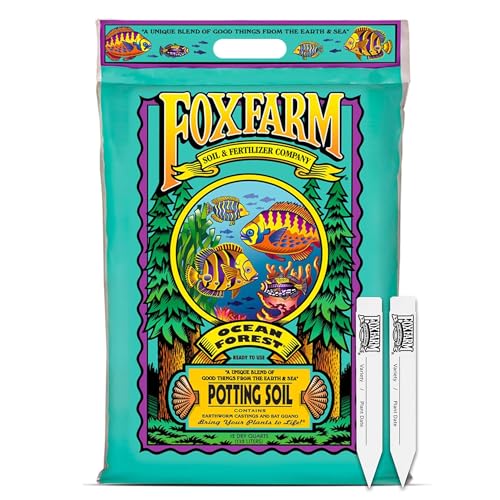
FoxFarm Ocean Forest Potting Soil 12 Quarts

FoxFarm Ocean Forest Potting Soil 1.5 cu ft

Char Bliss Organic Biochar 8 Quarts

Gardenera Premium Snake Plant Soil Mix

Gardenera Snake Plant Spray Fertilizer 8oz

Miracle-Gro Indoor Potting Mix 6 qt 2-Pack
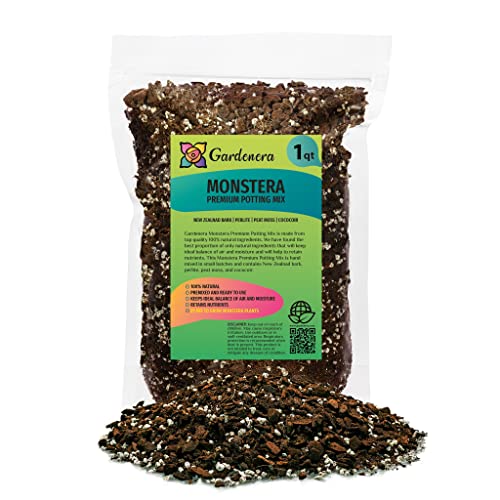
Gardenera Premium Monstera Potting Soil

Gardenera Monstera Spray Fertilizer 8oz

Gardenera Monstera Organic Superfood Mist 8oz

Gardenera Liquid Snake Plant Fertilizer 8oz
More On The Choices That Made The List
This 12-quart bag of FoxFarm Ocean Forest is the gateway mix for most new houseplant growers, and for good reason. It arrives ready to use straight from the bag, so you skip the measuring cups and perlite dust that slow down a quick repotting session. The blend leans on earthworm castings, fish meal, and crab meal to feed a Monstera through its first stretch in a new pot, which matters when the plant has just spent energy pushing out fresh roots.
Compared to the larger 1.5 cu ft sibling later in this list, this size fits a single 10-inch Monstera repot with a little left over for top-dressing. The included plant tags are a small but useful touch, helping you track propagation dates without hunting for a marker.
A Few Strong Suits
- Ready-to-use texture removes guesswork for first-time repotting.
- Organic meal amendments feed roots gradually through the first growing cycle.
- 12-quart volume covers one medium Monstera with surplus for small backups.
- Bundled plant tags help track propagation and feeding dates.
- Light, aerated body resists compaction in standard nursery pots.
Points To Keep In Mind
- Holds more moisture than chunky aroid blends, so you may need to extend dry-down windows between waterings.
- Smaller bag runs out quickly if you maintain a multi-plant collection.
Key Specs
Right Fit For
First-time Monstera owners who want a forgiving, nutrient-loaded starter blend without learning curve.
A Better Fit Elsewhere
The Gardenera Premium Monstera Potting Soil suits growers who want a chunkier, faster-draining mix specifically tuned for aroids.
The 1.5 cu ft bag is the same trusted FoxFarm blend scaled up for collectors running several Monsteras or a mixed aroid shelf. One bag fills a 14-inch planter with room to spare, and the airy texture stays consistent through the entire volume rather than compacting at the bottom of the bag. That consistency matters when you top-dress multiple pots in one session.
It carries the same earthworm castings and ocean-sourced meals as the 12-quart sibling, so you can stage the two side by side without shocking plants with a different nutrient profile. For anyone maintaining a rotation of Monsteras, philodendrons, and anthuriums, this format simply lasts longer between reorders.
A Few Highlights
- Large volume reduces reorder frequency for multi-plant households.
- Same organic meal blend as the smaller bag for nutritional consistency.
- Light texture holds air pockets that prevent root suffocation.
- Suitable for both indoor containers and patio planters.
Honest Caveats
- Bulky bag requires storage space and a scoop or bowl for clean handling.
- Still on the moisture-retentive side for aroids that prefer dry feet.
Whose Shelf It Belongs On
Collectors managing several large houseplants who want one purchase to cover a full repotting cycle.
Skip It When
A single small Monstera in a 6-inch pot makes the 12-quart FoxFarm Ocean Forest Potting Soil a more proportionate choice.
Char Bliss is not a finished Monstera mix but an amendment, and that distinction matters. Biochar is a charcoal-like substance produced by heating organic biomass in low-oxygen conditions, prized for its porous structure that holds nutrients and water without waterlogging the root zone. Mixing a few handfuls into your existing substrate can transform a moisture-heavy bag into something aroids tolerate far better.
For growers who already keep perlite, orchid bark, and coco coir on hand, this 8-quart bag becomes the missing ingredient for a custom blend. It carries an OMRI listing, which signals suitability for organic gardening systems, and the lightweight particles keep the total pot weight manageable even in large planters.
Everyday Perks
- Improves nutrient retention in otherwise fast-leaching mixes.
- Lightweight particles prevent pot weight from climbing in large containers.
- OMRI-listed for growers following organic protocols.
- Versatile amendment that pairs with peat, coco coir, or bark bases.
Trade-Offs To Consider
- Not a standalone medium, so it requires an existing base mix.
- Dark particle color shows through light-colored decorative pots.
Best Suited To
Intermediate growers who blend their own aroid mix and want to improve water and microbial activity in one step.
Look Elsewhere When
You want a ready-to-pour bag, in which case the Gardenera Premium Monstera Potting Soil arrives pre-formulated for the job.
Snake plants (Sansevieria) share Monstera’s hatred of wet feet, so a mix tuned for them borrows the same chunky, free-draining logic. This Gardenera blend combines peat moss, perlite, lime, and earthworm castings to keep the substrate airy while still holding enough moisture between waterings. Lime adjusts pH slightly upward, which suits the alkaline-leaning preferences of Sansevieria root systems.
The 1-quart format suits a single small repot or a propagation tray, making it less practical for a full Monstera but valuable if you keep a mixed aroid and succulent shelf. The texture stays loose in the bag, and you typically see roots spreading into the new medium within a few weeks of repotting.
Notable Gains
- Peat and perlite base delivers sharp drainage for sensitive roots.
- Lime balances pH for Sansevieria without manual amendments.
- Earthworm castings offer a slow-release organic nutrient source.
Small Caveats
- Quart-size bag covers only one small repot at a time.
- Formulated for Sansevieria, so it lacks the bark and biochar that Monstera growers often prefer.
Made For
Snake plant enthusiasts who want a species-specific blend rather than a generic houseplant mix.
Consider Something Else When
Your focus is a Monstera-heavy collection, where the Gardenera Premium Monstera Potting Soil covers the species directly.
This 8oz foliar mist gives Sansevieria caretakers a quick way to feed the leaves without disturbing soil moisture. The 3-1-2 NPK ratio (nitrogen-phosphorus-potassium) leans nitrogen for steady leaf growth, which suits sword-shaped foliage that relies on chlorophyll production more than flowering output. A short mist once a week during active growth keeps plants looking polished.
The bottle is small enough to keep near a watering can, and the fine mist settles evenly across stiff Sansevieria blades without running off into the crown. It complements any free-draining substrate from this list rather than replacing one.
Bright Spots
- Foliar application delivers nutrients directly where the leaves absorb them.
- Gentle 3-1-2 ratio supports steady leaf development without burn risk.
- Compact 8oz bottle fits on a plant shelf without dominating space.
Points To Note
- Small bottle requires frequent replacement for large collections.
- Foliar feeding alone misses root-zone nutrition that soil drenches provide.
Who It Suits Best
Snake plant growers who want an easy, no-mess supplement between deeper feedings.
Another Choice May Suit
The Gardenera Liquid Snake Plant Fertilizer offers a concentrated soil-soak alternative for those who prefer root feeding.
The 2-pack format gives casual growers two sealed bags of Miracle-Gro’s indoor blend, which keeps the second bag fresh until you actually need it. Sphagnum peat moss, coir (coconut fiber), and perlite form the backbone, balancing moisture and aeration without leaning too far in either direction. For a Monstera in a standard 8-inch pot, this blend is workable but benefits from added bark for chunk.
It tends to be widely stocked, which helps if you need soil on short notice rather than waiting for a specialty blend to ship. The lighter weight compared to outdoor mixes makes carrying bags up stairs manageable.
Where It Helps
- Two-pack extends usage across multiple repots without a quick reorder.
- Peat and coir balance retain steady moisture between waterings.
- Perlite keeps the texture loose in standard nursery containers.
Things To Weigh Up
- Holds more moisture than ideal for Monsteras, so amending with orchid bark helps.
- Not species-specific, so growers chasing fenestrated leaves may want a dedicated mix.
Right Fit For
Beginner plant parents who want a forgiving, accessible bag without hunting for specialty retailers.
Not Your Match When
You want a pre-tuned Monstera blend, in which case the Gardenera Premium Monstera Potting Soil arrives ready to use.
This is the species-specific blend the rest of the list orbits around. Aged bark, coco coir, perlite, peat moss, biochar, and worm castings combine into a chunky, free-draining matrix that mirrors the loose forest-floor conditions Monstera deliciosa evolved in. The chunkiness gives aerial roots surfaces to grip and lets excess water escape quickly, which is the single biggest safeguard against root rot.
The 1-quart bag suits a single small repotting, so for a mature Monstera you may need multiple bags. Owners commonly report faster leaf unfurling after switching from generic mixes to this formulation, though results vary with light and humidity in your space.
Benefits That Matter
- Quick-draining blend protects roots from the most common Monstera killer.
- Chunky bark pieces support healthy aerial root anchoring.
- Worm castings provide slow-release organic nutrition in the first months.
- Biochar improves long-term nutrient retention in the substrate.
Practical Considerations
- Small bag volume requires multiple purchases for mature plants.
- Texture can shift during shipping, so fluffing before potting helps.
Feature Card
Who Should Grab It
Dedicated Monstera growers who want a mix designed around the species rather than improvising with a general bag.
Reach For A Different Pick When
FoxFarm Ocean Forest Potting Soil is a better fit if you keep a mixed plant shelf and want one bag to cover many species.
Pairing a chunky, well-draining substrate with a foliar feed like this one is the most common path to glossy, fenestrated Monstera leaves. The 3-1-2 NPK blend matches the same family of ratios Gardenera uses across its line, but tuned specifically for Monstera leaf development. Misting once a week during active growth seasons adds nutrition directly through the stomata on the leaf surface.
The fine mist spreads evenly across broad Monstera blades without leaving heavy droplets that can mark foliage. Compared with the Organic Superfood Mist reviewed next, this option is a simpler, gentler daily driver without microbial additives.
Real Benefits
- Direct foliar delivery supports the glossy look prized in Monsteras.
- Gentle ratio reduces leaf burn risk compared with stronger feeds.
- Compact bottle fits near your watering station.
- Compatible with the Gardenera Premium Monstera Potting Soil above.
Some Limits To Know
- Foliar feeds alone cannot replace soil-based root nutrition long-term.
- Misting frequency rises during summer active growth.
Perfect Match For
Monstera owners who want a simple foliar supplement alongside their existing soil feeding routine.
Where A Sibling Pick Shines
The Gardenera Monstera Organic Superfood Mist suits growers who want a broader nutrient profile with microbial support.
The Organic Superfood Mist steps the nutrient story up with 18 vitamins and minerals and a micro-fungi enrichment designed to mirror a living soil ecosystem. Micro-fungi help break down organic matter into forms roots absorb more easily, and foliar application gets a portion of that biology onto leaf surfaces where it can support photosynthesis indirectly.
For a Monstera that has stalled despite good light and watering, this richer mist is worth trying before changing soil or repotting. Compared with the simpler Monstera Spray Fertilizer Mist, this one carries broader nutritional ambitions and a price to match.
Where It Delivers
- Broad 18-nutrient profile addresses multiple deficiencies at once.
- Micro-fungi enrichment supports the soil biology Monstera roots evolved with.
- Organic formulation suits growers avoiding synthetic fertilizer inputs.
Less-Strong Areas
- Higher price per ounce than simpler foliar options.
- Benefits are gradual, so visible changes may take weeks to confirm.
Who Will Love This
Collectors treating their Monstera as a long-term specimen who want premium nutrition in an organic format.
Swap It Out When
Budget-conscious growers may prefer the Gardenera Monstera Spray Fertilizer Mist for a lighter weekly routine.
Where the spray mist targets leaves, this liquid concentrate feeds the soil directly, which suits caretakers who prefer traditional watering-can fertilizing. The 3-1-2 ratio delivers steady nitrogen for the upright leaf growth Sansevieria is known for, with enough phosphorus and potassium to support root and stem strength. Diluting into your regular watering routine keeps the schedule simple.
The 8oz bottle concentrates into a generous number of feedings when diluted as directed, so it outlasts the mist options on a per-use basis. Store it cool and dark between uses to preserve the organic compounds.
Useful Strengths
- Concentrate format stretches further per bottle than ready sprays.
- Soil-drench feeding reaches root zones foliar mists cannot touch.
- Compatible with the Gardenera Premium Snake Plant Soil Mix for full coverage.
Worth Bearing In Mind
- Requires measuring and dilution, which adds a step to watering day.
- Formulated for Sansevieria, so it lacks the broader profile of the Monstera feeds above.
Built With In Mind
Snake plant growers who water on a strict schedule and want a soil-applied feed alongside their regular routine.
A Better Fit Elsewhere
The Gardenera Snake Plant Spray Fertilizer Mist suits caretakers who prefer foliar feeding without dilution math.
What To Weigh Before Choosing Potting Soils For Monstera
Drainage Comes First
Monstera deliciosa is a tropical aroid, and aroid mix in the wild rarely sits in soggy soil. A blend that retains some moisture but sheds the rest within a minute or two of watering keeps roots oxygenated. Look for chunky components like bark, perlite, or biochar that create air pockets rather than fine peat that compacts over time. The Gardenera Premium Monstera Potting Soil and the FoxFarm Ocean Forest blends both clear this bar, with the Monstera-specific bag leaning further toward chunk.
Container choice matters as much as substrate. Pots with drainage holes and a loose medium prevent the swampy conditions that turn healthy roots brown and mushy. Skip cachepots that trap standing water unless you empty them after each soak.
Organic Nutrition And pH
Slow-release organic amendments like worm castings, fish meal, and crab meal feed roots gradually without the salt spikes common in synthetic fertilizers. Earthworm castings also introduce beneficial microbial life that supports nutrient cycling in the pot. These additions are especially helpful in the first three to six months after repotting, when roots are re-establishing.
Most Monstera varieties tolerate a slightly acidic to neutral pH (around 5.5 to 7.0), which most peat-based and coir-based mixes naturally land in. If you mix your own, test occasionally to confirm your blend stays in that window.
Matching Format To Plant Size
Small 1-quart bags suit propagation trays and starter Monsteras, but a mature plant in a 10-inch pot consumes several quarts per repot. The FoxFarm Ocean Forest 1.5 cu ft option covers larger jobs in one purchase, while the smaller 12-quart FoxFarm bag splits the difference for mid-sized specimens. Assess the pot diameter and root mass before committing to a volume.
Buying too small means multiple orders and the risk of running out mid-repot, which can stress roots. Buying too large wastes storage space if you live in a small apartment. A rough rule is one quart of substrate per inch of pot diameter as a starting estimate.
Practical Pointers Worth Carrying Forward
Mistakes Worth Dodging
One common misstep is using outdoor garden soil for a Monstera. Outdoor soil compacts severely in containers and carries pests and pathogens that indoor plants rarely tolerate. A sterile, soilless blend designed for containers sidesteps this entirely.
Another pitfall is skipping the addition of chunky amendments to moisture-retentive mixes. Miracle-Gro Indoor Potting Mix works for many houseplants, but Monsteras benefit when you blend in extra orchid bark or perlite to lift the drainage profile.
Where The Extra Money Goes
Premium Monstera-specific blends charge more because they include aged bark, biochar, and balanced organic amendments in the right ratios from the start. You skip the perlite bag, the orchid bark bag, and the trial-and-error of mixing at home. For growers with a single prized Monstera, that convenience and tuned performance justify the higher per-quart cost.
Bulk general mixes cost less per quart and reward the gardener willing to amend them. The honest read is that both paths produce healthy plants; the difference is convenience versus customization.
Frequently Asked Questions
Can I use regular potting soil for Monstera?
Standard potting soil holds too much water for Monstera and often leads to root rot over time. Amending with perlite and orchid bark improves drainage, but a Monstera-specific blend arrives pre-tuned.
How often should I repot my Monstera?
Most Monsteras benefit from repotting every two to three years, or whenever roots circle the drainage holes. Spring and early summer are ideal windows because active growth helps roots recover quickly.
Do Monsteras need fertilizer?
Yes, light feeding during the growing season supports new leaf production. A balanced 3-1-2 liquid or foliar feed applied monthly covers most needs without risking salt buildup.
What is biochar and why does it help Monsteras?
Biochar is a charcoal-like soil amendment with a porous structure that holds nutrients and water while improving aeration. Mixing it into a Monstera substrate helps roots access nutrition over longer stretches.
Is foliar feeding enough for a Monstera?
Foliar feeds supplement but do not replace root-zone nutrition. Pair a foliar mist like the Gardenera Monstera Spray Fertilizer with periodic soil feeding for the most balanced results.
Wrap Up
Healthy Monsteras come down to substrate, light, and patience, in roughly that order. Pick a free-draining blend matched to your pot size, supplement with a foliar or liquid feed during active growth, and resist the urge to repot more than once a year. The Gardenera Premium Monstera Potting Soil is the most species-specific starting point, while FoxFarm Ocean Forest offers a versatile fallback for mixed plant shelves. Whichever path you choose, your Monstera will reward consistent care with the fenestrated leaves that made it famous.
