

A soggy succulent pot is one of the quietest ways to lose a plant. Most generic bagged soils hold too much water for water-sensitive species like echeveria, haworthia, and lithops, so picking the right mix matters more than picking the right pot. This roundup walks through ten options worth your attention, from pre-bagged specialty blends to DIY amendments you can mix yourself.
How The Shortlist Stacks Up

MODELLOR Coco Coir Bricks 4-Pack (5 lb)

FoxFarm Ocean Forest Potting Soil 1.5 cu ft
Bonsai Jack Universal Organic Bonsai Soil Mix #221
Rosy Soil Cactus & Succulent Potting Mix 4 Quarts

Rosy Soil Houseplant Potting Soil Organic Mix 4 Quarts

Rosy Soil Aroid Soil Mix Chunky Biochar 4 Quarts

NUPICK 3 lb Mix Horticultural Lava Rocks 3/8″

NUPICK 1-2mm Coarse Sand for Plants 6 lb

NUPICK 3 lbs Pebbles 3/8″ Pea Gravel

NOHOBE 2.5 lb Hard Akadama Bonsai Soil 1/8-1/4″
What Each Pick Brings To The Table
Compact, shelf-stable, and easy to hydrate on demand, these bricks suit apartment growers who want to mix small batches. The coco coir (a fibrous coconut-husk medium) comes triple-washed, so residual salts that can scorch young roots are largely stripped out before the brick ever hits your bucket. Hydration is straightforward: add water and watch four 5-pound blocks fluff up to roughly 9 gallons of loose fiber, which is enough medium for several medium pots or a small succulent collection.
Because coir on its own holds more moisture than most succulents enjoy, the real value here shows up when you cut it with gritty amendments like pumice, lava rock, or coarse sand. As a base ingredient rather than a finished product, the bricks give you control over the final texture.
Why It Works Well
- Tiny footprint before hydration, so closets and small garden shelves stay uncluttered
- Washed and pH-balanced, which protects seedlings and freshly propagated leaves
- Organic base that mixes cleanly with mineral amendments
- Reusable across many repottings, lowering long-term cost
Things To Consider
- Plain coir stays too damp for most succulents on its own, so an extra grit purchase is unavoidable
- Hydration takes a few minutes of soaking and occasional fluffing, which adds a small prep step to every batch
Who It Suits Best
DIY mixers with shelf space to spare and a willingness to blend their own custom blend.
Look Elsewhere When
FoxFarm Ocean Forest is the smarter grab for anyone who would rather skip the measuring and just pot a plant straight from the bag.
FoxFarm’s Ocean Forest is a ready-to-use mix that has earned a loyal following among container gardeners of every skill level. The texture is light and aerated, which keeps roots from sitting in stagnant moisture. Rather than a sterile peat-only base, the blend includes organic amendments like earthworm castings, fish meal, and crab meal that feed plants slowly as the soil settles in.
For most container plants, the mix works straight from the bag, though for very sensitive succulents in humid climates, experienced growers commonly cut it with extra perlite or pumice. The 1.5 cubic foot size suits gardeners repotting a few larger plants or topping off multiple smaller containers in one go.
What Works In Its Favor
- Ready to use right out of the bag, with no soaking or blending required
- Light, fluffy texture that resists compaction in medium and large pots
- Slow-release organic nutrition from castings and meals
- Versatile across a wide range of container plants, not just succulents
Worth Noting
- Retains more moisture than strictly arid-loving succulents prefer, especially in humid rooms
- The 1.5 cubic foot bag is bulky to store once opened, so a sealed container helps preserve freshness
- Strong organic smell at first that fades after a watering or two
Feature Snapshot
Made For
Container gardeners juggling a mix of leafy tropicals and succulents who want one bag that does multiple jobs.
Consider Something Else When
Bonsai Jack Universal Organic Bonsai Soil Mix fits better for growers focused on species that need genuinely fast-draining substrate.
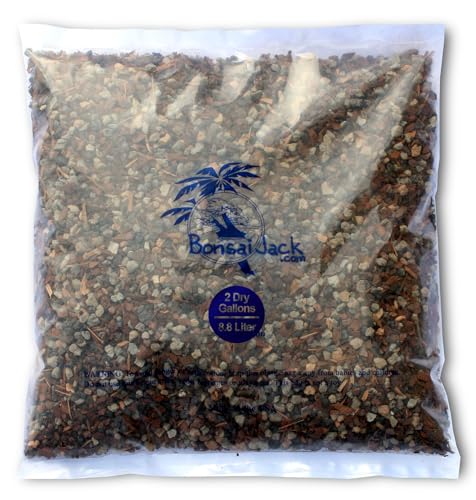
When your collection includes plants that punish any hint of overwatering, Bonsai Jack delivers the drainage most succulent growers are chasing. The mix is screened (passed through mesh to sort particles by size) and pre-washed, so dust and fine particles that usually clog drainage holes are removed before the bag ever leaves the warehouse. A 2-gallon bag holds roughly 8 dry quarts, which suits a small to medium collection of bonsai or sensitive succulents.
The pH is balanced at 6.4, which sits in the comfortable middle range for most water-storing species. Rather than a single uniform particle, the blend combines several sizes to keep airflow consistent through the root zone.
The Value In It
- Pre-screened and pre-washed, which removes fines that normally compact over time
- Balanced pH around 6.4, friendly to a wide range of succulents and tropical bonsai
- Optimized for water absorption and evaporation, so overwatering becomes harder to do
- Reusable across repottings as long as the mix is sifted to remove old root debris
Trade Offs
- Coarse texture means small cuttings and top-heavy cuttings may shift around in shallow starter pots
- Higher cost per quart than generic soils, though the drainage advantage offsets that for sensitive plants
Spec Overview
Best Suited To
Collectors with finicky haworthia, lithops, or tropical bonsai that suffer in standard peat-based mixes.
Not Your Match When
Rosy Soil Cactus & Succulent Potting Mix is a friendlier entry point for beginners who want organic nutrition built in.
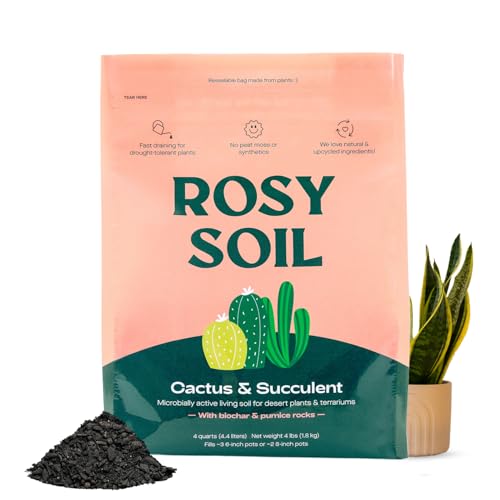
Rosy Soil built this blend specifically for the way succulents actually grow, and the chunky texture is the giveaway. Rather than packing into a dense sponge, the mix stays loose and airy, so roots breathe and excess water drains quickly through the pot. That’s the structural difference between a soil that keeps succulents alive and one that slowly rots them from the bottom up.
Worm castings and beneficial microbes add slow-release nutrition without the synthetic feel of chemical fertilizers, which suits organic-minded growers. The 4-quart bag is the right size for a windowsill collection of five to ten small succulents.
Bright Spots
- Chunky structure prevents the compaction that suffocates succulent roots
- Living biology, including worm castings and beneficial fungi, supports steady growth
- Ready to use straight from the bag for typical small to medium pots
- Organically focused ingredient list appeals to chemical-free gardeners
Points To Keep In Mind
- Loose texture can spill through standard drainage holes, so a mesh screen or coffee filter at the base helps
- Smaller 4-quart size means larger collections will go through the bag quickly
Perfect Match For
Succulent hobbyists who want a purpose-built organic blend and appreciate a chunky, breathable texture.
A Better Fit Elsewhere
Bonsai Jack Universal Organic Bonsai Soil Mix suits growers who prefer pre-screened, uniform particles over chunky organic blends.
Most indoor potting soils lean on peat moss, which is acidic, slow to renew, and prone to compaction over time. Rosy Soil swaps that peat out for biochar (a charcoal-like soil amendment that holds nutrients and improves structure), worm castings, mycorrhizae (beneficial fungi that form partnerships with roots), compost, and bark fines. The result is a living soil that supports the microscopic ecosystem plant roots rely on.
For leafy houseplants like pothos, philodendrons, and monsteras, the blend offers more nutrition per watering than inert mixes. For succulents, however, you may find it holds more moisture than ideal, so most growers cut it with extra grit.
What Earns Its Place
- Peat-free formula appeals to sustainability-minded gardeners
- Mycorrhizal fungi and beneficial microbes support strong root development
- Organic ingredients feed plants slowly, reducing the need for liquid fertilizer
- Loose texture resists compaction in long-term indoor containers
Minor Gripes
- Designed for moisture-loving tropicals, so it stays too damp for most succulents without amendments
- Smaller 4-quart size runs out fast for households with many plants
Details At A Glance
Whose Shelf It Belongs On
Indoor gardeners focused on tropical foliage who want a sustainable, living-soil alternative to peat-based mixes.
Swap It Out When
Rosy Soil Cactus & Succulent Potting Mix fits better for anyone growing primarily water-storing succulents.
Aroids like monstera, philodendron, and anthurium evolved to climb tree bark, so they crave airflow and recoil from soggy roots. This blend mirrors that habitat with chunky pine bark fines, pumice, and biochar, giving roots plenty of crevices to grip and breathe. The 4-quart size suits a couple of medium aroids or several smaller pots.
Compared to the Rosy Soil Cactus & Succulent mix reviewed earlier, this one leans even chunkier and barkier. If your collection includes aroids alongside succulents, you may find yourself keeping two separate bags on hand for each plant family.
The Practical Payoff
- Designed specifically for aroids that demand bark-rich, fast-draining conditions
- Pine bark and pumice prevent the dense, soggy pockets that rot aroid roots
- Biochar adds long-term structure and helps the mix hold nutrients without compacting
- Ready to use right from the bag for typical indoor pots
Room For Improvement
- Bark pieces can clog standard drainage holes, so a mesh cover or larger hole size helps
- Holds less moisture than typical tropical soils, so watering frequency may increase
Right Fit For
Houseplant hobbyists who collect aroids and want a blend that mimics their natural bark-climbing environment.
Reach For A Different Pick When
Rosy Soil Cactus & Succulent Potting Mix makes more sense for collections focused on water-storing desert species.
Lava rock earns its place in succulent mixes because it’s porous, mineral-stable, and never breaks down. The NUPICK bag combines six natural stone colors at roughly 3/8 inch, which is a versatile size for blending into potting soil or layering as a top dressing. Three pounds covers several small to medium pots when used as an amendment.
The porous structure (full of tiny holes that hold air and water) creates channels for drainage and airflow, which is exactly what sensitive roots need. Because the stones don’t decompose, you can sift, rinse, and reuse them across multiple repottings.
Real-World Strengths
- Porous texture drains fast while still offering some moisture buffering
- Reusable across many repottings, which lowers long-term cost
- Six-stone color mix adds visual depth when used as top dressing
- Mineral content means the rocks never decompose or compact
Softer Spots
- 3-pound bag is a small quantity for anyone amending many large pots
- Lava dust settles in the bag, so rinsing before use is widely recommended
Quick Facts
Who Should Grab It
Mixologists building their own blends who want long-lasting, reusable mineral material that won’t decompose.
Another Choice May Suit
NUPICK 1-2mm Coarse Sand is a more affordable amendment for tighter budgets.
Coarse sand is one of the cheapest ways to open up drainage in a heavy potting mix. The NUPICK bag delivers 6 pounds of natural river sand at 1 to 2 millimeters, with no dyes or artificial additives. Rinsing before use clears any residual dust, then the sand blends smoothly into coir, peat-free mixes, or commercial cactus soils.
Used at roughly a one-to-three ratio with your base mix, the sand improves drainage while still helping retain some moisture and nutrients around the roots. Six pounds covers a small collection without breaking the budget.
Advantages To Know
- Affordable way to improve drainage in standard potting soils
- Natural silica composition, free of dyes and artificial additives
- Washes clean without fading, so it can be reused across repottings
- Fine 1 to 2 mm size integrates well into smaller starter pots
Honest Caveats
- Doesn’t replace all-purpose drainage amendments like pumice or lava, which add more lasting structure
- Requires a thorough rinse before first use to wash off residual silt
Who Will Love This
Tinkerers on a budget who like to blend their own mixes and want a versatile sand amendment in a generous 6-pound bag.
Skip It When
NUPICK 3 lb Mix Horticultural Lava Rocks adds more lasting structure for growers focused on long-term drainage.
These polished pea gravel pebbles pull double duty as top dressing and as a structural layer in mixed pots. Each stone measures around 3/8 inch and arrives smooth and dust-free, ready to lay directly on the soil surface. The 3-pound bag covers several small to medium pots, especially when you only need a thin decorative layer.
Beyond looks, the pebbles help stabilize the soil surface, reduce splash when watering, and slow evaporation from the top of the pot. Dye-free and oil-free, they hold their color even after rinsing.
Features That Help
- Polished surface arrives virtually dust-free, so no prep work is needed
- Color holds up to rinsing and water exposure
- Decorative finish that elevates plain nursery pots
- Helps stabilize the soil surface and reduce watering splash
A Few Limitations
- Solid, non-porous stones don’t aerate the soil the way lava rock does, so they work best as top dressing rather than amendment
- 3-pound bag runs out quickly when covering multiple large pots
Built With In Mind
Stylish plant parents who want a polished, finished look on windowsill arrangements and gift succulents.
Where A Sibling Pick Shines
NUPICK 3 lb Mix Horticultural Lava Rocks handles drainage duty better for growers focused on root health.
Akadama is a Japanese clay-like soil amendment prized in bonsai for its balance of water retention and fast drainage. The NOHOBE bag offers hard, small-grain akadama at 1/8 to 1/4 inch, sized appropriately for small succulents and young bonsai. The 2.5-pound bag suits a small collection or a few repottings.
One of the most useful features is akadama’s color shift: the grains darken when wet and lighten as they dry, giving a visual cue for when to water next. Hard akadama breaks down more slowly than softer grades, so it lasts longer between refreshes.
Key Advantages
- Visual moisture indicator darkens when wet, simplifying watering decisions
- Hard-grade akadama resists breakdown longer than softer grades
- Small grain size suits young bonsai and small succulent pots
- Balances water retention with fast drainage, ideal for sensitive roots
Points To Note
- Higher cost per pound than most other amendments in this roundup
- Best used as part of a mix rather than standalone, so an additional base material is helpful
Who It Suits Best
Bonsai hobbyists and dedicated succulent growers who appreciate a visual watering cue and a traditional Japanese substrate.
Consider Something Else When
Bonsai Jack Universal Organic Bonsai Soil Mix is a more complete, ready-to-use option for growers who prefer a single bag.
Choosing The Right Potting Mix For Your Succulent Setup
Particle Size And Drainage
Drainage is the single most important quality in a succulent mix. Coarse, irregular particles create air pockets that let water flow through quickly instead of pooling around the roots. Fines and dust, the small particles that settle at the bottom of a bag, do the opposite by clogging drainage holes and compacting over time. For most species, aim for a mix where you can clearly see individual chunks of bark, pumice, or gravel, with little visible dust.
Organic Versus Mineral Content
Organic matter like worm castings, compost, and bark fines slowly release nutrients, which is helpful for leafy tropicals but riskier for desert succulents. A heavy organic mix holds moisture longer than most haworthia, lithops, and echeveria can tolerate. Mineral amendments like pumice, lava rock, and coarse sand never decompose, so they keep the structure loose and aerated season after season. Many experienced growers strike a balance: roughly half organic base, half mineral grit, then adjust based on climate and species.
Matching Mix To Species And Climate
Succulents in dry, sunny outdoor settings tolerate richer organic blends, while indoor plants in humid, low-light rooms need grittier mixes to compensate for slower drying. Tropical species like Christmas cactus and some haworthia appreciate more organic content, whereas desert species like cactus and most agaves demand aggressive drainage. The same principle applies to bonsai: a tropical ficus tolerates more organic matter than a juniper.
Container Size And Repotting Frequency
Small pots dry out faster than large ones, so they can support slightly richer mixes without rot risk. Large pots hold moisture longer and benefit from extra grit. Repotting every two to three years refreshes the structure before compaction becomes a problem, especially in organic-heavy blends where bark and coir slowly break down.
What Separates The Picks In Practice
Mistakes Worth Dodging
The most common slip is grabbing a bag of generic potting soil and expecting succulents to thrive. Standard mixes are engineered to hold moisture for thirsty plants like ferns and pothos, which is the opposite of what desert species need. Another frequent misstep is using fine play sand instead of coarse horticultural sand; fine sand compacts into a dense layer that suffocates roots rather than loosening the structure.
Skipping drainage holes or using pots without mesh covers is another trap. Even the best mix can’t compensate for a sealed-bottom container where water collects. Finally, misting succulents instead of deep watering creates shallow, weak roots that suffer during the next dry spell.
When Paying More Pays Off
Premium mixes earn their cost through better ingredient screening, balanced pH, and added biological activity that generic soils lack. For sensitive species like lithops or rare succulents, the upgrade usually pays for itself in avoided losses. Pre-screened, pre-washed blends also save the prep time of sifting and rinsing, which matters for anyone managing a larger collection. Cheaper base ingredients work fine when amended thoughtfully, but for growers who want one bag and one decision, the higher tier offers real convenience.
Frequently Asked Questions
Can I use regular potting soil for succulents?
Regular potting soil holds too much moisture for most succulents and often leads to root rot over time. Amending it with coarse sand, pumice, or perlite at roughly a one-to-one ratio brings it closer to a workable texture.
How often should I repot my succulents?
Most succulents benefit from repotting every two to three years, when the soil starts to compact or the plant outgrows its container. Fresh mix restores drainage and gives roots room to expand.
Do succulents need fertilizer?
Succulents grow slowly and need less fertilizer than leafy plants, but a diluted balanced feed once or twice during the active growing season supports healthier growth. Soils with worm castings or compost already provide slow-release nutrition.
What is the difference between pumice and perlite?
Pumice is a natural volcanic rock, while perlite is a heat-expanded mineral; both improve drainage, but pumice is heavier and stays in place better in tall pots, while perlite tends to float to the surface during heavy watering.
Should I add gravel to the bottom of the pot?
A mesh screen over the drainage hole prevents mix from washing out, but a layer of gravel at the bottom actually reduces usable soil depth and can trap water. The mix itself should provide the drainage, with the pot bottom simply allowing excess water to escape.
Closing Remarks
The right potting mix is the foundation of a healthy succulent collection, and the best choice depends on your climate, species, and willingness to tinker. Pre-made blends offer convenience for smaller collections and beginners, while amendment ingredients like akadama, lava rock, and coarse sand let experienced growers dial in texture precisely. Match the mix to your plants, your containers, and your watering habits, and most succulent problems take care of themselves.
