

Container-grown tomatoes live or die by the medium they root into. Garden beds buffer mistakes with native soil and a wider root zone, but a five-gallon pot has none of that safety net: water either drains too fast, stays soggy, or washes the calcium and potassium your plants need right out the bottom. The right blend keeps moisture steady, feeds the heavy feeders a fruiting tomato really is, and resists compaction so roots can push through a full season.
This roundup covers ten options worth weighing: complete organic bundles, classic peat-and-castings mixes that the container-vegetable crowd has leaned on for years, compressed soil that solves storage headaches in small spaces, and slow-release granular feeds that pair with whatever medium you already own. Every pick below is suited to pots, fabric grow bags, or window boxes, and the buying guide that follows breaks down the trade-offs that actually matter for a healthy harvest.
A Fast Comparison Of The Options

Organic Plant Magic Compressed Potting Soil + Soluble Plant Food

FoxFarm Ocean Forest Potting Soil 1.5 cu ft

Compressed Organic Potting Soil Coconut Coir & Worm Castings
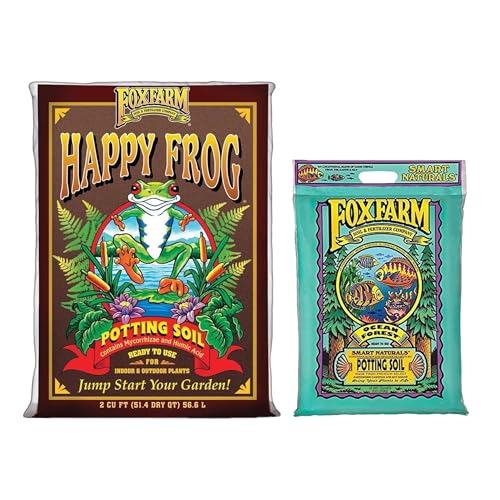
FoxFarm Happy Frog 2 cu ft + Ocean Forest 12 qt Bundle

Organic Plant Magic Compressed Soil + Granular Fertilizer Bundle

Compressed Organic Potting Soil Two 2 lb Bags (Kid & Pet Safe)

Organic Plant Magic Slow Release Granular Fertilizer 4 lb

Organic Plant Magic Soluble + Granular Fertilizer Bundle

Organic Plant Magic All-Purpose Granular Fertilizer 20 lb

Organic Plant Magic Slow Release Granular Fertilizer Two 4 lb Bags
A Closer Look At Each Pick
This bundle pairs compressed soil with a fast-acting soluble fertilizer, which solves a real beginner problem: you buy a bag of soil, transplant your tomato seedling, and then realize the feeding schedule is a whole separate decision. The compressed medium arrives as a small dry brick that expands roughly four times its size when you add water, producing up to three gallons of finished soil that stays moist noticeably longer than typical peat blends.
For a balcony setup with three or four pots, the math tends to work out cleanly. The soluble concentrate is rated to cover a generous area and mix into dozens of gallons of feed, so you can stretch it across a full growing season without restocking. If you’re new to container tomatoes and don’t yet know which fertilizer cadence suits your watering style, this pairing removes the guesswork.
Useful Strengths
- Compressed format ships light and stores on a closet shelf until needed, ideal for apartment gardeners without a garage.
- Soil-to-feed pairing means you don’t have to research two separate products or worry about nutrient mismatches during the first month.
- Water retention runs higher than basic peat mixes, giving you a buffer if your summer watering schedule slips a day.
- Soluble feed mixes on demand, so you can scale concentration up during fruiting when potassium demand spikes.
Things To Consider
- Compressed soil is efficient, but you need a bucket or tub to hydrate it in, and the expansion does generate some dust during mixing.
- Fast-acting soluble feed rewards consistent use; missed waterings during a heat wave can swing nutrient concentration if you don’t dilute properly.
Feature Snapshot
Who It Suits Best
First-time container tomato growers who want a soil-and-feed pairing without comparing two separate products.
Consider Something Else When
Growers running a dozen or more large pots should look at the Organic Plant Magic Compressed Soil + Granular Fertilizer Bundle, which offers a slower release path with less routine mixing.
FoxFarm’s Ocean Forest has been a fixture on container vegetable benches for years, and the appeal is straightforward: it comes ready to use straight from the bag, with a loose, well-aerated texture that tomato roots slide through easily. The blend is built around earthworm castings, fish meal, and crab meal, which together cover a wide base of micronutrients tomatoes pull hard during fruit set.
The 1.5 cubic foot bag handles around seven to eight gallons of mix, enough to fill a single 10-gallon fabric pot or several mid-size containers. Compared to the compressed bundles earlier, you give up the storage savings in exchange for zero prep. You cut the bag, fluff the medium, and plant. If your tomatoes are indeterminate varieties destined to grow tall and fruit heavily all summer, this blend’s nutrient profile tends to hold up without constant supplementation.
Features That Help
- Ready-to-use texture means no hydration step, no dust, and no waiting around for the medium to settle before transplanting.
- Built-in organic nutrition from earthworm castings and marine meals reduces how often you need to supplement with liquid feed in the first four to six weeks.
- Loose structure resists compaction even in a deep pot, supporting strong root development over a long season.
- Available in multi-pack configurations if you maintain a larger container garden and want to consolidate shipping.
Worth Noting
- Heavier and bulkier to store than compressed alternatives, so it works best when you have a shed, garage, or balcony corner to spare.
- As plants hit peak fruiting, you’ll still want to add a calcium-focused supplement to prevent blossom-end rot, since the base mix isn’t a complete fruiting fertilizer on its own.
Right Fit For
Indeterminate tomatoes in large containers where steady nutrition across a long season matters more than storage efficiency.
Look Elsewhere When
Apartment gardeners with no storage space will find the Compressed Organic Potting Soil more practical, since it ships and stores in a fraction of the footprint.
Storage is the headline here. A bag of compressed granules takes up a fraction of the space of a traditional peat-and-castings blend, and once you add water it expands up to four times in volume, producing roughly three gallons of finished soil from a package small enough to slide into a kitchen drawer. That’s a meaningful difference for anyone gardening on a balcony with no shed to spare.
The base is coconut coir, a renewable fiber that holds moisture well without the hydrophobic tendencies of dry peat, paired with worm castings for slow nutrient release. The mix is light and easy to work with when you’re filling fabric grow bags or window boxes. For most home growers running a few tomato pots, the trade-off in expansion effort pays off in convenience.
The Case For It
- Tiny dry footprint means you can keep a couple of bags on hand without dedicating closet or garage space to bulky soil.
- Coir base holds moisture consistently and rewets easily if it dries down between waterings.
- Worm castings deliver a gentle nutrient baseline that supports tomato seedlings through their first few weeks of growth.
Points To Keep In Mind
- Hydration requires a mixing tub and some stirring; a few minutes of work before you can pot up your plants.
- As with most compressed mixes, you’ll want a feeding plan by mid-season, since the worm castings alone won’t carry heavy fruit loads through summer.
Made For
Balcony and indoor growers who need serious storage savings and want a renewable-fiber base rather than traditional peat.
A Better Fit Elsewhere
Growers who skip the mixing step entirely and just want a bag they can cut open and pour will prefer the ready-to-use FoxFarm Ocean Forest Potting Soil.
This bundle gives you a two-footprint solution: the larger Happy Frog bag for mature tomato plantings and a smaller Ocean Forest portion for seed-starting or smaller pots. That split is genuinely useful, since seedlings benefit from a lighter, less aggressively fed medium, and mature fruiting plants want the richer nutrition Ocean Forest brings. You get to match soil to plant stage without buying two full-size bags of each.
Happy Frog is amended with soil microbes and includes earthworm castings, bat guano, and aged forest products, which together create a buffered environment that helps tomato roots absorb nutrients efficiently. The Ocean Forest side stays ready for transplanting seedlings once they outgrow their starter cells.
The Helpful Details
- Two-soil split lets you stage seedlings and mature plants with appropriately different nutrient levels in the same order.
- Happy Frog’s microbial content supports root efficiency, which tends to help tomato plants push through transplant shock faster.
- Both blends share the loose, aerated texture that container tomatoes need, so there’s no consistency mismatch between pots.
Honest Caveats
- Two large bags take up meaningful space; this is a better fit for growers with a garage, shed, or covered patio.
- Happy Frog is a complete growing medium, but at peak fruiting you’ll still want a potassium-forward supplement to support heavy tomato production.
Best Suited To
Growers rotating seedlings into larger pots who want both a starter and a mature-plant mix on hand without separate orders.
Skip It When
Tomato growers without indoor seed-starting space will get more value from the single-bag FoxFarm Ocean Forest Potting Soil.
Where the first bundle paired compressed soil with a soluble concentrate, this version swaps in a slow-release granular fertilizer, which is the path of least resistance for people who forget mid-season feeding. You hydrate the soil at planting, mix in the granules, and the nutrients release gradually rather than requiring a weekly mix-and-pour routine.
The granular side is rated to cover up to 1,000 square feet, which is generous for any home container garden, so a single bundle typically carries multiple tomato pots across an entire season. Compared to the soluble option, the trade-off is delayed response: if a plant is showing a deficiency mid-summer, you can’t dial in a quick correction the way you can with a liquid feed. The honest read is that this bundle rewards a steady, hands-off approach rather than a reactive one.
Everyday Advantages
- Slow-release granules cut the feeding frequency, ideal for growers who don’t want a strict schedule.
- Compressed soil ships light, making it easier to carry up apartment stairs or out to a balcony garden than a heavy traditional bag.
- Wide coverage area on the fertilizer means a single bundle handles a multi-pot setup without restocking mid-season.
Practical Considerations
- Slower release means deficiencies take longer to correct, so a plant already in trouble may need a separate soluble product for a quick boost.
- Granules need to be mixed into the soil at planting or top-dressed carefully to distribute evenly across the root zone.
Quick Facts
Perfect Match For
Busy growers who prefer a one-time setup at planting over a recurring feeding schedule across the season.
Reach For A Different Pick When
Anyone managing plants that need fast nutrient correction mid-season will get more flexibility from the Organic Plant Magic Compressed Potting Soil + Soluble Plant Food bundle.
Two 2-pound bags in a single order give you roughly six gallons of finished soil once hydrated, which is a comfortable fit for several mid-size tomato pots or a couple of large containers. The double-bag format splits the work into manageable batches: hydrate one bag today, the other next weekend, rather than mixing a giant tub in a single session.
The formulation is derived from worm castings and is positioned as kid and pet safe, which matters if your tomato pots share space with a dog that digs or a toddler who explores. You still want to keep any potting medium out of reach, but a worm-casting base reads as a more reassuring choice for households that prioritize gentler ingredients.
Where It Delivers
- Two-bag split keeps mixing sessions short and the workspace tidy, useful in a small kitchen or covered patio.
- Worm-castings base is a gentler option for households with kids and pets around the garden area.
- Same four-times expansion as the larger compressed options, just packaged in a more measured quantity.
Worth Bearing In Mind
- Six gallons of finished soil is a finite supply: large grow bags or many pots will burn through both bags quickly.
- Worm castings alone don’t replace a structured feeding plan for heavy-feeding tomato plants across a long season.
Who Will Love This
Families with curious pets or small children who want a gentle, organic medium and a manageable bag size for a few pots.
Swap It Out When
Growers with many large containers will get more finished soil per dollar from the single-bag Compressed Organic Potting Soil or the FoxFarm Ocean Forest Potting Soil.
This is fertilizer only, no soil included, which is exactly what you want if you already have a container mix you like and need a way to refresh the nutrient load mid-season. The granular format is designed for either planting-hole incorporation or top dressing, so you can sprinkle it onto the surface of an existing tomato pot and water it in without disturbing the roots.
Application is genuinely simple: a handful per pot, scratched into the top inch of soil, then watered through. The slow-release profile means you’re not chasing the plant with frequent reapplications. For growers who started the season with a balanced potting mix but find their tomatoes fading by midsummer, this is a useful add-on to keep in the shed.
The Good Stuff
- Top-dress application avoids disturbing established root systems in mature tomato plants.
- Slow-release format reduces the need to reapply on a strict weekly schedule.
- One 4-pound bag covers a meaningful number of mid-size containers without a huge investment.
Soft Spots
- Without a starting soil, this product assumes you already have a medium in place; it’s a complement, not a complete solution.
- Top-dressed nutrients can wash to one side of the pot under heavy watering, so distribution matters for even uptake.
Feature Card
Built With In Mind
Existing container tomato growers who want to refresh mid-season nutrition without replacing their potting mix.
Not Your Match When
First-time growers starting from scratch will do better with a soil-plus-feed bundle like the Organic Plant Magic Compressed Soil + Granular Fertilizer Bundle.
This pairing takes a different angle: it skips the soil entirely and gives you both ends of the feeding spectrum in one order. The soluble concentrate provides a fast-acting boost, useful when a plant is showing yellowing leaves or stalled growth, while the slow-release granules handle the steady background nutrition that tomatoes need over a long season.
It suits a specific kind of grower: someone who has a soil medium they already trust and wants a more flexible feeding toolkit. If you keep both products on hand, you can address an immediate deficiency in the same week you lay down a long-term nutrient base. That’s a level of control you don’t get from a single-format fertilizer.
Noteworthy Benefits
- Two feed formats in one bundle let you handle both quick corrections and steady nutrition without separate orders.
- Soluble side responds fast, so you can address a deficiency the same week it appears rather than waiting for granules to release.
- Granular side covers a wide area, so the bundle stretches across multiple pots through the season.
Things To Weigh
- Without a soil component, this assumes your potting medium is already in place and still in good shape.
- Two product formats mean two routines to learn, which adds a small mental load for newer growers.
Right Fit For
Tomato growers with established container setups who want both fast-response and slow-release feeding options in one order.
Where Another Pick Suits Better
Brand-new container gardeners will find the Organic Plant Magic Compressed Potting Soil + Soluble Plant Food bundle easier to start with, since it covers the soil decision as well.
Twenty pounds of granular fertilizer is a serious stockpile, aimed at growers who maintain many containers or rotate multiple tomato beds through a season. At this scale, you’re not thinking about a single pot, you’re thinking about a feeding program across a whole garden. The slow-release format means a single application per pot covers weeks of growth, which is what makes a large bag reasonable rather than overwhelming.
For balcony growers with three pots, this is overkill. For someone with a dozen containers along a driveway or a community plot full of fabric grow bags, the per-pot cost drops and the convenience of one bulk order outweighs the storage concern. Application stays simple: a handful per pot, worked into the top layer, watered in.
Standout Benefits
- Twenty-pound supply covers many containers or multiple seasonal rotations without reordering mid-year.
- Slow-release profile means one application carries nutrition over many weeks, reducing labor across a large setup.
- Spreadable granules work with a hand scoop or a small spreader for even distribution across bigger pot counts.
Trade-Offs To Consider
- The bag is heavy and bulky, so it works best for growers with a garage or shed to store it in.
- Bulk format only pays off if you actually have enough containers to use it within a reasonable window.
Whose Shelf It Belongs On
Growers managing many large pots or a multi-bed container garden who want a single seasonal order to cover feeding.
A Better Fit Elsewhere
Small-scale balcony gardeners with two or three pots will find the 4-pound Organic Plant Magic Slow Release Granular Fertilizer a more practical size.
Two 4-pound bags hit a middle ground between the single 4-pound size and the bulk 20-pound option, giving you enough fertilizer for a full season across a moderately sized container setup without committing to bulk storage. The double-bag format is also more practical to carry up stairs or haul out to a community garden plot than a single 20-pound sack.
For growers running somewhere between four and ten tomato pots, this is the sweet spot: enough supply to avoid mid-season restocking, light enough per bag to handle comfortably, and the same slow-release convenience as the other granular options. You can keep one bag in active rotation and store the other until needed.
The Practical Payoff
- Eight pounds of total supply suits a mid-size container garden without the bulk of a 20-pound bag.
- Two-bag format is easier to handle and store than a single heavy sack, especially for growers without a garage.
- Same slow-release profile as the single 4-pound bag, so application routine stays straightforward.
Smaller Limitations
- Still fertilizer only, so it assumes a soil medium is already in place or coming from a separate order.
- For very large container counts, the 20-pound bag delivers a better per-pound value despite heavier handling.
Essential Details
The Right Fit
Mid-size container tomato growers who want a season’s worth of feed without committing to a 20-pound bulk bag.
Consider Something Else When
Growers with more than a dozen large pots will find the 20-pound Organic Plant Magic All-Purpose Granular Fertilizer more economical in the long run.
What To Look For In Potting Mixes For Potted Tomatoes
Drainage And Aeration Come First
Tomato roots need oxygen almost as much as they need water, and a compacted, dense medium suffocates them fast. Look for blends that include perlite, pumice, coarse organic matter, or coco coir, ingredients that keep pore spaces open even after months of watering. If water sits on the surface of a pot for more than a few seconds, the mix is too dense for healthy root development.
Nutrient Profile For Heavy Feeders
Tomatoes pull large amounts of potassium and calcium across a fruiting season, far more than lighter-feeding plants like herbs or greens. A potting mix with built-in organic nutrition from worm castings, composted bark, or marine meals gives you a head start, but plan to supplement with a potassium-forward fertilizer once fruit starts to set. Calcium is especially important: a deficiency shows up as blossom-end rot, a sunken dark patch on the bottom of the fruit that ruins an otherwise healthy tomato.
Water Retention Without Sogginess
Container soil needs to hold moisture between waterings, but it can’t stay waterlogged or roots rot. Coconut coir and peat both retain moisture well; perlite and pine bark improve drainage. The ideal blend balances these so the pot stays evenly moist for a day or two between waterings in summer heat, rather than swinging from soaked to bone-dry.
Format Matters For Your Space
Compressed soils save serious storage space and ship light, but require a mixing step before you can pot up. Ready-to-use bags cut out the prep work but take up more room and weigh more to handle. For a balcony with no shed, compressed makes sense. For a garage with room to spare, the ready-to-use option is more convenient.
Smart Choices Across The Category
Common Slip-Ups Worth Avoiding
The most frequent mistake is using garden soil in a container. Native soil compacts badly in pots, holds too much water, and often carries pathogens or weed seeds. A second pitfall is choosing a mix without enough drainage material, which leads to root rot in a hot, frequently watered tomato pot. Finally, skipping mid-season feeding because the bag promised “everything your plants need” is a common letdown: even the richest mix depletes over a long fruiting season.
Where The Premium Tier Pays Off
Higher-tier blends like the FoxFarm Ocean Forest and Happy Frog bundles earn their place through richer organic inputs and careful texture engineering. They tend to support a full season with less supplementation, and their loose structure holds up over months of watering without compacting. For a serious tomato harvest in containers, the upgrade often shows up as more uniform fruit set and fewer nutrient issues late in the season, which is meaningful when you’ve invested months of care.
Frequently Asked Questions
How Often Should I Water Container Tomatoes?
Most container tomatoes need watering once daily in warm weather, sometimes twice during heat waves, especially in fabric grow bags or dark-colored pots that heat up. Check the top inch of soil: if it feels dry, water thoroughly until it drains from the bottom.
Can I Reuse Potting Soil From Last Season?
You can, but it’s wise to refresh it. Old mix loses structure and nutrients, and may harbor overwintering pests or pathogens. Mix in a fresh portion of compost or a slow-release granular fertilizer, and consider replacing the top third of the medium in each pot.
Do Tomatoes Need A Specific pH In Containers?
Tomatoes prefer a slightly acidic to neutral pH, generally between 6.0 and 6.8. Most quality potting mixes sit comfortably in this range, so you typically don’t need to adjust. If you’re repurposing old mix or using a homemade blend, a simple pH test kit removes the guesswork.
Is Organic Potting Mix Worth It For Tomatoes?
Organic mixes often support stronger microbial activity in the root zone, which helps tomato roots access nutrients efficiently. They’re a solid choice for edible crops, especially if you prefer to avoid synthetic fertilizers. The trade-off is that organic nutrition tends to release more slowly, so supplementing with a granular feed mid-season is often necessary.
What Size Container Works Best For Tomatoes?
Most tomato varieties want at least five gallons of soil per plant, with indeterminate types preferring ten gallons or more. Bigger pots hold moisture longer, give roots more room, and tend to produce steadier harvests. A container that’s too small constrains both water availability and nutrient supply, no matter how good the mix is.
Final Verdict
The right potting mix for container tomatoes comes down to your space, your feeding style, and how many pots you’re managing. Compressed bundles suit storage-tight balconies, while ready-to-use blends reward growers with room to spare. Granular feeds handle steady nutrition, soluble concentrates handle quick corrections, and a complete bundle removes the early-season guesswork. Pick the format that matches how you actually garden, and your tomatoes will tell you the rest by midsummer.
