

A vegetable patch, even a small one, lives or dies by what’s beneath the surface. Edibles pull more from the medium than ornamentals do, draining nutrients fast and demanding steady moisture without sitting in soggy roots. A kitchen gardener working with raised beds, a balcony grower nursing basil through winter, and a hobbyist starting tomatoes from seed all need different things from a bag of soil, and most generic mixes fall flat somewhere along the way.
The list below lines up ten potting soils covering those real situations, from compressed bricks that store in a closet to rich in-ground blends built for vegetable beds. Each pick is sized for a specific scenario, so match your garden, not just your wishlist.
A Snapshot Of The Selections

MODELLOR Coco Coir Bricks (4-Pack, 5 lb)

FoxFarm Ocean Forest Potting Soil (1.5 cu ft)

Organic Plant Magic Compressed Potting Soil

Leaves & Soul Indoor Herb Soil Mix (2.2 Qt)

Leaves & Soul Bonsai Soil Mix (2.2 Qt)

GARDENWISE Olive Tree Potting Mix (3 Qt)

Coast of Maine Cobscook Blend Garden Soil (1 cu ft)

Miracle-Gro Indoor Potting Mix (6 qt, 2-Pack)
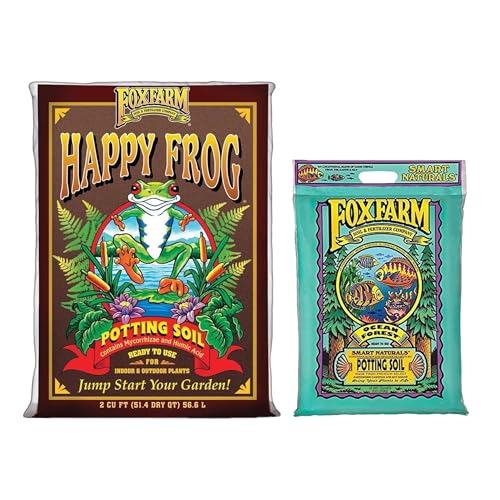
FoxFarm Happy Frog + Ocean Forest Bundle

Leaves & Soul Orchid Soil Mix (2.2 Qt)
The Picks, Examined More Closely
Compressed coco coir solves a problem every small-space gardener knows: where do you store a 40-pound bag of soil when your apartment has one closet? These four bricks weigh just 5 lb total and sit on a shelf until you need them. Drop one in a bucket, add water, and it fluffs into a light, peat-free growing medium ideal for seed-starting trays and herb pots on a sunny windowsill.
Coco coir is the fibrous husk of coconut shells, processed into a soil-like material that holds moisture while letting air reach the roots. Gardeners who find traditional peat too acidic often switch to coir for a steadier pH range. Pair this brick with the FoxFarm Ocean Forest bag if you want richer nutrition for hungrier crops later in the season.
What Makes Sense
- Each brick expands to roughly 2.25 gallons of fluffy medium, enough to fill a standard six-cell seed tray with room to spare.
- Shelf life is essentially unlimited when kept dry, so you only hydrate what you need today.
- pH-balanced and low in salts, giving delicate herb seedlings a clean start without the burn risk of richer mixes.
- Peat-free format suits gardeners avoiding bog-based products for environmental reasons.
Points To Keep In Mind
- Coir on its own carries minimal nutrition, so plan on adding fertilizer or blending with a richer mix for fruiting vegetables.
- Hydration takes a few minutes and a large bucket, which can feel like extra cleanup for a quick repotting job.
- Lightweight texture dries faster than peat-based blends in summer heat.
Who It Suits Best
Apartment gardeners and seed-starters working with limited storage who want a clean, peat-free medium for trays and small herb pots.
Skip It When
You want a single bag ready to use straight from the package for a large container garden; the FoxFarm Ocean Forest Potting Soil fits that scenario better.
This is the bag that quietly anchors a lot of serious container gardens. FoxFarm’s Ocean Forest arrives ready to use, with a light, aerated texture that drains well but still holds enough moisture for thirsty crops like tomatoes and peppers. The blend leans on earthworm castings, fish meal, and crab meal to feed plants through the first several weeks of growth.
Compared to the compressed MODELLOR bricks above, this is a different workflow: heavier, more nutrient-dense, and meant to be poured straight into a planter. A 1.5 cu ft bag fills roughly two five-gallon containers, so a small patio garden of mixed vegetables and herbs gets through one bag without trouble.
Strong Points
- Ready to use straight from the bag, no mixing or hydrating required.
- Built-in nutrition from earthworm castings and ocean-derived meals supports seedlings through transplant shock.
- Aerated texture resists compaction in long-term container use.
- pH-adjusted out of the bag, taking one variable off your plate.
Things To Consider
- Strong organic smell at opening that fades after a day or two, awkward for indoor use in a small room.
- Heavier than compressed options, weighing down delivery costs and shelf trips.
- Nutrients deplete after four to six weeks, so plan a feeding schedule for hungry crops.
Built With In Mind
Container gardeners growing a mix of vegetables and herbs who want a nutrient-loaded, ready-to-use blend without prep work.
Look Elsewhere When
You’re working with raised beds or in-ground plots and need bulk amendment; the Coast of Maine Cobscook Blend is built for that scale.
Lightweight granules that swell into usable soil when water hits them. The resealable bag keeps things tidy between sessions, which matters when you only repot one herb at a time. The formula pulls from coconut coir and worm castings, so it leans organic while still carrying enough nutrition for the first month of growth.
Unlike the loose bag of Ocean Forest, this arrives in a small pouch that tucks into a drawer. You add water, watch it expand up to four times in volume, and pot up whatever needs fresh medium. For renters and balcony growers, that storage footprint alone can be the deciding factor.
Positive Points
- Tiny dry footprint, ideal for apartments and small sheds.
- Expands up to 4x with water, producing up to 3 gallons per application.
- Carries worm castings for an organic nutrient baseline.
Room For Improvement
- Smaller yield per bag than the FoxFarm or Coast of Maine options, so larger projects need multiple pouches.
- Needs manual mixing during hydration to break up dry pockets.
- Granule size varies, occasionally leaving clumps that don’t fully break down.
Best Suited To
Small-space gardeners who want a compact, storable mix for one or two herb containers at a time.
Consider Something Else When
You’re filling multiple raised beds in one go and want to skip the hydration step; the Coast of Maine Cobscook Blend gives you ready-to-spread material by the cubic foot.
Most generic mixes treat herbs like any other houseplant, but basil, mint, rosemary, and thyme have different moisture preferences. This blend leans toward the well-draining side without going as dry as the bonsai mix below, which makes it a sensible middle path for a kitchen windowsill collection.
At 2.2 quarts, the bag covers two or three small pots without much leftover. Pair it with the MODELLOR bricks for starting seedlings and switching to this blend once the plants move to their permanent containers.
What Stands Out
- Formulated specifically for kitchen herbs rather than general foliage.
- Compact 2.2 qt bag matches the scale of a windowsill garden.
- Targets the moisture balance that Mediterranean and leafy herbs actually prefer.
Small Caveats
- Small bag size means frequent replacement for anyone with more than a few pots.
- Still benefits from light fertilizing after the first month of growth.
Whose Shelf It Belongs On
Home cooks and windowsill gardeners growing a handful of culinary herbs in small indoor pots.
Where A Sibling Pick Shines
You’re starting seeds rather than transplanting established herb starts; the MODELLOR Coco Coir Bricks handle that stage more cleanly.
Bonsai mixes prioritize drainage above almost everything else, and that same aggressive airflow helps Mediterranean herbs like rosemary and thyme that hate wet feet. The blend combines lava, limestone, pumice (pearock), calcined clay, and pine bark in a chunky texture that resists compaction in shallow pots.
This isn’t a general vegetable or herb mix, but for woody herbs kept in terracotta pots on a sunny patio, the drainage profile is exactly right. The 2.2 qt bag suits a small bonsai collection or a few herb pots.
Practical Advantages
- Fast-draining composition prevents the root rot that ends most rosemary pots.
- Chunky texture creates the air pockets that woody Mediterranean herbs need.
- Made in the USA with a traceable ingredient list.
- Reusable across repotting cycles if screened for root debris.
Honest Caveats
- Too dry for leafy herbs like basil or parsley, which prefer steady moisture.
- Smaller volume than the vegetable-focused mixes on this list.
The Right Fit
Gardeners growing rosemary, thyme, oregano, or bonsai trees in shallow containers where drainage matters more than nutrient density.
A Better Fit Elsewhere
You want a single mix that handles both leafy and woody herbs together; the Leaves & Soul Indoor Herb Soil Mix is built for that mixed windowsill.
Olive trees pull double duty as edible ornamentals, and they need a soil that mimics their native Mediterranean hillside: gritty, well-drained, and lean on the nutrient side. GARDENWISE builds around worm castings, compost, and limestone to balance moisture retention with drainage in both indoor and outdoor pots.
The mix also works for other drought-tolerant herbs like lavender and sage, which share the same dry-soil preference. For mixed herb planters, blending this with the standard Leaves & Soul indoor mix creates a balanced texture.
A Few Strong Suits
- Mediterranean-style drainage suited to olives, lavender, and sage.
- Organic ingredients including worm castings and compost for slow nutrient release.
- Limestone component helps buffer pH in regions with acidic tap water.
- Suitable for both indoor and outdoor olive containers.
A Few Limitations
- Niche application; not useful for moisture-loving crops like basil or lettuce.
- 3-quart volume suits small olive specimens or single herb planters.
Who Should Grab It
Olive tree owners and gardeners cultivating drought-tolerant Mediterranean herbs in containers.
Reach For A Different Pick When
Your herb garden leans toward leafy greens and annual vegetables; the FoxFarm Ocean Forest Potting Soil supports that broader mix better.
In-ground vegetable beds and raised planters have different needs than patio containers, and this blend addresses that. Sphagnum peat moss, compost, and aged bark combine into a soil-building mix meant to be worked into existing ground or layered onto a tired bed.
Where the bagged mixes above are designed to be the entire root environment, this one acts as an amendment. Tilling it into sandy or compacted clay over a season transforms the soil structure for vegetable roots. A 1 cu ft bag covers a few square feet at a two-inch top-dress depth.
Reasons It Performs
- Combines peat, compost, and aged bark for balanced organic matter.
- Suited for mixing into compacted or sandy in-ground beds.
- Doubles as a top-dress to suppress weeds in established beds.
- Useful across flower beds, vegetable plots, and lawn repair.
Where It May Fall Short
- Not a standalone potting mix for containers; needs to be blended into existing soil.
- Heavier and bulkier to transport than compressed options.
Made For
Backyard vegetable gardeners working raised beds or in-ground plots who need to rebuild tired soil over a season.
Not Your Match When
You’re filling balcony containers from scratch; the FoxFarm Ocean Forest Potting Soil is a true standalone container medium.
Miracle-Gro’s indoor blend sits in the comfortable middle of the category. Sphagnum peat moss, coir, and perlite combine into a lightweight mix that handles the moisture swings common on a kitchen windowsill. The two-pack format offers practical value for anyone running several small pots at once.
It’s not as nutrient-loaded as FoxFarm’s Ocean Forest, so plan on supplemental feeding once herbs pass the seedling stage. Where it shines is forgiving texture: a beginner overwatering by a day won’t kill the plant.
What Pays Off
- Lightweight perlite blend reduces compaction in long-term indoor use.
- Two-pack format suits a multi-pot setup without breaking storage.
- Forgiving moisture behavior for newer gardeners still learning watering rhythms.
What To Weigh
- Nutrient load runs lighter than the FoxFarm options, so fertilizing is essential within weeks.
- Generic formulation doesn’t target any specific herb type.
Perfect Match For
Beginner indoor gardeners starting a mixed collection of leafy herbs and small vegetables in standard containers.
Another Choice May Suit
You want a richer, ready-to-use blend for hungrier crops without supplementing; the FoxFarm Ocean Forest Potting Soil ships pre-charged with nutrition.
Two of FoxFarm’s most popular blends bundled together. The Happy Frog 2 cu ft bag works well for vegetative growth with its soil microbe amendments, while the included Ocean Forest 12 qt portion handles the more demanding flowering and fruiting stage. Together, they cover a full growing season for a moderately sized vegetable garden.
This isn’t the right pick for a single windowsill herb pot, but for a backyard setup with multiple containers or a small raised bed, having both blends on hand removes the guesswork. Match Happy Frog to leafy greens and Ocean Forest to tomatoes, peppers, and heavy feeders.
Well-Handled Touches
- Covers both vegetative and fruiting growth stages in one bundle.
- Happy Frog includes soil microbes that support root efficiency.
- Ocean Forest’s ocean-derived meals feed hungry crops through bloom and fruit set.
- Combined volume suits a multi-container patio garden.
Practical Considerations
- Bulk size demands storage space and a way to move heavy bags home.
- Premium cost only makes sense for gardeners using both blends over a full season.
Who Will Love This
Committed patio and small-yard growers running a mixed vegetable garden across multiple containers over a full season.
Swap It Out When
You only need one blend for a modest herb collection; the standalone FoxFarm Ocean Forest Potting Soil handles that scenario without the second bag sitting around.
Orchids and bromeliads live as epiphytes in the wild, which means they grow on other plants rather than in soil. Replicating that at home demands a chunky, fast-draining mix of lava rock, calcined clay, and pine bark. This blend nails that texture while staying clean and ready to use straight from the bag.
Included on this list as a reminder that not every edible garden fits in a vegetable bed. Tropical fruit growers and indoor citrus keepers often need this kind of coarse, airy medium for healthy root development in tight pots.
The Upside
- Coarse texture mimics the epiphytic growing conditions orchids and bromeliads need.
- Fast drainage prevents the root suffocation common in dense bagged mixes.
- Stable bark component resists breakdown across multiple growing seasons.
- Made in the USA with consistent ingredient sizing.
Potential Compromises
- Niche application that doesn’t translate to typical vegetable gardening.
- Higher cost per quart than general-purpose mixes.
Right Fit For
Indoor tropical plant enthusiasts and bromeliad growers who want a ready-to-use, professionally formulated epiphytic medium.
Where Another Pick Suits Better
Your garden centers on culinary herbs and annual vegetables; the Leaves & Soul Indoor Herb Soil Mix targets that audience directly.
Matching Soil To Growing Style
Vegetable and herb gardens come in more shapes than bags fit neatly into. A kitchen windowsill of basil pots and a backyard raised bed share almost nothing in root depth, watering frequency, or nutrient demand. The right mix for one is the wrong fit for the other.
Container gardeners benefit most from ready-to-use blends with built-in fertilizer and aeration. The FoxFarm Ocean Forest handles a wide range of herbs and fruiting vegetables without amendment. Compressed options like MODELLOR Coco Coir Bricks work when storage and shipping weight matter, though they need rehydration and supplemental feeding.
In-ground and raised bed setups need something different: an amendment that improves existing soil structure rather than replaces it. The Coast of Maine Cobscook Blend works into sandy or clay-heavy ground across a season, building organic matter that vegetables respond to over time.
Specialty herbs and woody plants have their own preferences. Rosemary, thyme, and bonsai want sharp drainage that prevents root rot in terracotta pots. The Leaves & Soul Bonsai Soil Mix delivers that airflow. Mediterranean herbs like lavender and olives need similar dryness, which the GARDENWISE Olive Tree Potting Mix addresses.
Moisture Balance Across Crops
Leafy herbs like basil, mint, and parsley prefer steady moisture without waterlogging. Fruiting vegetables like tomatoes and peppers want more nutrition but similar moisture consistency. Mediterranean and woody herbs actively suffer in wet soil. Choose a blend that matches the thirstiest plant in your collection, since one pot dries faster than its neighbors.
Drainage And Aeration
Roots need air as much as water, and compacted soil suffocates vegetables long before it starves them. Perlite, pine bark, and calcined clay create the air pockets that prevent that collapse. For containers that sit in full sun all day, leaning toward grittier mixes protects against accidental overwatering.
Nutrition And Feeding
Even the richest bagged mix runs out of nutrients within a month or two for hungry crops. Layer in a feeding plan from the start: liquid fertilizer for containers, slow-release granules for raised beds, and compost top-dressing for in-ground plots. Treating soil as a living system rather than a one-time purchase keeps vegetables productive across the season.
Mistakes Worth Dodging And Where The Premium Pays Off
Where Shoppers Go Wrong
Grabbing a single “all-purpose” bag and expecting it to handle every plant is the most common slip. All-purpose mixes lean toward general foliage plants, which means they hold too much moisture for woody herbs and run too lean for heavy-feeding tomatoes. Match the soil to the dominant plant, and supplement from there.
Container size trips up beginners who underestimate how much soil a five-gallon pot actually holds. Buying one bag and running short halfway through a project means a last-minute trip with whatever’s left on the shelf. Measure your containers in quarts or cubic feet before ordering.
When Paying More Pays Off
Premium blends like FoxFarm Ocean Forest and Happy Frog carry organic meals and microbial amendments that cheaper bags skip. For fruiting vegetables and longer-season crops, that built-in nutrition matters because it carries the plant through the most demanding growth stage.
Specialty mixes like the bonsai and orchid blends cost more per quart because the ingredients are chunkier and harder to source. For their target plants, the drainage they provide prevents the root rot that cheap bags cause. Paying up is worth it whenever a plant has died from wet feet before.
Frequently Asked Questions
How Often Should Potting Soil Be Replaced In Containers?
Most container vegetables benefit from a full refresh once a year, either between growing seasons or at the start of a new planting cycle. Over time, organic matter breaks down, drainage collapses, and salt buildup from fertilizer accumulates. Top-dressing with compost between full refreshes extends the useful life of the original mix.
Can The Same Soil Be Used For Vegetables And Herbs Together?
Yes, most versatile container blends like FoxFarm Ocean Forest handle mixed plantings of herbs and vegetables in the same pot. The exception comes with herbs that prefer dry conditions, like rosemary or thyme, which struggle when paired with moisture-loving basil in the same container. Group plants by water preference rather than by category.
Is Organic Potting Soil Always Better Than Conventional?
Organic mixes avoid synthetic fertilizers and rely on compost, worm castings, and natural meals for nutrition. They tend to feed more slowly, which suits long-season vegetables. Conventional mixes often deliver nutrients faster through mineral salts, useful for quick-growing annuals. The honest answer depends on your feeding habits and how quickly you want results.
What Is The Best Soil Mix For Starting Vegetable Seeds Indoors?
A sterile, peat-free medium with fine texture works best for indoor seed starting. Coco coir bricks like MODELLOR give you that clean, light texture without the damping-off risk that denser mixes carry. Fine perlite improves drainage further, and most seeds don’t need added nutrition until they develop true leaves.
Do Raised Beds Need Different Soil Than Containers?
Raised beds sit closer to in-ground gardening than to container gardening, especially deeper beds. They need organic matter that improves structure over time, like the Coast of Maine Cobscook Blend. Container mixes work in shallow raised beds but tend to compact and drain too fast in deeper setups where a true garden soil performs better.
Wrap Up
The best soil for your garden depends less on the brand name and more on what’s actually growing. Match the mix to the plant, the container, and your willingness to feed through the season. Pick a bag that suits your dominant crop, supplement as needed, and don’t be afraid to blend two products together when your collection spans leafy and woody herbs. That’s where most thriving edible gardens actually start.
