

Healthy succulents start with the right substrate. Regular potting soil holds too much moisture around fleshy roots, leading to rot within days. The mixes below cover different setups, from windowsill haworthia collections to outdoor dish gardens, so you can match drainage, particle size, and budget to what you actually grow.
A Closer Look At The Lineup

ZeeDix 3QT Coarse Perlite for Plants

MODELLOR Coco Coir Bricks, 4-Pack (5 lb)

FoxFarm Ocean Forest Potting Soil, 1.5cu ft
Bonsai Jack Universal Organic Bonsai Soil Mix #221, 2 Gallons
Rosy Soil Cactus & Succulent Potting Mix, 4 Quarts

ZeeDix 6QT Coarse Perlite for Plants

ZeeDix 3QT Tropical Potting Mix
ZeeDix 1QT Coarse Perlite for Plants

NOHOBE 2.5lb Hard Akadama Bonsai Soil

ZeeDix 1QT Tropical Potting Mix for Plants
A Deeper Look At The Lineup
ZeeDix’s 3-quart perlite bag is a DIY builder’s friend, especially if you prefer to mix your own substrate rather than buy a finished blend. Perlite is a heat-expanded volcanic glass that holds a small amount of moisture while letting excess water drain quickly, which is exactly what shallow succulent roots need. The 3-9mm coarse grade creates air pockets that prevent compaction over time.
For a small windowsill collection of three or four pots, 3 quarts stretches further than you might expect when combined with potting soil or coco coir. You can also use it as a top dressing to keep leaves off damp soil. This sits in a different lane than a pre-blended option like Rosy Soil’s chunky mix later in the list.
A Few Highlights
- Coarse 3-9mm particles resist breaking down into dust
- Lightweight bag is easy to carry up apartment stairs
- Useful for orchids, succulents, and seed starting alike
- Lets you control the final mix ratio to your taste
Things To Consider
- Perlite dust can irritate lungs, so dampen before pouring
- Not a standalone medium; you still need soil or coir to blend with
- Floats to the surface during heavy watering in some pots
Made For
Hobbyists who already know their preferred soil ratio and want a low-cost way to dial in drainage for a few pots.
Consider Something Else When
Beginners who want a ready-to-use bag should reach for Rosy Soil Cactus & Succulent Potting Mix instead.
Four compressed bricks totaling five pounds expand into roughly nine gallons of fluffy coir once hydrated, which solves a real apartment-storage problem. Coco coir is the fibrous husk of coconut shells, and the triple-washed, low-EC (low electrical conductivity, meaning fewer residual salts) version keeps sensitive roots from reacting to hidden mineral content. The pH-balanced starting point removes one guesswork step.
For succulent growers, coir works best blended with gritty amendments rather than used solo. Pair a brick with the perlite picks further down and you have a peat-free base that drains cleanly. The compact format also travels well if you only visit your garden shed occasionally.
Useful Touches
- Compresses to a fraction of expanded volume for tight shelves
- Pre-washed to reduce the salt load on tender roots
- pH-balanced so you skip a calibration step
- Organic base that suits sustainable gardening setups
- Rehydrates with warm water in under an hour
Worth Noting
- Holds more moisture than gritty mixes, so adjust watering
- Requires rehydration time before first use
Feature Snapshot
Who It Suits Best
Apartment growers with limited closet space who need shelf-stable medium that fluffs up only when needed.
Look Elsewhere When
You want a single ready-to-pour bag with no prep, in which case FoxFarm Ocean Forest Potting Soil is the easier path.
FoxFarm’s Ocean Forest is a familiar sight on greenhouse benches, and the 1.5 cubic foot bag suits a mixed container garden where succulents share space with foliage plants. The light, aerated texture comes from screened peat and forest humus, plus crab meal, fish meal, and earthworm castings that feed plants slowly as you water. Out of the bag, it smells like fresh soil and feels loose between your fingers.
For strict succulent-only use, many growers cut it 50/50 with perlite or pumice to sharpen drainage. On its own, it can stay damp a little longer than desert species tolerate, so keep that in mind. Compared to the compressed coco coir option above, this skips hydration time entirely.
Practical Pluses
- Ready to use straight from the bag
- Includes organic amendments that feed plants over time
- Larger 1.5 cu ft volume fits multi-plant repotting sessions
- Screened texture reduces the chance of large clumps
- Available in multi-pack formats for bigger projects
Trade Offs
- Retains more moisture than true cactus mixes, so amend for succulents
- Heavier bag to haul than compressed alternatives
- Strong earthy scent at first pour, noticeable indoors
Right Fit For
Container gardeners who keep succulents alongside tropicals and want one versatile bag to cover both.
Skip It When
You keep arid species like lithops that demand a gritty, fast-draining substrate like Bonsai Jack Universal Organic Bonsai Soil Mix.
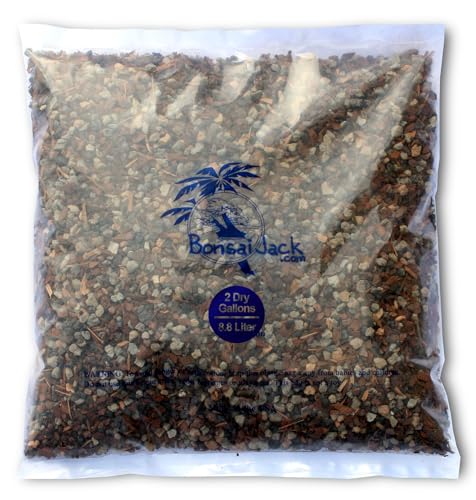
Bonsai Jack’s mix is the kind of substrate that arrives ready to use, screened to remove fines, and pre-washed to drop the dust level. Particle uniformity is the real story here: every granule sits in a similar range, which keeps air pockets open around roots and prevents the settling that strangles stems. The pH of 6.4 sits comfortably inside the range that most succulents tolerate.
The two-gallon bag covers a modest collection without becoming a storage burden. Where this stands apart from the perlite picks above is that you skip the blending step entirely. Drainage is consistent pot to pot, which matters when you water on a schedule.
The Upside
- Pre-washed and screened for immediate use
- Uniform particle size promotes even root development
- Optimized pH near 6.4 suits most succulents
- Available in larger sizes for serious collections
- Drains fast to prevent the rot that succulent roots hate
Things To Consider
- Pricier per quart than DIY blends
- Two gallons goes quickly on larger outdoor containers
Best Suited To
Detail-oriented growers who want predictable drainage and are willing to pay for the convenience of a finished mix.
Not Your Match When
Budget shoppers filling many pots should mix their own using ZeeDix 6QT Coarse Perlite and a base soil instead.
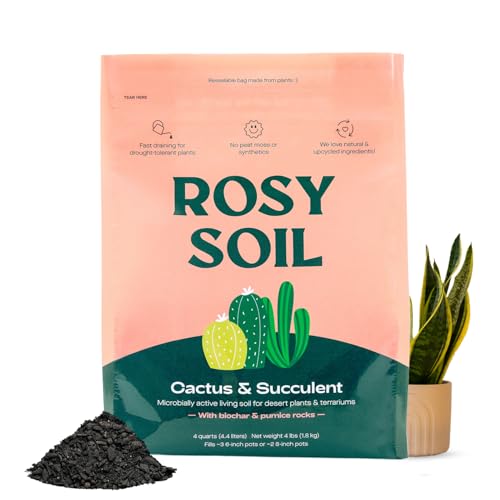
Rosy Soil leans hard into the chunky side of the spectrum, and that is the point. Most generic cactus soils pack too tight and stay damp long after the surface looks dry; this blend stays loose so roots can breathe and excess moisture can escape. The mix includes beneficial fungi, microorganisms, and worm castings to support the soil biology that helps plants pull nutrients.
The four-quart bag is sized for an indoor collection of a half dozen small pots or one larger repotting job. Compared to the screened Bonsai Jack option above, the texture here is more irregular, with visible chunks of pine bark or pumice. That irregularity helps anchor top-heavy stems.
Everyday Advantages
- Chunky texture resists compaction over months of watering
- Worm castings add gentle, slow-release nutrition
- Living microbe blend supports root zone biology
- No measuring or blending required at potting time
Room For Improvement
- Coarse chunks can fall through pots with large drainage holes
- Higher price per quart than plain perlite or coir
Who Will Love This
Indoor succulent collectors who want one bag that works straight from the package without supplemental amendments.
A Better Fit Elsewhere
Outdoor patio gardeners filling deep planters should pair NOHOBE 2.5lb Hard Akadama Bonsai Soil with a base mix for better long-term drainage.
The 6-quart sibling to the smaller ZeeDix bag above doubles down on the same coarse 3-9mm perlite grade but in a batch-friendly volume. For growers repotting a whole shelf of succulents at once, the larger bag keeps you from running out halfway through. The perlite still serves the same function: lightening the mix and creating drainage channels.
You still mix this with soil or coir rather than using it solo, but the math is friendlier on the wallet when you have more pots to fill. Compared to a finished cactus blend like Rosy Soil, perlite gives you complete control over ratios but adds a prep step.
Strong Points
- Six-quart size covers a full repotting session
- Same coarse grade that resists compaction
- Useful for cuttings, propagation, and seed starting too
- Lowers overall cost per quart versus smaller bags
- Stores dry in a garage or shed without spoiling
Worth Noting
- Requires pairing with another medium to anchor plants
- Same dust concerns as any perlite: dampen before pouring
- Larger bag may be awkward to lift overhead onto shelves
Feature Snapshot
Perfect Match For
Multi-pot growers running batch repotting who want to mix a custom blend for each shelf.
Where Another Pick Suits Better
If you only keep one or two succulents on a desk, the ZeeDix 1QT Coarse Perlite is the more proportionate size.
The tropical blend in the ZeeDix lineup aims at a different audience, but it still has a role in a succulent rotation. The bag markets itself for monstera, pothos, philodendron, and fern, but the pre-mixed 5-in-1 formula offers reasonable drainage that suits less delicate succulents such as jade or Christmas cactus. The no-blend convenience matters if you do not want to fiddle with ratios.
For a desk collection where you want one bag to cover a small pothos next to a haworthia, this versatility earns its place. Where it falls short is with true desert species that need a grittier, drier home like the Bonsai Jack mix above.
Positive Points
- Pre-blended 5-in-1 formula skips measuring
- Ready to pour straight from the bag
- Doubles as a tropical plant medium if your shelf is mixed
- 3-quart size fits a single repotting session
Honest Caveats
- Texture stays wetter than dedicated cactus blends
- Less suitable for arid lithops and similar desert species
- Not the strongest fit if succulents dominate your collection
Built With In Mind
Beginners repotting a small mixed shelf of succulents and tropicals who want one bag for everything.
Reach For A Different Pick When
Your collection is mostly true cacti and succulents, in which case Rosy Soil Cactus & Succulent Potting Mix is the sharper match.
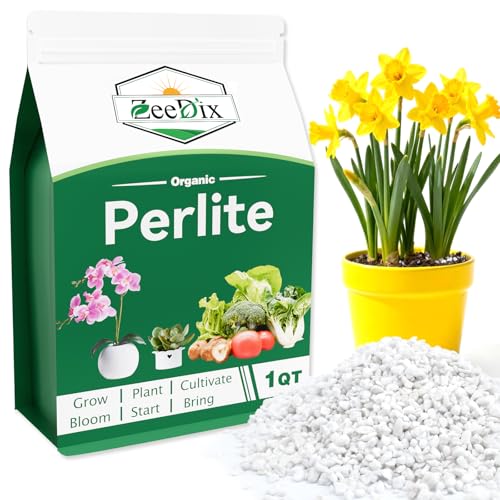
The 1-quart perlite is the smallest tier in the ZeeDix lineup, and that is its real appeal. A single windowsill grower with two or three pots does not need a six-quart bag taking up closet space. The same 3-9mm coarse grade appears here, so performance matches the larger bags. For trial-and-error mixers, the small bag also keeps you from wasting money if your recipe evolves.
One quart is enough to amend a small bag of soil or top-dress a few pots. Where it falls short is any meaningful repotting project; you will run out fast. For multi-pot sessions, stepping up to the 6-quart bag is the smarter call.
What Helps Most
- Tiny footprint fits in a kitchen drawer or small shelf
- Same coarse grade as larger ZeeDix bags
- Low commitment for first-time perlite users
- Good for topping off one or two pots
Points To Note
- Runs out quickly on bigger jobs
- Per-quart cost is higher than larger sizes
Whose Shelf It Belongs On
Single-pot or small-collection owners who want perlite on hand for occasional touch-ups.
Swap It Out When
You repot more than three pots at a time, in which case the ZeeDix 6QT Coarse Perlite is the better value.
Akadama is a Japanese clay-like granule that bonsai growers have trusted for decades, and this small-grain (1/8 to 1/4 inch) version fits shallow succulent pots. The clay holds moisture in its structure while letting excess drain past the particles. A useful side effect is that akadama darkens when wet, giving you a visible watering cue without sticking your finger in the soil.
The 2.5-pound bag covers a small collection, though serious akadama users typically blend it with pumice or lava rock. Compared to perlite, akadama adds more weight to the pot, which anchors taller succulents that would otherwise tip. The grain does break down over years and needs replacing.
A Favorable Mix
- Darkens visibly when wet for at-a-glance watering cues
- Hard grain resists compaction longer than softer amendments
- Small 1/8-1/4 inch size fits shallow pots
- Adds ballast for top-heavy arrangements
A Few Limitations
- Hard particles require sifting dust before first use
- Eventually breaks down and needs refreshing every few years
- Heavier to ship than perlite or coir alternatives
Who Should Grab It
Collectors who want a traditional bonsai-grade substrate with a built-in visual cue for watering timing.
Another Choice May Suit
Lightweight shelf growers should prefer ZeeDix 3QT Coarse Perlite if pot weight matters for搬动.
The 1-quart tropical mix rounds out the ZeeDix family with the smallest pre-blended bag in the lineup. A quart is enough for a single terrarium, a small desktop pot, or one orchid repotting. The same 5-in-1 pre-mixed formula means you skip any measuring or blending, which is the appeal at this volume.
For a tiny project where buying a full 3-quart bag is overkill, this format keeps waste low. The trade-off is price per quart, which is higher than the larger tropical bag above. Compared to the perlite picks, this is a finished blend rather than an amendment.
What Pays Off
- Single-quart size prevents waste on small projects
- Pre-mixed 5-in-1 formula needs no preparation
- Works for succulents, herbs, and small ornamentals
- Tiny footprint stores easily between uses
Trade-Offs To Consider
- Higher cost per quart than larger ZeeDix sizes
- Runs out fast on anything beyond one small pot
- Texture retains more moisture than dedicated cactus blends
Quick Facts
The Right Fit
Terrarium builders and desk gardeners running one small repotting at a time without committing to a big bag.
Not Your Match When
You want true desert-grade drainage for lithops or cacti, where Bonsai Jack Universal Organic Bonsai Soil Mix serves better.
What Matters Most Before Choosing Potting Soil Mixes For Succulents
Drainage Comes Before Nutrition
Succulents evolved in lean, well-draining soils, and most failures trace back to mixes that hold too much water. Look for chunky textures, visible grit, and ingredient lists that include pumice, perlite, or crushed lava. Dense, peat-heavy blends like generic indoor potting soil stay wet long enough to rot roots within a week.
Match the Particle Size to the Pot
Small pots dry out quickly, so coarse 3-9mm perlite or small akadama works well. Larger outdoor planters benefit from a mix that includes bigger chunks to keep air channels open all the way down. Finishing a top dressing with coarse grit also keeps the crown dry where rot often starts.
Decide Between Ready-Made and DIY
Pre-blended cactus mixes save time and give consistent results pot to pot, which is helpful if you keep many plants on the same watering schedule. DIY blends using perlite, coco coir, and a base soil cost less per quart and let you tune the recipe, but require measuring and storage for multiple ingredients. Beginners tend to do better with finished mixes; tinkerers save money by mixing their own.
Mind the pH and Salt Load
Most succulents prefer a slightly acidic to neutral pH between 6.0 and 7.0. Triple-washed coir and screened bonsai mixes arrive closer to that range, while cheaper amendments may carry residual salts that burn tender roots. If you collect rare or sensitive species, lower-EC inputs are worth the small premium.
Key Considerations Across These Picks
Common Shopping Slip Ups
The biggest mistake is grabbing any bag labeled “cactus” without checking the texture. Some products lean more toward standard potting soil with a small perlite sprinkle, which still holds too much water for true succulents. Another slip is overpotting, where a small plant sits in a large container of damp soil it cannot dry out fast enough. Match pot size to root mass and choose a gritty mix to keep roots healthy.
Where The Extra Money Goes
Premium mixes like Bonsai Jack earn their higher price through screening, washing, and uniform particle sizing. That consistency translates to predictable drainage pot to pot, which matters when you water on a schedule. Budget perlite and coir work fine, but expect to spend time measuring, blending, and storing multiple bags. For collections of fewer than five plants, the convenience of a finished premium blend often justifies the cost.
