

Dandelions earn their reputation the hard way: a single yellow flower drops hundreds of seeds, and within two seasons a tidy lawn turns into a fluff-puff festival. Pre-emergent herbicides interrupt that cycle by stopping weed seeds from germinating in the first place, which makes timing more important than brute force. Whether you’re defending a small patch of petunias or a half-acre of turf, the right product turns spring from a battle into a routine. This list walks through ten solid picks that suit different yard sizes, grass types, and tolerance for chemical handling.
The Shortlist At A Glance

Preen Garden Weed Preventer – 13 lb.

Preen Extended Control Weed Preventer 4.93 lb.

Preen Garden Weed Preventer 31.3 lb. Bag
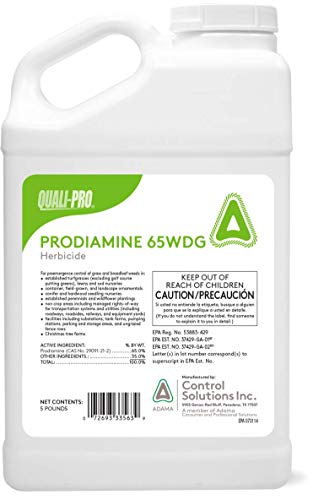
Quali-Pro Prodiamine Pre-Emergent 5 lb

Prodiamine 65 WDG 5 lb (Generic Barricade)

Preen Garden Weed Preventer 16 lb. Drum

Atticus Semera 51% WDG Aquatic Herbicide 5 lb

The Andersons Barricade 50 lb Bag

Dimension Granular Pre-Emergent 50 lb
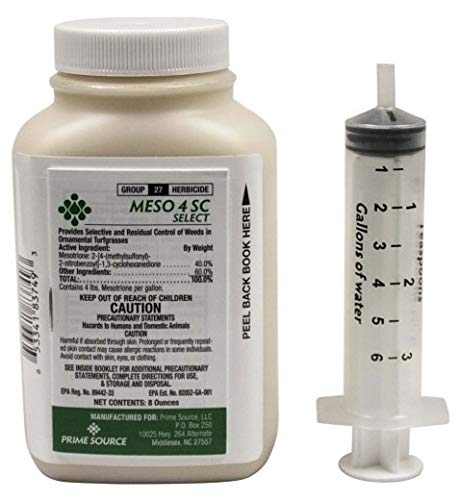
Primesource Meso 4 SC Select
The Picks, Examined More Closely
The Preen Garden Weed Preventer in the 13-pound jug is the friend most homeowners reach for first, and the reason is simple: it does one job in the place most people need that job done. Spread the granules around established flowers, shrubs, and vegetable beds, water them in, and the active ingredient creates a thin chemical barrier that stops weed seeds from breaking through. Coverage runs roughly 2,080 square feet per jug, which suits a typical suburban front yard with mixed ornamental beds.
It is not labeled for use on lawns, so turf-focused shoppers should look further down this list. For anyone whose battle is dandelions popping up between daylilies and tomato cages, this remains a sensible starting point with a long track record.
What Helps Most
- Targets the seed stage, so weeds never need to be pulled after they sprout
- Labeled for use around a wide mix of established ornamentals and edibles
- Three-month residual window means a single application covers most of the growing season
- Granular form spreads evenly with a basic handheld shaker
Things To Consider
- Not for use on lawns, which limits its role for turf-only yards
- Existing weeds must be cleared before application, adding a prep step
Who It Suits Best
Bed-focused gardeners with established perennials who want a set-and-forget routine each spring.
Where Another Pick Suits Better
Homeowners defending turf should reach for The Andersons Barricade 50 lb Bag instead, since it is built specifically for grassy areas.
The Extended Control formula stretches a single spring application into roughly six months of suppression, which is the practical difference most shoppers care about. Coverage is modest at around 805 square feet per bottle, so this pick fits smaller ornamental beds and foundation plantings rather than sprawling landscapes. For gardeners who do not want to reapply midseason, the longer residual window is the headline feature.
The trade-off shows up in flexibility: the same extended chemistry that lasts through summer also restricts what you can plant nearby during the active window. Compared with the standard Preen jug above, you get time savings in exchange for tighter planting constraints.
Noteworthy Benefits
- Six-month suppression from a single application cuts midseason reapplications
- Targets a broad mix of grassy and broadleaf weed seeds before they sprout
- Bottle format suits gardeners who prefer shake-on application over spreaders
Honest Caveats
- Smaller coverage area than the standard 13 lb jug, so larger beds need multiple bottles
- Extended residual limits which new plants can go in the soil during treatment
Built With In Mind
Smaller ornamental beds where one spring treatment per season is the realistic goal.
Look Elsewhere When
Anyone tending a full lawn should consider Preen Garden Weed Preventer 31.3 lb. Bag for broader coverage per purchase.
The 31.3-pound refill bag covers around 5,000 square feet, which is enough to handle a serious landscape in one pass. This format works as a refill for the flip-top applicator bottle and as a standalone bulk option for gardeners with a broadcast spreader. It carries the same three-month residual window as the smaller Preen jug above, just scaled up for bigger properties.
Application can happen in spring, summer, or fall depending on which weeds are the local headache, giving more flexibility than fixed-window products. The honest read is that this bag rewards gardeners who already own a spreader and have the storage space for a 31-pound sack.
What Makes Sense
- 5,000 square feet of coverage suits full-property landscape beds
- Compatible with the flip-top applicator bottle for refilling convenience
- Three-season application window adapts to local weed pressure
Trade-Offs To Consider
- Bulk format demands dry indoor storage to keep granules from clumping
- Not for use on lawns, so it stays in the bed-and-border category
Feature Snapshot
Made For
Homeowners managing larger landscape beds who want fewer refill runs and flexible timing.
Skip It When
Turf-only yards will find Quali-Pro Prodiamine Pre-Emergent 5 lb better suited for grass-focused applications.
Prodiamine is the active ingredient most turf professionals reach for first, and the Quali-Pro 65 WDG formulation delivers it in a water-dispersible granule that mixes cleanly into spray tanks. Prodiamine works by inhibiting root development in germinating seeds, which is a different mechanism than older dinitroaniline herbicides and tends to last longer in the soil. Five pounds in this format treats a meaningful stretch of turf.
This pick assumes you own or rent a sprayer and can calibrate rates per thousand square feet. For homeowners who have never mixed a herbicide, the learning curve is real, but for turf managers and serious lawn hobbyists, the control over rate is the appeal.
Everyday Wins
- Prodiamine is the active ingredient most labeled for crabgrass and broadleaf suppression on turf
- Flexible spring and fall timing supports season-long planning
- Tank-mix compatible with fertilizers for combined application passes
- Long residual window at proper rates means fewer midseason treatments
Points To Keep In Mind
- Requires a sprayer and accurate calibration to apply correctly
- Over-application risks root stunting in the turf you are trying to protect
The Right Fit
Turf managers and lawn-care hobbyists comfortable with sprayer calibration and rate math.
Swap It Out When
Garden-only spaces with no turf will find the Preen Garden Weed Preventer 16 lb. Drum easier to apply without equipment.
Generic Barricade sounds like a knockoff name, but the active ingredient here is the same prodiamine used in brand-name professional products. For shoppers watching cost, the appeal is straightforward: the same crabgrass-and-broadleaf suppression without the brand premium. Five pounds covers a comparable area to the Quali-Pro jug reviewed above.
The honest tradeoff is label clarity and consistency of formulation. Brand-name products often ship with more detailed spreader or sprayer charts, and you may find label information less polished on generic options. For experienced hands who already know their rates, the cost savings land well.
A Few Highlights
- Same prodiamine active as professional-grade products at typically lower cost
- Targets both grassy weeds like crabgrass and common broadleaf species
- Water-dispersible granule format mixes into standard sprayers
A Few Limitations
- Label instructions may be less detailed than name-brand equivalents
- Still requires sprayer calibration, which is a barrier for first-time users
Best Suited To
Cost-conscious turf managers who already understand prodiamine application.
Consider Something Else When
First-time applicators without sprayer experience will find Dimension Granular Pre-Emergent 50 lb easier to apply.
The 16-pound drum format adds a built-in applicator scoop, which is the practical detail that earns this its spot on the list. Coverage lands at roughly 2,560 square feet, slotting it between the 13-pound jug and the 31-pound bulk bag in size. For mid-size yards where the smaller bottle feels limiting but the bulk bag feels oversized, this middle option fills the gap.
The same three-month residual applies, and the same lawn-exclusion restriction applies. Where this drum shines is in storage: the rigid container keeps granules dry and easy to pour from compared with a paper bag.
Points In Its Favor
- Built-in applicator scoop removes the need for a separate spreader on small jobs
- Rigid drum stores cleanly in a garage or shed without moisture clumping
- Coverage suits mid-size suburban yards without committing to bulk
Less-Strong Areas
- Drum format is heavier to handle than the smaller flip-top jug
- Same lawn-exclusion as other Preen garden formulas
Whose Shelf It Belongs On
Mid-size property owners who want convenient scooping without committing to a 31-pound bag.
Not Your Match When
Turf-focused shoppers are better served by The Andersons Barricade 50 lb Bag for grassy applications.
Flumioxazin is a different active ingredient than the prodiamine and dithiopyr products elsewhere on this list, and it brings a different job description. Atticus Semera is labeled for aquatic sites, which means pond edges, drainage ditches, and other moist environments where dandelions are rarely the problem. The 51 percent concentration gives strong contact action on labeled species.
This is a specialty pick for a reason: most lawn-and-garden shoppers will not need it. For property managers with retention ponds or shoreline weeds, however, flumioxazin offers a labeled option where many dry-land pre-emergents cannot legally go.
The Case For It
- Flumioxazin active ingredient handles aquatic and shoreline weed pressure
- High 51 percent concentration allows lower per-acre use rates
- Water-dispersible granule format mixes for spray applications
Where It Is Less Suited
- Specialty labeling means it is overkill for typical lawn-and-bed weed control
- Aquatic use requires checking local regulations before application
Perfect Match For
Property owners managing pond edges or drainage areas where labeled aquatic herbicides are required.
A Better Fit Elsewhere
Standard lawn dandelion control belongs in the hands of Quali-Pro Prodiamine Pre-Emergent 5 lb for turf-focused goals.
Barricade is one of the most recognized prodiamine brands in professional turf care, and the 50-pound bag from The Andersons delivers it at contractor scale. The 0.48 percent prodiamine concentration means a single bag covers a substantial stretch of lawn. Application is limited to early spring and fall windows, which is a feature rather than a flaw: those are precisely when crabgrass and many broadleaf seeds germinate.
For homeowners with half an acre or more of turf, this format makes economic sense even if the bag feels oversized at delivery. The label lists a broad mix of over 30 grass and broadleaf weeds, so it is not just crabgrass defense.
A Favorable Mix
- Contractor-scale 50-pound bag suits large turf properties
- Barricade brand recognition in professional turf management circles
- Targets over 30 labeled weed species including crabgrass
- Granular form works with standard broadcast spreaders
Things To Weigh Up
- Application window restricted to early spring and fall only
- Bag weight and storage demand a dry shed space
Quick Facts
Who Should Grab It
Property owners with large turf areas who want professional-grade prodiamine at bulk scale.
Reach For A Different Pick When
Smaller lawns under a quarter acre are overserved by Dimension Granular Pre-Emergent 50 lb in terms of coverage.
Dithiopyr, the active ingredient in Dimension, behaves a little differently than prodiamine: it offers early-postemergent control on crabgrass in its immature stage, which adds forgiveness when application timing slips. The 0.25 percent concentration in this 50-pound bag treats roughly 10,000 to 14,000 square feet depending on rate.
The label covers more than 40 grass and broadleaf weeds in established turfgrass, lawns, and landscapes. Where it differs from the Barricade product above is timing flexibility, which can matter in variable-spring regions.
Real Benefits
- Early-postemergent activity on immature crabgrass adds timing flexibility
- Over 40 labeled weeds in turf, lawn, and landscape settings
- Single bag covers 10,000 to 14,000 square feet at labeled rates
- Granular format suits standard broadcast spreaders
Possible Compromises
- Coverage estimate varies with rate chosen, which requires reading the label carefully
- 50-pound bag demands dry, accessible storage
Key Product Details
Right Fit For
Homeowners in regions with unpredictable spring weather who want timing leeway on crabgrass.
Where A Sibling Pick Shines
Pro-grade prodiamine loyalists will prefer The Andersons Barricade 50 lb Bag for its longer track record.
Mesotrione is a Group 27 herbicide that works through a different biochemical pathway than most pre-emergents, and that difference gives Meso 4 SC Select an unusual advantage. It can be used both before and after weed emergence, and it plays nicely with seeding timelines that would rule out prodiamine or dithiopyr. For homeowners overseeding in the same season they want weed control, this combination is hard to match.
The product targets over 45 broadleaf weeds and grasses in turfgrass settings. The catch is that mesotrione works best as part of a planned program rather than a one-shot rescue.
The Good Stuff
- Pre and postemergence activity covers more timing situations than most picks
- Compatible with overseeding, unlike most pre-emergent herbicides
- Targets over 45 broadleaf weeds and grasses in turf
- Liquid formulation sprays evenly with standard equipment
Where It May Fall Short
- Performance depends on a planned application program rather than a single pass
- Liquid format requires sprayer ownership or rental
Who Will Love This
Homeowners overseeding cool-season lawns who need weed control that does not disrupt new seed.
Another Choice May Suit
For simpler one-pass routines, Quali-Pro Prodiamine Pre-Emergent 5 lb offers a more straightforward pre-emergent path.
What Matters Most Before Choosing Pre-Emergents For Dandelions
Match The Chemistry To Your Site
The first decision is whether you are protecting ornamental beds, established turf, or a specialty site like a pond edge. Pre-emergents like the Preen family target seed germination in mulched and planted areas, while prodiamine and dithiopyr products handle turfgrass where Preen cannot legally go. Picking the wrong category is the most common reason pre-emergents disappoint, so the application site should drive the choice before brand or size.
Time The Application To Local Weed Biology
Pre-emergents only work on seeds that have not yet germinated, which means timing the application to local soil temperature is more important than brand selection. Dandelion seeds typically germinate as soils warm in spring, and crabgrass follows shortly after. In many regions a single window in early spring covers both, but southern zones often benefit from a fall pass as well. Read the label for soil temperature triggers, then plan backward from there.
Weigh Granular Versus Liquid Formats
Granular products spread with a standard broadcast spreader and require watering in afterward, which suits most homeowners. Liquid concentrates mix into sprayers and allow precise rate adjustment, which appeals to turf managers and anyone overseeding. The format decision often comes down to equipment ownership: granules for casual weekend routines, liquids for planned programs.
Size The Bag To The Square Footage
Coverage figures on the label assume specific spreader or sprayer rates, so the bag you choose should match measured area rather than guesswork. A 13-pound Preen jug suits a typical suburban front bed, while a 50-pound Barricade or Dimension bag makes sense for half an acre or more. Overshooting the bag size wastes product and storage space; undershooting means a return trip mid-application.
Key Considerations Across These Picks
Pitfalls Shoppers Hit
The most common mistake is applying pre-emergent after weeds have already sprouted, because once roots establish, the chemistry stops working. Another slip is skipping the watering-in step on granular products, which leaves the active ingredient sitting on the surface where it cannot form a barrier. Finally, applying pre-emergent before removing existing weeds means new weeds still grow from roots that were already established.
Where The Extra Money Goes
Higher-tier products usually deliver one of three advantages: longer residual windows, broader weed spectrums, or more flexible timing. A six-month product saves a midseason reapplication, while a multi-active formula covers timing windows that single-ingredient products miss. The upgrade pays off when your local weed pressure is unpredictable or your calendar cannot accommodate repeat applications, but for simple one-pass routines a budget option handles the job.
