

A good bag of potting soil quietly decides whether your herbs thrive on the windowsill or sulk in the corner. Containers, raised beds, and seed-starting trays all want different things: drainage, moisture retention, slow-release nutrition, or a fluffy texture that lets young roots push through. The picks below cover seed-starting bricks, ready-to-use container blends, specialty mixes for aroids and bonsai, and nutrient boosts that you can fold into existing soil.
A Fast Comparison Of The Options

MODELLOR Coco Coir Bricks 4-Pack 5 lb

FoxFarm Ocean Forest Potting Soil 1.5 cu ft
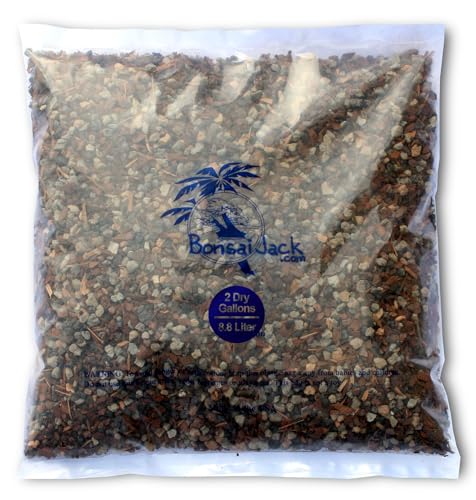
Bonsai Jack Universal Organic Bonsai Soil Mix #221, 2 Gallons

Worm Bliss Organic Worm Castings 1 Quart
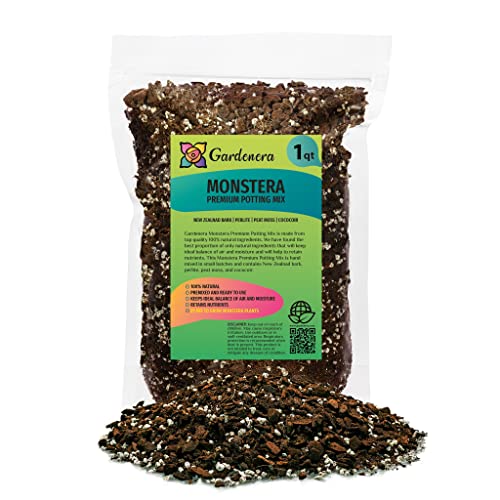
Gardenera Premium Monstera Potting Soil 1 Quart

Gardenera Professional Monstera Spray Fertilizer Mist 8 oz

Gardenera Professional Monstera Organic Superfood Spray Mist 8 oz

Legigo 100 Pcs 30mm Coco Coir Pellets Seed Starter
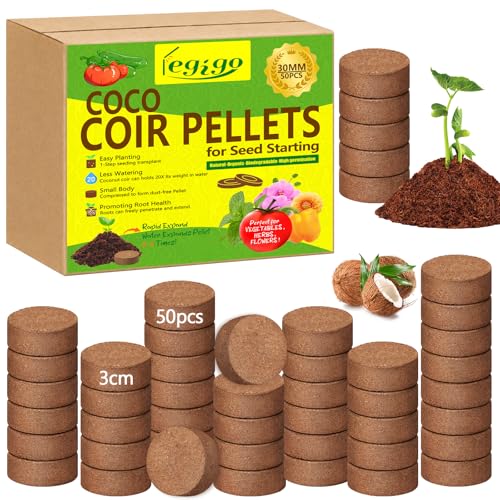
Legigo 50 Pcs 30mm Coco Coir Pellets Seed Starter

Legigo 200 Pcs 30mm Coco Coir Pellets Seed Starter
Inside Each Recommended Option
Coco coir, the fibrous middle layer of a coconut husk, has become a go-to for gardeners who want a clean, lightweight alternative to peat. The MODELLOR Coco Coir Bricks arrive as four dense 5-lb blocks that fluff up to roughly 9 gallons (36 quarts) of medium once you add water, depending on how thoroughly you break them apart. They are triple-washed to keep salt levels low and the pH balanced for seedlings.
Hydration is straightforward: drop a brick in a bucket, pour warm water over it, and watch it expand over several minutes. For most home growers starting a tray of tomatoes or refreshing a raised bed, a single brick is enough for several small containers, and the rest store indefinitely in a dry corner. For seed-starting, the texture stays airy enough for young roots without holding excess water.
Where It Helps
- Low salt content from the triple-wash process, which is easier on germinating seeds.
- pH-balanced medium removes the usual guesswork before you add nutrients.
- Compact bricks save significant shelf space versus bagged soil.
- Expands into roughly 9 gallons, enough for several starter trays.
Worth Noting
- Coir has little inherent nutrition, so plan to feed seedlings with a dilute fertilizer.
- Hydration requires a wide bucket and a few minutes of fluffing by hand.
- Dust from dry bricks can irritate; dampen before breaking apart.
Right Fit For
Home growers starting seeds indoors or refreshing container soil for herbs and leafy greens.
Skip It When
FoxFarm Ocean Forest Potting Soil is a smarter call for gardeners who want a richer, ready-to-use blend without the hydration step.
If you want a single bag that handles most container duty, FoxFarm Ocean Forest Potting Soil is the kind of workhorse you reach for again and again. The 1.5 cu ft bag opens to a light, airy mix that holds moisture without turning into mud, which is exactly what most houseplants and patio containers prefer.
Unlike the bare coir bricks above, this blend comes pre-loaded with organic amendments, so you can transplant a tomato seedling or a fiddle-leaf fig directly into the bag. In most apartments or back patios, the texture stays workable across the whole season and drains cleanly when paired with a pot that has actual holes. For gardeners who don’t want to mix their own amendments, the convenience here is hard to overstate.
What Earns Its Place
- Ready to use straight from the bag, no hydration or amendment step required.
- Light, aerated texture that supports root development in containers.
- Pre-charged with organic nutrients that feed transplants through early growth.
- Suitable for a wide range of container plants, from veggies to foliage.
Trade Offs
- A single 1.5 cu ft bag covers only a handful of medium pots.
- Richer moisture retention means overwatering becomes a real risk in deep pots.
Key Specs
Whose Shelf It Belongs On
Container gardeners who want one reliable bag for mixed vegetables, herbs, and houseplants.
Look Elsewhere When
Bonsai Jack Universal Organic Bonsai Soil Mix is a better match for anyone growing bonsai or other trees that need sharp drainage.
Bonsai soil is a different beast than a typical potting mix: trees in shallow pots need a gritty, fast-draining medium that never sits soggy around the roots. Bonsai Jack Universal Organic Bonsai Soil Mix #221 is screened and pre-washed, with particle sizes calibrated for water absorption and evaporation.
The 2-gallon bag suits most hobbyists with a small collection, and the mix is ready to use the moment you open it. In most indoor setups, the pH sits around 6.4, which keeps a wide range of tropical and deciduous trees happy without constant testing. For aroids and Monsteras, the chunky texture also works beautifully, which is why it often appears on serious houseplant forums.
The Value In It
- Pre-screened particle sizing saves time versus sifting your own mix.
- Fast-draining structure prevents the root rot that plagues shallow pots.
- Pre-washed to reduce dust and fine particles that compact over time.
- Versatile enough for bonsai, succulents, and chunky-aerial-root aroids.
Some Limits To Know
- Low moisture retention means daily watering in summer heat.
- Premium blend reflects in cost, especially for large collections.
Who It Suits Best
Bonsai enthusiasts and serious aroid growers who prioritize drainage above all else.
Consider Something Else When
Gardenera Premium Monstera Potting Soil is a friendlier pick if you prefer a finer, peat-based texture for indoor Monsteras.
Worm castings are the digested output of earthworms, and gardeners love them for how they enrich existing soil without burning roots. Worm Bliss arrives in a 1-quart container, OMRI-listed for organic use, with a texture that looks like dark coffee grounds. You don’t use it straight, instead blending a small amount into potting mix or top-dressing containers.
Think of this less as a standalone soil and more as a powerful seasoning. A spoonful mixed into a 6-inch pot gives transplants a slow, gentle nutrient release that synthetic fertilizers struggle to match. In most vegetable beds and houseplant setups, a light top-dress every month or two keeps growth steady without the salt buildup common with liquid feeds.
What Stands Out
- OMRI-listed organic composition suits certified-organic gardeners.
- Gentle nutrient release that won’t burn tender seedlings.
- Compact 1-quart jar stores easily in a small garden shed.
- Improves soil structure and microbial activity over time.
Honest Caveats
- A quart goes quickly across even a modest container collection.
- Nutrients are mild; heavy feeders may still want supplemental feeding.
Feature Snapshot
Made For
Organic gardeners who want to enrich soil biology alongside their existing potting mix.
Not Your Match When
FoxFarm Ocean Forest Potting Soil makes more sense for anyone needing a complete growing medium in a single bag.
Aroids like Monstera deliciosa evolved to climb rainforest trees, so their roots crave air as much as moisture. Gardenera’s Premium Monstera Potting Soil is blended around that reality, with peat moss, perlite, coco coir, biochar, worm castings, and bark creating the chunky, well-drained texture these plants love.
The 1-quart bag is sized for a single small repotting, which is exactly what most Monstera owners do once a year or so. For most indoor setups, the airy structure helps prevent the brown spots and leaf drop that come from compacted, soggy soil. A gentle starter charge of worm castings means your Monstera gets a mild nutritional lift right after repotting, though you’ll still want a regular fertilizer routine.
Everyday Advantages
- Custom blend tuned for Monstera and similar aroids.
- Quick-draining formula reduces the risk of root rot.
- Includes worm castings for a gentle organic nutrient boost.
- Bark and perlite create the chunky texture aroid roots prefer.
Points To Keep In Mind
- 1-quart bag is enough for one small repotting, not a full collection.
- Loose texture means watering frequency may rise in dry homes.
Quick Facts
Best Suited To
Indoor gardeners with one or two Monsteras who want a repotting mix without the guesswork.
Reach For A Different Pick When
Bonsai Jack Universal Organic Bonsai Soil Mix is the better call if you grow multiple aroids in chunky pots and want a larger bag.
Foliar feeding, or misting leaves with diluted nutrients, gives houseplants a quick uptake path that doesn’t depend on root health. Gardenera’s Professional Monstera Spray Fertilizer Mist applies a 3-1-2 NPK ratio (nitrogen, phosphorus, potassium) designed for gentle, regular use on Monstera foliage.
The 8-oz spray bottle fits into most watering routines without any mixing. For most indoor gardeners, a weekly spritz on both sides of the leaves supplements your regular soil feeding without overwhelming the plant. It pairs nicely with the Gardenera Monstera Potting Soil reviewed above, since both products target the same plant family.
Positive Points
- Pre-mixed spray eliminates measurement guesswork.
- 3-1-2 ratio suits aroids that prefer mild nitrogen-leaning feeding.
- Compact 8-oz bottle is easy to handle with one hand.
- Foliar uptake helps plants between regular soil feedings.
Things To Consider
- Foliar feeding alone won’t replace soil-applied nutrients long term.
- Misting can leave water spots under direct grow lights.
Who Should Grab It
Monstera owners who want a low-effort foliar supplement to pair with their regular feeding schedule.
A Better Fit Elsewhere
Worm Bliss Organic Worm Castings is a smarter pick if you’d rather build nutrition into the soil itself rather than misting leaves.
If the standard spray above is a quick snack, Gardenera’s Organic Superfood Spray Mist is more like a multi-vitamin. It packs 18 listed nutrients and micro-fungi into an 8-oz foliar mist aimed at Monstera and other aroids.
For organic-focused gardeners who avoid synthetic feeds, this mist threads the needle between convenience and ingredient quality. In most indoor setups, applying every week or two keeps leaves glossy and supports steady growth during the active season. The micro-fungi addition may help foliar uptake of certain trace minerals, though results depend on your existing watering routine.
A Few Highlights
- 18-nutrient blend covers more than basic NPK needs.
- Micro-fungi enrichment suits organic gardening preferences.
- Pre-misted spray bottle removes dilution steps.
- Tailored to Monstera leaf physiology and nutrient demand.
Worth Bearing In Mind
- Smaller 8-oz bottle runs out faster under heavy weekly use.
- Organic ingredients can carry a mild odor right after spraying.
Built With In Mind
Organic-leaning Monstera owners who want a richer foliar feed than the basic 3-1-2 mist provides.
Swap It Out When
Gardenera Professional Monstera Spray Fertilizer Mist is a simpler, milder choice if you prefer a no-fuss routine without the broader nutrient profile.
Seed-starting pellets compress coco coir into small, dry discs that expand with water. Legigo’s 30mm pellets arrive in a 100-count pack, which suits most home gardeners running a couple of seed trays per season.
You drop a pellet into a tray cell, add warm water, and watch it rise into a small soil puck with a built-in planting dimple. Compared to the loose coco bricks reviewed earlier, these eliminate almost all mess and guesswork. For most beginners, the format removes the intimidation factor of handling loose medium, and you can transplant the entire puck once roots develop.
Useful Touches
- Pre-measured discs remove the measuring and bag-scooping steps.
- Compressed format stores compactly on a shelf.
- Plantable puck reduces root disturbance at transplant time.
- Organic coco coir suits most seed-starting needs.
Potential Compromises
- 30mm size is small for anything beyond seedlings and small herbs.
- Pellets dry out faster than loose medium under grow lights.
Feature Card
The Right Fit
Beginners and casual gardeners who want a tidy, low-mess way to start seeds indoors.
Another Choice May Suit
MODELLOR Coco Coir Bricks are better when you need to fill larger containers or amend existing beds, not just start seeds.
The 50-count pack of Legigo pellets uses the same 30mm format as the larger bag above, simply in a smaller quantity. For gardeners who only need a single tray of starts, this keeps things proportional without forcing you to commit to a hundred pellets.
You get the same expansion behavior, the same low-mess handling, and the same transplantable puck. For most apartment dwellers starting a windowsill herb garden, this size covers basil, cilantro, and a tray of flowers without leaving bags of pellets in storage for next year. The trade-off is straightforward: you pay slightly more per pellet for the smaller pack.
Benefits That Matter
- Smaller pack matches a single starter tray.
- Same expansion and transplant behavior as the larger count.
- Low-mess seed-starting for tight indoor spaces.
Where It May Fall Short
- Per-pellet cost runs higher than the 100-count version.
- Limited quantity means no spare pellets if one fails to expand.
Perfect Match For
Casual gardeners running one small seed tray per season who prefer not to stockpile extras.
Where Another Pick Suits Better
Legigo 100 Pcs 30mm Coco Coir Pellets is the better value if you plan to start seeds every season and want extras on hand.
For gardeners running serious seed-starting operations, the 200-count Legigo pack offers the same 30mm pellet in a bulk-friendly quantity. Heirloom tomato growers, school gardens, and seasoned propagators tend to burn through a hundred pellets in a single season, so doubling up avoids running out mid-spring.
Behavior is identical to the smaller packs: warm water, a few minutes, and the disc rises into a fluffy puck. For most seed-starting setups, the lower per-pellet cost makes this the most economical way to build out a multi-tray operation. You do need somewhere dry to store the surplus if your season is short, but that’s a minor logistical note.
Positive Takeaways
- Bulk count lowers the cost per pellet noticeably.
- Covers multiple seed trays or succession plantings.
- Same expansion behavior as smaller Legigo packs.
Practical Considerations
- 200 pellets may be more than a casual grower can use in one season.
- Surplus pellets need dry storage to keep their compressed shape.
Feature Rundown
Who Will Love This
Heirloom gardeners, classroom projects, and anyone starting multiple trays of seeds each spring.
A Better Fit Elsewhere
Legigo 50 Pcs 30mm Coco Coir Pellets is the friendlier size if a single tray covers all you need.
What Matters Most Before Choosing Potting Soil
Match The Medium To The Plant Family
Container vegetables, tropical houseplants, succulents, and bonsai each want different things from a growing medium. Drainage-heavy mixes like Bonsai Jack suit shallow pots and aroids that hate wet feet, while richer blends like FoxFarm Ocean Forest give vegetables and flowers a stronger start. For seeds, a sterile, low-salt medium like coco coir pellets prevents the fungal problems that strike tender seedlings.
Check Texture, Not Just Ingredients
A bag can list every organic amendment in the book and still suffocate roots if the texture compacts. Airy mixes with perlite, bark, or pumice keep oxygen flowing around root zones, which is what most container plants really need. Pick up the bag if possible: a mix that feels heavy and dense tends to stay that way once watered.
Plan For Nutrition And Amendments
Most bagged soils start with a modest nutrient charge that lasts a few weeks. Heavy feeders like tomatoes and Monsteras appreciate worm castings or supplemental fertilizer once that initial charge runs out. The Worm Bliss pick above is a clean way to extend feeding without synthetic salts.
Key Considerations Across These Picks
Mistakes Worth Dodging
Choosing a garden-bed soil for a small indoor pot is the most common slip-up, since outdoor mixes compact quickly in containers. Skipping the moisture check is another: a mix that drains perfectly in a humid greenhouse may dry out too fast in a winter apartment with forced-air heat.
When Paying More Pays Off
Premium blends earn their keep through consistent particle sizing, screened ingredients, and lower salt content. For bonsai, aroids, or seed-starting, that consistency saves the failed-transplant frustration that cheaper mixes often cause. For general outdoor beds, a basic garden mix handles the workload without stretching the budget.
