

A productive garden rarely starts with the seed. It starts below the surface, where soil texture, organic matter, and biology decide whether your tomatoes thrive or stall. Gardeners working raised beds, containers, or compacted lawn patches face the same core question: which soil amendment or media actually delivers results for the work involved.
The ten products below split into two practical camps. Worm castings and coco coir blends rebuild tired soil and feed plants over time, while stainless steel soil probes help you sample, monitor, and treat that soil before problems show up in the leaves. Use this roundup to match your yard’s scale, your soil type, and the season ahead.
The Choices Worth Comparing

Earth Science Earthworm Castings – 3 lb Soil Enhancer

AUZEKER 40 Inch Stainless Steel Soil Sampler Probe

AUZEKER 12 Inch Soil Sampler Probe + Sample Bags

AUZEKER 36 Inch Soil Sampler Probe + Sample Bags

Wonder Soil 30-Quart Compressed Coco Coir 3-Pack

Plantonix Worm Bliss 1 Quart Worm Castings
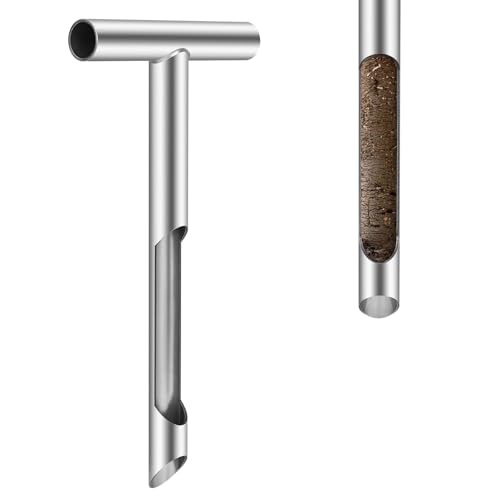
AUZEKER 12 Inch Stainless Steel Soil Probe

AUZEKER 40 Inch Soil Sampler Probe + Sample Bags
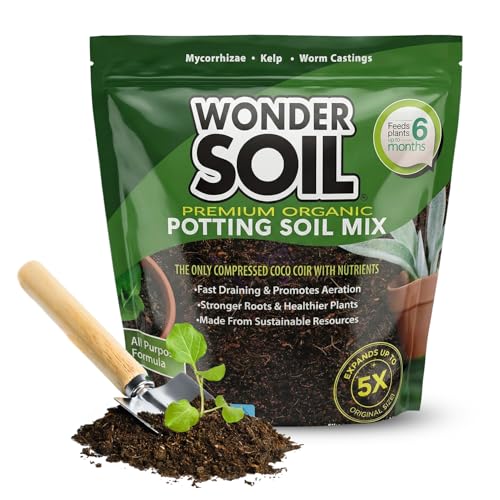
Wonder Soil 12-Quart Organic Coco Coir Potting Mix

Wonder Soil 72-Quart Compressed Coco Coir Block
Taking A Closer Look At The Options
A 3-pound bag of worm castings is the sort of soil amendment that quietly outperforms fancier bags on the shelf. Earthworm castings are the digested organic matter worms leave behind, rich in slow-release nitrogen, beneficial microbes, and humus (stable decomposed organic material that holds moisture and nutrients in the root zone). For raised vegetable beds, container tomatoes, or tired flower borders, a light top dressing mixed into the top few inches can restore tilth over a single growing season.
Compared to liquid fertilizers, castings feed gently over weeks rather than forcing a quick flush of leafy growth. They fit organic gardeners who want predictable results without synthetic inputs. Most home growers find a 3-pound bag covers roughly a 4×8 bed when applied as a thin amendment, though heavy feeders like squash and corn may need repeat applications mid-season.
Good Reasons To Consider
- Slow-release organic nutrition that won’t shock seedlings or burn tender roots
- Adds beneficial microbial life to depleted potting mixes and garden beds
- Improves water retention in sandy soils and loosens heavy clay over time
- Pet- and child-safe around edible crops with no strong manure odor
Things To Consider
- A 3-pound bag covers a modest area, so larger yards may need multiple bags
- Works gradually rather than producing visible results within days
- Store sealed and cool; moisture intrusion can clump the castings
Made For
Organic vegetable gardeners and container growers who want a gentle, soil-building amendment rather than a quick-fix fertilizer.
Consider Something Else When
Home growers needing a manure-free option for edible crops should look at Plantonix Worm Bliss instead.
When you need to know what’s happening six inches below the lawn, a short hand trowel won’t cut it. The AUZEKER 40-inch probe drives a clean soil core up from the root zone of established turf or garden beds, giving you a real sample to send off for nutrient or pH analysis. The stainless steel body resists corrosion across seasons of wet-soil use.
This tool suits homeowners managing larger lawns, small-acreage pastures, or anyone coordinating soil tests with a local extension service. Unlike the 12-inch starter probes covered later, this length reaches the depth where most feeder roots actually live in cool-season grass. You may find the extra height a slight handful in tight flower beds.
Advantages To Know
- 40-inch shaft reaches deep into established root zones for representative samples
- Stainless steel construction handles repeated wet-soil use without rusting
- T-handle grip offers leverage for harder, compacted ground
- Works across lawn, garden bed, and small farm applications
Worth Noting
- Dry, compacted soil can require foot pressure or pre-watering to penetrate
- Long shaft is awkward in tight raised beds or densely planted borders
Feature Snapshot
Best Suited To
Homeowners and small-acreage growers managing established lawns or pasture who need deep, consistent soil cores for lab testing.
A Better Fit Elsewhere
Beginners working smaller flower beds will find the AUZEKER 12 Inch Stainless Steel Soil Probe easier to handle.
First-time soil testers often overbuy on gear and underbuy on consumables. This kit pairs a manageable 12-inch stainless probe with 50 sample bags, so you can collect from multiple spots across a single yard without improvising zip-lock backups. The shorter shaft suits raised beds, vegetable plots, and the top root zone of new lawns.
Unlike the 40-inch farm probe reviewed earlier, this length won’t strain your back in tight quarters or force awkward angles around established perennials. The included bags remove one step from the testing workflow. For most backyards, you may find the 12-inch reach a touch short if your goal is sampling below the active feeder root layer.
What Earns Its Place
- 50 included sample bags streamline multi-zone testing without extra purchases
- Stainless steel build stands up to repeated wet and dry sampling rounds
- 12-inch length handles raised beds and most vegetable garden applications
- Compact size stores easily in a garden shed or garage tool rack
Trade Offs
- Shorter shaft limits sampling depth for established turf or deep-rooted shrubs
- Sample bags are a one-time consumable and may need replenishing for larger properties
Who It Suits Best
First-time soil testers working raised beds, small vegetable plots, or new lawn installations who want a complete starter kit.
Look Elsewhere When
Homeowners sampling established lawns at the full root depth should pick the AUZEKER 40 Inch Stainless Steel Soil Sampler Probe instead.
The 36-inch version sits in an interesting middle ground between the compact 12-inch home probe and the full 40-inch farm tool. It pulls cores deep enough for representative agricultural samples while still being manageable in a one-person operation. A handy clearing tool ships in the box to push stubborn cores out of the rod without dirty hands.
This probe fits serious home gardeners and small-acreage growers who want depth without committing to the longest option. It also suits those testing orchard rows or established perennial beds where feeder roots run deeper than the typical 12 inches of topsoil. Compared to the 40-inch reviewed earlier, the slightly shorter shaft trades a little reach for easier handling around fruit trees.
A Favorable Mix
- 36-inch shaft reaches sub-root-zone depth for agricultural-style testing
- Included clearing tool prevents finger strain during repeated extractions
- 50 sample bags support multi-zone testing across larger properties
- Stainless steel construction handles seasonal wet-soil sampling without pitting
Minor Gripes
- Longer shaft demands more vertical clearance than a hand trowel
- Dense clay or rocky soil may still require pre-watering for clean cores
Right Fit For
Small-acreage growers and orchard owners who need deep, representative cores without stepping up to full farm-scale equipment.
Not Your Match When
Home gardeners sampling only raised beds will find the AUZEKER 12 Inch Soil Sampler Probe + Sample Bags a lighter, more practical choice.
Coco coir is a fibrous material derived from coconut husks, used as a sustainable alternative to peat in potting mixes. Wonder Soil’s compressed 3-pack ships as a stack of dense bricks that fluff up to 30 quarts once hydrated. The bricks arrive loaded with worm castings, mycorrhizae (beneficial fungi that colonize plant roots and improve nutrient uptake), and kelp, so the resulting mix feeds seedlings for weeks without supplemental fertilizer.
The format solves a real storage problem for apartment gardeners and balcony growers. Three small bricks fit on a closet shelf where a 30-quart bag of loose mix simply wouldn’t. Once expanded, the medium suits seed-starting trays, small raised beds, and container vegetable gardens. You may find the included nutrient charge runs out faster than the bag claims on heavy feeders like tomatoes.
Where It Helps
- Compressed format dramatically reduces shipping and storage footprint
- Pre-loaded with worm castings and mycorrhizae for early root development
- Peat-free alternative suitable for sustainable gardening practices
- Expands quickly with water for fast seed-starting and container fills
Points To Keep In Mind
- Coir has low native nutrition, so heavy feeders need supplemental feeding mid-season
- Hydration requires a large tub and some elbow grease to fully break apart bricks
Key Specs
Who Will Love This
Balcony gardeners, apartment growers, and anyone with limited storage who needs a peat-free, ready-to-plant mix on demand.
Swap It Out When
Large raised bed builders will get better volume-per-dollar from the Wonder Soil 72-Quart Compressed Coco Coir Block.
Worm Bliss comes in a quart-sized bag aimed squarely at growers who want small-batch convenience without committing to bulk amendments. The castings are OMRI-listed (verified for use in certified organic production by the Organic Materials Review Institute) and manure-free, making them a clean choice around edible crops, indoor herb gardens, and houseplants where the smell of traditional manure-based fertilizers would be unwelcome.
The vegan-friendly formulation appeals to gardeners with strict sourcing preferences. Nutrient content includes trace nitrogen, phosphorus, and potassium, plus the beneficial microbes that make castings a soil conditioner rather than just a feed. For most kitchen windowsills or patio tomato pots, the quart size fits the typical seasonal need without long storage. Depending on your soil, results show up over weeks rather than days.
Reasons It Performs
- OMRI-listed for organic gardening and certified-organic crop production
- Manure-free formula suits indoor use without odor complaints
- Trace nutrient profile feeds seedlings and flowering edibles without burning
- Improves soil texture gradually across repeat applications
Some Limits To Know
- Quart size covers only a handful of containers or one small bed
- Acts slowly; not a substitute for fast-acting liquid fertilizers when plants are stressed
Perfect Match For
Organic-focused edible gardeners and houseplant growers who need a clean, manure-free amendment in small quantities.
Reach For A Different Pick When
Vegetable gardeners covering larger beds will get more volume from Earth Science Earthworm Castings in the 3-pound format.
This 12-inch probe skips the sample bag bundle in favor of a stripped-down, easy-to-store tool. Backyard gardeners who only need occasional cores for a quick home pH test or moisture check will appreciate not paying for supplies they won’t use. The T-handle gives enough leverage for typical garden soil without requiring a mallet.
Compared to the AUZEKER 12-inch kit reviewed earlier, this version trades the 50 sample bags for a slightly leaner profile and storage-friendly footprint. It suits flower bed owners and casual vegetable gardeners more than dedicated soil-testers running multi-zone programs. In most backyards, the 12-inch reach lands you squarely in the active root zone of annuals and most perennials.
Where It Excels
- Compact 12-inch length stores easily in a small shed or garage
- Stainless steel construction holds up to seasonal wet-soil sampling
- T-handle design improves grip and push-force during extraction
- No consumables means nothing extra to replace over the tool’s life
Honest Caveats
- No included sample bags for those sending cores to a lab service
- Limited reach compared to the 36- and 40-inch probes for deep-rooted turf
Feature Rundown
Whose Shelf It Belongs On
Casual home gardeners with flower beds or small vegetable plots who want a low-fuss probe for occasional soil checks.
Where Another Pick Suits Better
Anyone running formal multi-zone lab tests should choose the AUZEKER 12 Inch Soil Sampler Probe + Sample Bags for the included bags.
Where the bare 40-inch AUZEKER probe focused purely on the tool, this bundle adds the ergonomic refinements plus a 50-pack of sample bags. The T-handle includes an anti-pinch guard, a small but meaningful upgrade for anyone driving the probe into compacted ground dozens of times in a single session.
This kit fits growers running repeated sampling rounds across seasons. Whether you’re tracking soil changes after lime applications or pulling cores before each fall amendment, the included bags remove the friction from a recurring workflow. For most established lawns, you may find the 40-inch reach overkill until you’ve confirmed you actually need it.
Strengths Worth Knowing
- Anti-pinch T-handle guard reduces finger strain during repeated drives
- 50 sample bags support multi-zone, multi-season testing programs
- 40-inch shaft reaches the deep root zone of mature cool-season turf
- Stainless steel body holds up across years of seasonal sampling
Small Caveats
- Long shaft and full kit take up more shed space than the compact probe alone
- Overkill for casual gardeners testing only a single bed each season
Who Should Grab It
Dedicated home soil-testers and small-acreage growers running recurring sampling programs across multiple zones.
Skip It When
One-and-done samplers will do better with the more compact AUZEKER 12 Inch Stainless Steel Soil Probe.
This 3-pound bag of compressed coco coir expands to 12 quarts, pre-loaded with worm castings, perlite (a light, porous volcanic mineral that improves drainage and aeration in potting mixes), mycorrhizae, and kelp. The blend is specifically tuned for container use, where drainage and aeration matter more than in-ground beds. Indoor herb growers, houseplant enthusiasts, and patio tomato gardeners will recognize the difference a perlite-amended mix makes in root health.
Compared to the 30-quart and 72-quart Wonder Soil options reviewed here, this mid-size bag fits the occasional gardener who doesn’t want leftover hydrated coir sitting around. Pet- and family-safe with no synthetic additives. You may find that the small expanded volume disappears quickly in a busy transplanting session.
Features That Help
- Pre-blended perlite improves drainage in containers and seed trays
- Mycorrhizal inoculant supports root development in transplanted seedlings
- Peat-free, family-safe composition suits indoor and patio use
- Compact 3-pound bag fits apartment storage without dedicated shed space
Where It May Fall Short
- Only 12 quarts expanded, modest for multi-container transplanting sessions
- Pre-loaded nutrients deplete within a few weeks for heavy-feeding edibles
Quick Facts
Built With In Mind
Indoor herb gardeners and houseplant owners who want a clean, ready-to-use mix for occasional repotting sessions.
Another Choice May Suit
Raised bed builders stocking up for a single-season overhaul should consider the Wonder Soil 72-Quart Compressed Coco Coir Block instead.
A 10-pound compressed block expanding to 72 quarts is a serious volume of growing media in a storable package. Raised bed builders, community garden coordinators, and anyone filling multiple large containers in a single session will appreciate skipping the half-dozen bagged-mix trips. The block carries the same nutrient load as the smaller Wonder Soil options: worm castings, mycorrhizae, and kelp.
The format suits gardeners who measure media in bed-fills rather than pot-fills. Compared to the 12-quart and 30-quart options earlier, the trade-off is hydration logistics. Expanding 72 quarts in a single sitting requires a wheelbarrow or large tub and a fair amount of water. Depending on your setup, splitting the block may be the practical answer.
Real-World Strengths
- 72-quart expanded volume fills large raised beds in a single order
- Compressed block format reduces freight and shelf footprint vs bagged mix
- Pre-loaded amendments support root development across multiple plantings
- Peat-free, sustainable alternative to traditional peat-based potting mixes
Practical Considerations
- Hydration requires a wheelbarrow or large tub plus several gallons of water
- Pre-loaded nutrients deplete faster on heavy feeders like tomatoes or peppers
The Right Fit
Raised bed builders and high-volume gardeners who want to consolidate growing media into a single bulk purchase.
Where A Sibling Pick Shines
Balcony growers needing less volume will find the Wonder Soil 30-Quart Compressed Coco Coir 3-Pack easier to handle and store.
Picking The Right Mix And Probe For Your Yard
Choosing the right garden soil product starts with the question you’re actually trying to answer. Gardeners rebuilding depleted beds, filling new raised beds, or feeding established perennials have different priorities than homeowners trying to diagnose a struggling lawn before spending on amendments.
Container and raised bed growers generally want a peat-free, well-draining medium that holds moisture without compacting. Coco coir checks those boxes while shipping in a compressed shape that solves storage headaches. Worm castings work best as a soil conditioner rather than a primary medium, blended into existing beds or used as a top dressing. Look for a product with a stated nutrient content and a formulation matched to your planting style, organic-focused growers will prioritize OMRI-listed options.
For lawn testing and broader yard work, soil probes serve a different role. Match the probe length to your soil depth goals: 12 inches works for most flower and vegetable beds, while 36- and 40-inch versions reach the sub-root zone of established turf or orchard rows. Stainless steel construction and a comfortable T-handle matter more than fancy features. Sample bag inclusion becomes valuable only when you’re running repeated multi-zone tests.
Consider your soil type as well. Sandy soils benefit from organic matter that improves water retention. Heavy clay needs amendments that loosen structure over time. Either way, slow-release organic inputs outperform quick-fix synthetic fertilizers across a full growing season, even when the visible results take longer to show up in the leaves.
Things Worth Knowing Before You Buy
Pitfalls Shoppers Hit
Most buyers reach for the biggest bag or the longest probe without measuring their actual need. A 72-quart coco coir block is excellent value, yet expanding it requires a wheelbarrow, a hose, and 20 minutes of work. Gardeners without that setup end up with a partially expanded mess on the driveway. Match product size to your realistic workflow.
Another common misstep is buying castings in a size that doesn’t match the bed area. A 1-quart bag covers a handful of containers, while a 3-pound bag handles a modest vegetable bed. Buying too little means repeat orders; buying too much means long storage and nutrient loss over time.
The Upgrade Payoff
Higher-tier soil products earn their place through consistency and convenience rather than magic. Compressed coco coir with pre-loaded amendments removes the guesswork from blending your own mix, which matters for beginners without a feel for soil texture ratios. Longer stainless steel probes with anti-pinch handles reward frequent testers who would otherwise wear out their hands on a basic tool.
The honest read is that the upgrade makes sense once you know you’ll use the product through several seasons. Casual gardeners get diminishing returns from premium tiers, while dedicated growers save time and frustration with each season of use.
Frequently Asked Questions
What is the difference between worm castings and regular compost?
Worm castings are the digested output of earthworms, typically richer in beneficial microbes and stable organic matter than standard compost. They feed plants slowly without the variability of homemade compost piles.
How often should garden soil be tested?
Most home lawns and vegetable beds benefit from a soil test every 2 to 3 years, or annually if you’re actively amending pH or nutrient levels. Established beds with consistent compost additions may need less frequent testing.
Can coco coir replace potting soil entirely?
On its own, coco coir has limited native nutrition and works best when blended with castings, perlite, or a balanced fertilizer. Pre-amended coco coir products come closer to a true ready-to-plant medium.
What probe length do home gardeners actually need?
For raised beds and flower borders, a 12-inch probe covers the active root zone of most annuals and perennials. Established lawns and orchard rows benefit from 36- or 40-inch shafts that reach deeper feeder roots.
Are organic amendments worth the cost difference?
For edible gardens and homes with pets or children, OMRI-listed amendments remove concerns about synthetic residues. The trade-off is slower visible results and, depending on the format, more frequent applications.
Bottom Line
The best garden soil product depends on whether you’re rebuilding, filling, or testing. Coco coir blends solve raised bed and container builds, worm castings improve tired soil over time, and stainless steel probes give you the diagnostic data to spend on amendments that actually fit your yard. Match the format to your scale, and the results tend to follow.
