

Fresh mulch can transform a tired garden bed in an afternoon, but choosing the wrong kind means wasted weekends and stubborn weeds. This guide walks through nine solid options covering indoor pots, new lawns, kid-safe play areas, and decorative paths. Each pick has a clear purpose, so you can match the right material to your yard without overspending or overthinking.
How The Shortlist Stacks Up
Paistely Mulch and Gravel Glue (35 oz)

Rio Hamza Trading Houseplant Mulch (8 Quarts)

Rubberific Premium Shredded Rubber Mulch (Brown)

EZ Straw Seeding Mulch with Tack (1 cu. ft.)

Playsafer Green Rubber Mulch Pallet (77 cu. ft.)

Back to the Roots Organic Coconut Husk Block
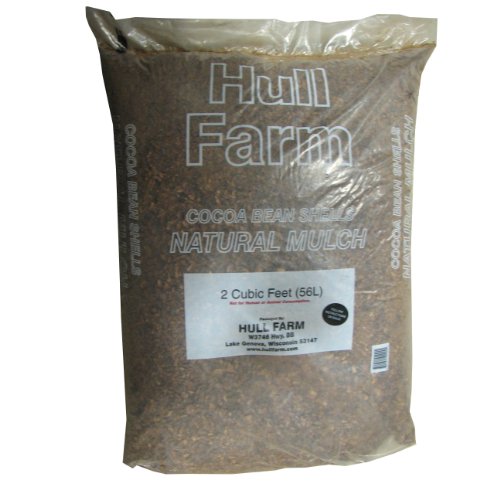
Hull Farm Cocoa Bean Shell Mulch (2 cu. ft.)
Paistely 35 oz Rock Glue for Landscaping with Sprayer
Paistely 64 oz Concentrated Mulch Gravel Glue
The Picks, Examined More Closely
If your gravel path keeps migrating into the lawn after every rain, this binder is designed to put a stop to it. The 35 oz jug pours directly onto clean, dry rocks and cures into a firm layer that resists washout. Compared to the loose bark options covered earlier, this is the maintenance-free cousin: apply once and the surface holds for many seasons.
You’ll spread it evenly across pea gravel, decorative rock, or wood chip sections, and the finish stays permeable so water still drains. In our view, it’s best used on smaller, contained areas where you want a tidy look without rebuilding the bed every spring.
Why It Works Well
- Holds gravel, wood chips, and sand in place through rain and foot traffic
- Non-toxic formula stays safe around pets and edible garden beds
- Cuts down on the weekly sweep-and-rake cycle most loose mulch demands
Things To Consider
- Coverage assumes a thin layer over clean, dry aggregate; thicker applications lengthen dry time
- You’ll need a dry forecast window of several hours after applying for a clean cure
Key Specs
Built With In Mind
Homeowners with pea gravel paths, rock borders, or decorative stone beds who want a tidy look without constant raking.
Look Elsewhere When
Large driveways call for the broader coverage of Paistely 64 oz Concentrated Mulch Gravel Glue instead.
Small bark chips solve a specific problem: they cover bare potting soil on a windowsill without the mess of loose coconut coir. The 8-quart bag spreads across several medium pots and lasts longer than lighter fibers that tend to break down between waterings. Compared to the outdoor bark and rubber options later in this guide, this one trades bulk for tidiness on a smaller scale.
It works equally well as a top dressing on patio containers and as a clean accent layer in mixed indoor arrangements. For anyone tired of soil splash on leaves after every watering, this bark does a quiet job of holding moisture and hiding the gritty surface underneath.
Practical Pluses
- Eight quarts covers roughly 8 to 12 medium pots, depending on layer thickness
- Uniform chip size gives a tidy, finished look across grouped containers
- Helps potting mix retain moisture longer between waterings
Worth Noting
- Bag size is best matched to a small plant collection; large patios will go through it quickly
- You’ll want to refresh the top layer occasionally as bits break down indoors
Made For
Indoor plant owners and small-space gardeners who want a clean, finished look on their potted arrangements.
Reach For A Different Pick When
Big outdoor beds are a better match for Rubberific Premium Shredded Rubber Mulch, which covers far more ground.
Rubber mulch used to mean playground-only territory, but this shredded version is shaped to mimic real wood bark while shrugging off weather. The 1.5 cubic foot bag in brown blends into traditional landscape beds without screaming “tire rubber” at the neighbors. Unlike the indoor bark earlier, this one is sized for permanent outdoor installation.
You won’t see it fade, decompose, or float away after a storm the way wood chips do. For anyone tired of refreshing beds each spring, the trade-off is a heavier bag and a higher up-front commitment.
Advantages To Know
- Recycled rubber content keeps color and texture through years of sun and rain
- One application outlasts multiple seasons of wood mulch replacement
- Doesn’t float, wash, or break down, so storm runoff stays clean
Room For Improvement
- 27 lb bag is heavy to haul and awkward for one person to spread alone
- Not suitable around fire pits or areas where high heat is a concern
Key Specs
Right Fit For
Homeowners who want a set-and-forget border that holds color across multiple seasons without yearly top-ups.
Skip It When
Large play areas need the heavier 77 cu. ft. Playsafer Green Rubber Mulch pallet rather than a single bag.
Seeding a new lawn is one of the rare cases where mulch is supposed to disappear. This processed straw bale is built for exactly that job, and the tackifier (a light bonding agent) helps it stay put during the weeks your seed needs to germinate. Unlike the bark and rubber options above, this is a one-season product designed to break down cleanly.
One bale covers around 250 square feet at a thin application rate, so a typical patchy yard needs only a few bales. It comes in a UV-protected bag with a handle, which keeps it dry if you store leftovers outside for touch-ups.
What Helps Most
- Tackifier keeps straw in place through wind, rain, and curious birds
- Covers up to 250 sq. ft. per bale for typical overseeding jobs
- Bagged in a UV-protected package with a handle for easy transport
- Biodegradable so it breaks down naturally as grass establishes
Points To Keep In Mind
- Straw is single-use; you’ll need fresh bales for each new seeding project
- Doesn’t substitute for decorative mulch; it’s strictly a germination aid
Quick Facts
Best Suited To
Homeowners patching bare spots or starting a fresh lawn who need a short-term mulch that disappears as the grass fills in.
Not Your Match When
Decorative flower beds are a better fit for Hull Farm Cocoa Bean Shell Mulch, which adds a finished look and feeds the soil.
Playground projects are a different beast from flower bed top dressing, and this pallet is sized for serious coverage. Fifty 40-pound bags stack up to 77 cubic feet, which covers roughly 310 square feet at a 3-inch depth. Unlike the single bag of Rubberific earlier, this is a contractor-scale order meant for community spaces and large backyards.
The 1/2 to 5/8 inch rubber nuggets provide cushioning and stay in place without the decomposition cycle of wood chips. You may find delivery easier with a forklift or hand truck because 2,000 lbs is not a casual afternoon project.
The Helpful Details
- 99.9% steel-free recycled rubber for peace of mind around bare feet
- Color guaranteed for 12 years without repainting or refreshing
- Covers about 310 sq. ft. at a 3-inch depth from a single pallet
Practical Considerations
- Total weight of 2,000 lbs requires serious planning for delivery and staging
- Green color is bold; it reads more “playground” than “natural garden”
Technical Sheet
Who It Suits Best
Schools, daycare centers, and homeowners with large play yards who need a serious safety surface rather than decorative mulch.
Consider Something Else When
Small decorative beds are a much better match for Rio Hamza Trading Houseplant Mulch, which scales to a tidy pot collection.
Coconut husk mulch has a storage advantage the other picks can’t match: it ships as a compressed brick and expands to 2 cubic feet when you add water. That means no bulky bags cluttering the garage, and no wrestling 40-pound loads out of a trunk. Compared to the rubber mulch earlier, this block is portable enough to keep in a closet.
Once hydrated, the loose fibers spread across raised beds, container gardens, or even pet bedding. It holds moisture well and breaks down over a season, which is exactly what most organic garden beds want.
What Makes Sense
- Compressed brick expands to 58 quarts, so storage is minimal until you need it
- Organic coconut fibers improve soil aeration as they break down
- Versatile enough for garden beds, containers, or small pet habitats
Some Limits To Know
- You need a large bucket or wheelbarrow for the water expansion step
- Light color fades noticeably within a season under direct sun
Feature Rundown
Perfect Match For
Apartment gardeners and raised-bed owners with limited storage who still want a generous amount of organic mulch on hand.
Where Another Pick Suits Better
Large play areas call for Playsafer Green Rubber Mulch, which is built for cushioning and high-traffic use.
Cocoa shell mulch is the rare product that pulls double duty: it dresses up a flower bed and smells like dessert while it does it. The 2 cubic foot bag covers a modest bed or several smaller containers with a deep, dark layer that contrasts beautifully against green foliage. Compared to the lighter bark options above, this one looks noticeably richer.
It also carries a mild fertilizer value (roughly 2.5-1-3, meaning nitrogen, phosphorus, and potassium ratios) and won’t burn tender vegetation. For ornamental beds where looks matter as much as function, it’s a satisfying upgrade from plain wood chips.
Key Advantages
- Rich dark color creates strong contrast against green foliage
- Mild natural fertilizer value feeds soil as it breaks down
- Won’t burn delicate plantings, even in fresh contact with stems
- Distinct cocoa aroma adds a sensory layer other mulches can’t match
Less Ideal Details
- Chocolate scent can attract dogs, who may try to eat it; keep pets in mind
- Fine texture mats down when wet, so a fluff-up once a season helps
Whose Shelf It Belongs On
Homeowners with decorative flower beds who want a finished, fragrant look and don’t have curious dogs digging through the garden.
Swap It Out When
Practical erosion control calls for Paistely Mulch and Gravel Glue, which locks material in place rather than just dressing the surface.
If pouring glue from a jug feels like a recipe for a mess, the spray-applied version solves that problem on contact. The integrated sprayer delivers an even mist across gravel, pine straw, or wood chips, so you don’t end up with one soaked patch and one dry patch. Compared to the 35 oz pour-on Paistely earlier, this one trades a bit of coverage for much faster application.
It uses an acrylate polymer base, which is a water-based adhesive that cures clear and stays flexible enough to handle small shifts in the substrate. For anyone patching a single path or border rather than redoing the whole yard, the spray format is a sensible match.
A Few Highlights
- Ready-to-use sprayer skips the mixing and dilution step entirely
- Anti-clog nozzle keeps the spray pattern consistent across long jobs
- Non-toxic formula stays safe around pets and garden plants
Worth Bearing In Mind
- Sprayer adds bulk, so storage takes a bit more shelf space than a flat jug
- You’ll want to clean the nozzle after each session to avoid future clogs
Who Should Grab It
Homeowners with small to mid-sized rock borders or pine straw beds who want a controlled spray application instead of pouring.
A Better Fit Elsewhere
Larger paths need the broader coverage of Paistely 64 oz Concentrated Mulch Gravel Glue, which covers up to 594 square feet per jug.
Large projects like driveways and long garden paths are where concentrated formulas earn their keep. This 64 oz jug covers up to 594 square feet, which is a meaningful jump from the smaller 35 oz options earlier in this guide. The formula still bonds gravel, pea gravel, bark, and stone without the constant re-treating that loose mulch demands.
You pour it on, walk away, and the surface holds its shape through weather and foot traffic. For anyone tired of raking the same gravel back into place every weekend, a single jug handled once is a meaningful upgrade.
Reasons It Performs
- Covers up to 594 sq. ft., enough for most residential driveways and paths
- Works across rock, pea gravel, bark, and decorative stone without switching products
- Concentrated formula reduces the number of jugs needed for big jobs
Honest Caveats
- 64 oz jug is bulky and easier to handle with a helper or a wheeled caddy
- Surface needs to be clean and dry for the bond to cure properly
Feature Snapshot
Who Will Love This
Homeowners with long driveways, extensive garden paths, or large decorative borders who want to treat the whole space in a single pass.
Not Your Match When
Tight indoor containers are a much better fit for Rio Hamza Trading Houseplant Mulch, which is sized for potted plants rather than ground cover.
Picking Mulch That Actually Suits Your Yard
Match the mulch to the job before you fall in love with a color. Bark and cocoa shells work for flower beds where the look matters as much as the function. Rubber mulch fits permanent borders and play areas where decomposition is the enemy. Coconut husk blocks solve storage headaches in small spaces. Gravel glue stabilizes paths where loose rock keeps migrating into the lawn. EZ straw is built for one job only: helping new grass seed take hold.
Calculate Coverage Before You Buy
Measure length times width of each bed, then multiply by the depth you want in inches and divide by 12 to get cubic feet. A 2-inch layer is the minimum for weed suppression, and 3 inches holds moisture noticeably longer. Most 2 cubic foot bags cover roughly 12 square feet at 2 inches, so a 100 square foot bed needs about eight bags. Buy one extra bag for touch-ups; partial bags rarely survive a season in the shed.
Think About Lifespan and Replacement Cycles
Wood bark breaks down within a season and feeds the soil, which gardeners usually want. Rubber and gravel glue lock down for years and ask for nothing in return, but they don’t improve the soil underneath. Cocoa shells split the difference with a mild fertilizer value that releases as the shells age. Pick the trade-off that matches how often you want to refresh the bed.
Match the Material to the Foot Traffic
Paths and play areas take a beating, so rubber nuggets or glued surfaces hold up best. Decorative beds rarely see footsteps, so fine bark or cocoa shells are fine. Slopes and erosion-prone spots benefit from gravel glue or tackifier-straw to keep material from washing away after heavy rain.
Consider Pets, Kids, and Scent Sensitivity
Cocoa shell mulch smells great but can attract dogs, who may try to eat it. Bark mulch is generally safe but can hide fungal growth in shaded spots. Rubber mulch gets warm in direct sun, which matters for barefoot kids. Factor in who uses the yard before you commit.
Smart Choices Before You Commit
Wrong Turns To Avoid
Buying by color alone is a common mistake that leaves you with mulch that doesn’t suit the bed’s function. Another slip is underestimating coverage: thin layers let weeds through and break down faster, which means redoing the job sooner. Finally, skipping surface prep costs you; mulch laid over weeds simply smothers them temporarily, and they push right back through within weeks.
What Separates Premium From Basic
Higher-tier mulches tend to last longer per application and often include extras like tackifiers, color-stable pigments, or compressed formats that save on shipping. You’re paying for fewer replacement cycles and less maintenance over the life of the bed. For permanent installations like play areas or large borders, that durability usually justifies the up-front cost within two seasons.
Frequently Asked Questions
How deep should mulch be applied in a typical flower bed?
Aim for 2 to 3 inches across the bed, which is enough to block light from reaching weed seeds while still letting water through. Piling it deeper than 4 inches risks trapping moisture against stems and causing rot.
Can mulch help with water retention during hot summers?
Yes, a properly layered mulch bed cuts evaporation significantly and keeps soil temperatures more even. You’ll water less often, and plant roots stay cooler through heat waves.
Is rubber mulch safe around edible gardens?
Most shredded rubber mulches are non-toxic, but many gardeners prefer organic options like cocoa shells or coconut husk for vegetable beds where edible roots touch the soil.
How long does gravel glue actually last outdoors?
Expect 12 to 24 months per application depending on weather exposure, foot traffic, and how thickly it was applied. A second coat after a year or so keeps high-traffic paths looking sharp.
Do I need to remove old mulch before adding a fresh layer?
For organic mulches like bark and cocoa shells, rake the old layer to break up matting, then top-dress with an inch or two of fresh material. For rubber or gravel glue surfaces, you can usually just clean and recoat without stripping the bed down.
Wrap Up
The right mulch depends less on what’s trending and more on what your yard actually needs. Indoor plant owners want small bark, new lawns want tackifier straw, and decorative beds benefit from cocoa shells or coconut husk. Permanent installations call for rubber or glued gravel, which trade soil improvement for long-term stability. Pick the format that matches your space, your storage, and how often you want to refresh.
