

Bagged mulch is one of those purchases you make once and then forget about until the bag is empty. Whether you’re topping off a flower bed, refreshing a play area, or lining a few indoor pots, the right bag saves you from rebuying in a month. Prices on bagged mulch vary wildly by material, volume, and how the bag ships, so sorting through what’s actually worth adding to your cart makes the difference between a tidy yard and a wasted weekend. This roundup breaks down ten solid picks across coco coir, bark, rubber, and cocoa shell so you can match the bag to the job.
Your Options, Compared

Halatool 6 Pcs Coco Husk Chips for Plants

Houseplant Mulch (8 Quarts) Small Bark

Halatool 10LBS Coco Husk Chips

Halatool 2 Pcs Coco Husk Chips

Halatool 4 Pcs Coco Husk Chips

Halatool 8 Pcs Coco Husk Chips

Halatool 10 Pcs Coco Husk Chips

Rubberific Premium Shredded Rubber Mulch

Back to the Roots 100% Organic Mulch
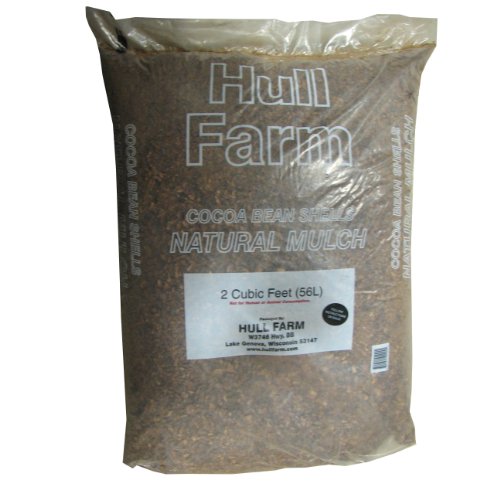
50150 Cocoa Bean Shell Mulch
More Details On Our Top Picks
If you keep a mix of potted herbs on the kitchen windowsill and a few raised beds outdoors, you know how fast a single small bag disappears. The Halatool six-pack gives you six compressed coco coir bricks, each roughly 1.1 lb, that fluff up to about seven quarts of material once you add water. That’s enough volume to refresh a half-dozen medium pots or lay down a thin layer across a small bed without running out mid-project.
Compared with the two-brick starter pack below, this set stretches further without forcing you to commit to a full ten-pound block. The low EC (electrical conductivity, basically a salt-level reading for growing media) and balanced pH make it forgiving for mixed plantings, so beginners don’t have to fuss with amendments.
Everyday Perks
- Six bricks cover a small garden refresh in one order.
- Each brick expands to roughly seven quarts of usable coir.
- Compact bricks ship flat and tuck into a closet without taking floor space.
- Low salt content suits seedlings and established herbs alike.
Things To Consider
- You’ll need a bucket or wheelbarrow and warm water on hand for rehydration.
Key Specs
Right Fit For
Balcony gardeners and small-plot growers who want a reusable coco coir stash without buying a full landscaping pallet.
Swap It Out When
Reach for the Halatool 10-pound single brick when a single weekend project calls for more than forty quarts of material at once.
Most bagged mulch arrives ready to dump, but a lot of it looks rough on a living-room side table. Rio Hamza’s bark chips are sized for indoor pot topping, so a thin scatter across the soil surface of a fiddle leaf or monstera actually looks intentional. Eight quarts fills roughly six to eight medium pots, depending on how thickly you lay it.
Unlike the coco coir options above, this mulch doesn’t need soaking or breaking apart. You open the bag, scoop, and spread. It also tends to last longer between refreshes than coir or shavings, since bark breaks down slowly indoors where there’s less microbial activity.
Benefits That Matter
- Ready to use straight from the bag, no prep work required.
- Eight-quart volume covers a decent plant collection in one purchase.
- Small chip size suits tabletop and shelf displays.
- Helps slow moisture loss between waterings.
Trade Offs
- Bark pieces can shift when you water, so a quick tidy-up is occasionally needed.
- Not ideal for outdoor beds where you’d want a thicker layer.
Best Suited To
Apartment dwellers styling a plant shelf or windowsill who want a clean, finished look without the mess of soil spilling onto the floor.
A Better Fit Elsewhere
Pick the Halatool 10-pound coco brick when you need outdoor bed coverage rather than decorative indoor pot topping.
When the project goes beyond a few pots and into actual landscaping, hauling six small bricks feels like a chore. This single 10-pound compressed brick expands into roughly 72 quarts of fluffed coco coir, which is enough to mulch a mid-size raised bed or several large containers in one go.
The brick measures around 11.8 inches square, so it stores neatly on a garage shelf without dominating floor space. Hydration takes a few minutes with warm water and a hose, and the resulting medium absorbs and releases moisture steadily, which helps during dry stretches.
Where It Delivers
- Single large brick avoids juggling multiple smaller units.
- Expands to about 72 quarts, enough for a raised bed refresh.
- Low EC suits direct planting of herbs and ornamentals.
- Compressed shape cuts down on shipping bulk.
Points To Keep In Mind
- Rehydrating 10 pounds takes time and a sizeable container.
- Heavier than the smaller brick packs, harder to carry upstairs.
Key Specs
Who Should Grab It
Backyard gardeners with raised beds or larger containers who want one bulk order rather than several smaller refills.
Consider Something Else When
Choose the Rio Hamza bark mulch for indoor pot topping where small chips look cleaner than coarse coir.
First time using coco coir? A massive ten-pound brick can feel intimidating, and you may end up with more material than you can use before it dries out. This two-pack of 1.1 lb bricks gives you about 14 quarts of expanded coir, which is plenty for two or three small pots or a single starter herb garden.
The bricks measure 7.87 by 3.93 by 1.97 inches each, so they fit in a kitchen drawer or under the sink until you need them. Rehydration is simple: drop one in a bucket of warm water and watch it break apart within minutes.
The Value In It
- Two-brick pack suits small first-time purchases.
- Each brick rehydrates quickly in a standard household bucket.
- Compact size stores easily between uses.
- pH-balanced formula avoids extra amendment steps.
Some Limits To Know
- Limited volume won’t cover a full raised bed in one go.
Made For
Curious beginners repotting a single houseplant or starting a small herb tray without committing to bulk mulch.
Look Elsewhere When
Step up to the Halatool 10-piece coco chip set when you’ve outgrown the starter pack and need volume for an entire bed.
Somewhere between a starter pack and a bulk brick sits this four-brick Halatool set. It yields about 28 quarts of coir once expanded, which is a comfortable middle ground for routine repotting sessions or topping off a small patio collection across a season.
Having four bricks instead of one lets you rehydrate in stages, spreading the work over a few weekends. If you’ve used the two-pack above and found yourself running low mid-spring, this is the logical next step up without jumping to the ten-pound single brick.
Everyday Wins
- Four bricks let you pace rehydration across multiple sessions.
- Total yield around 28 quarts handles several medium pots.
- Same compact brick dimensions as the smaller packs, so storage stays simple.
- Low salt content plays nicely with a wide range of ornamentals.
Worth Bearing In Mind
- Not enough volume for a full landscape bed refresh.
Feature Snapshot
Perfect Match For
Casual plant keepers running through a few repottings each season who want a comfortable buffer rather than a bulk stockpile.
Not Your Match When
Pick the Back to the Roots expanding block instead if you’d rather rehydrate one large brick than juggle four smaller ones.
For a whole-bed mulching project, you need volume. This eight-pack from Halatool delivers roughly 56 quarts of expanded coir, which covers a medium raised bed or a long row of container plants without leaving you short at the end.
The bricks rehydrate in pairs or groups, so you can stagger the work over a Saturday and a Sunday rather than trying to fluff eight bricks in one go. Owners commonly store unused bricks in a dry closet, where they keep indefinitely until water hits them.
Reasons It Performs
- Eight-brick total expands to around 56 quarts.
- Each brick is identical, so rehydration stays consistent.
- pH-balanced formula avoids extra soil testing.
- Suitable for both ornamental beds and edible herb gardens.
Honest Caveats
- You’ll want a wheelbarrow or large tub to handle the expanded volume.
- Loose coir can blow around on windy days until watered in.
Who It Suits Best
Serious gardeners refreshing a full bed or multiple containers in a single project, with a work surface big enough to rehydrate in batches.
Skip It When
The Rubberific shredded rubber mulch is a smarter choice for permanent borders where longevity matters more than organic content.
The largest of Halatool’s multi-brick sets, this ten-pack totals about 11 pounds dry and yields around 70 quarts once hydrated. That’s enough for multiple gardening sessions or a single ambitious landscape overhaul.
Ten bricks also let you split the order between indoor and outdoor use, keeping a few in the garage for patio containers and a couple under the sink for houseplant top-ups. Same dimensions and pH balance as the smaller sets, so you know what you’re getting.
Useful Strengths
- Ten-brick set covers multi-zone garden projects.
- Total expanded volume around 70 quarts.
- Spare bricks store flat and indefinitely if kept dry.
- Low salt content protects sensitive seedlings.
Things To Weigh Up
- Larger rehydration commitment than smaller packs.
- You’ll need a sizeable bin to handle the expanded material.
Quick Facts
Whose Shelf It Belongs On
Multi-garden households or community garden plots needing a steady supply of organic mulch across a full growing season.
Reach For A Different Pick When
The Cocoa Bean Shell Mulch makes more sense if you want an aromatic, decorative topper for flower beds rather than a coir growing medium.
Organic mulch breaks down and disappears within a season, which means redoing the same beds every year. Rubberific’s shredded rubber mulch is the opposite philosophy: this is recycled rubber processed to mimic wood bark, and it holds its color and shape through weather cycles without decomposing.
The 1.5 cubic foot, 27-pound bag suits a defined border or playground pad rather than a sprawling yard, though larger formats are available in the lineup. Once laid, it doesn’t need annual replacement, which offsets the heavier upfront weight.
What Stands Out
- Recycled rubber construction outlasts organic mulches.
- Holds color through sun and rain without fading quickly.
- Mimics shredded wood texture for a natural appearance.
- Won’t decompose, attract pests, or blow away easily.
Practical Considerations
- Heavier than wood or coir at 27 pounds per 1.5 cubic feet.
- Not suitable for vegetable beds where you’d want organic matter.
- Pet owners sometimes worry about ingestion, so placement matters.
Key Specs
Right Fit For
Homeowners establishing a long-term landscape border or play area who want one-time installation rather than yearly mulch refresh.
Where Another Pick Suits Better
Choose the Halatool coco chip sets for vegetable and herb gardens where organic matter matters more than permanence.
If you’ve ever wrestled a wet, awkward mulch bag through a garden gate, the appeal of a compact block is obvious. Back to the Roots ships a single compressed coconut husk block that expands into roughly 58 quarts (about 2 cubic feet) once you add water, ready in minutes.
The single-block format is easier to store than multiple smaller bricks, and you avoid the plastic bag waste of traditional mulch. It’s a thoughtful pick for small-space gardeners who don’t have room to stack bulky bags in a garage.
Bright Spots
- Single block expands to about 58 quarts when hydrated.
- Compact shipping size saves closet or garage space.
- Upcycled coconut husk material feels responsibly sourced.
- Ready in minutes with a bucket and water.
Smaller Caveats
- One block means you can’t stage rehydration across days.
- You’ll want a large container to handle the full expansion.
Made For
Urban gardeners working in tight spaces who value compact storage over staggered use.
A Better Fit Elsewhere
The Halatool four-pack works better if you prefer splitting mulch work across several sessions.
Cocoa bean shell mulch has a distinct appeal beyond function: a subtle chocolate aroma that’s most noticeable right after spreading. Hull Farm’s 2 cubic foot bag is a classic decorative option for flower beds, with a warm reddish-brown tone that complements perennials.
As a bonus, the shells carry a mild nutrient value, roughly in the 2.5-1-3 NPK range (nitrogen-phosphorus-potassium, the three numbers on any fertilizer label), and they won’t burn plant tissue when laid at normal depth. Just keep in mind that cocoa shells and dogs don’t mix, since the same aroma can attract curious pets.
A Few Highlights
- Natural cocoa aroma adds sensory appeal to garden beds.
- 2 cubic foot bag covers a decent flower bed section.
- Won’t burn vegetation at typical mulch depth.
- Provides mild nutritional benefit as it breaks down.
Trade-Offs To Consider
- Toxic to dogs if ingested, so placement around pets needs care.
- Breaks down within a season, unlike rubber alternatives.
- More expensive per cubic foot than coir or bark options.
Feature Rundown
Who Will Love This
Gardeners focused on decorative flower beds who enjoy a subtle fragrance and don’t have pets that graze the garden.
Not Your Match When
Skip this for households with dogs, or reach for the Rubberific shredded rubber instead for a longer-lasting, pet-area-safe option.
What Matters Most When Shopping For Bagged Mulch
Bagged mulch isn’t a one-size-fits-all product, and a mismatch between material and project is the fastest way to waste money. Start by matching the mulch type to where it will live: organic options like coco coir and bark work into the soil as they decompose, while rubber stays put indefinitely. That’s the core decision that drives everything else.
Match Volume To Project Size
Compressed bricks look small but expand several times over once water hits them. A single 10-pound coir brick yields around 72 quarts, while an 8-quart bark bag covers only a handful of indoor pots. Measure your bed or pot count first, then pick a brick count that comfortably covers it with a little buffer. For a small herb garden, a two- or four-brick pack is plenty, while full bed refreshes call for the larger sets or the single expanding block.
Consider Storage And Handling
Compressed bricks store flat in a closet, but they need soaking before use, which means a bucket, warm water, and a few minutes of waiting. Bark and cocoa shell mulch arrive ready to spread but take up more space in transit. Rubber mulch is the heaviest option per volume, so plan a drop spot close to where you’ll lay it.
Think About Longevity And Replacement
Coco coir and bark break down over a season or two and need topping up. Cocoa shells last about the same. Rubber lasts years but isn’t suitable for vegetable beds where you’d want organic matter returning to the soil. The honest read is that “lasting longer” only matters if you’re not actively gardening into the bed.
Account For Pets And Edibles
Cocoa shell mulch smells pleasant but is toxic to dogs, so pet households should stick to coir, bark, or rubber around areas pets access. Vegetable and herb gardens do best with organic mulches like coco coir, which integrates into the soil and supports microbial activity as it breaks down.
Key Considerations Across These Picks
Pitfalls Shoppers Hit
The most common mistake is buying by weight or piece count without checking the expanded volume, since a single 1.1-pound brick grows to roughly seven quarts. Another slip is ignoring the material’s purpose: laying rubber mulch under edibles or cocoa shells around curious dogs both create problems that show up later. Always match the bag to the bed, the pet situation, and your willingness to rehydrate before spreading.
Where The Extra Money Goes
Premium picks like cocoa shell mulch or recycled rubber carry higher per-cubic-foot costs because the raw materials are either specialty byproducts or processed for longevity. You pay for aroma and color in the cocoa shells, and for years of no-replacement in the rubber. The upgrade is worth it when aesthetics or permanence matter more than budget, but for routine vegetable beds, standard coco coir covers the same functional needs at a lower outlay.
Frequently Asked Questions
How much does bagged mulch expand once I add water?
Compressed coco coir bricks typically expand to roughly six to seven times their dry volume. A 1.1-pound brick becomes about 7 quarts, while a 10-pound brick can reach 70 quarts or more. Always rehydrate in a container larger than you think you’ll need.
Can I use coco coir mulch on outdoor garden beds?
Yes. Coco coir works for outdoor beds, raised planters, and containers. It retains moisture well and breaks down into the soil over time, which improves texture. For very large beds, the larger brick packs or the single expanding block make more sense than multiple small bricks.
Is rubber mulch safe around vegetables and rubber?
Rubber mulch is generally not recommended for edible gardens, since it doesn’t break down and isn’t designed to integrate into soil. It’s better suited to permanent landscape borders, play areas, and decorative paths where longevity matters more than organic content.
How long does cocoa bean shell mulch last outdoors?
Cocoa shells typically last one growing season before breaking down significantly, similar to bark and coir. You’ll likely need to refresh annually for the best appearance and aroma, especially in beds with full sun exposure.
Do I need to add fertilizer if I use organic mulch?
Organic mulches like coco coir and bark release small amounts of nutrients as they decompose, but they aren’t a substitute for fertilizer on hungry plants. Cocoa shells offer a mild NPK boost, but for actively producing vegetables or flowering annuals, supplemental feeding is still the safer route.
The Takeaway
Bagged mulch works best when the material matches the job: coco coir for edible gardens and flexible indoor use, bark for clean pot topping, rubber for permanent borders, and cocoa shells for decorative beds in pet-free spaces. Prices on bagged mulch will shift with format and material, so buying by expanded volume rather than bag count keeps the comparison honest. Pick the bag that fits your project, your storage space, and your pets, and the rest tends to take care of itself.
