

A tired pair of hand pruners and a wobbly set of loppers turn weekend yard work into a shoulder ache. The right cutting tools glide through green growth and dry wood alike, leaving clean wounds that heal quickly. This roundup sorts through ten solid options so you can match the tool to your trees, shrubs, and grip strength.
The Choices Worth Comparing

Fiskars 32″ PowerGear2 Bypass Loppers

Fiskars 30″ Forged Bypass Loppers

Fiskars 28″ Garden Bypass Loppers

Fiskars 28″ Power-Lever Bypass Loppers

Fiskars 32″ PowerGear Bypass Loppers

Fiskars 32″ Ratchet Drive Anvil Loppers

Felco F2 Pruning Shears

TABOR TOOLS GG12A Anvil Lopper

PrunePro Pruning Shears and Loppers Set
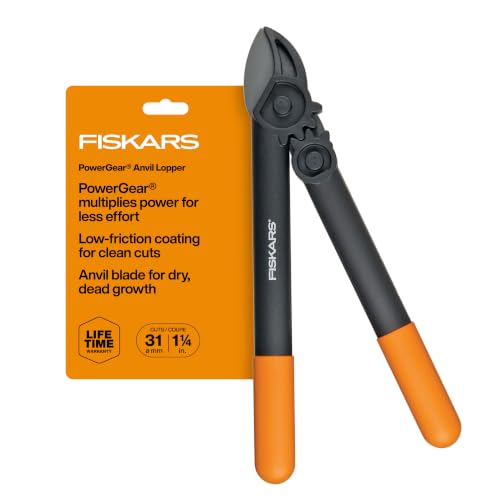
Fiskars 15″ PowerGear Anvil Loppers
The Details Behind The Selections
Long-handled loppers earn their keep on overgrown fruit trees and neglected hedges, and the PowerGear2 stands out for one reason: a gear mechanism that multiplies hand force as you squeeze. That mechanical advantage, paired with a fully hardened steel blade, lets you walk through branches up to 2 inches thick without feeling like you fought the tool.
Compared to the Fiskars 30″ Forged Bypass Loppers covered later, this model trades forged handles for a lighter, geared approach, which helps when you trim for an hour straight. The 32-inch reach also reaches into canopy gaps that a shorter lopper leaves you stretching for.
Real-World Strengths
- Gear-driven cutting action reduces perceived effort on thick growth.
- Hardened steel bypass blade (a scissor-style blade that crosses past a lower jaw for cleaner cuts on live wood) handles 2-inch branches without binding.
- 32-inch handles extend reach into overhead limbs.
- Light enough for long sessions around the yard.
- Lower-friction coating helps blades glide through sap-heavy wood.
Things To Consider
- Gear housing adds small crevices that collect sap, so owners commonly wipe it down after each use.
- Bypass style is better for live wood than dead, so very dry limbs may crush rather than slice cleanly.
Who It Suits Best
Homeowners managing established trees and fruit-bearing limbs will appreciate the reach and leverage most.
Where Another Pick Suits Better
For thick, dead branches, the Fiskars 32″ Ratchet Drive Anvil Loppers deliver stepwise power with less wrist strain.
Forged steel handles set this lopper apart from lighter aluminum rivals, giving the tool a planted feel that survives dropped-from-ladder moments and rough shed storage. The 30-inch length splits the difference between maneuverability and reach, so most gardeners find it comfortable for both waist-height shrubs and shoulder-height limbs.
The replaceable blade extends the tool’s working life: when the edge eventually dulls, you sharpen or swap rather than retire the whole unit. That long-term angle makes it a sensible match for anyone pruning seriously each season.
Practical Advantages
- Forged steel handles resist bending under heavy loads.
- Hardened stainless blade with low-friction coating for smooth slicing.
- Replaceable blade supports years of repeat sharpening.
- Softgrip texture cushions the hand during repetitive cuts.
Worth Noting
- Heavier than geared models like the PowerGear2, so longer sessions tire the shoulders faster.
- Plain forged finish may show surface oxidation over time if stored damp.
Key Specs
Made For
Suburban gardeners with mature shrubs and small trees who want a tool that survives decade-long service.
Consider Something Else When
If leverage matters more than raw handle strength, the Fiskars 32″ PowerGear2 Bypass Loppers let you slice thicker wood with less squeeze.
Sometimes the right tool is the one you actually pick up. At 28 inches, these bypass loppers slot neatly between full-size and one-hand pruners, so they work for everything from thinning rose canes to tidying up the dogwood along the fence. The 1.5-inch capacity covers the branches most homeowners actually face.
Where the PowerGear2 leans on gears, this model relies on a straightforward steel blade and a low-friction coating that resists sap. It feels simpler, which for casual weekend gardeners is often a feature in disguise.
Where It Helps
- Compact 28-inch length stores easily on a wall hook.
- Low-friction blade coating resists gumming during wet cuts.
- Non-slip handle grip stays secure in damp conditions.
- Light enough for overhead trimming without arm fatigue.
Trade Offs
- 1.5-inch capacity falls short of 2-inch models when mature trees throw bigger limbs.
- No geared mechanism means more squeeze force per cut compared to the PowerGear2.
Best Suited To
Casual gardeners managing flowering shrubs, ornamentals, and small fruit trees on a weekly basis.
Look Elsewhere When
If your property throws 2-inch branches regularly, the Fiskars 32″ PowerGear2 Bypass Loppers save effort.
The Power-Lever design borrows from compound lever physics: a secondary linkage inside the handle boosts your hand force where the blade meets the branch. For gardeners with arthritic hands or anyone who’s tired of wrestling with tough wood, that mechanical headroom reshapes the experience entirely.
It bridges the capacity gap between the standard 28″ bypass model and the longer 32″ geared versions, hitting 1.75 inches while keeping the working length manageable. The result is a tool that feels familiar but cuts with surprising authority.
Where It Excels
- Compound lever multiplies cutting force at the blade.
- 1.75-inch capacity covers most residential pruning tasks.
- Low-friction blade coating reduces resistance during cuts.
- 28-inch handles remain compact for storage in smaller sheds.
Points To Note
- Lever mechanism adds a small amount of weight compared to a plain bypass blade.
- Internal linkage may need occasional wiping to keep action smooth.
Who Should Grab It
Older gardeners and those with reduced grip strength who still want to manage their own trees and shrubs.
Skip It When
For pure dead-wood cutting, an anvil-style tool like the Fiskars 32″ Ratchet Drive Anvil Loppers handles dry material more decisively.
Patented PowerGear technology was Fiskars’ original answer to the tired-hand problem, and this 32-inch bypass model remains a fixture in garages across the country. The geared cam inside the head triples your applied force right at the cut, so branches that would stop a plain lopper give way with a clean slice.
At 32 inches with a 2-inch capacity, it overlaps heavily with the PowerGear2 covered earlier, but the original gear design has earned its reputation through sheer longevity. If you find both listings and can’t decide, the older version tends to surface more frequently in long-term tool collections.
Useful Highlights
- Patented gear mechanism amplifies hand force at the cutting head.
- Rugged lightweight construction reduces overall arm fatigue.
- Low-friction blade coating glides through green wood cleanly.
- 2-inch cut capacity tackles substantial residential branches.
Room For Improvement
- Mechanism can collect debris, requiring a quick brush-down after heavy use.
- Slightly less refined gearing compared to the updated PowerGear2 version.
The Right Fit
Established homeowners looking for a proven bypass lopper that has stood the test of multiple pruning seasons.
Reach For A Different Pick When
The Fiskars 28″ Power-Lever Bypass Loppers offer similar mechanical assistance in a more compact package for smaller yards.
Anvil loppers work differently from bypass models: the upper blade presses down onto a flat lower plate (the anvil), crushing through dry and dead wood rather than slicing around it. The ratchet mechanism here breaks a single cut into a series of small squeezes, so you never have to commit your full grip strength at once.
For storm cleanup and dormant-season pruning where everything is brittle and brown, that approach beats bypass every time. The 32-inch reach keeps you on the ground while still pulling down high limbs.
Useful Strengths
- Ratchet action compounds force across multiple squeezes.
- Anvil design excels on dry, dead wood up to 2 inches thick.
- Fully hardened blade stays sharp through heavy use.
- Reduces strain during long cleanup sessions.
Honest Caveats
- Anvil style crushes live growth, which can damage plant tissue at the cut.
- Not ideal for precision shaping on ornamental shrubs.
Feature Snapshot
Perfect Match For
Property owners tackling seasonal cleanup, storm damage, or winter pruning on dormant wood.
A Better Fit Elsewhere
For living trees and shrubs, the Fiskars 32″ PowerGear2 Bypass Loppers give cleaner cuts that heal faster.
Hand pruners live in your back pocket all day, and the Felco F2 earns its reputation by being the one pair many orchardists and rosarians never replace. Swiss-made with forged aluminum handles, it balances light weight against the durability needed for daily professional use.
The replaceable parts angle matters most here: blades, springs, and even handle bolts can be swapped, turning a single tool into a decade-long companion. That repairability is rare in a category where most shears head to the trash once they dull.
Everyday Perks
- Forged aluminum handles keep weight low without sacrificing strength.
- Hardened steel bypass blade (a scissor-style upper blade that crosses a lower jaw for cleaner cuts) leaves clean wounds on green growth.
- Replaceable blade and spring parts extend working life indefinitely.
- Ergonomic shape fits a wide range of hand sizes comfortably.
Points To Keep In Mind
- Premium price tag compared to basic bypass pruners.
- Not designed for branches thicker than about one inch.
Quick Facts
Whose Shelf It Belongs On
Detail-oriented gardeners pruning roses, fruit trees, and ornamentals where cut quality directly affects plant health.
Another Choice May Suit
For thicker branches, step up to the Fiskars 28″ Power-Lever Bypass Loppers rather than forcing hand pruners beyond their capacity.
The GG12A brings compound action to the anvil category, multiplying your hand force right where it counts. Where a standard anvil lopper requires real shoulder commitment, this compound mechanism turns thick dry branches into something you can power through with steady, moderate squeezes.
It’s a different tool than the Fiskars ratchet model: where the ratchet breaks the cut into stages, the compound action delivers multiplied force in a single smooth stroke. Gardeners with larger properties and serious woody growth tend to favor one or the other based on personal rhythm.
The Case For It
- Compound action multiplies cutting power for thick dry wood.
- Carbon steel blade holds an edge through heavy cycles.
- 30-inch length balances reach with maneuverability.
- Low-friction coating reduces sap drag during cuts.
- Anvil design handles branches up to 2 inches across.
Some Limits To Know
- Anvil cutting action crushes live stems rather than slicing them.
- Heavier than bypass models due to the compound linkage.
Built With In Mind
Rural property owners clearing brush, managing orchards, or maintaining woodlots with substantial dry growth.
Swap It Out When
If your yard focuses on flowering shrubs and ornamentals, the Felco F2 Pruning Shears keep cuts cleaner at a smaller scale.
Buying a matched pair eliminates the headache of mismatched tools cluttering your shed. The PrunePro set pairs an adjustable bypass hand pruner with a larger lopper, both sharing a Teflon-coated German stainless steel blade that resists rust and sap sticking.
Sets like this work well for newer gardeners who need the basics in one purchase, or anyone outfitting a second property. The hand pruner handles detail work on roses and small shrubs, while the lopper steps in for branches beyond finger-pinching size.
Positive Takeaways
- Matched pair covers detail and branch work in one purchase.
- German stainless steel blades resist corrosion over time.
- Teflon coating reduces sap buildup and friction.
- Adjustable hand pruner accommodates different grip sizes.
Where It May Fall Short
- Set components don’t match the refinement of dedicated single-purpose picks like the Felco F2.
- Lower-tier cutting capacity on the lopper side compared to dedicated 2-inch models.
Who Will Love This
First-time gardeners or gift shoppers looking for a complete starter cutting kit at a sensible price.
A Sibling Pick Shines
For heavy-duty branch work, the TABOR TOOLS GG12A Anvil Lopper tackles thicker dry wood with more authority.
Not every cut requires a 32-inch lopper. The 15-inch PowerGear anvil trims a niche where compact storage and one-hand control matter more than maximum reach. Tucked into a garden tote or hung on a peg, this little tool handles deadheading and small woody stems without dragging out a full-size pair.
The same PowerGear gearing found in the larger Fiskars models shows up here, so the leverage advantage scales down to smaller projects. For tight spaces between shrubs, raised beds, and balcony gardens, the shorter reach is genuinely useful.
Practical Pluses
- Compact 15-inch length fits in totes and small sheds.
- PowerGear mechanism multiplies cutting force at the anvil.
- Low-friction blade coating resists sap and rust.
- Handles branches up to 1.25 inches with authority.
What To Weigh
- Limited reach compared to standard 28 to 32-inch loppers.
- Anvil style crushes live growth, so use on green stems may wound plants.
Right Fit For
Apartment and small-space gardeners tackling shrubs and ornamentals within arm’s reach.
Not Your Match When
For overhead branches or mature trees, the Fiskars 32″ PowerGear2 Bypass Loppers provide the leverage and reach that smaller tools can’t.
What Matters Most When Picking Cutting Tools
Match The Blade Style To The Wood
Bypass blades work like scissors, with an upper blade crossing past a lower jaw. That action delivers clean cuts on live, green growth, which matters because ragged wounds invite disease and slow healing. Anvil blades press down onto a flat plate, crushing through dry, brittle wood efficiently but tearing into softer live stems. Stocking both covers nearly every pruning scenario a yard presents.
Capacity And Reach Change The Workload
A 2-inch capacity lopper handles most residential branches, but the larger cut demands longer handles for leverage. Shorter 15 to 28-inch tools win on maneuverability for shrubs and tight spaces, while 30 to 32-inch models reach into canopy gaps without a ladder. For most suburban yards, a single 28-inch bypass lopper covers the majority of cuts, with a longer geared tool reserved for occasional heavy work.
Gear Mechanisms Save Real Effort
Geared drives, compound levers, and ratchets all do the same job differently: they multiply your hand force right at the cutting head. For gardeners managing larger properties or dealing with thicker wood, that mechanical boost matters more than any other spec. For occasional light trimming, plain bypass designs stay simpler and lighter.
Key Considerations Across These Picks
Mistakes Worth Dodging
Reaching for the longest, highest-capacity lopper on the shelf feels logical, but oversized tools tire you out faster on small jobs. Many gardeners end up with shoulder fatigue from wielding 32-inch loppers on tasks a 15-inch anvil handles in seconds. Match the tool to the typical branch size, not the biggest branch you’ve ever faced. Stocking one bypass pruner, one mid-size bypass lopper, and one anvil tool for dead wood covers nearly every yard without overspecializing.
What The Higher Tier Buys
Premium picks like the Felco F2 and the geared Fiskars models cost more because the parts inside last longer, sharpen better, and often swap out when worn. Replaceable blades and corrosion-resistant coatings stretch a tool across a decade rather than a few seasons. The upgrade pays off for anyone pruning weekly or maintaining a large property, where tool replacement adds up faster than the initial premium.
