

The right pair of pruners turns a long Saturday in the yard from a hand-cramping chore into a quick, satisfying loop of snip-and-move. For most home gardeners, the difference between ragged stubs that invite disease and clean cuts that heal fast comes down to blade geometry, handle ergonomics, and how much wrist strength the job actually demands. This shortlist pairs cordless convenience, classic bypass precision, heavy-duty anvil options, and a versatile hori hori knife so you can match a tool to your yard, not the other way around.
How The Shortlist Stacks Up

DEWALT 20V MAX Cordless Pruning Shears (DCPR320B)
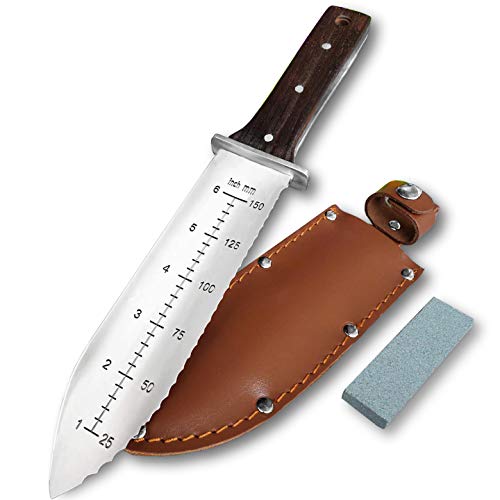
gonicc Professional Hori Hori Garden Knife
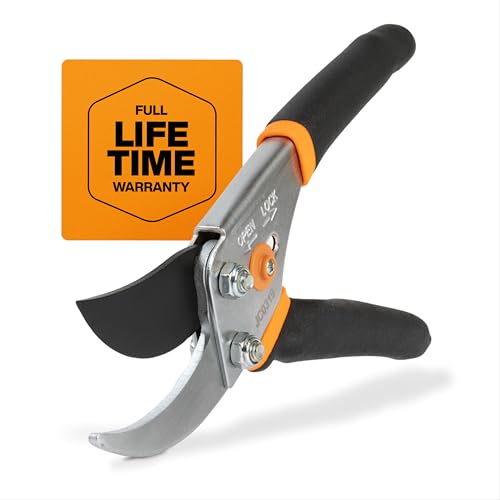
Fiskars Bypass Pruning Shears 5/8″ Cut
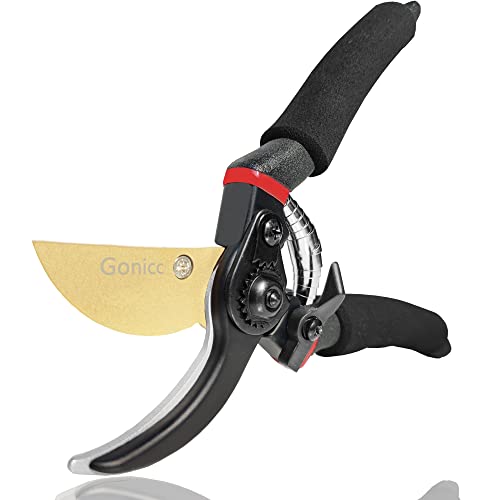
gonicc 8″ Premium Titanium Bypass Pruning Shears (GPPS-1003)
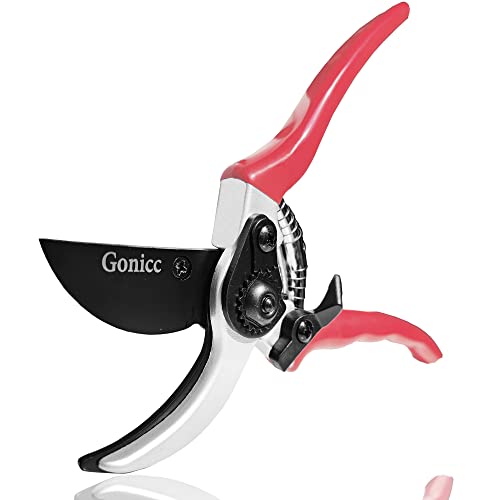
gonicc 8″ Sharp Bypass Pruning Shears (GPPS-1002)

gonicc Micro-Tip Pruning Snips (GPPS-1008)

Fiskars Forged Steel Bypass Pruning Shears 1″ Cut
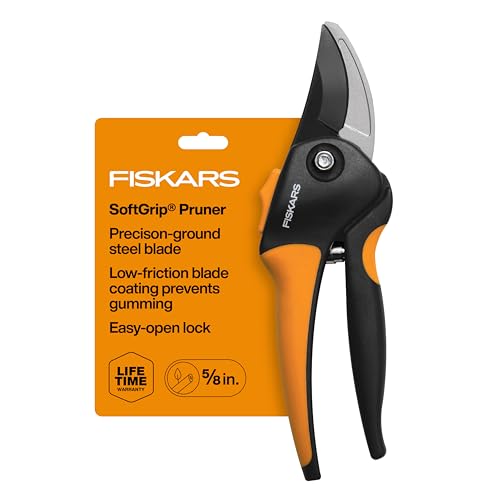
Fiskars SoftGrip Bypass Pruning Shears 5/8″ Cut

Felco F2 Swiss-Made Pruning Shears
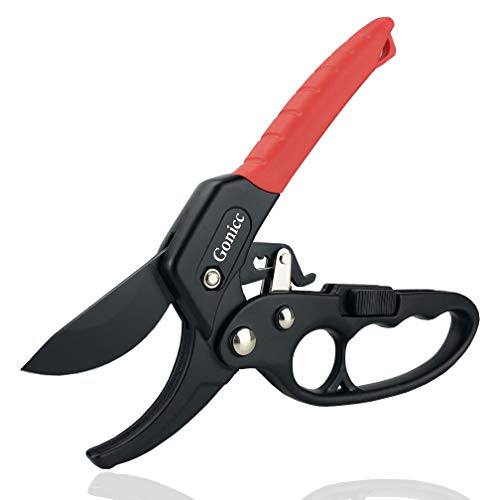
gonicc 8″ Ratchet Anvil Pruning Shears (GPPS-1011)
The Picks, Examined More Closely
If your pruning list leans toward thick, woody growth rather than soft stems, a cordless pruner can save your hands by the end of the day. The DEWALT 20V MAX Cordless Pruning Shears reach into branches up to 1.5 inches across, putting them in a different weight class than the bypass hand tools further down this list.
For gardeners already running DEWALT 20V batteries, the bare-tool framing makes sense, since the charger and pack likely live in the shed already. For everyone else, you may want to factor in the cost of a battery and charger before settling on this option.
Everyday Advantages
- Non-stick coated blades slice cleanly through stems without dragging sap along the cut.
- The included blade-change tool lets you swap a worn edge in the field instead of waiting for a sharpening session.
- On-board LED work light brightens the inside of dense shrubs where shadows hide the next cut.
- Tool weight sits near 3 pounds, which keeps fatigue in check during long pruning runs.
Practical Considerations
- Because the listing is bare-tool only, you need a 20V battery and charger to get started.
- Owners commonly note that sap buildup calls for a wipe-down between jobs to keep the blade moving smoothly.
Best Suited To
Gardeners with established yards full of mature, woody shrubs who already own DEWALT 20V gear will appreciate the effortless cuts most.
Swap It Out When
The Fiskars Bypass Pruning Shears make more sense for small herb beds where the cordless overhead feels like overkill.
Every list of pruners for gardening ends up including a knife, and the gonicc Hori Hori earns its spot by doing far more than snipping. The 440 stainless steel blade carries both a straight edge for slicing roots and a serrated edge for sawing through stubborn material, which makes it useful for transplanting, dividing, and digging small holes.
The included leather sheath, handguard, and sharpening stone hint at a tool meant to live in a belt loop for years. For gardeners who want one implement that handles weeds, root pruning, and tough cutbacks, the hori hori pulls double duty in ways a bypass pruner never could.
The Case For It
- High-polished 440 stainless steel resists rust and holds up to damp soil conditions.
- Built-in depth scale on the blade takes the guesswork out of planting bulbs at the right depth.
- Leather sheath and handguard keep the tool safely on your belt during long sessions.
- Serrated edge saws through tough roots where bypass blades would bind and twist.
Small Caveats
- This is a knife, not a bypass pruner, so it lacks the scissor-action clean cut most live stems deserve.
- Sharpening the serrated edge takes more time than maintaining a straight blade.
Made For
Vegetable gardeners and perennial bed maintainers who divide, transplant, and dig more than they trim.
Look Elsewhere When
Reach for the Fiskars Bypass Pruning Shears instead if your day revolves around crisp cuts on roses and flowering shrubs.
The Fiskars Bypass Pruning Shears show up in so many garden sheds because they handle the common case cleanly: snipping live green stems up to 5/8 inch across. A bypass blade works like scissors, with two curved edges passing each other, which gives you a tidy cut that helps plants heal quickly.
For most flower beds, vegetable plots, and small ornamental shrubs, this style of cut is the right tool. Compared with the cordless DEWALT above, you trade effort for simplicity and skip the battery entirely.
Notable Upsides
- Sharpened steel blade makes a clean slice that reduces the chance of dieback on tender growth.
- Lightweight build suits quick reach-and-cut jobs around the yard.
- Bypass design is gentle on live wood, which matters for roses and fruit canes.
- Compact size fits easily in a back pocket or apron loop.
Honest Caveats
- 5/8-inch capacity means anything thicker will stall the cut or crush the stem.
- Owners commonly report needing a sharpening stone handy after a season of regular use.
Who Should Grab It
First-time gardeners and casual weekend trimmers who mostly deal with green stems and small shrubs.
A Better Fit Elsewhere
The gonicc 8″ Premium Titanium Bypass Pruning Shears serve gardeners who want a titanium-coated blade and a heavier hand feel.
When you spend more weekends pruning than watering, blade coating starts to matter. The gonicc 8″ Premium Titanium Bypass Pruning Shears wrap an SK-5 steel core in a titanium layer, which resists sap sticking and rust far better than bare steel.
The aluminum handles wrapped in PVC keep the tool light without sacrificing grip in damp conditions. For gardeners whose hands are busy every weekend through the growing season, this is a sensible step up from entry-level bypass pruners.
Reasons It Performs
- Titanium-coated SK-5 steel blade holds its edge through repeated heavy use.
- Built-in sap groove channels sticky residue away from the cutting face.
- PVC-wrapped aluminum handles give a confident grip when the morning dew is still on the leaves.
- Drop-forged body construction supports the kind of leverage needed for older, woodier growth.
Things To Consider
- Heavier build than the lightweight Fiskars bypass, which may tire smaller hands faster.
- Coating can dull over years of sharpening, so maintenance matters.
Right Fit For
Hobby gardeners with mixed beds of roses, shrubs, and ornamentals who prune weekly through summer.
Consider Something Else When
The Fiskars SoftGrip Bypass Pruning Shears are easier on arthritic hands during extended sessions.
The gonicc 8″ Sharp Bypass Pruning Shears take a simpler route than the titanium-coated sibling above, swapping the titanium layer for a polished high-carbon steel edge. The trade is honest: you get a notably sharp out-of-box blade at a lighter weight, with a drop-forged body that shrugs off rough use.
For most yard work, the high-carbon edge and ergonomic PVC handle are enough. Where it falls behind the GPPS-1003 is long-term corrosion resistance in damp sheds.
Real Benefits
- Polished high-carbon steel blade arrives sharp and ready for clean cuts on roses and perennials.
- Drop-forged body and handles stand up to the twisting force of thicker stems.
- Non-slip PVC handle wrap keeps control secure when hands are sweaty or gloved.
- Sap groove design channels residue clear of the cutting face for smoother operation.
Softer Spots
- High-carbon steel can show surface oxidation if stored in a humid garden shed without drying.
- Lacks the titanium coating’s longer-term corrosion resistance.
Whose Shelf It Belongs On
Mixed-yard gardeners who deadhead, shape, and trim through the warm months on a near-daily rhythm.
Reach For A Different Pick When
For heavy woodier cuts, the Fiskars Forged Steel Bypass Pruning Shears offer a 1-inch capacity that handles what this one cannot.
Big pruners are overkill when the job is harvesting basil or pinching back a leggy pothos. The gonicc Micro-Tip Pruning Snips use a narrow, pointed tip to reach into the tight inner growth of herbs, houseplants, and small flower clusters where a full-size bypass blade would crush the surrounding stems.
If you keep a kitchen herb garden, raise orchids, or maintain a small bonsai, this is the tool that makes daily fine work feel natural. It pairs well with a heavier bypass pruner rather than replacing one.
Key Advantages
- Precision-ground high-carbon steel tips slip between stems for targeted cuts.
- Compact stainless steel build suits indoor use without rust concerns.
- Lightweight frame reduces hand strain during repetitive harvest sessions.
- Narrow tip reaches the inner canopy of herbs and houseplants where bigger shears cannot.
Points To Note
- Smaller blades cannot handle woody growth beyond thin green material.
- Compact size means easier to misplace in a busy garden shed.
Perfect Match For
Herb gardeners, houseplant owners, and anyone tending small bonsai or hydroponic setups indoors.
Where Another Pick Suits Better
For outdoor shrub work, the Felco F2 Pruning Shears offer the durable, all-day build that micro snips cannot match.
When branches push past 5/8 inch and start feeling like small twigs, you need a pruner with more bite. The Fiskars Forged Steel Bypass Pruning Shears stretch capacity to 1 inch, which covers most established shrub work and many small tree cuts around the yard.
The forged steel body brings extra heft, and that weight translates into leverage. For gardeners with overgrown hedges, berry canes, or neglected shrubs that need bringing back under control, this is a solid step up from entry-level bypass shears.
Where It Excels
- Forged steel handles deliver the strength needed for repeated thick-stem cuts.
- 1-inch cut capacity handles berry canes, woody ornamentals, and shrub rejuvenation work.
- Fully hardened steel blade stays sharp through long seasons of heavy use.
- Bypass action preserves a clean cut on live wood even at the larger diameter.
Factors To Consider
- Heavier than the smaller Fiskars bypass, which may slow down fine trimming work.
- Replacing or sharpening the larger blade typically requires more effort than on smaller models.
Best Suited To
Homeowners managing mature shrubs, berry patches, and small ornamental trees on a regular basis.
Skip It When
The gonicc Hori Hori Garden Knife is a better partner when transplanting and root work dominate the day.
Long pruning sessions punish hands more than most gardeners expect, and that’s exactly where the Fiskars SoftGrip Bypass Pruning Shears earn their keep. The PowerGear2 mechanism and softer handle wrap reduce the squeeze force needed per cut, which matters for anyone with arthritic joints or simply a long to-do list.
Capacity mirrors the standard Fiskars bypass at 5/8 inch, so the comfort gain comes without giving up clean cuts on typical green growth.
Where It Delivers
- Soft-grip handle reduces hand fatigue across long pruning sessions.
- PowerGear2 mechanism multiplies hand force for easier cuts on tougher stems.
- Self-cleaning sap groove keeps blades from sticking during extended use.
- Sharpened steel blade gives the same clean cut as the standard Fiskars bypass.
Room For Improvement
- 5/8-inch capacity still leaves woodier branches out of reach.
- Soft grip material can wear over years of heavy seasonal use.
Built With In Mind
Older gardeners and anyone managing hand fatigue who still wants dependable bypass performance on light to medium stems.
Not Your Match When
For repeated thick cuts on woody growth, the Fiskars Forged Steel Bypass Pruning Shears are the better match.
The Felco F2 has spent decades as the reference point for serious hand pruners. Forged aluminum handles keep weight low while the hardened steel blade delivers the kind of crisp cut that makes a season of pruning feel less like work and more like craft.
The replaceable blade, spring, and handle parts make this a buy-once tool, and many owners report running their F2s for years with occasional part swaps. For gardeners who put in serious hours each week, that long-term math starts to favor Felco.
The Helpful Details
- Replaceable parts extend tool life far beyond typical hand pruners.
- Forged aluminum body balances strength with a light feel in the hand.
- Hardened steel blade delivers clean cuts on branches up to about 1 inch across.
- Ergonomic handle shape supports long sessions without hotspots or cramping.
Worth Bearing In Mind
- Priced well above most consumer-grade pruners on this list.
- Replacement parts, while available, add ongoing cost over the tool’s lifetime.
Who Will Love This
Dedicated hobby gardeners and pros who prune daily and value a tool they can rebuild rather than replace.
Another Choice May Suit
For weekend-only gardeners, the gonicc 8″ Premium Titanium Bypass Pruning Shears deliver similar blade geometry at a more accessible entry cost.
Anvil pruners work differently than bypass models: a single sharpened blade closes onto a flat surface, slicing through dry, woody material with stepped leverage. The gonicc 8″ Ratchet Anvil Pruning Shears use that ratchet action to multiply hand force, which makes them a strong pick for deadwood and dormant-season cuts.
Compared to the bypass tools higher in this list, anvil pruners crush green stems rather than slicing them, so they belong alongside a bypass pruner rather than as a replacement.
The Upside
- Ratchet mechanism stages the squeeze, reducing hand strain on thicker wood.
- SK-5 steel blade holds its edge through repeated dry-wood cuts.
- Chrome vanadium handles provide the leverage backbone for heavy material.
- Anvil design excels at clearing dead branches and dormant-season wood.
Trade-Offs To Consider
- Anvil action can crush live green stems, leaving ragged wounds that heal slowly.
- Heavier than most bypass models on this list.
The Right Fit
Gardeners tackling winter cleanup, deadwood removal, and tough old canes that bypass blades struggle to cut.
Where A Sibling Pick Shines
For live green growth, the gonicc 8″ Premium Titanium Bypass Pruning Shears give a much cleaner cut on the same diameter.
Picking The Right Pruner For Your Yard
Choosing between bypass, anvil, cordless, and knife-style tools comes down to what you actually cut. Bypass pruners work like scissors, with two curved blades passing each other, which is the right geometry for live growth because it leaves a clean slice. Anvil pruners use a single blade closing onto a flat plate, which is more efficient for deadwood but can crush green stems.
Handle material shapes comfort over time. Forged aluminum and PVC-wrapped grips balance light weight with control, while softer ergonomic wraps help during long sessions or for hands that fatigue quickly. Blade steel matters most for edge retention: SK-5 and high-carbon steel stay sharp through a busy season, while titanium coatings add corrosion resistance that pays off in damp sheds.
Match the tool to the diameter you typically cut. Anything under about 5/8 inch suits a standard bypass; branches from 5/8 inch up to 1 inch call for a forged or upgraded bypass. Beyond that, a cordless pruner with a 1.5-inch capacity or a small pruning saw takes over without forcing the cut.
Bypass Vs Anvil In Practice
Bypass is the default choice for roses, fruit canes, and ornamental shrubs because the cut heals quickly. Anvil earns its place during dormant-season cleanup, when you face a stack of deadwood that would tire your hand on a bypass blade. Most experienced gardeners end up owning one of each rather than picking a single winner.
Battery, Manual, Or Knife
Cordless pruners shine when you face thick, repetitive cuts and want to protect your wrists, but they add battery and charger cost. Manual bypass pruners remain the most versatile everyday option for mixed yards. A hori hori knife steps in for transplanting, dividing perennials, and digging where pruners cannot reach.
Key Considerations Across These Picks
Common Shopping Slip Ups
Buying a heavy-duty pruner for a job that only involves soft herbs wastes leverage and tires your hand faster than a precision snip would. On the other end, picking a tiny micro-tip tool for thick shrub branches leads to crushed stems and frustration. The honest read is to match the tool to your largest regular cut, not your smallest occasional one. Also worth noting: storing pruners damp in a closed shed is the most common cause of premature rust, even on coated blades.
What The Higher Tier Buys
Premium pruners like the Felco F2 buy replaceable parts, refined ergonomics, and blade steel that holds an edge through seasons of use. For gardeners pruning an hour or two a week, a mid-range bypass covers the job without the steeper entry cost. For daily users, the upgrade pays back through years of service and a tool that can be rebuilt rather than thrown away when a spring or blade eventually wears out.
Frequently Asked Questions
What Is The Difference Between Bypass And Anvil Pruners?
Bypass pruners use two curved blades that pass each other like scissors, which makes them ideal for live green growth. Anvil pruners have one blade that closes onto a flat surface, which handles dry, dead wood more efficiently but can crush live stems.
How Often Should I Sharpen My Pruning Shears?
Light home use typically calls for a sharpening once or twice per growing season, while weekly pruning may need it monthly. A quick touch-up with a diamond file or sharpening stone keeps the cut clean and reduces hand strain.
Are Cordless Pruners Worth The Extra Cost?
Cordless pruners earn their place when you face thick, repetitive cuts on woody growth that would tire your hands on a manual tool. For lighter trimming, a quality manual pruner delivers the same clean cut without the battery and charger overhead.
What Capacity Do Most Home Gardeners Actually Need?
Most home gardeners cut stems and small branches up to about 5/8 inch across, so a standard bypass covers the bulk of routine work. Heavier capacity matters once you start tackling mature shrubs, berry canes, or small tree branches.
How Should I Store Pruning Shears To Prevent Rust?
Wipe the blades dry after use, store them in a dry shed or garage, and apply a light oil film before long storage periods. Keeping pruners out of damp, enclosed spaces is the simplest way to extend blade life.
Bottom Line
The best pruners for gardening are the ones that match the cuts your yard actually asks for, whether that’s a lightweight bypass for herbs or a heavy-duty anvil for winter cleanup. Start with the stem diameter you face most weeks, then layer in comfort and blade features that fit how often you prune. A well-matched tool turns a long day of trimming into a job that gets done, not a chore you keep postponing.
